When was the last time you thought about your car tires? You might not realize it, but knowing how often to change your tires is one of the smartest moves you can make for your safety and your wallet.
Worn-out tires can lead to dangerous driving conditions, but changing them too soon can waste money. So, how do you find the perfect balance? You’ll discover clear, simple answers to when and why you should replace your tires—helping you drive safer and save more.
Keep reading to make sure your next trip is smooth and secure.
Factors Influencing Tire Replacement
Knowing when to change your car tires is important for safety. Several factors affect tire replacement time. These factors help you decide if your tires are still good or need to be replaced.
Below, we explore key factors to consider. Understanding these will keep your car safe and your ride smooth.
Tread Wear Indicators
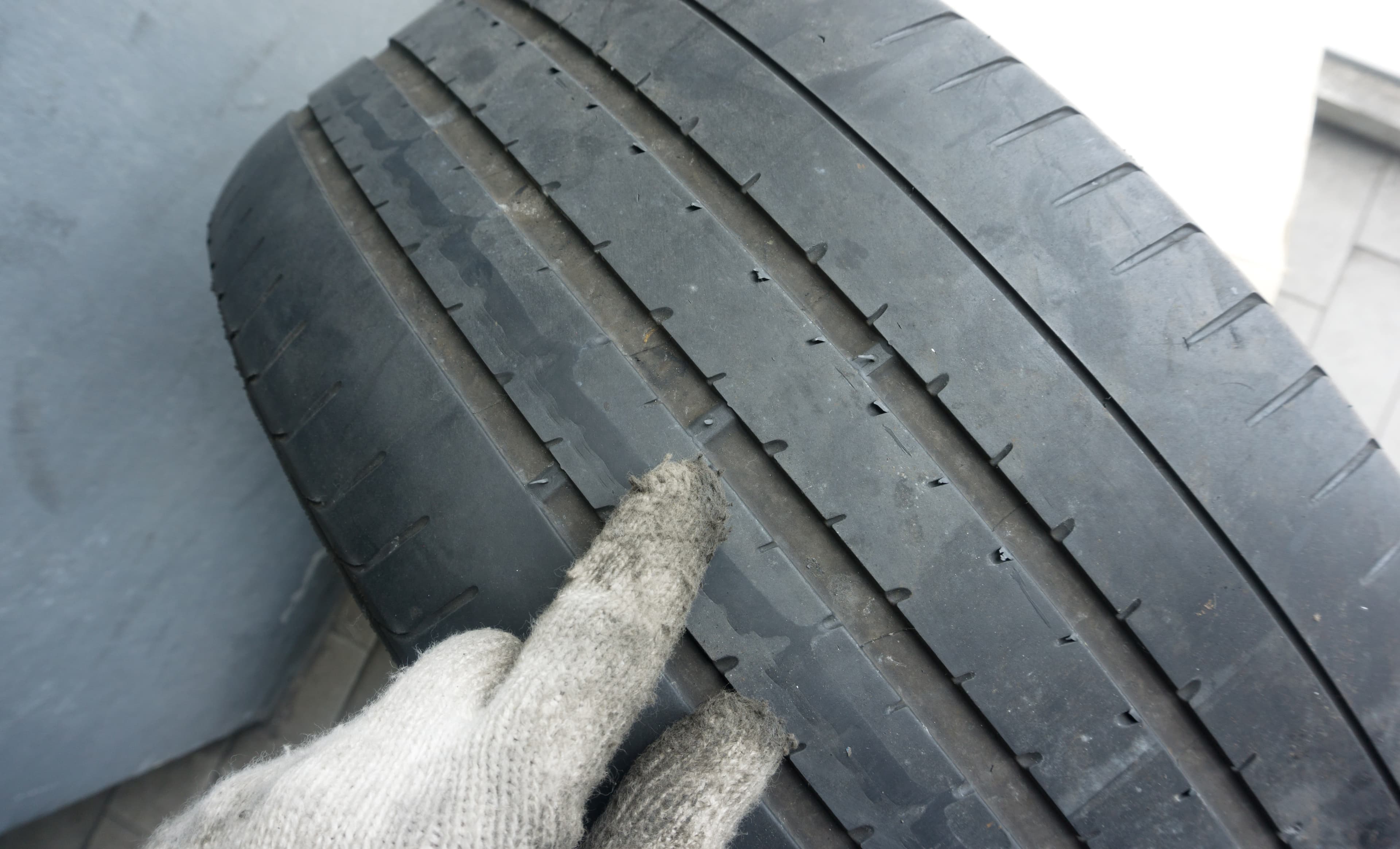
Tread wear indicators show how much tread is left on your tires. These small bars appear across the tire tread as it wears down. When the tread reaches these bars, it means the tire needs replacement.
- Check the tread depth regularly.
- Replace tires if tread is below 2/32 inch.
- Use a tread depth gauge or a coin test to measure.
Age Of The Tires
Tires degrade over time even if they look fine. Rubber breaks down due to heat, sunlight, and air. Most experts suggest changing tires every six years or after ten years at the latest.
| Age of Tire | Recommended Action |
|---|---|
| 0-6 years | Inspect regularly for wear and damage |
| 6-10 years | Consider replacement regardless of appearance |
| Over 10 years | Replace immediately for safety |
Driving Conditions
How and where you drive affects tire life. Rough roads, heavy loads, and frequent braking wear tires faster. City driving with many stops and turns also shortens tire life.
- Highway driving usually causes less wear.
- Off-road driving wears tires quickly.
- Heavy loads increase tire stress.
- Extreme weather can damage tires.
Tire Type And Quality
Tire materials and design affect durability. Quality tires last longer and perform better. Cheaper tires may wear out faster and need more frequent replacement.
| Tire Type | Expected Lifespan (miles) | Notes |
|---|---|---|
| All-Season | 50,000 | Good for varied weather |
| Performance | 30,000 | Faster wear due to soft rubber |
| Winter | 20,000 | Designed for snow and ice |
| Economy | 25,000 | Lower cost, shorter life |

Credit: www.reddit.com
Signs It’s Time For New Tires
Your car’s tires wear out over time. Knowing the signs helps you stay safe.
Check your tires regularly for damage or changes in how they feel on the road.
Visible Tread Wear
Tread helps tires grip the road. Worn tread reduces traction and safety.
- Look for tread depth below 2/32 inch.
- Use a tread depth gauge or penny test.
- Replace tires if tread is uneven or bald.
Cracks Or Bulges
Cracks in tire sidewalls or bulges show tire damage. They can cause blowouts.
| Type of Damage | What It Means | Action Needed |
|---|---|---|
| Cracks | Rubber is aging or drying out | Check often, replace soon |
| Bulges | Internal damage or weak spots | Replace immediately |
Vibration While Driving
If you feel shaking in the steering wheel or car body, your tires might be unbalanced or worn.
Have a mechanic check your tires if vibrations last more than a few minutes.
Frequent Air Pressure Loss
When your tires lose air often, it means there might be a leak or damage.
- Check for punctures or nails.
- Inspect valve stems for cracks.
- Replace tires that cannot hold air well.
Recommended Tire Replacement Intervals
Changing your car tires regularly is important for safety. Tires wear out over time and lose grip on the road.
Knowing when to replace your tires helps prevent accidents and improves driving comfort. Here are some guidelines to help you decide.
Standard Guidelines
Most tires last between 25,000 and 50,000 miles. This depends on the tire type and driving habits.
Experts often recommend changing tires every 6 years, even if the tread looks good. Old tires can crack and weaken.
- Replace tires every 25,000 to 50,000 miles
- Change tires at least every 6 years
- Check tire tread depth regularly
Manufacturer Recommendations
Tire makers set specific replacement intervals. You can find this info in your tire’s manual or on the sidewall.
Follow these recommendations for the best tire performance and safety. Some tires last longer than others.
- Check the tire’s sidewall for date codes
- Follow mileage limits set by the manufacturer
- Look for warnings about tire age
Professional Inspections
Have a tire expert inspect your tires at least once a year. They can find hidden damage or uneven wear.
Regular inspections help catch problems early. Professionals can advise if your tires need replacement.
- Inspect tires for cracks, cuts, or bulges
- Check tire pressure and tread depth
- Replace tires if there is uneven wear
Impact Of Seasonal Changes
Changing car tires depends a lot on the seasons. Different weather affects how tires wear out.
Knowing when to switch tires helps keep driving safe and extends tire life.
Winter Tires Vs. All-season Tires
Winter tires have special rubber that stays soft in cold weather. This helps with grip on snow and ice.
All-season tires work well in many conditions but do not perform as well in extreme winter weather.
- Winter tires wear out faster if used in warm weather.
- All-season tires last longer but may be less safe in deep snow.
- Changing to winter tires before cold months improves safety.
Temperature Effects On Tire Longevity
Hot weather can make tires wear out quicker. Heat softens the rubber and causes faster damage.
Cold weather can make tires harder and more likely to crack over time.
- Check tire tread often in summer to avoid fast wear.
- Store tires properly in winter to prevent cracking.
- Switch tires based on temperature changes to increase their life.
Maintaining Tire Health
Car tires need regular care to stay safe and last longer. Changing tires at the right time helps avoid accidents.
Good tire health improves your car’s performance. It also saves money on repairs and fuel.
Regular Tire Rotations
Rotating tires means moving them to different positions on the car. This helps them wear evenly.
Uneven wear can cause tires to wear out faster. Rotate your tires every 5,000 to 8,000 miles.
- Front tires wear differently than rear tires
- Rotations extend tire life
- Improves car handling and safety
Proper Inflation Levels
Check tire pressure regularly. Proper inflation keeps tires working well and lasting longer.
Low pressure causes tires to wear out quickly. High pressure can make the ride uncomfortable.
- Use a pressure gauge to check tires
- Follow the car maker’s recommended pressure
- Check pressure when tires are cold
Alignment And Balancing
Proper wheel alignment keeps tires straight and prevents uneven wear. Balancing stops vibrations.
Misalignment or unbalanced tires can cause damage. Get alignment and balancing checked every year.
- Alignment adjusts tire angles
- Balancing adds weights to tires
- Both improve driving comfort

Credit: www.youtube.com
Cost Considerations
Changing car tires is an important expense for car owners. Knowing how often to replace tires helps manage costs well.
Proper budgeting and choosing quality tires can save money over time. This guide explains key cost factors.
Budgeting For Tire Replacement
Tire replacement costs vary by brand, size, and type. Set aside money regularly to avoid surprises.
Plan for tire wear based on driving habits. Frequent drivers may need new tires sooner than others.
- Check tire prices at local and online stores
- Include installation and balancing fees in budget
- Save money by replacing all tires at once
- Consider seasonal tires for better value
Long-term Savings With Quality Tires
Buying quality tires may cost more upfront but lasts longer. Good tires improve fuel efficiency and safety.
Long-lasting tires reduce the frequency of replacements. This lowers overall costs over the car’s life.
- Quality tires wear evenly and resist damage
- Better tires can improve gas mileage
- Reduced risk of accidents saves repair costs
- Longer tire life means fewer trips to the shop
Credit: simpletire.com
Frequently Asked Questions
How Often Should I Replace Car Tires?
Car tires should be replaced every 6 years or after 50,000 miles. Check tread depth and tire condition regularly for safety. Replace sooner if you notice cracks, bulges, or uneven wear.
What Factors Affect Tire Lifespan?
Tire lifespan depends on driving habits, road conditions, tire quality, and maintenance. Frequent braking or rough roads wear tires faster. Proper inflation and regular rotations extend tire life.
How Can I Check If Tires Need Changing?
Use a tread depth gauge or the penny test. Replace tires if tread is below 2/32 inch. Also, check for cracks, bulges, or uneven wear patterns.
Can Old Tires Be Unsafe Even With Good Tread?
Yes, tires older than 6 years can degrade internally. Rubber hardens and cracks over time, reducing grip and increasing blowout risk. Age, not just tread, matters for safety.
Conclusion
Changing car tires regularly keeps you safe on the road. Tires wear out with use and time. Check them every few months for signs of damage or low tread. Most experts suggest changing tires every 3 to 5 years or after 25,000 to 50,000 miles.
Driving on old or worn tires can cause accidents. Stay aware of your tire condition to avoid problems. Remember, good tires improve your car’s grip and fuel efficiency. Take care of your tires, and they will take care of you.
Simple steps keep your drives smooth and safe.