Have you ever wondered how often you should vacuum your pool to keep it sparkling clean? Maintaining a pristine pool can feel like a daunting task, especially when you’re not sure how frequently you should dive into cleaning.
If you’re tired of second-guessing and want to keep your backyard oasis inviting and crystal clear, you’re in the right place. This article will guide you on the optimal vacuuming schedule to ensure your pool is always ready for a refreshing dip.
By understanding the right timing, you’ll not only save time and effort but also extend the life of your pool. Read on to uncover the secrets to a spotless swimming experience.
Benefits Of Regular Pool Vacuuming
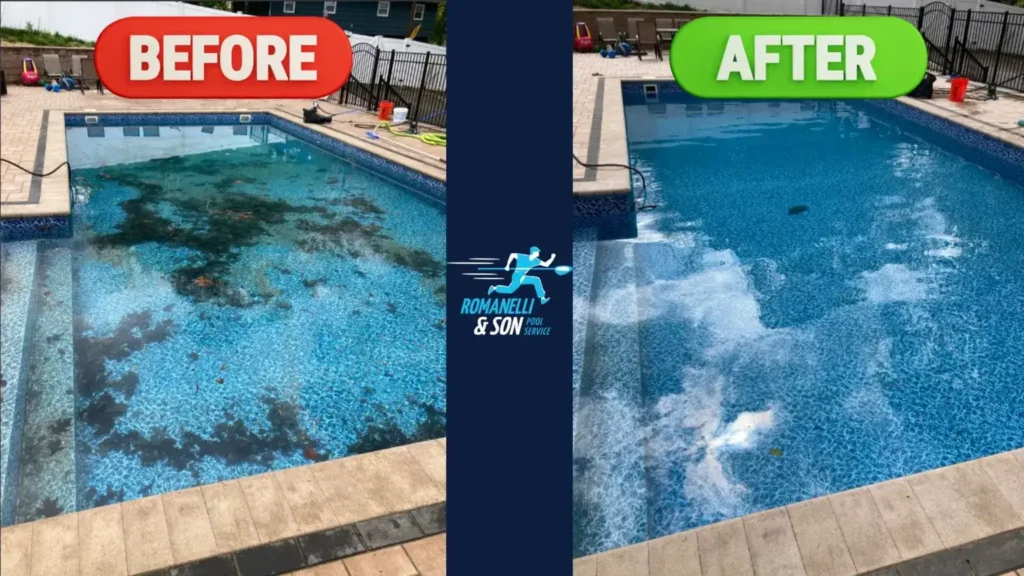
Regular pool vacuuming keeps your pool clean and safe. It removes dirt and debris that settle on the pool floor. This simple task helps maintain water quality and the overall pool condition. Clean pools invite more fun and fewer problems.
Improved Water Clarity
Vacuuming removes particles that cloud the water. Clear water looks more inviting and feels better to swim in. It also helps your pool filter work well by reducing the load. Clean water means fewer chemicals are needed.
Reduced Algae Growth
Removing debris limits places where algae can grow. Algae thrive on dirt and organic matter left in the pool. Vacuuming stops algae before it spreads and turns the water green. It helps keep your pool healthy and safe.
Extended Equipment Life
Vacuuming reduces strain on pumps and filters. Cleaner pools mean less dirt and grit enter the equipment. This lowers wear and tear, saving repair costs. Well-maintained equipment runs longer and works better.
Factors Influencing Vacuum Frequency
Vacuuming your pool is essential for maintaining clean and clear water, but how often you should do it depends on several factors. Understanding what influences vacuum frequency can help you create a cleaning routine tailored to your pool’s specific needs. Let’s look at key elements that affect how often you’ll need to vacuum.
Pool Usage And Occupancy
The more often your pool is used, the more debris and dirt it accumulates. If you have frequent swimmers, you’ll notice more hair, skin cells, and dirt settling at the bottom. Pools used regularly by children or large groups require vacuuming at least once or twice a week.
Think about your last pool party—did you notice more debris afterward? That’s a clear sign your pool needs extra attention after heavy use. On the other hand, pools rarely used can get by with less frequent vacuuming.
Surrounding Environment
Is your pool near trees, bushes, or a dusty yard? These surroundings contribute heavily to how much debris falls into your water. Leaves, twigs, pollen, and dirt can quickly accumulate, demanding more frequent vacuuming.
If you live in a leafy neighborhood, you might find yourself vacuuming multiple times a week. Conversely, pools in urban areas with fewer natural elements may need less frequent cleaning. Have you noticed a pattern with debris after windy days? That’s a clue about your environment’s impact.
Weather Conditions
Weather plays a big role in pool cleanliness. Rain can wash dirt and debris into your pool, increasing the need for vacuuming. Windy days blow leaves and dust into your water, while dry spells might reduce debris but increase algae growth.
After storms, it’s smart to check your pool for excess debris and vacuum promptly. Do you monitor your pool more closely following bad weather? That habit helps keep your pool inviting and safe.
Type Of Pool Surface
Different pool surfaces trap debris differently. Rough surfaces like plaster or pebble tend to hold dirt and algae more than smooth vinyl or fiberglass. This means rough surfaces often need more frequent vacuuming to keep them clean.
I once had a plaster pool that required vacuuming twice as often as my friend’s fiberglass pool. The texture made a big difference in how debris settled. Knowing your pool’s surface type can guide your cleaning schedule effectively.
Recommended Vacuuming Schedules
Keeping your pool clean means sticking to a vacuuming schedule that matches how you use it and the environment around it. The right timing can save you time and effort while keeping your water clear and inviting. Let’s look at how often you should vacuum based on your pool type and conditions.
Residential Pools
For most home pools, vacuuming once a week works well. This frequency helps prevent dirt and debris from settling and keeps algae growth at bay. If your pool is surrounded by trees or plants, you might need to vacuum twice a week during shedding seasons.
Think about your family’s pool use too. Heavy swimmers or pets can introduce more dirt, meaning you should vacuum more often. Have you noticed cloudy water or slippery surfaces? That’s a sign to increase your vacuuming schedule.
Commercial Pools
Commercial pools see a lot more traffic, so vacuuming every day or every other day is often necessary. High usage means more dirt, oils, and contaminants enter the water, and regular vacuuming keeps it safe and clean.
Staff usually combine vacuuming with daily brushing and skimming to maintain top water quality. If you manage a commercial pool, ask yourself: Are you sticking to a cleaning routine that matches your pool’s usage? Adjust your vacuuming accordingly to avoid costly water treatments later.
After Heavy Storms Or Events
Storms bring leaves, dirt, and debris into your pool, so vacuum immediately after heavy rain or wind. This prevents organic material from decomposing and causing water quality problems.
Similarly, after pool parties or events, vacuuming is essential to remove any dirt, hair, or food particles left behind. Waiting too long can make cleaning harder and impact your filter system’s performance. How quickly do you act after these events? Prompt vacuuming keeps your pool ready for the next swim.
Credit: romanellipools.com
Types Of Pool Vacuums
Choosing the right pool vacuum helps keep your pool clean and clear. Different types suit different needs and budgets. Understanding these options makes maintenance easier and more effective.
Manual Pool Vacuums
Manual pool vacuums need you to push or pull them across the pool floor. They connect to your pool’s filtration system. You control the movement, so it takes more effort. Great for small pools or quick spot cleaning. They are affordable and simple to use.
Automatic Pool Cleaners
Automatic pool cleaners work without much help. They attach to the pool’s pump or skimmer. They move on their own to clean floors and walls. Good for medium to large pools. They save time but need a strong pump to work well.
Robotic Pool Vacuums
Robotic pool vacuums run independently with their own motor and filter. They do not use your pool pump. They clean floors, walls, and waterlines thoroughly. Easy to program and energy-efficient. More expensive but very convenient for busy pool owners.
Vacuuming Techniques For Best Results
Vacuuming your pool effectively can save you time and keep your water sparkling clean. The right techniques ensure you remove dirt and debris without wasting effort or damaging your pool surface. Let’s dive into the practical steps that make vacuuming easier and more efficient.
Preparation Before Vacuuming
Start by removing large debris like leaves or twigs with a skimmer net. This prevents clogging your vacuum and keeps the process smooth. Check your pool’s water level; it should be halfway up the skimmer opening to maintain proper suction.
Attach the vacuum head firmly to the pole and connect the hose carefully, avoiding air bubbles that reduce suction. Prime the hose by submerging it completely to fill it with water before connecting it to the skimmer or suction port.
Vacuuming Patterns
Use slow, steady movements to vacuum the pool floor. Moving too fast can stir up dirt, making your pool murky and forcing you to vacuum again. Try overlapping your strokes to cover every inch without missing spots.
- Start from the shallow end and work towards the deep end.
- Vacuum in straight lines or a grid pattern for thorough cleaning.
- Focus on corners and steps, as dirt tends to gather there.
Ask yourself: Are you spending more time fixing cloudy water than vacuuming? Adjusting your speed and pattern might be the key.
Post-vacuuming Maintenance
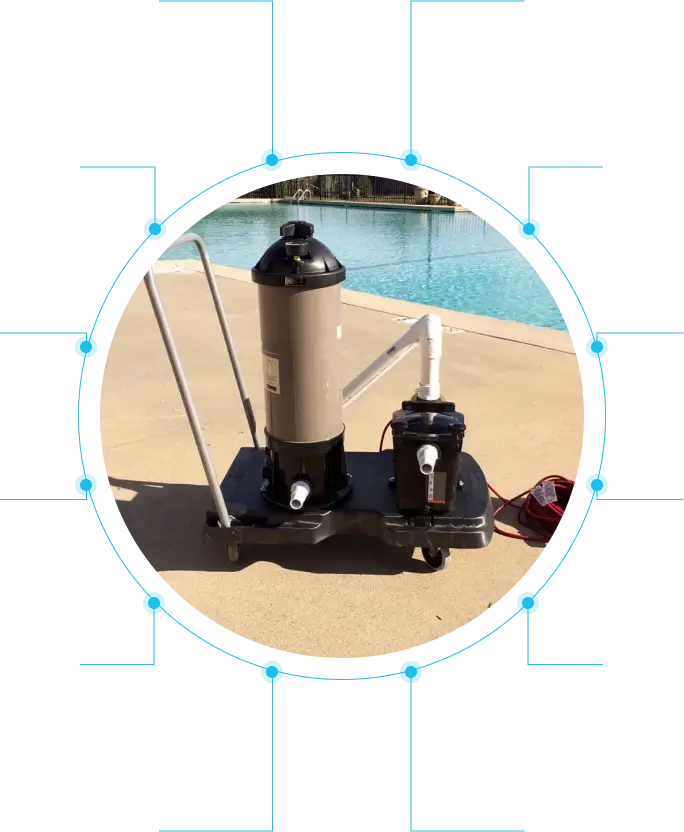
After vacuuming, clean the filter to remove trapped dirt and improve water flow. Backwash sand or DE filters as needed, or rinse cartridge filters thoroughly. Skim the water surface again to catch any floating debris loosened during vacuuming.
Test your pool’s chemical balance; vacuuming can stir up particles that affect pH and chlorine levels. Adjust chemicals promptly to keep your pool safe and inviting. How often do you check your filter and chemical levels after cleaning? Making it a habit can prevent bigger problems later.
Credit: romanellipools.com
Common Mistakes To Avoid
Vacuuming your pool is essential for clear water and a healthy swim. Yet, many pool owners make mistakes that reduce vacuuming effectiveness. Avoiding these errors keeps your pool clean and saves time and money.
Over-vacuuming
Vacuuming too often can wear out your pool surfaces. It may also waste energy and water. Dirt settles slowly, so daily vacuuming is usually unnecessary. Stick to a schedule based on how fast debris accumulates. Overdoing it can damage pool liners and filters.
Ignoring Pool Filters
Vacuuming without checking your pool filter can cause problems. A clogged filter reduces suction power. It makes vacuuming less effective and strains your pump. Clean or replace filters regularly. This keeps water flowing and dirt removal efficient.
Skipping Regular Maintenance
Vacuuming alone won’t keep your pool clean. Regular maintenance is key. Check water chemistry, brush walls, and skim leaves often. Without these steps, dirt builds up faster. Vacuuming becomes harder and less effective. A full maintenance routine ensures a sparkling pool all season.
Additional Cleaning Tips
Vacuuming your pool is essential, but additional cleaning steps can make a big difference in keeping your water crystal clear and inviting. These extra tasks help tackle dirt and buildup that vacuuming alone might miss. Paying attention to these details can save you time and money on maintenance.
Brushing Pool Walls
Brushing your pool walls removes algae, dirt, and grime that stick to surfaces. Use a brush suitable for your pool type—nylon for vinyl, stainless steel for concrete. Aim to brush at least once a week to prevent buildup and keep surfaces smooth.
Have you noticed slippery spots along your pool edges? That’s a sign you need to brush more often. It helps your vacuum work better by loosening debris and algae.
Skimming Surface Debris
Skimming is a quick way to remove leaves, bugs, and floating dirt before they sink. Spend a few minutes daily with a fine mesh skimmer to stop debris from clogging filters or sinking to the bottom. It’s one of the easiest habits to keep your pool looking fresh every day.
Try to make skimming part of your routine—like brushing your teeth. The less debris you let in, the less work you’ll have later.
Balancing Pool Chemicals
Balanced chemicals keep your water safe and clear by preventing algae growth and bacteria buildup. Test your pool’s pH, chlorine, and alkalinity levels at least twice a week during peak season. Adjust chemicals as needed to stay within the ideal ranges.
Have you ever swum in a pool that stings your eyes or feels slimy? That’s a sign of chemical imbalance. Keeping these levels right protects both your pool and your skin.

Credit: www.youtube.com
Frequently Asked Questions
How Often Should I Vacuum My Pool In Summer?
Vacuum your pool at least once a week during summer. Warmer weather causes more debris and algae buildup. Regular vacuuming keeps water clear and healthy.
Can I Vacuum My Pool Less Frequently In Winter?
Yes, you can vacuum less in winter. Cooler temperatures reduce algae growth and debris accumulation. Vacuuming every two to three weeks is usually sufficient.
What Factors Affect Pool Vacuuming Frequency?
Pool size, usage, surrounding environment, and weather impact vacuum frequency. More debris or heavy usage needs frequent vacuuming. Adjust based on your pool’s condition.
Is Manual Or Automatic Pool Vacuuming Better?
Both work well, but automatic vacuums save time. Manual vacuums offer precise cleaning in corners and steps. Use a combination for best results.
Conclusion
Vacuuming your pool keeps the water clean and clear. Regular cleaning stops dirt and leaves from building up. Most pools need vacuuming once a week, but check yours often. If many leaves or dirt fall in, vacuum more. Consistent care helps your pool stay healthy and inviting.
Simple steps like vacuuming save time and money later. Enjoy your pool more with clean, sparkling water.