
When was the last time you thought about your car’s tires? You might not realize it, but how often you rotate your tires can make a big difference in how long they last and how safe your car feels on the road.
If you want to avoid unexpected blowouts, save money, and get the best performance from your vehicle, understanding tire rotation is key. Keep reading, and you’ll discover exactly how often you should rotate your tires—and why it matters more than you might think.
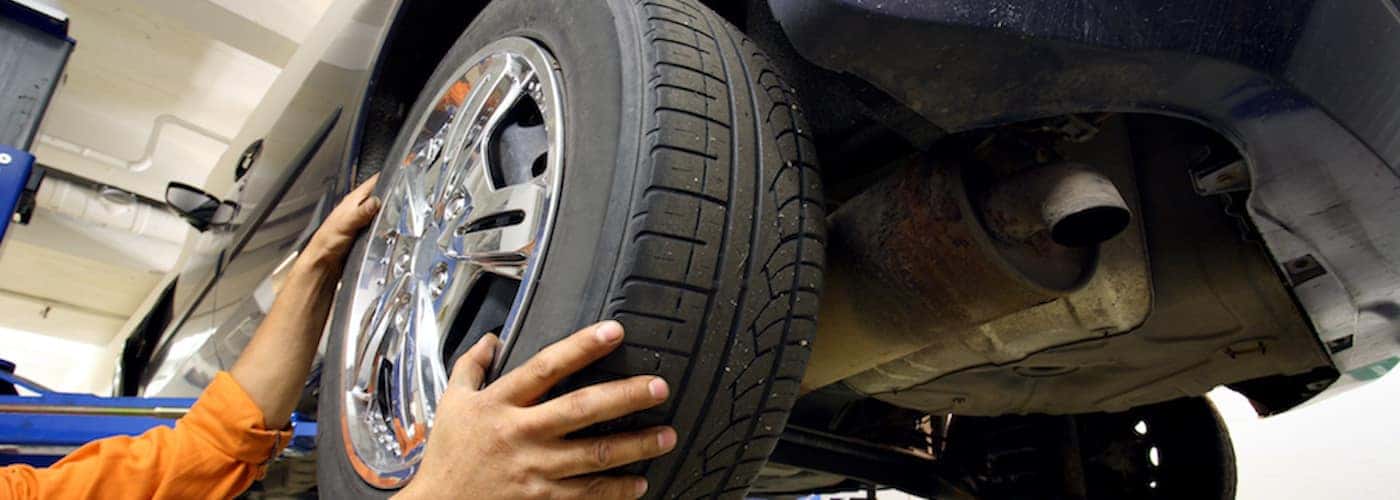
Credit: www.suntrupvw.com
Why Rotate Tires
Tire rotation helps keep your car safe and smooth on the road. It means moving tires to new positions.
Rotating tires regularly extends their life and improves how your car drives.
Benefits Of Tire Rotation
Rotating tires spreads wear evenly on all tires. It helps you save money by avoiding early tire replacement.
- Increases tire lifespan
- Improves fuel efficiency
- Keeps better traction on roads
- Reduces risk of tire damage
Effects On Tire Wear
Tires wear differently depending on their position on the car. Front tires often wear out faster.
| Position | Wear Pattern |
|---|---|
| Front Tires | More wear on edges from steering and braking |
| Rear Tires | Wear more evenly but can wear faster on one side |
| Rotated Tires | Even wear on all tires over time |
Impact On Vehicle Performance
Rotated tires keep your car stable and easier to control. They help maintain good traction and handling.
- Better handling on wet or dry roads
- Improved braking response
- Quieter and smoother ride
- Lower chance of tire blowouts
Recommended Rotation Intervals
Rotating tires helps them wear evenly and last longer. It also improves safety and vehicle handling.
Knowing how often to rotate your tires depends on several key factors. Here are some guidelines to help.
General Mileage Guidelines
Most experts suggest rotating tires every 5,000 to 8,000 miles. This range keeps tread wear balanced.
- Rotate tires at least twice a year
- Follow this schedule even if tires look fine
- Consider more frequent rotation for aggressive driving
Manufacturer Recommendations
Car makers give specific rotation advice in the owner’s manual. This advice matches the vehicle’s design.
| Vehicle Type | Recommended Interval |
|---|---|
| Sedan | Every 6,000 to 8,000 miles |
| SUV | Every 5,000 to 7,000 miles |
| Truck | Every 5,000 miles |
Factors Influencing Frequency
Several factors can change how often you should rotate tires. These include driving style and road conditions.
- Frequent sharp turns or hard braking need faster rotation
- Rough or uneven roads cause more tire wear
- Using front-wheel drive may require more frequent rotation
- Heavy loads or towing increase tire stress
Signs Tires Need Rotation
Tires wear out over time and need to be rotated regularly. Rotating tires helps them wear evenly and last longer.
Watch for signs that show your tires need rotation. This can keep your car safe and running well.
Uneven Tire Wear
Uneven tire wear is a clear sign tires need rotation. Some tires may wear more on one side or in patches.
This happens because front and rear tires wear differently. Rotating them spreads out the wear.
- Tires worn more on inside or outside edges
- One tire looks more worn than others
- Patchy or spotty wear patterns on tires
Handling Issues
If your car pulls to one side or feels hard to steer, tires may need rotation. Uneven wear affects handling.
Rotating tires helps keep steering smooth and balanced. It also improves grip on the road.
- Car pulls left or right while driving
- Steering feels loose or tight
- Car drifts when you hold the steering wheel steady
Noise And Vibration
Unusual noise or vibration can mean tires need rotation. Uneven wear causes tires to make sounds or shake.
Rotating tires can reduce noise and make the ride smoother. It helps tires wear evenly again.
- Humming or buzzing noise from tires
- Vibration felt in steering wheel or seat
- Noise changes with speed or road surface

Credit: tyre.com.sg
Rotation Patterns
Tire rotation helps your tires wear evenly. It extends the life of your tires and improves safety.
Different cars need different rotation patterns. This depends on the drive type and tire design.
Front-wheel Drive
Front-wheel drive cars put more pressure on the front tires. The front tires wear faster than the rear ones.
The best rotation pattern moves the front tires to the rear on the same side. The rear tires cross to the front.
- Front left tire moves to rear left
- Front right tire moves to rear right
- Rear left tire moves to front right
- Rear right tire moves to front left
Rear-wheel Drive
Rear-wheel drive cars wear tires differently than front-wheel drive. The rear tires wear faster here.
Rotate tires so rear tires move to the front on the same side. Front tires cross to the rear.
- Rear left tire moves to front left
- Rear right tire moves to front right
- Front left tire moves to rear right
- Front right tire moves to rear left
All-wheel Drive
All-wheel drive cars need a special rotation to keep all tires balanced. All tires wear at similar rates.
Use the “X” pattern where front tires move to opposite rear positions. Rear tires move to opposite front positions.
- Front left tire moves to rear right
- Front right tire moves to rear left
- Rear left tire moves to front right
- Rear right tire moves to front left
Directional Tires
Directional tires have a set rolling direction. They must stay on the same side of the car.
Rotate directional tires front to back on the same side only. Do not cross them to the other side.
- Front left tire moves to rear left
- Rear left tire moves to front left
- Front right tire moves to rear right
- Rear right tire moves to front right
Diy Vs Professional Rotation
Rotating your car tires helps them wear evenly. You can do it yourself or hire a professional. Each way has its own benefits and challenges.
Knowing the right tools and timing can keep your tires in good shape. Cost also plays a role in deciding who should rotate your tires.
Tools Needed For Diy
Doing a tire rotation at home needs some basic tools. Having the right tools makes the job safer and easier.
- Car jack or floor jack
- Jack stands for safety
- Lug wrench or tire iron
- Torque wrench to tighten bolts
- Gloves to protect your hands
- Wheel chocks to prevent rolling
When To Seek Expert Help
Some situations need a professional mechanic. They have experience and tools for tricky tire jobs.
| Scenario | Reason to Seek Help |
|---|---|
| Car has complex wheel alignment | Needs special equipment and skills |
| Tire or rim damage | Must be checked and fixed professionally |
| Unusual tire wear | May indicate suspension or steering problems |
| No safe place to work | Professional shops have secure environments |
Cost Considerations
Cost is a key factor in choosing DIY or professional tire rotation. Doing it yourself saves money on labor.
- DIY only costs the price of tools if you don’t have them
- Professional rotation costs vary by shop and location
- Some shops offer free rotation with tire purchase
- Professional service may include inspection for other issues
Additional Tire Care Tips
Taking care of your tires helps keep your car safe. It also makes tires last longer. Rotating tires is important, but other care steps matter too.
Simple actions like checking tire pressure, wheel alignment, and balancing can improve driving comfort and tire life.
Tire Pressure Maintenance
Keep your tires at the right pressure. Check pressure at least once a month. Use a tire pressure gauge to measure it.
Proper pressure helps tires wear evenly. It also improves fuel efficiency and car handling. Low or high pressure can cause damage.
- Check pressure when tires are cold
- Follow the pressure recommended in your car manual
- Adjust pressure if needed before driving
Wheel Alignment Checks
Wheel alignment means adjusting wheels to point straight. Misalignment causes uneven tire wear. It also affects steering and safety.
Get your alignment checked if your car pulls to one side. Also check after hitting a curb or pothole. Regular checks keep tires wearing evenly.
- Signs of bad alignment: car pulls, uneven tire wear
- Visit a mechanic for alignment services
- Check alignment every 12,000 miles or yearly
Balancing Tires
Tire balancing keeps wheels rotating smoothly. Unbalanced tires cause vibration and uneven wear. Balancing improves ride comfort and tire life.
Have tires balanced when you get new tires or notice vibrations. Balancing involves adding small weights to wheels for smooth rotation.
- Get tires balanced at a tire shop
- Balance tires every time you rotate them
- Check for vibration when driving at high speeds

Credit: www.worldfordpensacola.com
Frequently Asked Questions
How Often Should Car Tires Be Rotated?
Car tires should be rotated every 5,000 to 8,000 miles. This helps ensure even tire wear and extends tire life. Regular rotation improves vehicle handling and safety.
What Happens If Tires Aren’t Rotated Regularly?
If tires aren’t rotated, uneven wear occurs. This reduces tire lifespan and can cause poor handling. Uneven wear may also lead to costly replacements earlier than needed.
Can Tire Rotation Improve Fuel Efficiency?
Yes, rotating tires regularly helps maintain even tread wear. Evenly worn tires reduce rolling resistance, improving fuel efficiency. Proper tire maintenance contributes to better gas mileage.
Is Tire Rotation Necessary For All-wheel Drive Cars?
Yes, tire rotation is important for all-wheel drive vehicles. It ensures equal tire wear, maintaining traction and handling. Neglecting rotation can lead to drivetrain issues and costly repairs.
Conclusion
Regular tire rotation helps your car’s tires wear evenly. It keeps your ride smooth and safe on the road. Most experts say to rotate tires every 5,000 to 8,000 miles. Check your car’s manual for the best schedule. Simple care like this saves money and extends tire life.
Don’t forget to inspect tires for damage or low pressure. Small steps make a big difference in car maintenance. Keep your tires rotated and your drives worry-free. Easy and smart for any driver.