Many mothers wonder how often to pump breast milk four months after giving birth. At this stage, your baby is growing fast. Your body is changing too. Breastfeeding or pumping can feel different now. It is normal to have questions about how often you should pump.
Why Pump Breast Milk at 4 Months Postpartum?
Pumping breast milk is helpful for many reasons. Some moms pump to feed their baby when they are away. Others pump to increase milk supply. Some mothers pump to store milk for later. Pumping also helps if your baby has trouble breastfeeding directly.
At four months, your baby may start eating solid foods soon. But breast milk is still very important. It gives your baby good nutrition and helps fight illness. Pumping helps keep milk supply steady and lets others feed the baby.
How Often Should You Pump at 4 Months?
The answer depends on your baby’s feeding and your goals. Here are some key points to think about:
- Feeding Frequency: Babies usually breastfeed 4 to 6 times a day at 4 months.
- Milk Supply: Pumping often helps keep milk production high.
- Storage Needs: More pumping means more milk saved for later.
- Personal Schedule: Your daily routine may affect how often you pump.
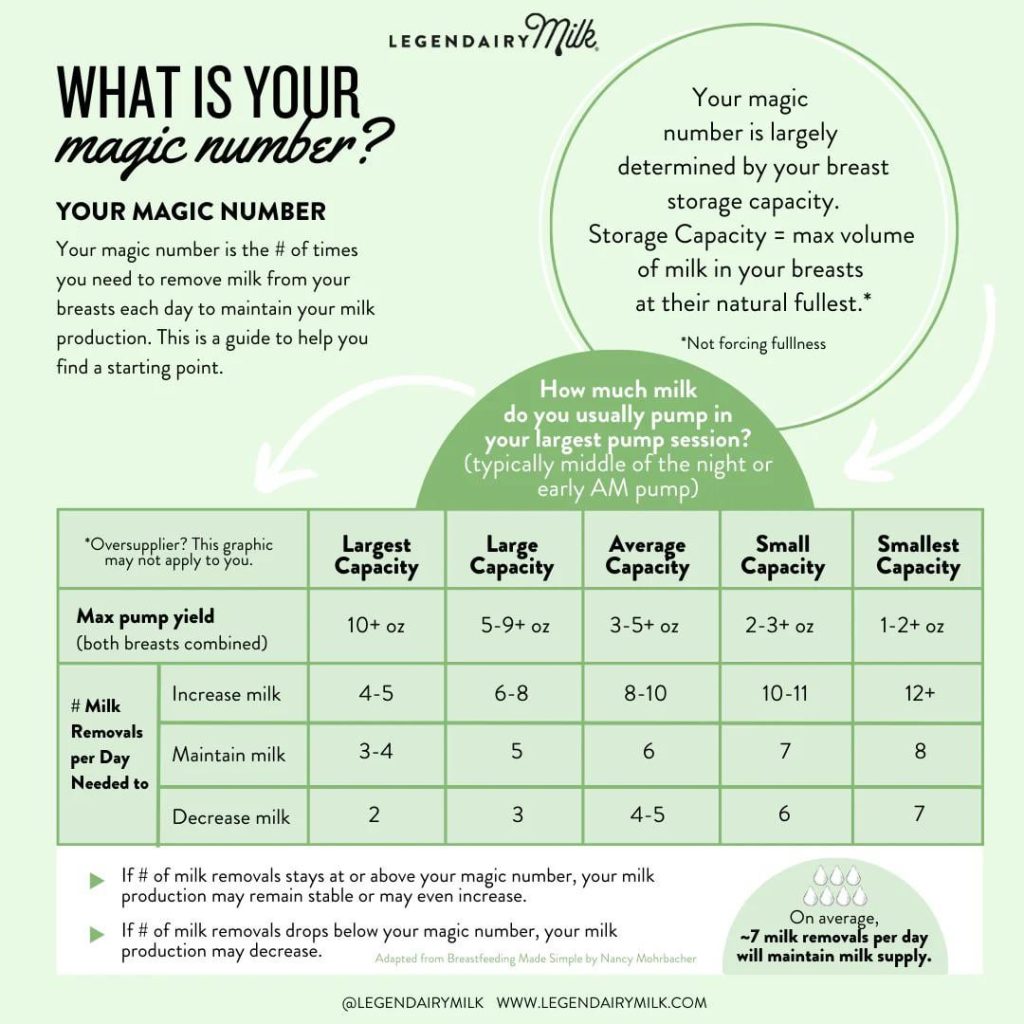
Most mothers find that pumping about 3 to 5 times a day works well. This helps keep milk supply and gives enough milk for baby. But remember, every mother and baby is different.

Credit: www.reddit.com

Credit: www.reddit.com
Signs You May Need to Pump More Often
You may need to pump more if you see these signs:
- Your baby seems hungry soon after feeding.
- Your breasts feel very full or uncomfortable.
- Your milk supply feels low or drops suddenly.
- You want to build a larger milk supply or store more milk.
If you notice these, try pumping an extra time or two each day. This can help increase milk supply and keep your baby full.
Signs You May Pump Less Often
You might want to pump less if:
- Your baby is feeding well and gaining weight.
- Your breasts feel comfortable and not too full.
- You have enough milk stored for your needs.
- Pumping feels tiring or stressful for you.
It is okay to reduce pumping if everything is going well. Listen to your body and baby.
How to Build a Pumping Schedule
Creating a pumping schedule helps you manage time and milk supply. Here are steps to build a good schedule:
- Note when your baby usually feeds.
- Try to pump after or between these feedings.
- Space pumping sessions every 3 to 4 hours during the day.
- Include one or two sessions at night if needed.
- Adjust the schedule based on how your body feels.
Example schedule:
| Time | Activity |
|---|---|
| 7:00 AM | Pump after baby’s morning feed |
| 11:00 AM | Pump between feeds |
| 3:00 PM | Pump before afternoon feed |
| 7:00 PM | Pump after evening feed |
| 10:00 PM | Optional pump before bed |
Tips for Effective Pumping
Pumping can be easier and more effective with some simple tips:
- Find a quiet, comfortable place to pump.
- Relax and think about your baby while pumping.
- Use a good quality breast pump with adjustable settings.
- Massage your breasts gently before pumping.
- Stay hydrated and eat healthy foods.
- Use warm compresses if your breasts feel hard or full.
- Clean pump parts well after each use.
Common Questions About Pumping at 4 Months
Many mothers ask similar questions about pumping. Here are some answers:
Can I Stop Pumping If My Baby Feeds Well?
Yes, you can stop pumping if your baby is breastfeeding well. Make sure your baby gains weight and is happy. Stop pumping gradually to avoid discomfort.
Is It Normal For Milk Supply To Change At 4 Months?
Yes, milk supply can go up or down. Pumping regularly helps keep supply steady. Watch your baby’s hunger and weight for signs.
Can Pumping Hurt?
Pumping should not be painful. If it hurts, check the pump size and settings. Make sure the pump fits your breast well.
How Long Does Each Pumping Session Take?
Usually, 15 to 20 minutes per session is enough. Stop when milk flow slows down. Do not pump too long to avoid soreness.
Adjusting Pumping as Baby Grows
As your baby grows, feeding needs change. You may need to pump less or more. Solid foods start around 6 months, but milk is still important.
Watch your baby’s hunger and growth. Change your pumping schedule to fit your baby’s needs and your life.
Summary: How Often to Pump 4 Months Postpartum
- Pump about 3 to 5 times daily for good milk supply.
- Adjust pumping based on baby’s hunger and growth.
- Build a schedule around baby’s feeding times.
- Use relaxation and comfort to improve pumping.
- Listen to your body and baby’s signs.
Remember, every mother’s experience is different. There is no one-size-fits-all answer. Be patient and kind to yourself. Your efforts help your baby grow healthy and strong.
If you are unsure, talk to a doctor or lactation expert. They can give advice for your unique situation.
Frequently Asked Questions
How Often Should I Pump Breast Milk At 4 Months Postpartum?
Pumping 3 to 4 times daily helps maintain milk supply and meets baby’s needs at 4 months.
Can I Reduce Pumping Frequency After 4 Months Postpartum?
Yes, many moms pump less often as babies eat solid foods and breastfeed more.
Is It Normal To Pump Less Milk At 4 Months Postpartum?
Milk supply may slow but usually stays enough for baby’s growth and hunger.
Should I Pump At Night 4 Months Postpartum?
Night pumping helps keep supply stable, but some moms can skip if baby feeds well.