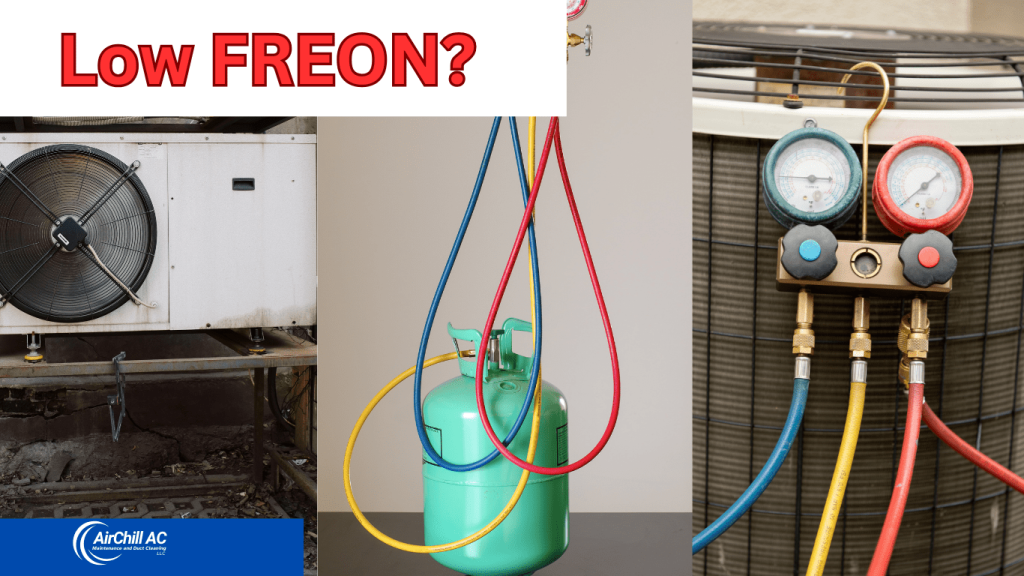
Is your air conditioner not cooling like it used to? You might be wondering how often you need to refill the refrigerant to keep your AC running smoothly.
Knowing when and why to refill refrigerant can save you from unexpected breakdowns and high repair bills. You’ll discover simple signs that tell you it’s time for a refill and learn how to maintain your AC for long-lasting comfort. Keep reading to make sure your home stays cool and your energy bills stay low.
Credit: refrigerant-euro.com
Why Refrigerant Matters
Refrigerant is the lifeblood of your air conditioning system. Without it, your AC can’t cool your space effectively or efficiently. Understanding why refrigerant matters helps you keep your system running smoothly and avoid costly repairs.
Role Of Refrigerant In Ac
Refrigerant absorbs heat from inside your home and releases it outside. It moves through the AC’s coils, changing from liquid to gas and back, which cools the air you breathe.
Think of it as the cooling agent that makes your AC work. Without enough refrigerant, your system struggles to maintain the right temperature.
Signs Of Low Refrigerant Levels
How do you know if your refrigerant is low? Here are some common signs:
- Warm air blowing from vents even when the AC is on full power
- Longer cooling cycles that raise your energy bills
- Ice buildup on the evaporator coils
- Hissing or bubbling sounds near the outdoor unit
- Frequent need to refill refrigerant indicates a leak
If you notice any of these, it’s time to check your refrigerant levels. Ignoring these signs can lead to bigger problems and higher costs down the line.
Factors Affecting Refrigerant Refill Frequency
Several key factors influence how often you need to refill refrigerant in your AC. These factors affect the system’s efficiency and cooling ability. Understanding them helps maintain your AC and avoid frequent refills.
Ac Usage Patterns
How often and how long you run your AC impacts refrigerant levels. Heavy daily use causes the system to work harder. This can lead to faster refrigerant loss. Short, occasional use puts less strain on the system. It usually means fewer refills over time.
System Age And Condition
Older AC units tend to lose refrigerant more quickly. Parts wear out and seals may weaken with age. This causes small leaks and reduces efficiency. Newer systems often hold refrigerant longer. Proper maintenance keeps any system running well and reduces refill needs.
Leaks And Repairs
Leaks are the main cause of refrigerant loss. Even tiny leaks cause the refrigerant to escape slowly. Timely repairs stop further loss and protect system performance. Ignoring leaks means frequent refills and higher costs. Regular inspections can find leaks early and save money.
Typical Refrigerant Refill Intervals
Knowing how often to refill refrigerant in your AC is key to keeping it cool and efficient. Refrigerant does not get used up but can leak over time. Typical refill intervals depend on various factors including the AC model and usage. Regular checks help spot leaks and maintain the right refrigerant level.
Manufacturer Recommendations
AC manufacturers provide specific guidelines for refrigerant refill. These depend on the type and size of the unit. Most suggest checking refrigerant levels annually. Some newer models may have sealed systems that rarely need refills. Following these guidelines helps avoid damage and keeps the warranty valid.
Industry Standards
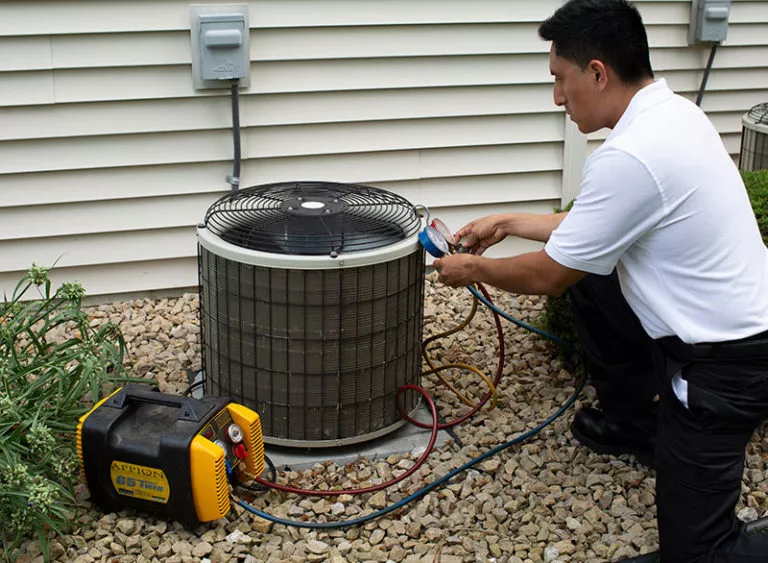
Industry standards offer general advice on refrigerant maintenance. Usually, a refill is recommended every 1 to 3 years. Frequent use or older units might need refilling more often. Technicians use pressure gauges to measure refrigerant levels during service. Proper refill intervals prevent system strain and improve cooling efficiency.
Credit: www.abcsouthwest.com
How To Check Refrigerant Levels
Checking the refrigerant levels in your AC is crucial for keeping it running efficiently and preventing costly repairs. Low refrigerant can cause your system to work harder, leading to higher energy bills and reduced cooling performance. Knowing how to check these levels helps you spot problems early and decide when a refill is necessary.
Professional Inspection
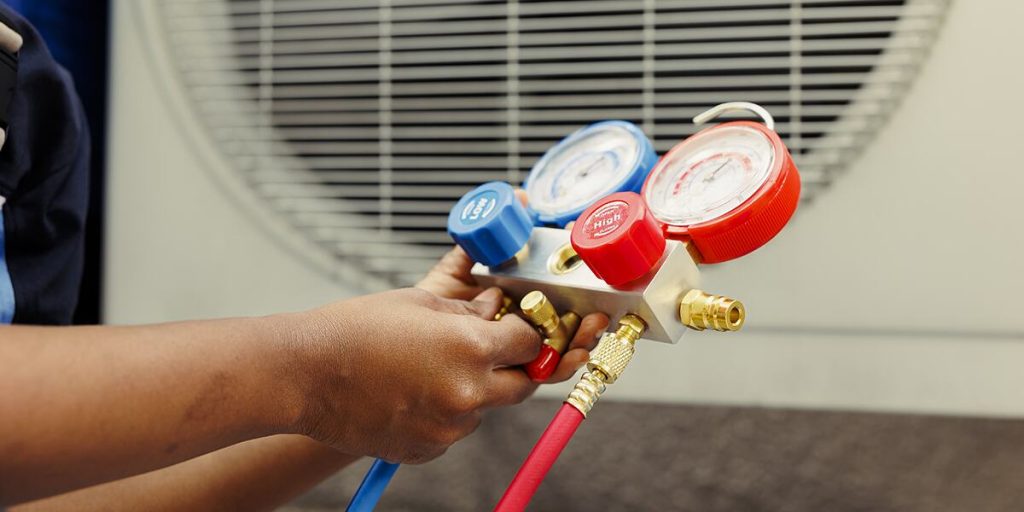
Hiring a professional technician is the safest way to check refrigerant levels. They use specialized tools like manifold gauges to measure pressure accurately. This method ensures no leaks go unnoticed, which could otherwise waste refrigerant and harm your system.
Technicians also verify if your AC uses the correct refrigerant type and amount. During the inspection, they might perform a leak test and evaluate overall system health. This thorough approach gives you peace of mind and extends your AC’s lifespan.
Diy Methods And Tools
If you’re comfortable handling basic tools, you can perform a simple check at home. Look for signs like ice buildup on coils or weak airflow, which often indicate low refrigerant. However, these clues aren’t definitive without pressure readings.
For a more precise check, you can buy a refrigerant gauge kit online or at hardware stores. Connect the gauges to your AC’s service ports to read the pressure levels. Compare the readings to your unit’s recommended range, usually found in the manual or on a label.
Remember, adding refrigerant yourself without proper knowledge can damage your system or violate regulations. If your readings are off, it’s best to call a professional to handle the refill safely and legally.
Risks Of Overfilling Or Underfilling
Maintaining the right refrigerant level in your AC is crucial. Too much or too little refrigerant can cause problems. Both overfilling and underfilling lead to poor performance and possible damage. Understanding these risks helps keep your AC running smoothly and saves repair costs.
Impact On Efficiency
Overfilling the refrigerant reduces cooling efficiency. The AC has to work harder to cool the air. This increases energy use and raises electricity bills.
Underfilling also lowers efficiency. The AC cannot cool properly with too little refrigerant. This causes the system to run longer, wasting energy.
Both cases cause uneven cooling and discomfort. Your home will not stay cool as expected.
Potential Damage To Ac
Too much refrigerant can cause high pressure inside the system. This may damage the compressor, a key AC part.
Low refrigerant levels lead to overheating. The compressor lacks proper lubrication, causing wear and tear.
Leaks often cause underfilling. Ignoring this issue worsens damage and repair costs.
Proper refrigerant levels protect your AC and extend its lifespan.
Finding A Reliable Hvac Technician
Finding a reliable HVAC technician is key to keeping your AC running smoothly and ensuring refrigerant refills are done correctly. Hiring the right professional saves you from costly mistakes and inefficient service. But how do you spot the trustworthy ones among many options?
Certifications To Look For
Certified technicians have proven their knowledge and skills through recognized programs. Look for certifications like EPA Section 608, which is mandatory for handling refrigerants. Other valuable certifications include those from HVAC Excellence, NATE (North American Technician Excellence), and manufacturer-specific training.
These credentials show the technician understands safety rules and the latest industry standards. Without them, you risk improper refrigerant handling that can harm your system or the environment. Always ask to see their certifications before scheduling service.
Questions To Ask Before Service
Before letting a technician work on your AC, ask questions that reveal their expertise and reliability. For example:
- How many years have you been servicing HVAC systems?
- Do you offer a written estimate for refrigerant refilling?
- What brand and type of refrigerant do you use?
- Can you explain why my system needs a refrigerant refill?
- Do you provide any warranty or guarantee on your work?
Clear answers to these questions help you avoid surprises and ensure transparency. Remember, a good technician welcomes your questions and provides straightforward information. Have you ever felt unsure after a service call? Asking upfront can prevent that feeling.
Preventive Tips To Maintain Refrigerant Levels
Maintaining the right refrigerant level in your AC is key to its efficiency and lifespan. Low refrigerant can cause poor cooling and higher energy bills. Simple preventive measures help keep refrigerant levels stable and avoid frequent refills.
Regular Maintenance Practices
Schedule regular AC checkups to monitor refrigerant levels. Clean or replace air filters monthly to improve airflow. Clear debris around outdoor units to ensure proper ventilation. Inspect coils and fins for dirt and damage. Keep the thermostat at a consistent temperature to reduce strain on the system.
Leak Detection And Repair
Leaks cause refrigerant loss and reduce cooling power. Watch for signs like hissing sounds or oily spots near pipes. Use professional leak detection tools such as electronic detectors or UV dye tests. Fix leaks promptly to prevent further damage. Sealing leaks saves refrigerant and lowers repair costs.
Credit: www.georgiaairrepair.com
Frequently Asked Questions
How Often Should I Refill Refrigerant In My Ac?
Refrigerant usually does not need regular refilling. Only refill if there is a leak or AC underperformance. Check annually for leaks.
What Causes Refrigerant Loss In Air Conditioners?
Refrigerant loss happens due to leaks, corrosion, or damaged coils. Proper maintenance helps prevent leaks and saves refrigerant.
Can Low Refrigerant Affect Ac Cooling Efficiency?
Yes, low refrigerant reduces cooling power and causes longer run times. It may also increase energy bills and wear on the system.
How Do I Know If My Ac Needs Refrigerant?
Signs include weak airflow, warm air, or ice buildup on coils. A professional AC check confirms refrigerant levels accurately.
Conclusion
Refilling refrigerant isn’t a frequent task. Regular AC maintenance prevents leaks. Always consult a professional for refrigerant issues. This ensures safety and efficiency. Understanding these basics helps your AC run smoothly. Regular checks save money and energy. Keep your AC in top shape.
Enjoy cool air without stress. Simple steps lead to long-lasting comfort. Stay informed. Stay cool. Your home deserves the best care.