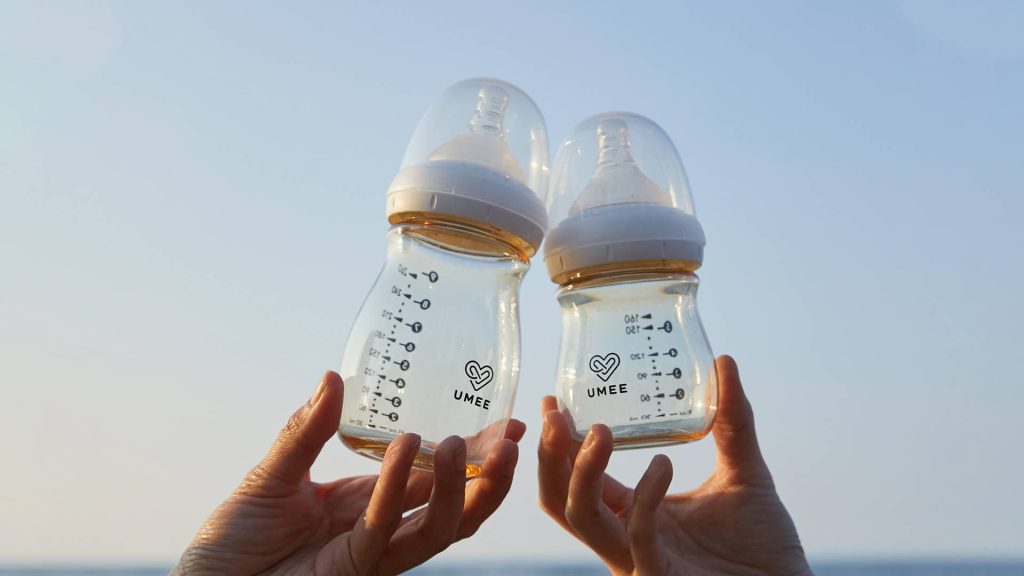
Plastic baby bottles are important for feeding babies. But parents often ask, how often should they be replaced? This question is very important. Using old or damaged bottles can be unsafe for babies. In this article, we will talk about when and why to replace plastic baby bottles.
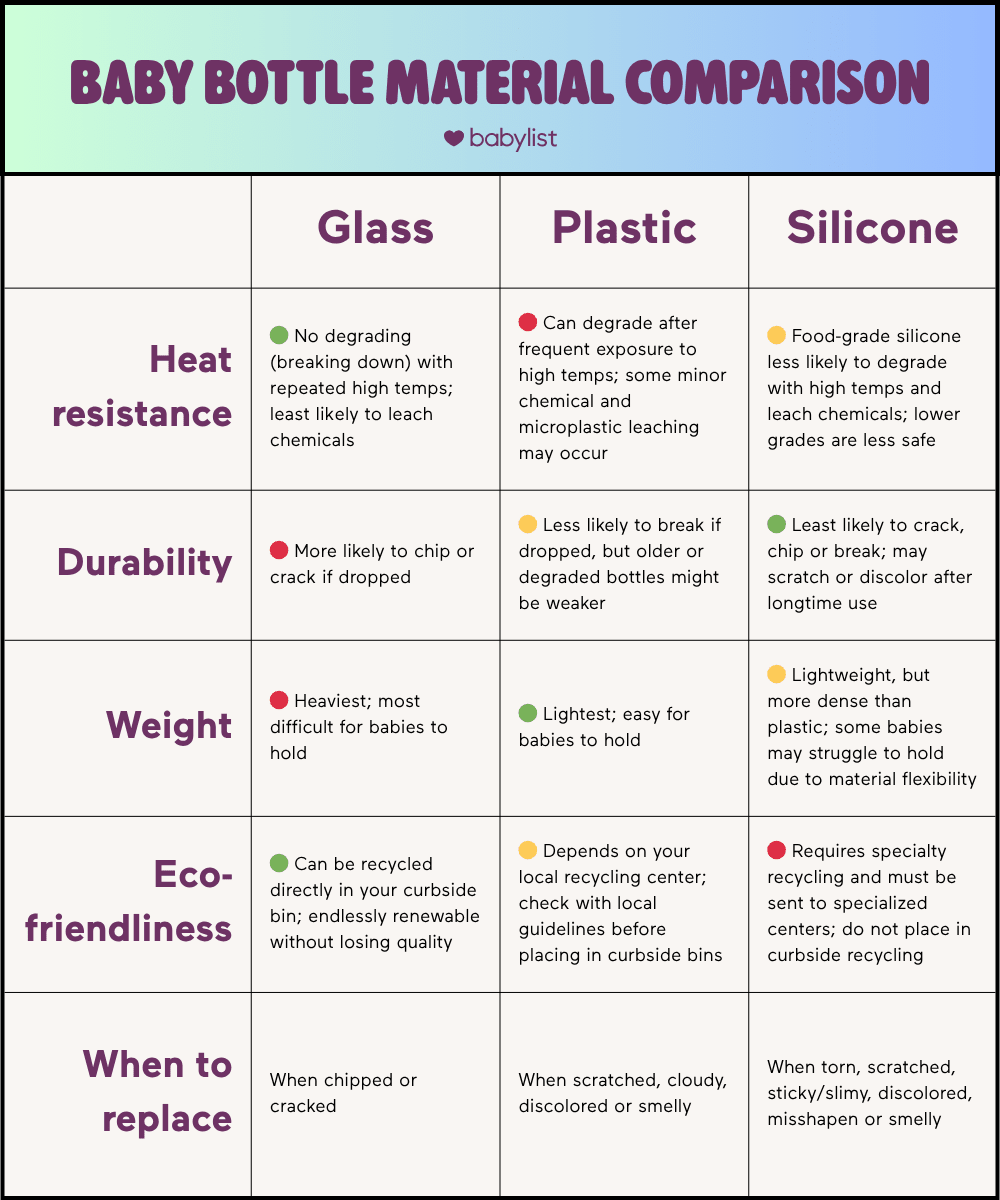
Credit: www.babylist.com
Why Replace Plastic Baby Bottles?
Plastic bottles can get old and worn out. Over time, they can develop small cracks or scratches. These damages can hide germs and bacteria. Babies can get sick if bottles are not clean or are broken.
Also, some plastics can release harmful chemicals after long use. Babies are sensitive to chemicals. It is safer to use bottles that are in good condition.
So, replacing plastic baby bottles regularly is important. It keeps babies safe and healthy.
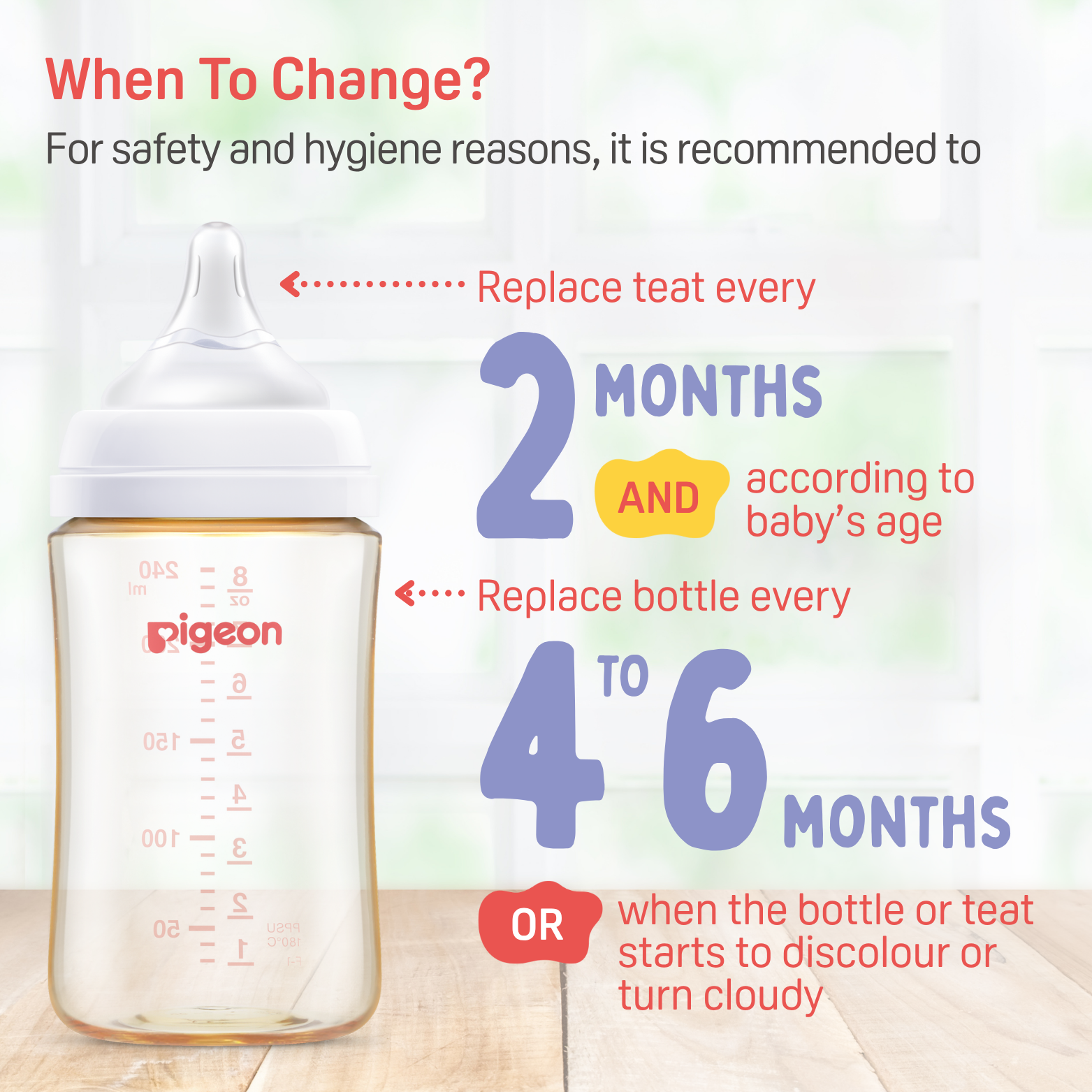
Credit: pigeon.com.my
Signs You Need to Replace Plastic Baby Bottles
How do you know when it is time to get a new bottle? Here are some signs to watch for:
- Cracks and scratches: Look closely at the bottle surface. If you see cracks or many scratches, it is time to replace the bottle.
- Cloudy or discolored bottles: If the bottle changes color or looks cloudy, it means it is old.
- Leaks: If the bottle leaks when you fill it, the seal may be broken. Replace it.
- Smell: If the bottle smells strange or bad even after cleaning, it is better to get a new one.
- Wear on the nipple: The nipple can tear or become sticky. Change it when you see damage.
How Often Should You Replace Plastic Baby Bottles?
There is no exact rule. But here are some simple guidelines:
- Every 3 to 6 months: Replace bottles every few months even if they look okay. This helps avoid germs and damage.
- When you see damage: Replace bottles immediately if you see cracks, scratches, or leaks.
- Change nipples often: Nipples wear out faster. Change them every 1 to 2 months or if damaged.
- Follow the brand’s advice: Some brands give instructions on replacement. Always follow them.
Remember, bottles used for formula may need changing more often. Formula can leave residue and stains.
How to Take Care of Plastic Baby Bottles
Good care helps bottles last longer. Here are tips to keep bottles clean and safe:
- Wash bottles right after use: Clean with warm water and soap.
- Use a bottle brush: It cleans inside better.
- Sterilize bottles: Boil or use a sterilizer often, especially for newborns.
- Avoid harsh cleaners: Use mild soap only.
- Do not use rough scrubbing: It can scratch the bottle.
- Dry bottles well: Keep them dry to stop mold growth.
- Store bottles safely: Keep bottles in a clean, dry place.
Are Plastic Bottles Safe for Babies?
Parents worry about chemicals in plastic bottles. Some plastics have BPA, a chemical that can be harmful. But many brands make BPA-free bottles now. Always check the label to see if the bottle is BPA-free.
Using BPA-free bottles reduces risk. Still, replace bottles often. It keeps feeding safe and healthy.
Plastic vs. Other Types of Baby Bottles
Plastic bottles are light and not easy to break. This makes them popular. But there are other types:
| Type | Advantages | Disadvantages | Replacement Frequency |
|---|---|---|---|
| Plastic | Lightweight, inexpensive, unbreakable | Can scratch, may release chemicals if old | Every 3-6 months or when damaged |
| Glass | Safe, easy to clean, no chemicals | Heavy, can break easily | Replace if broken or chipped |
| Silicone | Flexible, safe, heat resistant | Can tear or deform | Replace if damaged or worn |
Each type has pros and cons. Plastic bottles are good but need care and replacement.
Tips for Buying New Plastic Baby Bottles
When buying new bottles, keep these points in mind:
- Choose BPA-free bottles for safety.
- Look for bottles easy to clean and sterilize.
- Pick the right size for your baby’s age.
- Check for bottles with soft nipples.
- Buy from trusted brands or stores.
Frequently Asked Questions
How Often Should Plastic Baby Bottles Be Replaced?
Plastic baby bottles should be replaced every 3 to 6 months for safety and hygiene.
Can Worn-out Bottles Harm My Baby’s Health?
Yes, cracks and scratches can harbor bacteria, risking your baby’s health.
What Signs Show A Bottle Needs Replacement?
Look for cracks, discoloration, or a strong plastic smell to know it’s time.
Is Bpa-free Plastic Safer For Baby Bottles?
BPA-free plastics reduce risk but still need regular replacement to stay safe.
Conclusion
Plastic baby bottles are very useful. But they need to be replaced regularly. Check bottles often for damage. Replace them every 3 to 6 months or sooner if needed.
Taking care of bottles keeps your baby safe. Clean and sterilize bottles after each use. Use BPA-free bottles to avoid chemicals.
By following these simple steps, you protect your baby’s health. Healthy feeding means happy babies.