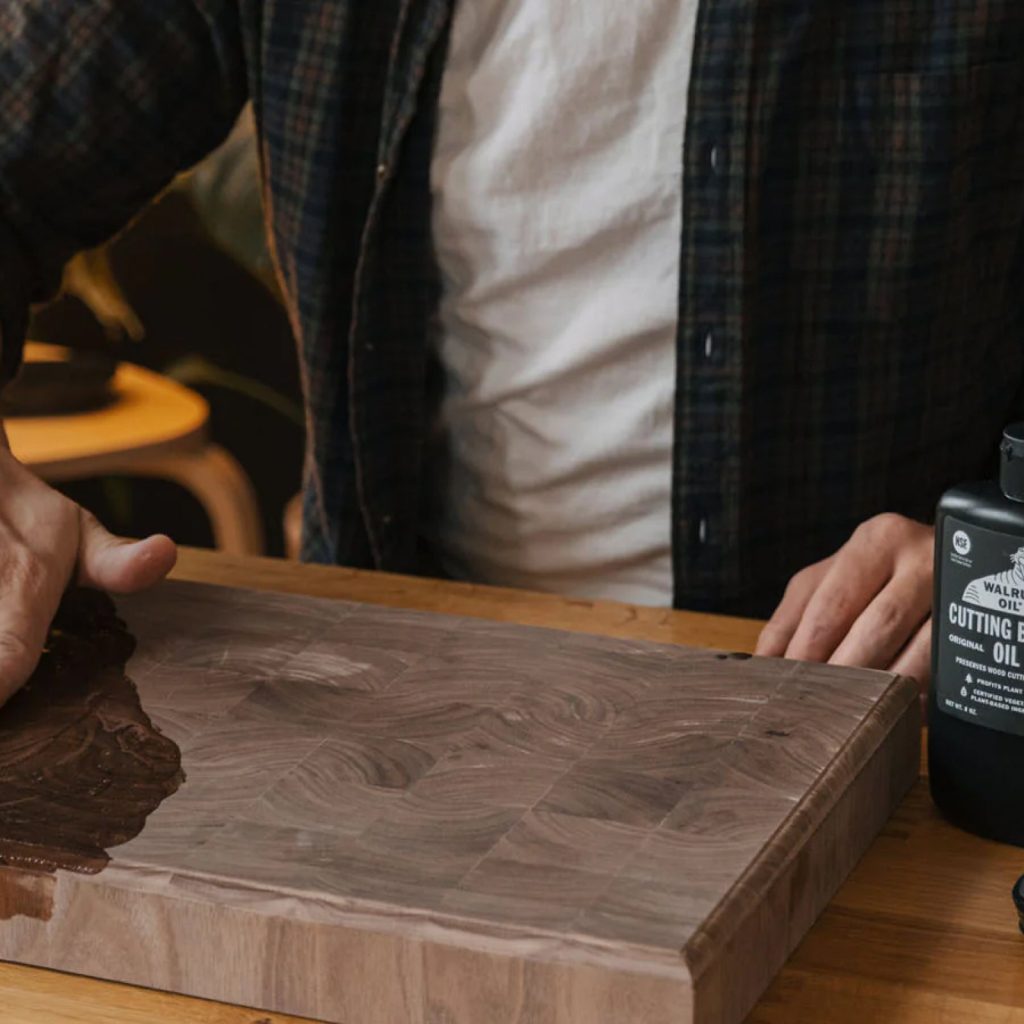
Are you tired of your cutting board drying out, cracking, or looking worn too quickly? Giving your cutting board the right care can make all the difference.
Oil cutting board treatment is a simple step that keeps your board strong, smooth, and safe to use. You’ll discover how oiling your cutting board can protect it from damage, extend its life, and even make your kitchen work feel easier.
Keep reading to learn the easy, effective way to care for your cutting board like a pro.
Credit: www.homehardware.ca
Benefits Of Oil Treatment
Applying oil to a cutting board helps keep it strong and safe to use. The oil soaks into the wood and protects it from damage.
Wood boards need care to last longer. Oil treatment offers simple ways to improve their durability and appearance.
Increased Water Resistance
Oiling a cutting board creates a barrier that stops water from soaking in. This keeps the wood dry and clean.
- Prevents water stains and spots
- Reduces the chance of bacteria growth
- Keeps the board from swelling or warping
- Makes cleaning easier and faster
Prevention Of Cracks And Splits
Regular oiling keeps the wood from drying out. This helps avoid cracks and splits that can ruin the board.
| Effect | Without Oil | With Oil Treatment |
| Wood Moisture | Low, dries quickly | Maintained, stays hydrated |
| Cracks and Splits | Common over time | Rare and less severe |
| Board Longevity | Shorter life span | Lasts much longer |
Types Of Oils Used
Oiling cutting boards keeps them safe and long-lasting. It stops the wood from drying out and cracking.
Different oils work well on cutting boards. Each has its own benefits and uses.
Mineral Oil
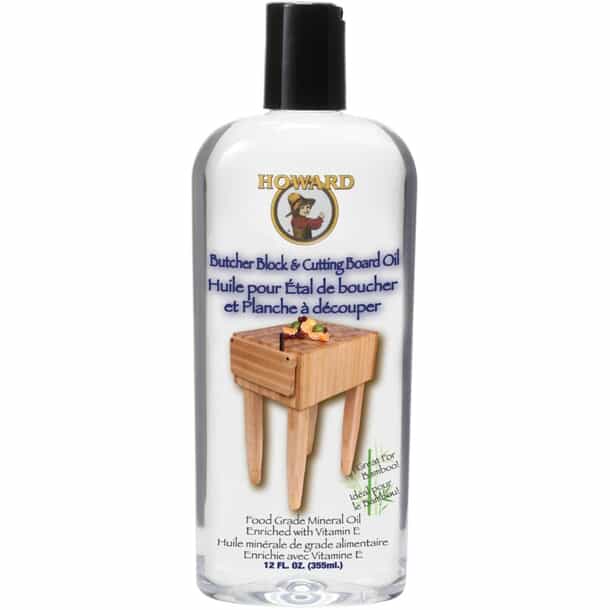
Mineral oil is a popular choice for cutting boards. It is colorless, odorless, and safe for food contact.
This oil soaks into the wood and protects it from water damage. It also helps keep the board smooth.
- Food-grade mineral oil is preferred
- It is easy to apply and dries quickly
- Needs regular reapplication to stay effective
Natural Plant Oils
Natural plant oils like coconut and walnut oil are also used. They soak into wood and give a nice finish.
Some plant oils can go rancid over time. Choose oils that do not spoil quickly for better results.
- Coconut oil offers good water resistance
- Walnut oil is rich and penetrates well
- Be cautious of allergies with nut oils
Specialty Cutting Board Oils
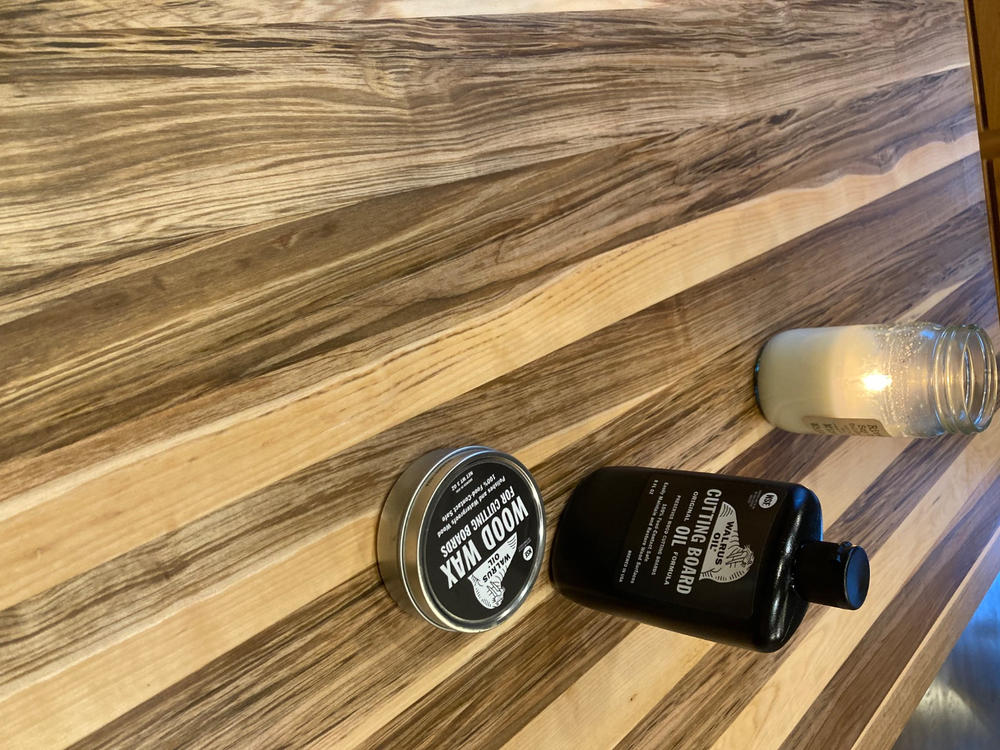
Specialty oils combine mineral and plant oils. They often add beeswax or other natural waxes for extra protection.
These oils create a strong barrier against moisture and stains. They also keep the wood looking fresh.
- Mixes of oil and wax improve durability
- Easy to apply and maintain
- Provide longer-lasting protection
Application Techniques
Applying oil to your cutting board keeps it in good shape. Proper oiling stops the wood from drying out. It also protects against stains and cracks.
Learn how to apply oil correctly with these simple techniques. Follow the steps for initial seasoning and regular care.
Initial Seasoning Process
Start by cleaning your cutting board well. Use warm water and mild soap. Dry it completely before oiling.
- Apply a generous amount of food-safe mineral oil.
- Spread the oil evenly with a clean cloth or brush.
- Let the oil soak in for several hours or overnight.
- Wipe off any excess oil with a dry cloth.
- Repeat if the board looks dry or dull.
Regular Maintenance Tips
Keep your board healthy by oiling it often. This prevents cracking and warping over time.
| Maintenance Action | Frequency | Notes |
| Clean with mild soap and water | After each use | Do not soak or put in dishwasher |
| Apply mineral oil | Once a month | More often if board looks dry |
| Use beeswax or board cream | Every 3 months | Provides extra protection |

Credit: ca.maisonrodin.com
Impact On Food Safety
Using an oil cutting board can improve food safety in your kitchen. It helps keep your cutting surface cleaner for longer.
This type of board can reduce risks linked to bacteria and harmful substances. It creates a safer environment for food preparation.
Reduction Of Bacterial Growth
Oil cutting boards prevent bacteria from growing quickly. The oil creates a barrier that stops moisture from seeping in.
This barrier makes it hard for bacteria to survive on the board’s surface. It lowers the chance of food contamination.
- Prevents water absorption
- Limits bacteria spread
- Keeps surface dry and safe
Avoiding Harmful Chemicals
Oil cutting boards often use natural oils like mineral oil. These oils are safe and do not release harmful chemicals.
Using natural oils avoids the risk of toxic substances mixing with food. This keeps your meals healthier and safer.
- No toxic chemicals
- Safe for food contact
- Natural oil protection
Choosing The Right Cutting Board
Picking a good cutting board is important for your kitchen. A well-chosen board lasts longer and stays safe for food.
Oiling cutting boards helps keep them in good shape. But some boards work better with oil than others.
Wood Types Compatible With Oil Treatment
Wood boards absorb oil well and stay strong. Hardwoods are best for oil treatment. They resist water and cuts.
Common woods that work well with oil are maple, walnut, and cherry. They have tight grains that hold oil better.
- Maple is tough and light-colored
- Walnut is dark and smooth
- Cherry has a warm reddish tone
- Teak is oily naturally and water-resistant
Avoiding Plastic And Composite Boards
Plastic and composite boards do not absorb oil. This can make them less durable over time.
These boards may crack or warp easily. They also do not get the protective benefits of oil.
- Plastic boards can develop deep scratches
- Composite boards often contain resins
- Both types need more frequent replacement
- Oiling does not improve their lifespan
Common Mistakes To Avoid
Oiling your cutting board keeps it strong and safe. Many people make mistakes that can harm the board.
Learn what to avoid to keep your cutting board in good shape for years.
Over-oiling
Putting too much oil on your board can cause problems. The wood may stay sticky and not dry well.
Oiling too often wastes oil and can make the board soft or cracked over time.
- Use a small amount of oil at a time
- Let the oil soak in before adding more
- Oil only when the board looks dry or dull
Using The Wrong Oil Types
Some oils can spoil or turn sticky on cutting boards. Avoid oils that go bad quickly.
Choose oils that keep the wood safe and dry, without smells or stickiness.
- Avoid cooking oils like vegetable or olive oil
- Use food-safe mineral oil or special cutting board oil
- Do not use oils that can become rancid over time
Credit: walrusoil.com
Frequently Asked Questions
What Is The Best Oil For Cutting Boards?
The best oil for cutting boards is food-grade mineral oil. It is safe, odorless, and prevents wood from drying out. Regular application maintains the board’s condition and longevity. Avoid using vegetable or olive oils as they can turn rancid over time.
How Often Should I Oil My Cutting Board?
Oil your cutting board once a month or whenever it appears dry. Regular oiling prevents cracking and warping. If you use the board frequently, consider oiling it more often. Consistent maintenance ensures the board remains in good condition for longer.
Can I Use Coconut Oil On My Cutting Board?
Yes, you can use fractionated coconut oil on your cutting board. It remains liquid at room temperature and doesn’t go rancid. Avoid using regular coconut oil, as it can harden and become difficult to work with. Fractionated coconut oil nourishes and protects the wood effectively.
Why Is My Cutting Board Sticky After Oiling?
A sticky cutting board indicates excess oil was applied. Wipe off excess oil with a clean cloth. Allow the board to dry completely before using. Ensure you apply a thin layer of oil next time to avoid stickiness. Proper application ensures a smooth, non-sticky surface.
Conclusion
Oiling a cutting board keeps it strong and lasts longer. It stops cracks and warping from water damage. Regular oiling also makes cleaning easier and keeps the wood smooth. You only need simple tools and food-safe oil. This small step protects your board and improves kitchen hygiene.
Try to oil your board every few weeks. Your cutting board will stay fresh and ready to use. Simple care makes a big difference in its life.