Is your air conditioner not cooling like it used to? You might need to add Freon to get it back to its best.
Adding Freon can seem tricky, but with the right steps, you can do it yourself and save money. In this guide, you’ll learn exactly how to add Freon safely and effectively. Keep reading, and you’ll have your AC running cool again in no time.
Signs Your Ac Needs Freon
Your air conditioner uses Freon to cool your home. Freon is a coolant that helps remove heat from inside.
If your AC runs low on Freon, it may not cool well. Watch for signs that show Freon needs to be added.
Reduced Cooling Efficiency
If your AC takes longer to cool your home, it may lack Freon. The air may feel warmer than usual.
Low Freon means the system cannot remove heat well. This causes your energy bills to rise as the AC works harder.
Ice Formation On Coils
Ice can form on the AC coils if Freon is low. This happens because the system pressure drops and causes freezing.
Look for frost or ice on the outdoor unit or the evaporator coils inside. Ice blocks airflow and reduces cooling.
Hissing Or Bubbling Noises
Hissing or bubbling sounds near the AC unit may signal a Freon leak. These noises come from escaping gas or liquid.
Leaks reduce Freon levels and harm your system. If you hear these sounds, have a technician check your AC soon.

Credit: www.lochardplumbingheatingandcooling.com
Types Of Freon For Ac Units
Freon is the common name for the refrigerant used in air conditioners. It helps cool the air by absorbing heat. Different types of Freon work in different AC units.
Choosing the right Freon is important for your AC’s performance and safety. Two main types are R-22 and R-410A.
R-22 Vs R-410a
R-22, also called HCFC-22, was common in older AC units. It harms the ozone layer and is being phased out. R-410A is the newer, safer option. It does not damage the ozone and works better in new AC systems.
| Feature | R-22 | R-410A |
|---|---|---|
| Ozone Impact | High (damages ozone) | None (ozone-safe) |
| Pressure Level | Lower pressure | Higher pressure |
| Compatibility | Older AC units only | New AC units only |
| Availability | Being phased out | Widely available |
| Efficiency | Lower efficiency | Higher efficiency |
Choosing The Right Refrigerant
Pick the refrigerant that fits your AC unit. Using the wrong type can cause damage. Check your AC label or manual to see the recommended Freon.
- Do not mix R-22 with R-410A.
- Use R-22 only for older AC models.
- Use R-410A for newer, energy-efficient units.
- Consult a professional to handle Freon safely.
- Follow local laws about refrigerant use and disposal.
Tools And Materials Needed
Adding Freon to your air conditioner requires specific tools and materials. Using the right items ensures safety and effectiveness.
This guide covers the essential tools you need before starting the process.
Freon Canister
The Freon canister holds the refrigerant needed to refill your air conditioner. It is important to select the correct type for your system.
- Check the label for the right refrigerant type (e.g., R-22 or R-410A).
- Ensure the canister is sealed and undamaged.
- Keep the canister upright during use.
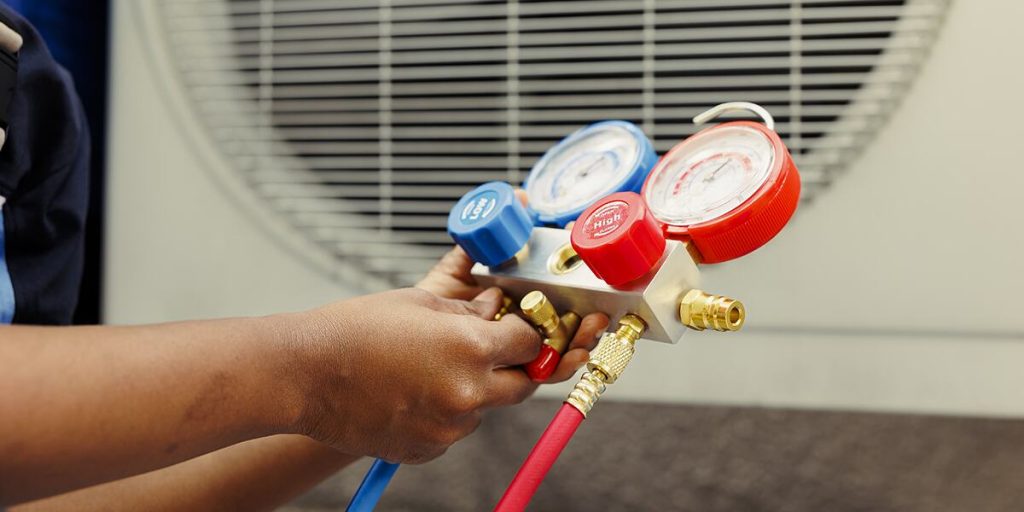
Pressure Gauge
A pressure gauge measures the pressure inside your air conditioner system. It helps you know when to stop adding Freon.
| Gauge Type | Use | Pressure Range |
| Low-Side Gauge | Measures low pressure | 0-60 PSI |
| High-Side Gauge | Measures high pressure | 0-500 PSI |
Safety Gear
Safety gear protects you while handling refrigerants. Always wear the right equipment to avoid injury.
- Safety goggles to protect your eyes.
- Gloves to prevent skin contact with chemicals.
- Long sleeves and pants to cover your skin.
- A mask to avoid inhaling fumes.
Credit: www.georgiaairrepair.com
Safety Precautions
Adding Freon to your air conditioner needs care and attention. Safety is very important to avoid harm and damage.
Follow rules to handle refrigerants safely and protect the environment.
Handling Refrigerants Safely
Freon is a chemical that can be dangerous. Use safety gear like gloves and goggles. Work in a well-ventilated area to avoid breathing fumes.
- Wear protective gloves and safety glasses
- Use a mask if working in a small space
- Keep fire sources away as Freon is flammable
- Do not release Freon into the air
- Follow local laws for handling and disposal
Avoiding Environmental Damage
Freon harms the ozone layer and pollutes air. Use only the correct amount to prevent leaks. Capture and recycle leftover refrigerant safely.
| Action | Reason |
| Check for leaks before adding Freon | Stops harmful gas from escaping |
| Use approved recycling equipment | Protects the environment |
| Dispose of empty containers properly | Prevents pollution |
| Follow local environmental rules | Ensures legal compliance |
Step-by-step Freon Refill Process
Adding Freon to your air conditioner helps it cool better. You need the right tools and safety steps. Follow these easy steps to refill Freon safely.
This guide shows how to locate the valve, connect the gauge, and add Freon correctly.
Locating The Service Valve
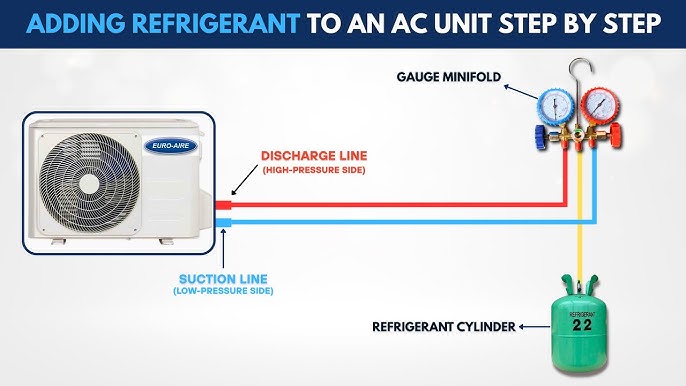
Find the service valve on your outdoor AC unit. It is usually near the compressor and looks like a small metal cap or knob. This valve lets you connect the Freon hose safely.
- Turn off the power to the AC unit.
- Look near the compressor for a capped valve.
- Remove the cap to access the valve.
- Wear gloves to protect your hands.
Connecting The Pressure Gauge
Attach the pressure gauge to the service valve to check Freon levels. This tool helps you know how much Freon to add.
- Make sure the valve is closed before connecting.
- Attach the gauge hose to the service valve securely.
- Turn on the AC unit to run for a few minutes.
- Read the pressure on the gauge to check the current Freon level.
Adding Freon Correctly
Use the pressure gauge reading to add the right amount of Freon. Adding too much or too little can damage the AC unit.
| Pressure Level | Action |
| Low | Add Freon slowly until normal pressure |
| Normal | No need to add Freon |
| High | Do not add Freon; check for other issues |
Open the service valve slowly to add Freon. Watch the gauge and close the valve once the pressure is correct. Replace the valve cap and turn off the AC unit power.
Checking System Pressure
Checking the pressure in your air conditioner is important before adding Freon. It helps ensure the system works safely and efficiently.
You need the right tools and knowledge to check the pressure correctly. This guide explains ideal pressure levels and how to use a gauge for accuracy.
Ideal Pressure Levels
Pressure levels vary depending on the type of Freon and outside temperature. Keeping pressure within the right range prevents damage.
| Temperature (°F) | Low Pressure (PSI) | High Pressure (PSI) |
| 60 | 55-65 | 180-210 |
| 70 | 60-70 | 190-220 |
| 80 | 65-75 | 200-230 |
| 90 | 70-80 | 210-240 |
Using The Gauge For Accuracy
Use a pressure gauge to read your system’s pressure. This tool shows if you need to add Freon or not.
- Attach the gauge to the low-pressure service port
- Turn on the air conditioner and let it run for 5 minutes
- Read the pressure level on the gauge dial
- Compare the reading to the ideal pressure chart
- Do not rely on guesswork; always use the gauge
Common Mistakes To Avoid
Adding Freon to your air conditioner needs care. Mistakes can harm the system or reduce cooling. Knowing what to avoid helps keep your AC safe and working well.
Read these common errors to protect your air conditioner and save money. Avoid these to get the best results from your Freon refill.
Overcharging The System
Putting too much Freon in your AC can cause damage. The system may freeze or work harder than needed. This leads to more wear and higher energy bills.
- Overfilling reduces cooling efficiency
- Excess pressure can damage compressor
- It may cause leaks or burst pipes
- Leads to costly repairs or system failure
Ignoring Leaks
Leaks let Freon escape and lower cooling power. Adding Freon without fixing leaks wastes money and harms the environment. Find leaks before refilling to keep the system sealed.
| Leak Problem | Effect | Solution |
| Small leak | Slow Freon loss | Use leak detector and repair |
| Large leak | Fast Freon loss and poor cooling | Call a technician for fix |
| Hidden leak | System damage over time | Regular maintenance checks |
Skipping Professional Help
Adding Freon yourself can be risky. Professionals have tools and knowledge to do it right. They avoid mistakes that can cause injury or damage.
Reasons to hire a professional:
- Proper Freon type and amount used
- Safe handling of chemicals
- Leak detection and system check
- Warranty protection on repairs
- Compliance with local laws

Credit: www.youtube.com
When To Call A Professional
Adding Freon to your air conditioner may seem easy. Still, some problems need expert help. Knowing when to call a professional saves time and money.
Experts can find hidden issues and fix them safely. Learn about the signs that require professional service below.
Complex Leaks
Small leaks can sometimes be fixed by adding Freon. Large or complex leaks need a professional technician. They have tools to detect hard-to-find leaks and repair them properly.
- Hissing sounds near the unit
- Oily spots on pipes or coils
- AC loses cooling power quickly
- Visible damage to refrigerant lines
System Repairs Beyond Refilling
Sometimes the problem is not just low refrigerant. Other parts may fail and need repair or replacement. Professionals know how to test the whole system for issues.
| Problem | Possible Cause | Need for Professional |
| Compressor not running | Electrical or mechanical failure | Yes |
| Frozen coils | Low refrigerant or airflow issues | Yes |
| Fan not spinning | Motor or capacitor failure | Yes |
| Odd smells | Mold or electrical issues | Yes |
Maintaining Your Ac After Refilling
After adding Freon to your air conditioner, regular care helps it work well. Good maintenance keeps your AC cool and efficient.
Simple steps like checking parts and cleaning filters can improve your AC’s life and save energy.
Regular Inspections
Look over your air conditioner often. Check for leaks, strange noises, or weak airflow. These signs show if your AC needs help.
Inspect electrical parts and connections. Loose wires can cause problems. Tighten or replace damaged parts quickly.
- Check refrigerant levels regularly
- Listen for unusual sounds
- Look for oil or refrigerant leaks
- Inspect electrical wiring and connections
- Ensure the thermostat works properly
Cleaning Air Filters
Dirty filters block airflow and reduce cooling. Clean or change filters every 1 to 3 months. This helps your AC run smoothly.
Use a vacuum or wash reusable filters with water. Let them dry before putting them back. Clean filters keep air fresh and cool.
- Turn off power before removing filters
- Vacuum or wash filters carefully
- Dry filters completely before reinstalling
- Replace filters if damaged or too dirty
- Set a schedule for regular cleaning
Frequently Asked Questions
How Do I Know When To Add Freon To Ac?
Signs include weak airflow, warm air, and ice buildup on coils. Low Freon causes poor cooling and higher energy bills. Check for leaks before adding Freon to avoid recurring issues.
What Tools Are Needed To Add Freon Safely?
You need a Freon gauge set, a refrigerant canister, safety goggles, and gloves. These tools help measure pressure accurately and protect you during the process. Proper equipment ensures safe and effective Freon addition.
Can I Add Freon To My Ac Myself?
Yes, if you have the right tools and knowledge. However, handling refrigerants requires caution and legal compliance. Consider hiring a certified HVAC technician for safety and efficiency.
What Type Of Freon Is Compatible With My Ac?
Check your AC unit’s label or manual for the recommended Freon type. Common types include R-22 and R-410A. Using the wrong Freon can damage your system and void warranties.
Conclusion
Adding Freon to your air conditioner can keep it cool and efficient. Always check the type and amount of Freon your unit needs. Use proper tools and safety steps to avoid harm. Regular maintenance helps your AC last longer and work better.
If unsure, ask a professional to help. Stay safe and keep your home comfortable all year.