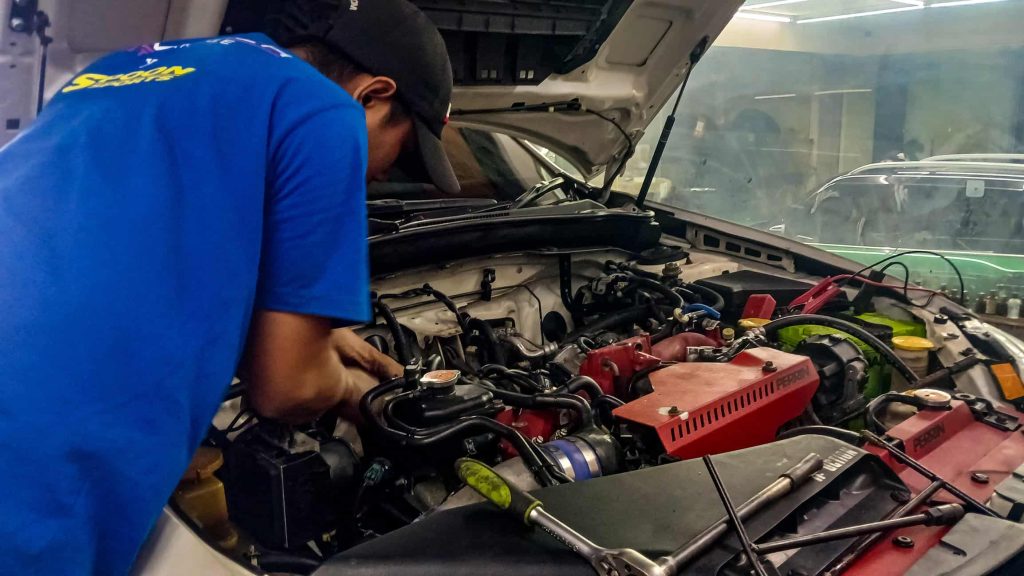
Are you passionate about cars and eager to turn that passion into a rewarding career? Becoming a Subaru mechanic could be the perfect path for you.
Imagine working hands-on with reliable, well-engineered vehicles while building skills that keep you in demand. You’ll discover clear, simple steps to start your journey, what skills you need, and how to stand out in this specialized field. Ready to take control of your future and dive into the world of Subaru mechanics?
Keep reading—your new career is closer than you think.
Career Path For Subaru Mechanics
The career path for Subaru mechanics offers steady growth and skill development. It starts with building a strong educational foundation. Gaining certifications improves job prospects. Practical experience leads to better opportunities. Understanding the steps can help plan a successful career in automotive repair, specifically for Subaru vehicles.
Required Education And Training
A high school diploma or GED is essential. Courses in math, physics, and electronics help. Many attend technical schools or community colleges. These programs teach automotive repair basics. Training focuses on engine systems, diagnostics, and safety. Hands-on practice is a key part of learning. Some schools offer Subaru-specific training courses.
Certifications And Licenses
Certification proves your skills to employers. The National Institute for Automotive Service Excellence (ASE) offers widely recognized tests. Earning ASE certification in engine repair, brakes, and electrical systems is important. Subaru also provides factory training and certifications. These show expertise with Subaru models. A valid driver’s license is usually required.
Entry-level Job Opportunities
Entry-level roles help build experience. Positions include apprentice mechanic or service technician. Many start at general auto repair shops or dealerships. Subaru dealerships often hire new technicians. These jobs involve routine maintenance and simple repairs. On-the-job training improves skills. This experience opens doors to advanced mechanic roles.
Essential Skills For Subaru Mechanics
Becoming a skilled Subaru mechanic requires mastering several key abilities. These skills ensure efficient repair and maintenance of Subaru vehicles. Understanding specific systems helps diagnose problems faster. A strong foundation in engine, transmission, and electrical systems is vital. Mechanics also need to apply precise diagnostic and repair techniques. These skills build confidence and trust with customers.
Engine And Transmission Knowledge
Subaru engines have unique features like the boxer layout. Knowing how these engines work improves repair accuracy. Transmission systems, including CVTs, need special attention. Understanding gear shifts and fluid types is important. Mechanics must be familiar with Subaru’s AWD system. This knowledge helps maintain vehicle performance and safety.
Electrical Systems Expertise
Modern Subaru cars use complex electrical systems. Mechanics must read wiring diagrams and use diagnostic tools. Skills in battery, alternator, and starter repairs are essential. Understanding sensors and control modules improves troubleshooting. Electrical knowledge ensures quick fixes and prevents future issues.
Diagnostic And Repair Techniques
Effective diagnosis saves time and money. Mechanics use scan tools to find error codes. They test components step-by-step to pinpoint faults. Repair skills include parts replacement and system calibration. Keeping up with Subaru updates helps maintain repair quality. Clear communication with customers about repairs builds trust.
Hands-on Experience And Apprenticeships
Hands-on experience and apprenticeships are key to becoming a skilled Subaru mechanic. Practical work deepens your knowledge beyond textbooks. It helps you understand real-world vehicle issues and repair techniques.
Apprenticeships provide a chance to work alongside experienced mechanics. You learn how to use tools, diagnose problems, and perform repairs. This training builds confidence and expertise needed in a busy workshop.
Finding Apprenticeship Programs
Start by searching for local auto repair shops that specialize in Subaru vehicles. Many dealerships offer apprenticeship programs. Technical schools also partner with shops to provide placements.
- Visit Subaru dealerships and inquire about apprenticeship openings.
- Check automotive school bulletin boards for program listings.
- Use online job boards to find apprenticeship opportunities.
Apply early and prepare a resume highlighting any automotive experience. Show eagerness to learn and work hard.
Gaining Practical Workshop Skills
Hands-on tasks include:
- Performing routine maintenance like oil changes and tire rotations.
- Diagnosing engine and electrical issues using diagnostic tools.
- Replacing worn parts such as brakes, belts, and filters.
- Learning safety protocols and efficient workshop habits.
Practice sharpens your abilities and reduces errors. Ask mentors for feedback and guidance regularly.
Building A Professional Network
Networking connects you with professionals who can support your career. Attend industry events, workshops, and Subaru owner meetups. Join online forums focused on Subaru repair.
- Talk to experienced mechanics and ask for advice.
- Connect with suppliers and parts distributors.
- Keep in touch with apprenticeship supervisors after training.
A strong network opens doors to job offers and further learning.
Advanced Subaru Technologies
Subaru has pushed the boundaries of automotive technology, making it essential for aspiring Subaru mechanics to understand their advanced systems. These technologies are more than just cool features—they affect how you diagnose, repair, and maintain vehicles. Mastering these areas will set you apart and prepare you for the future of car mechanics.
Hybrid And Electric Vehicle Systems
Subaru’s hybrid and electric models combine traditional engines with electric motors, creating a unique powertrain layout. You need to grasp battery management, regenerative braking, and electric motor functions to service these vehicles properly.
Working on high-voltage systems requires safety knowledge and specialized tools. Have you considered how handling these systems changes your approach to diagnostics? Understanding these systems means you can troubleshoot both mechanical and electrical issues effectively.
Adas And Safety Features
Advanced Driver Assistance Systems (ADAS) like adaptive cruise control, lane-keeping assist, and pre-collision braking are standard on many Subaru models. These features rely on cameras, radar, and sensors that must be calibrated correctly after repairs.
Failing to calibrate ADAS components can lead to safety risks and unhappy customers. Do you know how to use calibration tools and interpret sensor data? Keeping up with the latest ADAS technology is critical for accurate repairs and maintaining Subaru’s safety reputation.
Software And Ecu Programming
Modern Subarus depend heavily on software to control engine performance, transmission, and various comfort features. Learning to program and update Electronic Control Units (ECUs) is a key skill for any Subaru mechanic.
Software updates can fix bugs, improve fuel efficiency, or add features without changing hardware. Are you prepared to use Subaru’s diagnostic software and tools for ECU programming? This knowledge ensures you can provide precise and up-to-date vehicle service.
Tools And Equipment For Subaru Mechanics
Being a Subaru mechanic means having the right tools at your fingertips. Your efficiency and accuracy depend heavily on the equipment you choose. Let’s break down what you need to handle Subaru vehicles with confidence and skill.
Essential Hand And Power Tools
Basic hand and power tools form the backbone of your toolkit. Wrenches, screwdrivers, and pliers are everyday essentials you’ll use constantly. Invest in quality ratchets, torque wrenches, and impact drivers to save time and avoid stripped bolts.
Power tools like cordless drills and grinders speed up many repair tasks. A good set of sockets in both metric and SAE sizes helps you tackle a wide range of Subaru components. Don’t overlook specialty screwdrivers for those tricky fasteners under the hood.
Diagnostic Devices
Modern Subaru models rely heavily on electronic systems. Diagnostic tools allow you to read error codes and monitor real-time data from the car’s computer. A reliable OBD-II scanner is a must-have, but consider investing in Subaru-specific diagnostic software for deeper insights.
Some advanced devices let you perform active tests, reset maintenance lights, and calibrate sensors. These capabilities can cut down guesswork and prevent unnecessary part replacements. How often do you rely on tech to solve mechanical puzzles in your work?
Specialized Subaru Tools
Subaru vehicles have unique designs and components that require special tools. For example, the Subaru Head Bolt Socket and Camshaft Holding Tool are crucial when working on the boxer engine. These tools keep parts aligned and prevent damage during repairs.
Other specialized equipment includes timing belt tensioners and wheel alignment tools tailored for Subaru models. Using the right tool not only protects your work but also ensures the vehicle’s safety and performance. Have you noticed how the correct tool can make a complex job feel straightforward?

Credit: www.subaru.com
Career Growth And Specializations
Career growth and specializations in the Subaru mechanic field offer many paths to advance your skills and increase your value in the automotive industry. As you gain experience, you can focus on mastering complex systems, specialize in niche areas, or take advantage of opportunities within Subaru dealerships. These options allow you to tailor your career to your interests and strengths.
Becoming A Master Technician
Achieving Master Technician status means you have a deep understanding of Subaru vehicles and can diagnose and repair even the most challenging problems. This level requires continuous learning and passing specialized certification exams. Consider setting milestones for yourself—each certification you earn not only boosts your confidence but also your earning potential.
Have you ever felt stuck fixing the same issues repeatedly? Becoming a Master Technician can break that cycle by pushing you to tackle new challenges every day.
Specializing In Performance Tuning
Performance tuning is a popular specialization for Subaru mechanics who enjoy optimizing engines and enhancing vehicle performance. This path involves learning about aftermarket parts, ECU programming, and custom modifications. If you love pushing cars to their limits and working with enthusiasts, this specialization could be highly rewarding.
Think about how your passion for high-performance cars can turn into a profitable skill. Would you rather fix standard repairs or help customers create their dream Subaru?
Opportunities In Subaru Dealerships
Working at a Subaru dealership offers access to the latest tools, training programs, and technology directly from the manufacturer. Dealership mechanics often receive ongoing education to stay updated on Subaru’s newest models and systems. This environment can provide job stability and chances for promotion into supervisory or diagnostic specialist roles.
Ask yourself if you want to be part of a team that directly supports Subaru owners and benefits from official training. Dealerships also often offer benefits like health insurance and retirement plans, which are important for long-term career security.
Maintaining Skills And Continuing Education
Keeping your skills sharp as a Subaru mechanic is more than just a necessity—it’s a commitment to your craft and your customers. The automotive world evolves quickly, especially with Subaru’s unique engineering. Staying updated ensures you can diagnose and repair efficiently, avoiding costly mistakes and building trust with every job.
Attending Workshops And Seminars
Workshops and seminars offer hands-on experience with the latest Subaru models and technologies. These events often cover new diagnostic tools, repair techniques, and safety protocols. Imagine working on a new hybrid engine without prior training—how confident would you feel? Regularly attending these sessions boosts your confidence and keeps you ahead of the curve.
Look for local training centers or Subaru-sponsored events. Sometimes, these workshops provide certifications that enhance your resume. Plus, you’ll meet peers who share tips and challenges, turning learning into an engaging, real-world experience.
Subaru Technical Bulletins And Updates
Subaru releases Technical Service Bulletins (TSBs) to address common issues and updates on their vehicles. These bulletins are gold mines for mechanics wanting to fix problems faster and more accurately. Have you ever encountered a recurring issue that seemed unsolvable? A TSB might hold the key.
Make it a habit to check Subaru’s official channels regularly. Subscribing to email alerts or accessing online databases ensures you won’t miss critical updates. Staying informed here can save you hours of trial and error, making your work smoother and more precise.
Joining Professional Associations
Professional associations like the Automotive Service Association (ASA) or Subaru-specific groups connect you with industry leaders and resources. Membership often grants access to exclusive training, tools, and networking opportunities. Have you considered how a strong professional network could open doors to better jobs or mentorship?
Being part of these groups also shows clients and employers your dedication to excellence. Many associations offer continuing education credits and certifications that prove your commitment to staying skilled. This can set you apart in a competitive job market and build your reputation as a trusted Subaru mechanic.

Credit: www.subaru.com
Job Search And Interview Tips
Landing a job as a Subaru mechanic requires more than just technical skills. How you present yourself during your job search and interview can make all the difference. Knowing how to highlight your expertise and communicate effectively can help you stand out from other candidates.
Crafting A Strong Resume
Your resume is often the first impression you make. Focus on showcasing hands-on experience with Subaru vehicles specifically, such as familiarity with their boxer engines or AWD systems.
Use bullet points to list relevant certifications like ASE or Subaru-specific training. Include measurable achievements, such as “Reduced diagnostic time by 20% on Subaru models.”
Keep it concise—aim for one page if possible. Tailor your resume for each application by matching keywords from the job description. Have you checked if your resume passes through applicant tracking systems?
Preparing For Technical Interviews
Technical interviews will test your knowledge of Subaru mechanics and problem-solving skills. Review common issues with Subaru models, such as head gasket failures or turbocharger maintenance.
Practice explaining your diagnostic process clearly. Interviewers want to see how you approach problems, not just the correct answers.
Consider running mock interviews with a peer or mentor. This can help you identify gaps in your knowledge and improve your communication under pressure. What’s your strategy for staying calm during technical questioning?
Negotiating Salary And Benefits
Don’t shy away from negotiating your salary and benefits. Research the average pay for Subaru mechanics in your area to set realistic expectations.
Highlight your specialized skills and certifications as leverage. Benefits like paid training, tool allowances, or flexible hours can be just as important as salary.
Be prepared to explain why you deserve your ask with examples of past successes or unique expertise. What benefits matter most to you, and have you considered how to discuss them confidently?
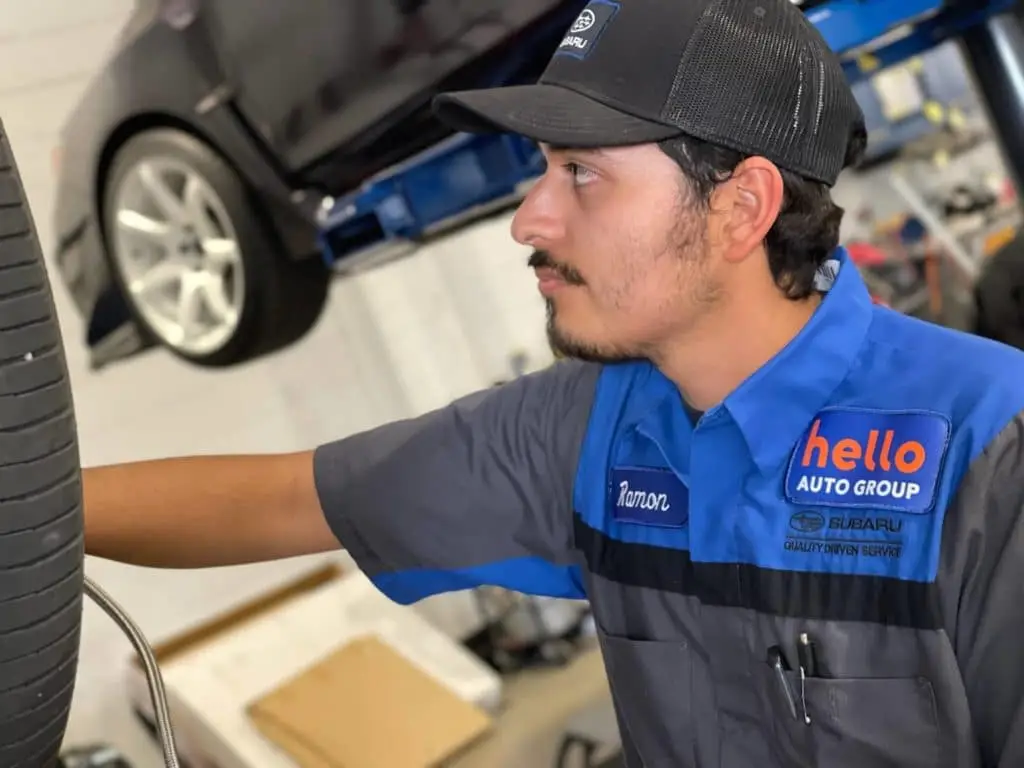
Credit: www.hellosubaruvalencia.com
Frequently Asked Questions
What Qualifications Do Subaru Mechanics Need?
Subaru mechanics typically need a high school diploma and automotive training. Certifications from the National Institute for Automotive Service Excellence (ASE) are advantageous. Specialized Subaru training programs, like Subaru University, provide brand-specific knowledge. Gaining hands-on experience through apprenticeships or entry-level positions can enhance skills and career prospects in this field.
How Long Does It Take To Become A Subaru Mechanic?
Becoming a Subaru mechanic usually takes two to four years. This includes completing automotive training programs and gaining experience. Specialized Subaru training can be achieved in a shorter time. Continuous learning and certifications, such as ASE, can further enhance career prospects and expertise.
Are There Online Courses For Subaru Mechanics?
Yes, online courses are available for aspiring Subaru mechanics. Subaru offers e-learning modules through their Subaru University program. These courses provide brand-specific knowledge and can supplement hands-on training. Additionally, various automotive platforms offer online courses for foundational automotive skills and certifications.
What Skills Are Essential For A Subaru Mechanic?
Essential skills for a Subaru mechanic include technical knowledge, problem-solving, and attention to detail. Communication skills are crucial for explaining issues to clients. Familiarity with diagnostic tools and software is important. Continuous learning and adaptability to new automotive technologies enhance a mechanic’s effectiveness and career growth.
Conclusion
Becoming a Subaru mechanic takes time and effort. Start with basic training and gain hands-on experience. Keep learning about Subaru models and their parts. Practice problem-solving and stay patient during repairs. Building skills step-by-step leads to success. This career offers steady work and chances to grow.
Stay focused, work hard, and enjoy fixing cars. Your journey as a Subaru mechanic can begin today.