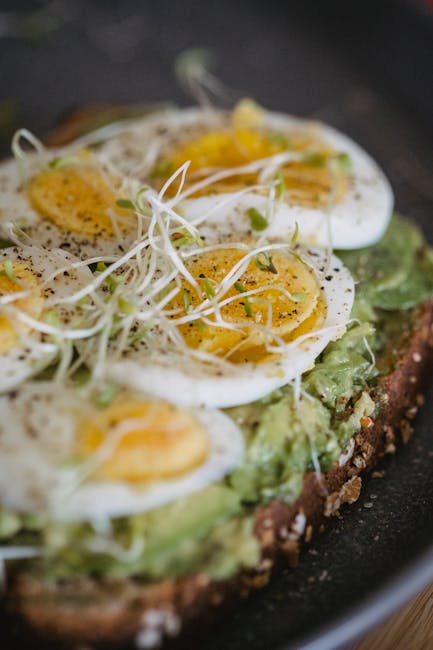
Boiling eggs in a microwave oven might sound unconventional, but it’s a game-changer for anyone seeking speed and convenience in the kitchen. Imagine waking up on a busy morning and craving a quick, nutritious breakfast.
You don’t have time to fuss with pots and boiling water. That’s where your microwave comes in. This simple appliance is about to become your best friend in the kitchen, helping you whip up perfectly boiled eggs in no time.
You’ll save precious minutes and avoid the mess of traditional boiling methods. Intrigued? Let’s dive into this surprisingly simple technique that will revolutionize your breakfast routine. You won’t believe how easy it is to enjoy perfectly cooked eggs with minimal effort. Ready to crack the code on microwave egg boiling? Keep reading to discover the steps that will make you a kitchen efficiency expert.
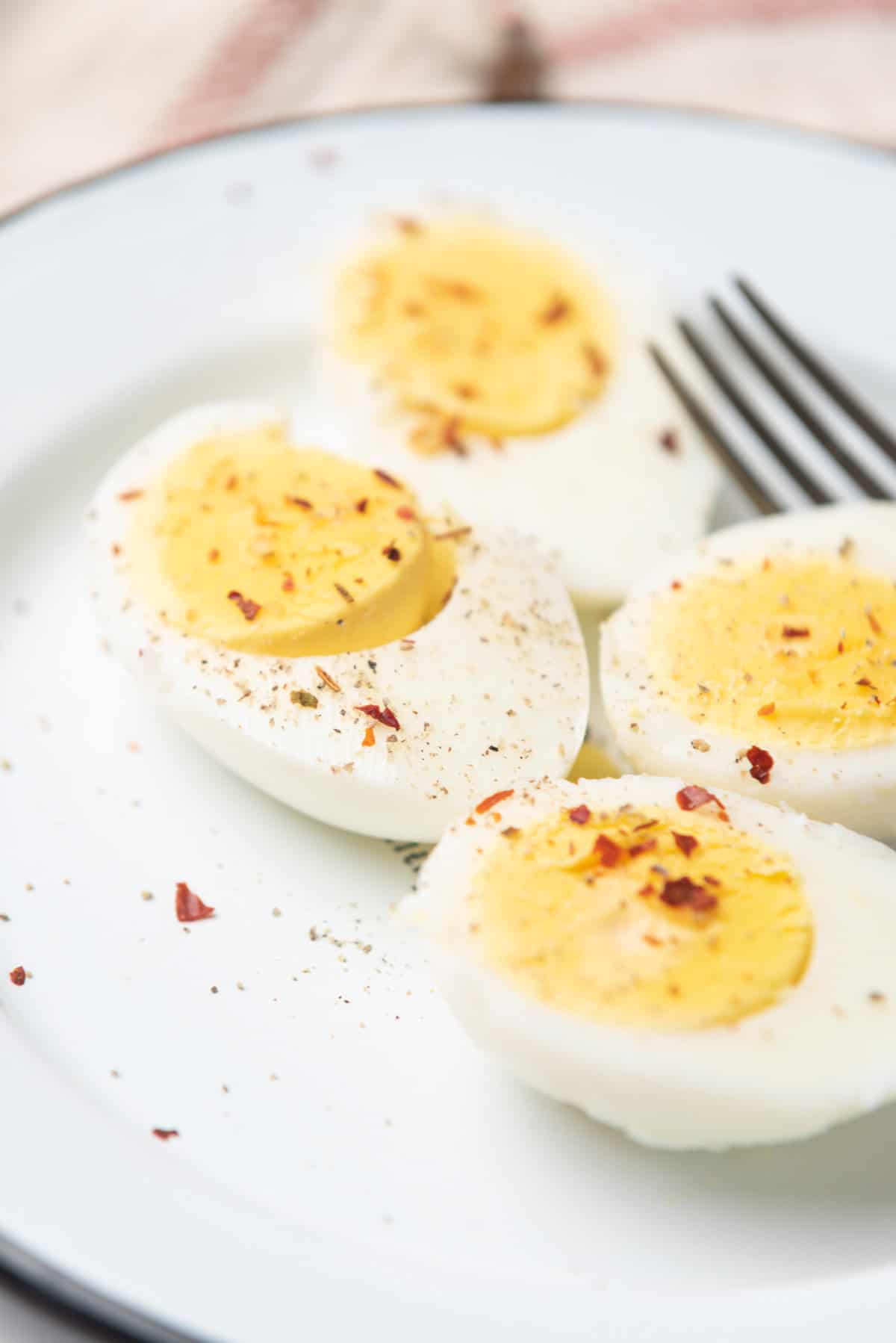
Credit: urbanfarmie.com
Choosing The Right Eggs
Choosing the right eggs is key to perfectly boiled eggs in your microwave oven. Not all eggs behave the same way when microwaved, so understanding their qualities can save you from unexpected messes or uneven cooking. Let’s look at how freshness and type influence your results.
Fresh Vs. Older Eggs
Fresh eggs tend to be harder to peel after boiling. This can be frustrating if you want smooth, easy-to-remove shells. Older eggs, on the other hand, have a slightly larger air pocket inside, which helps the shell separate more easily once cooked.
Think about the last time you boiled eggs on the stove. Did you notice peeling was simpler with eggs closer to their expiration date? That’s because as eggs age, moisture inside evaporates and the pH level increases, loosening the membrane.
However, fresh eggs might hold their shape better during microwaving, reducing cracks. So if you prefer a neat appearance, fresher eggs could work better. Ask yourself what matters more: ease of peeling or perfect shape?
Egg Size And Type
Eggs come in various sizes, from small to jumbo. Size affects cooking time—larger eggs need more time to cook evenly in the microwave. Using medium or large eggs is usually safest for consistent results.
Also, consider the type of egg. Organic, free-range, or conventional eggs don’t differ much in boiling behavior, but brown eggs sometimes have thicker shells. Thicker shells may require slight adjustments in cooking time or power.
Do you prefer the taste or texture of a specific egg type? Testing different sizes and types can help you find the perfect balance for your microwave boiling method. Keep a small notebook handy to jot down what works best.
Preparing Eggs For Microwaving
Preparing eggs for microwaving is a simple yet crucial step to ensure they cook evenly and safely. Without the right preparation, eggs can explode or cook unevenly, making your quick snack a messy affair. Taking a few moments to prepare your eggs properly will save you time and frustration.
Piercing The Shell
Before microwaving, gently pierce the eggshell with a pin or needle. This creates a small vent for steam to escape and prevents the egg from bursting inside the microwave.
Be careful not to crack the shell completely; just a tiny hole is enough. This small step can make a big difference in avoiding kitchen disasters.
Using A Microwave-safe Container
Place your eggs in a microwave-safe container filled with water. The water helps distribute heat evenly and prevents the eggs from overheating.
Choose a bowl or cup made of glass or microwave-safe plastic. Avoid metal containers, as they are unsafe for microwave use.
Adding a pinch of salt to the water can also help prevent the eggshells from cracking during cooking. Have you tried this simple trick before?
Microwave Settings And Timing
Getting the microwave settings and timing right is key to boiling eggs perfectly without the mess of cracked shells or rubbery whites. Each microwave is different, so understanding how to adjust power levels and cooking times can make all the difference. Have you ever been surprised by how quickly your egg overcooks or undercooks in the microwave? Let’s break down what works best.
Power Levels To Use
Microwaves don’t cook evenly at full power, especially with something as delicate as an egg. Using a medium power level helps the heat distribute more gently, reducing the risk of eggs exploding.
- 50% power (Medium):This is often the sweet spot for boiling eggs. It cooks the egg steadily, allowing the heat to penetrate without causing sudden steam build-up inside the shell.
- 70% power (Medium-high):Suitable if you want a slightly faster cook, but you’ll need to watch closely to avoid overcooking.
- Avoid 100% power:High power tends to heat unevenly and can cause eggs to crack or explode due to rapid steam formation.
Have you ever noticed that your microwave’s “medium” might be different from others? It’s worth experimenting a bit to find your ideal setting.
Recommended Cooking Times
The timing depends on the egg size and how you like your yolk. Here’s a simple guide you can start with, based on large eggs at medium power (50%):
| Egg Doneness | Cooking Time (at 50% power) | Notes |
|---|---|---|
| Soft boiled | 3 to 4 minutes | Yolk is runny, whites mostly set |
| Medium boiled | 4 to 5 minutes | Yolk is slightly creamy |
| Hard boiled | 6 to 7 minutes | Yolk fully cooked and firm |
Remember to let the eggs rest for a minute or two after microwaving. The residual heat finishes the cooking gently. What’s your preferred egg texture, and have you tried adjusting the time to get it just right?
Step-by-step Boiling Process
Boiling eggs in a microwave oven is quick and simple. Follow this step-by-step boiling process to get perfect eggs every time. Each step helps you avoid cracks and uneven cooking. Let’s break down the process into easy parts.
Filling Water And Adding Salt
Start with a microwave-safe bowl. Fill it with enough water to cover the eggs fully. Add a pinch of salt to the water. Salt helps prevent eggs from cracking during cooking. It also makes peeling easier after boiling.
Placing Eggs In Microwave
Gently place the eggs in the bowl. Make sure eggs do not touch each other or the bowl’s edges. This reduces the chance of breaking. Use a microwave-safe cover or plate to cover the bowl. This keeps steam inside and cooks eggs evenly.
Monitoring And Adjusting
Set the microwave on medium power. Cook the eggs for about 4 to 6 minutes. Check the eggs halfway through the cooking time. If needed, adjust the time to avoid overcooking or undercooking. Let eggs sit in hot water for a few minutes after cooking for best results.
Cooling And Peeling Tips
Cooling and peeling boiled eggs properly improves taste and texture. Cooling stops the cooking process quickly. It also makes eggs easier to handle and peel. Peeling eggs can be tricky, but simple tricks help remove the shell cleanly. Follow these tips for smooth peeling and perfect eggs.
Ice Bath Method
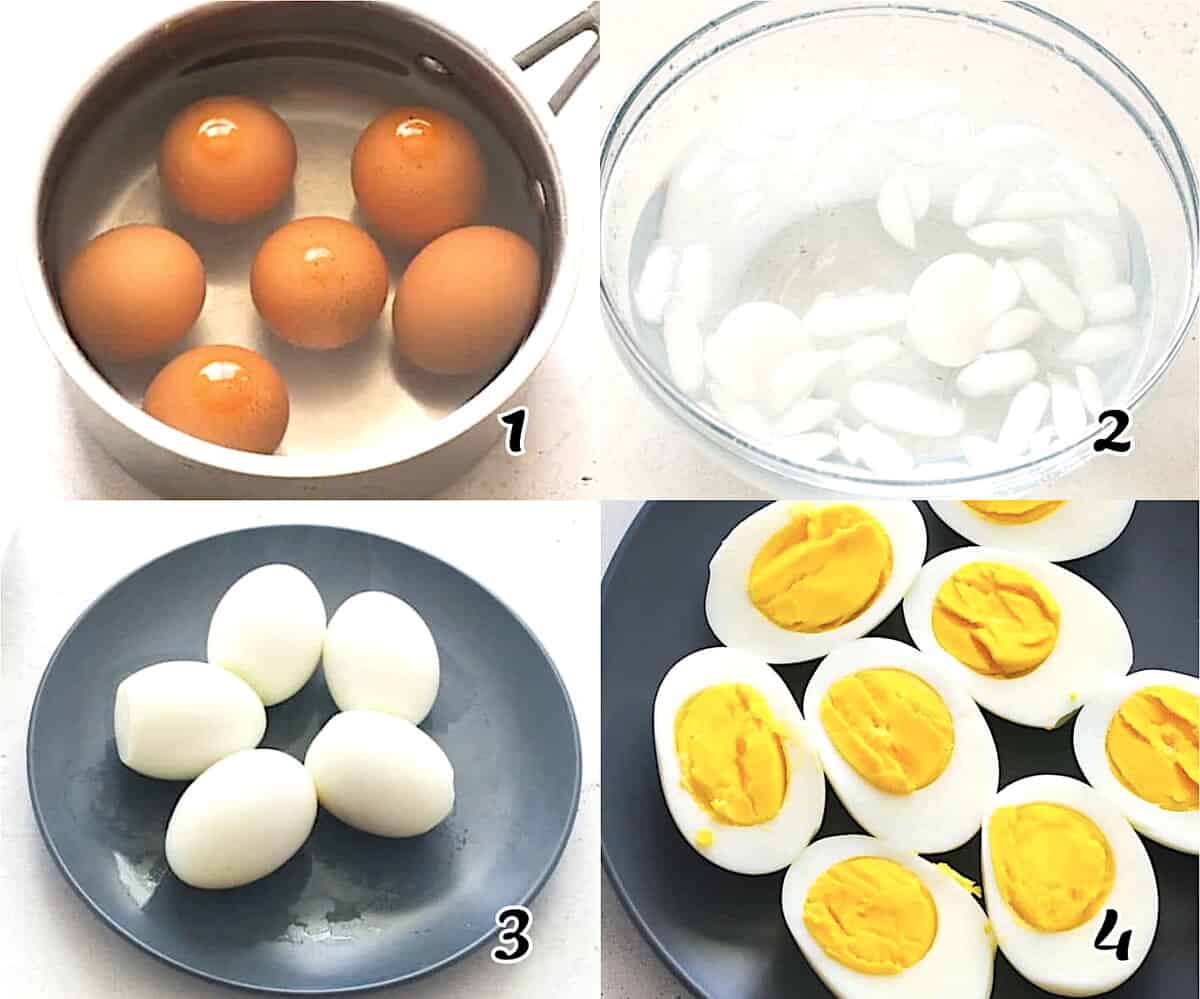
Place the eggs in a bowl of ice water right after microwaving. The cold water cools eggs fast. It stops further cooking inside. The cold causes the egg to shrink slightly from the shell. This creates a small gap that makes peeling easier. Leave eggs in the ice bath for about 5 to 10 minutes. Use a slotted spoon to remove eggs safely. Pat dry before peeling or storing.
Easiest Way To Peel
Tap the egg gently on a hard surface to crack the shell all around. Roll the egg lightly under your palm to loosen the shell. Start peeling from the wider end where the air pocket is. Peel under running water or dip the egg in water while peeling. Water helps remove tiny shell pieces and smooths the process. Use your fingernail or a spoon edge to lift stubborn shell bits. Peel carefully to keep the egg white smooth and intact.

Credit: keeshaskitchen.com
Troubleshooting Common Issues
Microwaving eggs might seem straightforward, but it often comes with challenges that can turn your quick snack into a mess. Knowing how to troubleshoot common issues will save you time and frustration. Let’s look at two main problems and how you can avoid them effectively.
Preventing Explosions
Eggs can explode in the microwave due to steam buildup inside the shell or even inside the yolk. This not only creates a mess but can also be dangerous. To prevent this, always pierce the egg yolk and white gently with a fork or toothpick before microwaving.
Using a microwave-safe container with a lid can help trap steam safely while allowing it to escape gradually. If you’re boiling eggs in water, make sure the water completely covers the eggs and add a pinch of salt to reduce the risk of bursting. Have you ever opened your microwave to find an unexpected explosion? That’s usually the steam trapped inside.
Avoiding Overcooked Eggs
Microwaves vary in power, so cooking times can easily lead to rubbery or overcooked eggs. To avoid this, start with shorter cooking intervals and check the eggs often. For example, try microwaving for 30 seconds, then check, and continue in 15-second bursts until done.
Another tip is to let the eggs sit covered for a minute or two after cooking. The residual heat finishes the cooking without turning the eggs tough. Have you noticed how quickly eggs can turn from perfect to rubbery? Timing is everything here.
Safety Precautions
Boiling eggs in a microwave oven requires careful attention to safety. Microwaves heat unevenly, and eggs can explode if not handled properly. Taking simple precautions keeps the cooking process safe and smooth. Understanding how to manage hot containers and the unique risks of microwaving eggs is essential.
Handling Hot Containers
Microwave-safe containers become very hot during cooking. Use oven mitts or thick cloth to remove containers. Avoid touching the container directly with bare hands. Let containers cool down before handling or washing. Place hot containers on heat-resistant surfaces to prevent damage.
Microwave Egg Safety
Never microwave eggs in their shells whole. Steam builds inside and causes explosions. Pierce the yolk or poke small holes in the egg white. Use a microwave-safe bowl with water to cook eggs safely. Cover the container with a microwave-safe lid or plate to trap steam. Stand back when opening the microwave to avoid steam burns.
Credit: www.africanbites.com
Alternative Microwave Egg Recipes
Eggs cook quickly in the microwave, making them perfect for fast meals. Beyond boiling, many recipes offer tasty ways to enjoy eggs using this appliance. These alternatives suit busy mornings or simple snacks. They also need minimal cleanup and few ingredients.
Microwave Scrambled Eggs
Microwave scrambled eggs come together in under two minutes. Beat eggs in a microwave-safe bowl with a fork. Add salt, pepper, and a splash of milk for fluffiness. Microwave for 30 seconds, stir gently, then cook another 30 seconds. Repeat until eggs set but stay moist. Serve with toast or fresh veggies for a quick meal.
Egg Muffins
Egg muffins are small, baked egg cups perfect for on-the-go. Whisk eggs and mix in chopped vegetables, cheese, or cooked meat. Pour the mixture into silicone muffin cups or a microwave-safe dish. Cook on high for about two to three minutes. Check for doneness by inserting a toothpick. Cool slightly, then enjoy warm or cold for a protein-packed snack.
Frequently Asked Questions
How Long To Boil Eggs In A Microwave?
Boil eggs in the microwave for 4 to 6 minutes. Use medium power and place eggs in a microwave-safe bowl with water. Adjust time based on egg size and microwave wattage for best results.
Can I Boil Eggs Without A Microwave-safe Container?
No, always use a microwave-safe container to boil eggs. It prevents cracking and ensures even cooking. Avoid metal containers as they cause sparks and damage your microwave.
How To Prevent Eggs From Exploding In Microwave?
Piercing the eggshell or using water prevents explosions. Cover eggs with water and add a pinch of salt. Use a microwave-safe lid or plate to avoid mess.
Is Microwave Boiling Faster Than Stovetop Boiling?
Yes, microwave boiling is faster and convenient. It saves time and uses less energy. However, monitor closely to avoid overcooking or egg bursts.
Conclusion
Boiling eggs in a microwave saves time and effort. It’s quick and simple with the right steps. Use a microwave-safe bowl and water to avoid accidents. Keep an eye on cooking time to prevent overcooking. This method works well for busy mornings or snacks.
Try it yourself and enjoy easy, boiled eggs anytime. No need for a stove or extra pots. A smart way to cook eggs fast and safe. Give it a shot today!