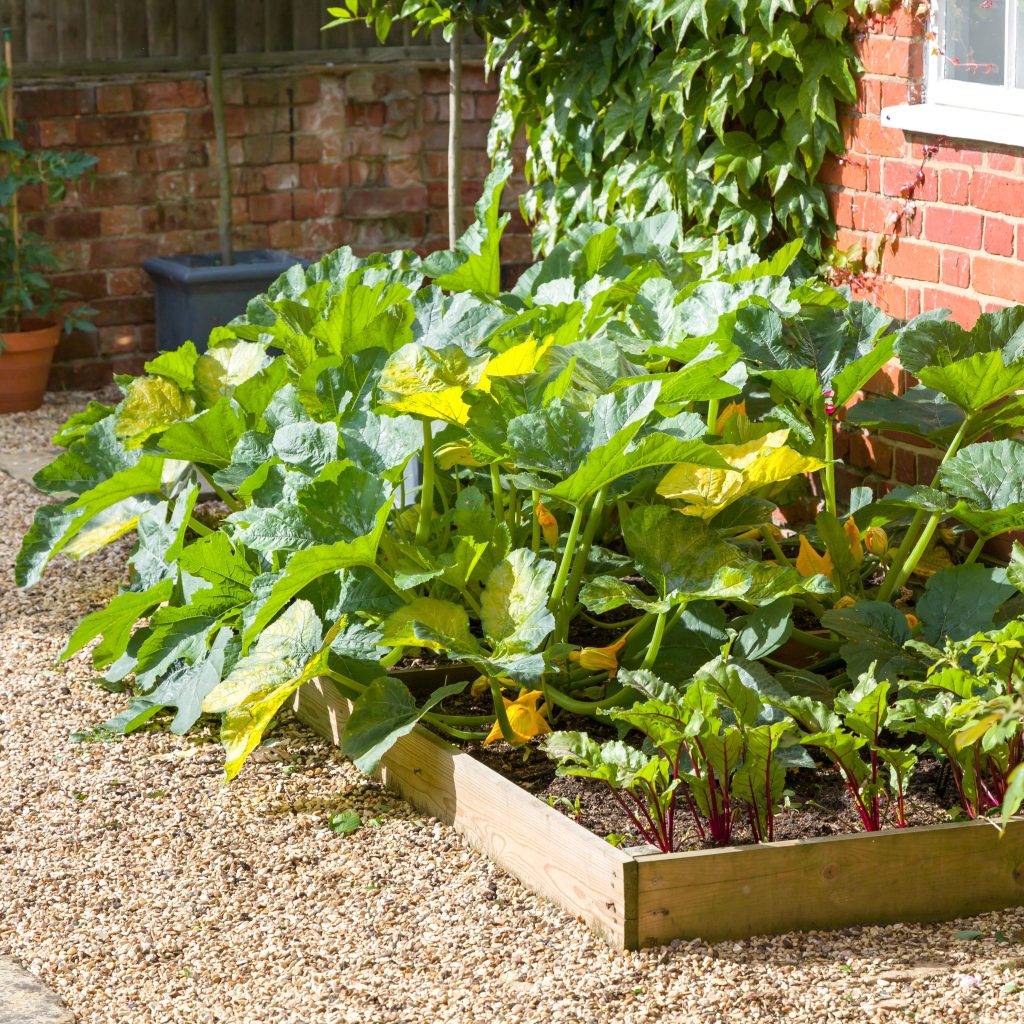
Are you ready to transform your garden into a thriving oasis? Building a raised garden bed with cinder blocks is an easy and affordable way to grow your favorite plants, vegetables, or flowers.
Imagine having a sturdy, stylish garden space that keeps weeds away and improves soil drainage—all made with simple materials you can find anywhere. In this guide, you’ll discover step-by-step instructions that anyone can follow, even if you’ve never built anything before.
Get ready to take control of your gardening and enjoy the satisfaction of creating something with your own hands. Keep reading to learn how to build your perfect raised garden bed today!
Benefits Of Raised Garden Beds
Raised garden beds are a great way to grow plants in a controlled space. They offer many benefits over traditional garden plots.
This guide focuses on the main advantages of using raised beds with cinder blocks for your garden.
Improved Soil Drainage
Raised beds allow excess water to drain away easily. This helps prevent waterlogging, which can harm plant roots.
- Soil dries faster after rain
- Reduces risk of root rot
- Helps maintain ideal moisture levels
Better Pest Control
Raised beds can reduce pests by creating a physical barrier. You can control what enters the planting area better.
| Pest Type | Raised Bed Advantage |
| Slugs and snails | Less access due to height |
| Weeds | Easier to spot and remove |
| Rodents | Blocks easy burrowing |
Enhanced Accessibility
Raised beds make gardening easier for people with limited mobility. The height reduces the need to bend over.
- Less strain on back and knees
- Comfortable for elderly gardeners
- Allows gardening from a seated position

Credit: www.reddit.com
Materials And Tools Needed
Building a raised garden bed with cinder blocks is a simple way to grow plants. You need specific materials and tools to start the project. Proper preparation makes the work easier and faster.
This guide explains what cinder blocks, gardening supplies, and tools you will need. It helps you get ready before you build your garden bed.
Selecting The Right Cinder Blocks
Choose cinder blocks that are strong and durable. Make sure they have holes to allow soil and roots to breathe. Standard size blocks work well for most garden beds.
Check that the blocks are free from cracks or damage. Using new or gently used blocks helps your garden last longer.
- Standard 16x8x8 inch cinder blocks
- Blocks with two or three holes
- Blocks without cracks or chips
- Concrete or cement material
Essential Gardening Supplies
You need soil and plants to fill your raised garden bed. Choose good quality garden soil or a mix of soil and compost. This helps your plants grow healthy and strong.
Other supplies include mulch and fertilizer. Mulch keeps moisture in the soil. Fertilizer adds nutrients that plants need.
- Garden soil or soil-compost mix
- Seeds or young plants
- Mulch for moisture retention
- Fertilizer for plant nutrition
Tools For Construction
You will need a few tools to build the garden bed safely and correctly. Some tools help with placing the blocks. Others help prepare the soil inside the bed.
Gather tools before you start. This saves time and avoids interruptions while building your bed.
- Gloves to protect your hands
- Shovel or spade for digging and soil
- Level to keep blocks even
- Rubber mallet to adjust blocks
- Measuring tape for size accuracy
Choosing The Perfect Location
Building a raised garden bed with cinder blocks is a great way to grow your plants. The first step is to choose the best spot for your garden bed.
The location you choose will affect how your plants grow. Make sure to consider factors like sunlight, soil quality, and available space.
Sunlight Requirements
Sunlight is important for plant growth. Most vegetables need at least six hours of sunlight a day. Observe the sun patterns in your yard to find the sunniest spot.
- Check for trees or buildings that might block sunlight.
- Pick a spot that gets morning sun for best results.
- Consider seasonal changes in sunlight.
Soil Preparation
The soil is the foundation of your garden. Good soil will help your plants thrive. Test the soil where you plan to build your bed to understand its quality.
Space Considerations
Space is key for a successful garden bed. Ensure you have enough room for the bed itself and for walking paths around it.
| Garden Bed Size | Minimum Space Required |
| 4×4 feet | 6×6 feet |
| 4×8 feet | 6×10 feet |
| 4×12 feet | 6×14 feet |
Step-by-step Building Process
Building a raised garden bed with cinder blocks is simple and effective. It creates a sturdy frame for your plants. Follow these steps to build your own raised garden bed.
This guide covers laying the foundation, arranging the blocks, and securing the structure.
Laying The Foundation
First, choose a flat area with good sunlight. Clear the ground of grass and debris. Then, level the soil to make a strong base for the blocks.
Adding a layer of gravel helps with drainage. Spread the gravel evenly where the garden bed will sit.
Arranging The Cinder Blocks
Place the cinder blocks in a rectangle or square shape. Make sure the blocks fit tightly and the corners meet evenly.
- Lay the first row of blocks on the gravel base.
- Stack a second row of blocks, offsetting the seams for strength.
- Check that all blocks are level as you build.
- Fill the hollow sections with soil or gravel for extra support.
Securing The Structure
Keep the structure stable by using concrete adhesive between blocks. This holds them firmly in place.
| Material | Purpose |
|---|---|
| Concrete adhesive | Bonds blocks together |
| Gravel | Improves drainage |
| Soil | Fills block holes for stability |
After securing the blocks, fill the bed with soil and start planting your garden.
Filling And Planting
After building your raised garden bed with cinder blocks, it is time to fill it with soil and plant your garden. Proper filling and planting will help your plants grow strong and healthy.
This guide covers how to add quality soil mix, select suitable plants, and use good planting techniques in your raised bed.
Adding Quality Soil Mix
Use a soil mix that drains well but holds moisture. A good mix helps roots grow deep and wide.
Mix equal parts of garden soil, compost, and peat moss or coconut coir. This creates a rich, loose soil for your plants.
- Garden soil provides structure and nutrients
- Compost adds organic matter and improves fertility
- Peat moss or coconut coir holds moisture and improves texture
Selecting Suitable Plants
Choose plants that grow well in raised beds. Pick plants that match your climate and sunlight.
Good options include vegetables, herbs, and flowers. Think about the space each plant needs to grow.
- Leafy greens like lettuce and spinach
- Root vegetables such as carrots and radishes
- Herbs like basil, parsley, and thyme
- Flowers that attract pollinators, like marigolds
Planting Techniques
Plant your seeds or seedlings carefully. Follow spacing instructions on seed packets or plant tags.
Water the soil gently after planting. Keep the soil moist but not soaked to help plants settle.
- Dig holes deep enough for roots
- Place seedlings gently in the holes
- Cover roots with soil and press lightly
- Water immediately with a gentle spray

Credit: www.reddit.com
Maintenance Tips
Building a raised garden bed with cinder blocks is just the start. Keeping it healthy takes care and attention.
Proper maintenance helps your plants grow strong and your garden stay neat. Follow these tips to keep your bed in good shape.
Watering And Fertilizing
Water your raised bed regularly to keep soil moist but not soggy. Check the soil daily, especially in hot weather.
Use fertilizer to give plants nutrients. Choose balanced fertilizers for the best growth.
- Water early in the morning or late in the afternoon
- Apply fertilizer every 4-6 weeks during growing season
- Use slow-release fertilizers for steady nutrition
- Avoid overwatering to prevent root rot
Weed And Pest Management
Keep weeds out to reduce competition for nutrients. Pull weeds by hand or use mulch to block them.
Watch for pests like aphids or slugs. Remove pests quickly to protect your plants.
- Check your plants daily for signs of pests
- Use natural pest controls like neem oil or insecticidal soap
- Keep the area clean and free of debris
- Use mulch to suppress weeds and keep soil moist
Winter Care
Prepare your raised bed for winter to protect the soil and blocks. Remove dead plants and clean the bed.
Cover the bed with mulch or a tarp to keep soil warm and prevent erosion during cold months.
- Clear out old plants and debris before winter
- Add compost or manure to enrich soil for next season
- Cover with mulch or garden fabric for protection
- Check cinder blocks for cracks or damage after winter
Creative Design Ideas
Raised garden beds with cinder blocks are easy to build and customize. They offer many ways to add style and function to your garden space.
Try creative ideas to make your garden bed more than just a place to grow plants. Use vertical elements, decorative blocks, or add seating and storage.
Incorporating Vertical Elements
Adding height to your garden bed saves space and adds visual interest. Vertical elements help plants grow upward and keep the bed neat.
- Install trellises on one or more sides for climbing plants.
- Use tall stakes or poles inside the bed for beans or peas.
- Attach hanging pots or baskets to the cinder blocks.
- Add a vertical herb garden by stacking small containers.
- Grow vines or flowers that attract pollinators upwards.
Using Decorative Blocks
Choose cinder blocks with patterns or paint plain blocks to add color and texture. Decorative blocks turn a simple garden bed into a garden focal point.
Mix and match block styles or use a bold color to highlight corners or edges. This adds charm and makes your garden bed unique.
Adding Seating Or Storage
Combine function with style by adding seating or storage to your raised bed. Cinder blocks can support benches or shelves.
| Feature | Idea | Benefit |
| Seating | Place a wooden plank across blocks on one side | Provides a resting spot while gardening |
| Storage | Use hollow block spaces to hold tools or pots | Keeps garden tools close and organized |
| Multi-use | Add a small shelf under the seat for extra storage | Maximizes space and functionality |

Credit: www.reddit.com
Frequently Asked Questions
What Materials Are Needed To Build A Cinder Block Garden Bed?
You need cinder blocks, soil, compost, gardening tools, and optional landscape fabric. Quality soil and compost improve plant growth. Cinder blocks form a sturdy, long-lasting structure for your raised bed garden.
How Deep Should A Raised Garden Bed Be?
A raised garden bed should be at least 12-18 inches deep. This depth allows roots to grow freely and ensures proper drainage. For larger plants, consider 24 inches for optimal root development.
Can Cinder Blocks Improve Garden Soil Drainage?
Yes, cinder blocks enhance drainage by elevating soil above ground level. They prevent soil compaction and waterlogging. Proper drainage helps avoid root rot and promotes healthier plants.
How Long Does A Cinder Block Garden Bed Last?
A cinder block garden bed can last 20+ years with minimal maintenance. Cinder blocks are durable, weather-resistant, and don’t rot like wood. This makes them a cost-effective, long-term gardening solution.
Conclusion
Building a raised garden bed with cinder blocks is simple and effective. It saves space and keeps your plants healthy. You can customize the size and shape to fit your garden. The blocks provide good drainage and last a long time.
Start with a clear plan and gather your materials. Soon, you will enjoy fresh vegetables or flowers from your own garden. This project suits beginners and experienced gardeners alike. Give it a try and watch your garden grow!