
Are you thinking about buying a car from Japan but don’t know where to start? You’re not alone.
Many people find the process confusing and full of questions. What’s the best way to find a reliable seller? How do you make sure the car is in good condition? And what about shipping and paperwork? This guide will walk you through every step, making it simple and clear.
By the end, you’ll feel confident and ready to get your perfect Japanese car. Keep reading to discover insider tips that save you time, money, and stress.

Credit: www.japancardirect.com
Benefits Of Buying A Car From Japan
Buying a car from Japan offers several advantages that can make your purchase worthwhile. From quality to price, Japanese cars often stand out in the global market. Understanding these benefits helps you make a confident decision and get the best value for your money.
High Quality And Reliability
Japanese cars are known for their exceptional build quality and long-lasting performance. Many buyers report that their vehicles run smoothly for years with minimal repairs.
You can trust that parts and craftsmanship meet strict standards, which is why brands like Toyota and Honda have earned worldwide respect. Have you ever wondered why some cars just seem to last forever?
Wide Variety Of Models
Japan offers an extensive range of car models, from compact city cars to luxury sedans and sports cars. This variety allows you to find a vehicle that perfectly fits your needs and style.
Whether you want a fuel-efficient ride or a powerful machine, the options are plentiful. This diversity means you won’t have to settle for less when choosing your next car.
Competitive Prices
Cars from Japan often come at a competitive price compared to similar models elsewhere. This is partly due to the efficient manufacturing processes and high volume of exports.
Additionally, many used Japanese cars are well-maintained and offer excellent value. Wouldn’t it be great to save money without compromising on quality?
Choosing The Right Japanese Car
Choosing the right Japanese car is a key step in your buying journey. It’s about matching your needs, style, and budget with what Japan’s car market offers. Knowing the popular brands, understanding vehicle types, and verifying the car’s history can save you time and money.
Popular Car Brands
Japanese cars are famous worldwide for their reliability and innovation. Brands like Toyota, Honda, Nissan, Mazda, and Subaru stand out for good reasons.
- Toyota:Known for durability and fuel efficiency. The Corolla and Camry are global favorites.
- Honda:Offers sporty designs and great engines. The Civic and Accord are well-loved models.
- Nissan:Popular for performance and comfort. The Skyline and Altima have strong fan bases.
- Mazda:Focuses on driving pleasure and stylish looks. The Mazda3 and CX-5 are common choices.
- Subaru:Famous for all-wheel drive and safety features. The Outback and Forester are top picks for adventure seekers.
Think about which brand suits your lifestyle. Do you want a car for city driving or weekend trips? This choice shapes your options.
Vehicle Types And Uses
Japanese cars come in many shapes and sizes. Knowing what type fits your daily routine is essential.
- Compact Cars:Ideal for city traffic and easy parking. They save fuel and cost less to maintain.
- Sedans:Offer comfort and space, great for families or longer drives.
- SUVs and Crossovers:Provide more room and off-road capability. Perfect if you enjoy outdoor activities.
- Sports Cars:Focus on speed and style. They require more maintenance but deliver excitement.
- Hybrid and Electric:Save on fuel and reduce emissions. Consider these if you want an eco-friendly ride.
Ask yourself what you’ll use the car for most. Will it be your daily commuter or a weekend getaway machine?
Checking Car History
Knowing the history of the car you want to buy is crucial. It helps avoid surprises like hidden accidents or unpaid taxes.
- Ask for the inspection certificate(Shaken) to ensure the vehicle passed safety checks.
- Request the service recordsto see how well the car was maintained.
- Use online databasesto verify the vehicle’s registration and accident history.
- Check for any recallsthat might affect the car’s safety or performance.
Imagine buying a car only to find out it was in a major accident. Could that risk be worth it? Taking the time to check history gives you peace of mind and protects your investment.
Finding Trusted Sellers And Auctions
Finding trusted sellers and auctions is key when buying a car from Japan. It can save you from scams, hidden fees, and low-quality vehicles. Knowing where and how to look gives you confidence and peace of mind throughout the buying process.
Reputable Dealers
Start by researching dealers with a proven track record. Look for those who specialize in exporting Japanese cars and have clear contact information. A dealer who openly shares details about the vehicle’s condition and history often values transparency.
Many buyers I know found success by choosing dealers recommended on car forums or international buyer groups. Have you checked if the dealer offers warranties or after-sale support? These perks often signal trustworthiness.
Using Online Auctions
Online auctions are a popular way to access a wide variety of Japanese cars. Platforms like USS, Aucnet, and JU provide extensive listings from multiple sellers. You can often find rare models or better prices here.
However, these auctions usually require a licensed agent to bid on your behalf. Consider partnering with a reliable broker who understands auction rules and can guide you. Without this help, you might miss out or make costly mistakes.
Evaluating Seller Ratings
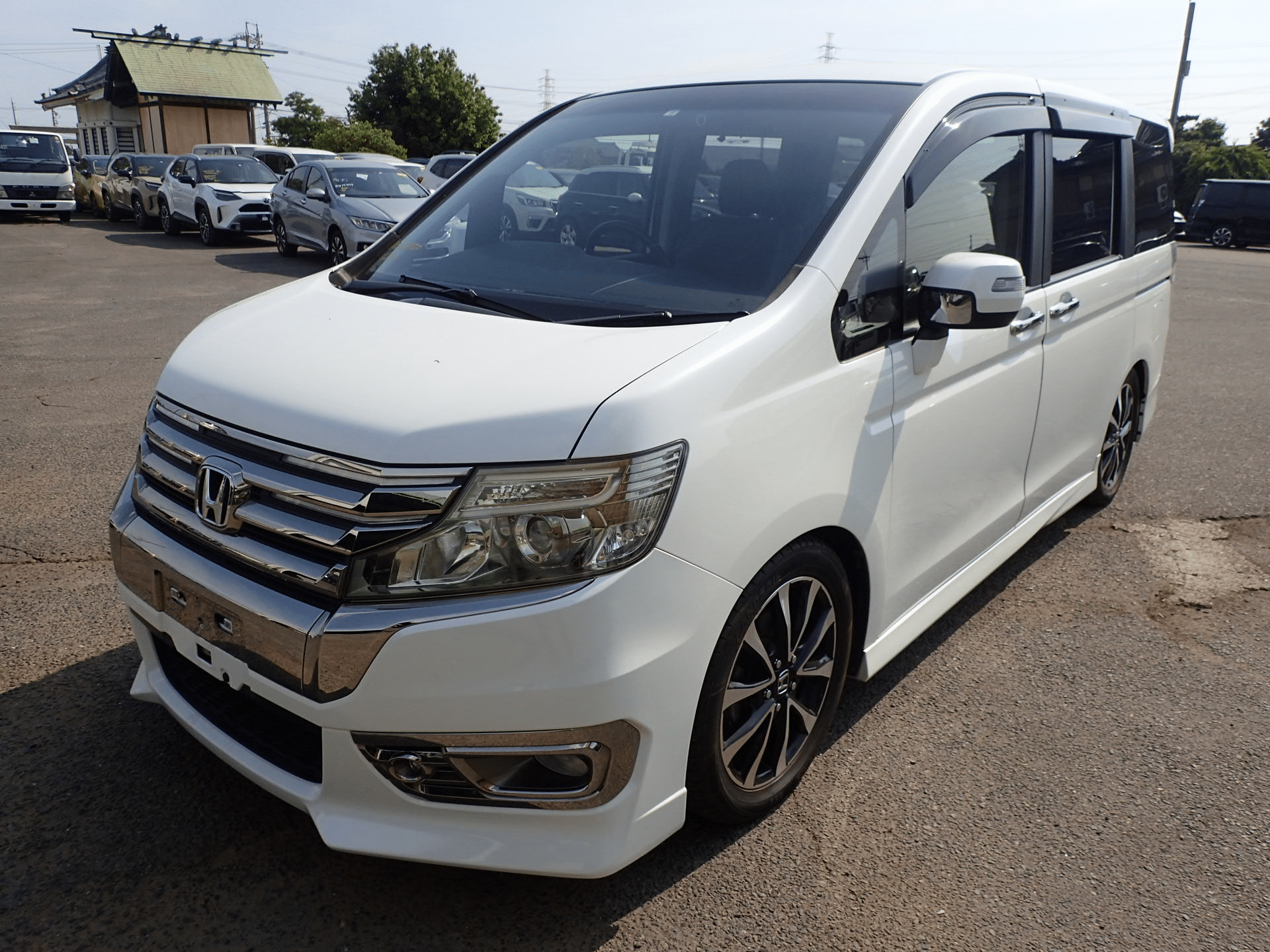
Ratings and reviews offer valuable insights into a seller’s reputation. Check for consistent positive feedback and how sellers respond to negative comments. This reflects how seriously they handle customer satisfaction.
Pay attention to details like shipping times, communication, and accuracy of vehicle descriptions. Would you trust a seller who ignores your questions or has many unresolved complaints? Always prioritize transparency and responsiveness.
Credit: www.japancardirect.com
Understanding Import Regulations
Import regulations are key to buying a car from Japan. Understanding these rules helps avoid delays and extra costs. Each country has its own laws about vehicle imports. Knowing them lets you plan better and ensures a smooth process.
Import Duties And Taxes
Import duties are fees charged by the government on imported cars. Taxes add to the total cost of your purchase. These fees vary depending on the country and car type. Some countries charge based on the car’s value or engine size.
Check the exact rates before buying. This helps you set a realistic budget. You may also find exemptions for certain vehicles or conditions.
Emission And Safety Standards
Cars from Japan must meet local emission and safety rules. These standards protect the environment and driver safety. Vehicles not meeting these can be rejected at customs.
Emission standards limit the amount of pollutants a car can release. Safety standards cover features like seat belts and airbags. Confirm that the car complies with your country’s rules to avoid problems.
Required Documentation
Proper documents are vital for importing a car. These papers prove ownership and compliance with laws. Common documents include:
- Original invoice or sales receipt
- Export certificate from Japan
- Vehicle registration papers
- Emission and safety compliance certificates
- Bill of lading for shipping
Keep all documents ready and accurate. Missing papers can delay clearance or cause fines.
Shipping And Delivery Options
Shipping and delivery are key parts of buying a car from Japan. Understanding your options helps avoid delays and extra costs. Choosing the right shipping method affects the car’s safety and delivery time. Knowing how to estimate costs keeps your budget clear. Tracking your shipment provides peace of mind during transit.
Choosing Shipping Methods
There are different ways to ship a car from Japan. The main methods include Ro-Ro and container shipping.
- Ro-Ro Shipping:The car is driven onto a ship. This method is usually cheaper and faster.
- Container Shipping:The car is placed inside a container. This protects the car from weather and damage.
Choose based on your budget and how much protection your car needs.
Estimating Shipping Costs
Shipping costs depend on the method chosen and the destination port. Other factors include the car’s size and weight.
Extra fees may include customs clearance and port charges. Ask the seller or shipping company for a detailed cost breakdown.
| Factor | Impact on Cost |
|---|---|
| Shipping Method | Ro-Ro is cheaper; container costs more |
| Car Size | Larger cars cost more to ship |
| Destination Port | Different ports have varying fees |
Tracking Your Shipment
Most shipping companies provide tracking services. You get a tracking number after the car ships.
Use this number on the company’s website to see real-time updates. Tracking helps plan for pickup or delivery at your local port.
Handling Payments And Currency Exchange
Handling payments and currency exchange is a crucial part of buying a car from Japan. It involves transferring money safely and managing currency differences. Careful planning helps avoid extra fees and risks. Understanding payment options and currency risks protects your investment.
Secure Payment Methods
Use trusted payment methods to keep your money safe. Bank wire transfers are common and reliable. Escrow services hold your money until the car ships. PayPal offers buyer protection but may have higher fees. Always confirm payment details with the seller before sending money.
Managing Currency Risks
Currency rates change daily and can affect the final cost. Use currency exchange services with low fees. Fix exchange rates in advance with forward contracts if possible. Check rates regularly to send money at the best time. Small changes in rates can save or cost you hundreds.
Avoiding Scams
Be cautious of sellers asking for unusual payment methods. Never pay cash or use untraceable services. Verify the seller’s identity and check reviews or ratings. Avoid deals that seem too good to be true. Always use a secure platform or agent for transactions.
Registering And Insuring Your Imported Car
Registering and insuring your imported car is essential for legal driving and protection. It ensures your vehicle meets local rules and stays safe on the road. Understanding each step helps avoid delays and extra costs. The process includes registration, insurance, and ongoing maintenance.
Vehicle Registration Process
Registering an imported car requires submitting paperwork to the local transport office. You must provide:
- Import documents and customs clearance
- Proof of ownership
- Vehicle inspection certificate
- Emission and safety compliance certificates
- Identification and address proof
The vehicle undergoes an inspection to check roadworthiness. Once approved, you receive a registration number and plates. Registration fees vary by location and vehicle type.
Insurance Requirements
Insurance is mandatory for all vehicles. It protects you from financial loss in accidents or theft. Basic insurance covers third-party liability. Comprehensive insurance covers damages to your car as well.
Provide your registration details to get an insurance quote. Choose a plan that fits your budget and needs. Keep the insurance policy active to avoid penalties.
Maintaining Your Imported Car
Regular maintenance keeps your imported car running smoothly. Follow the manufacturer’s service schedule. Use quality parts compatible with Japanese models.
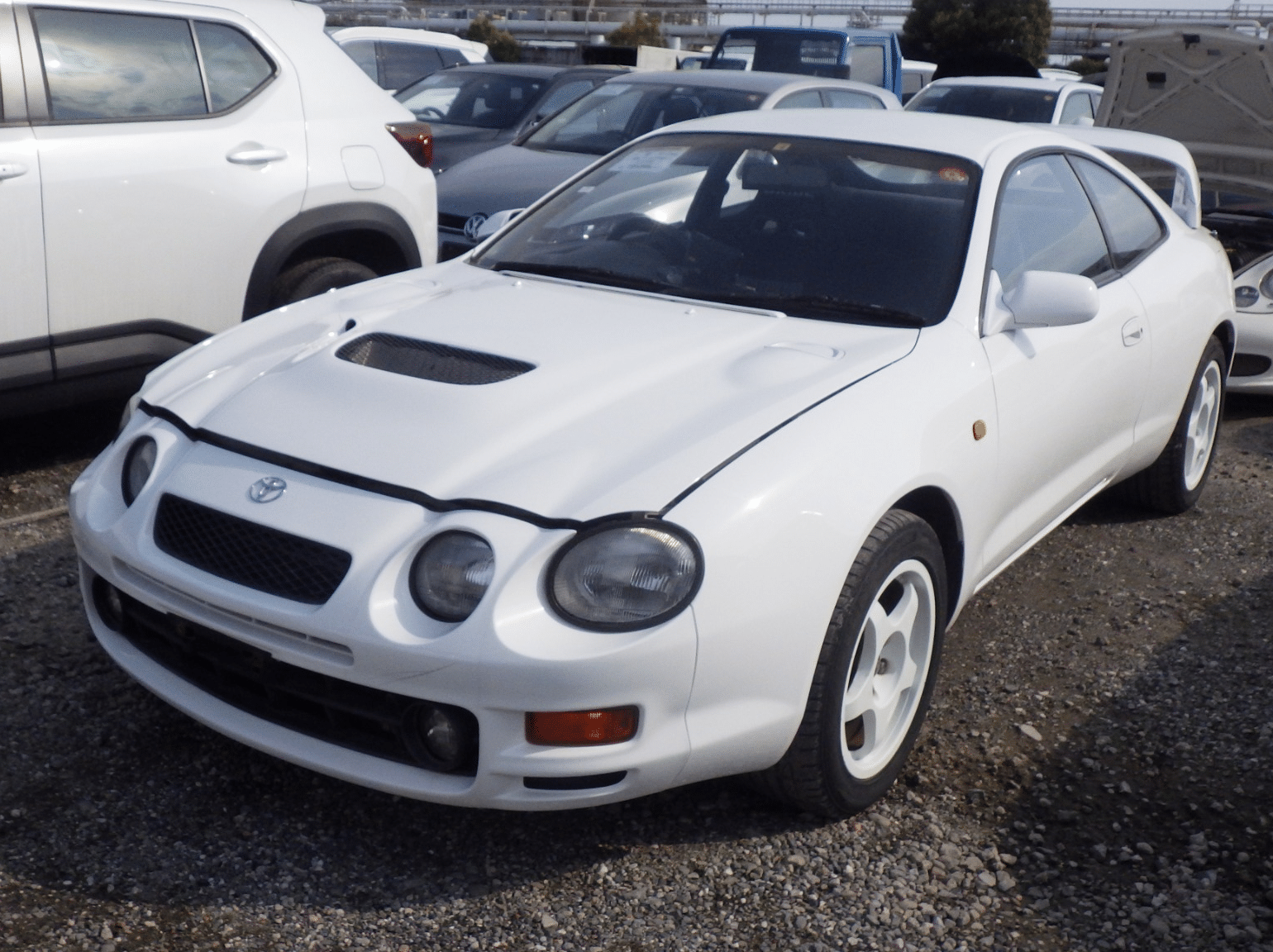
Check for any recalls or updates. Maintain records of all services and repairs. Proper maintenance helps retain your car’s value and reliability.
Credit: www.japancardirect.com
Tips For Smart Buyers
Buying a car from Japan can be a smart choice. It offers quality vehicles at good prices. Smart buyers take extra steps to avoid mistakes and save money. These tips help you get the best deal and a reliable car.
Inspecting Cars Thoroughly
Check every part of the car carefully before buying. Look at the engine, tires, and brakes. Check for rust or signs of accidents. Ask for detailed photos or videos if buying online. Review the car’s history report for past damages.
Verify the mileage and service records. Make sure all features work properly. A thorough inspection helps avoid costly repairs later.
Negotiating Prices
Start with a fair offer based on market prices. Know the car’s value before you negotiate. Point out any issues found during inspection to lower the price. Stay polite but firm during talks. Be ready to walk away if the price is too high.
Use comparison prices from other sellers as a guide. Small discounts add up to big savings.
Seeking Professional Assistance
Hiring an expert can save time and money. Professionals know how to spot hidden problems. They can help with paperwork and import rules. Use a trusted agent or mechanic with experience in Japanese cars.
Experts provide advice and protect you from scams. Their help makes the buying process easier and safer.
Frequently Asked Questions
How To Import A Car From Japan?
To import a car from Japan, research reliable exporters first. Check their credentials and customer reviews. Understand import regulations and taxes in your country. Arrange for shipping and insurance. Ensure all necessary documentation, like the purchase agreement and export certificate, is complete.
Finally, coordinate with a customs broker for a smooth clearance process.
What Are The Costs To Import A Car?
The costs to import a car include the purchase price, shipping fees, and insurance. Additionally, you may encounter import duties, taxes, and registration fees in your country. Other potential costs include modifications to meet local regulations. It’s essential to budget for these expenses to avoid surprises.
Is It Safe To Buy Cars From Japan?
Yes, buying cars from Japan is generally safe. Japanese cars are known for their quality and longevity. Ensure you choose a reputable exporter with positive reviews. Verify the car’s condition and history. Use secure payment methods. Conduct due diligence to minimize risks and ensure a safe purchase.
How Long Does Shipping From Japan Take?
Shipping from Japan typically takes 4 to 8 weeks. The duration depends on the shipping method and destination. RoRo (Roll-on/Roll-off) is faster, while container shipping may take longer. Factors like weather and customs processes can also affect shipping times. Plan accordingly to manage expectations.
Conclusion
Buying a car from Japan can be simple with the right steps. Research the car model and seller carefully. Check all documents and shipping details. Know the import rules in your country well. Take your time to compare prices and options.
This way, you avoid surprises and extra costs. Enjoy your new car and the benefits it brings. Start your journey with confidence and clear information.