Thinking about buying a car with cash? You’re about to make a smart move that can save you money and give you full control over your purchase.
But how do you make sure you get the best deal without any surprises? This guide will walk you through simple, clear steps to help you buy your next car confidently and stress-free. Keep reading, and you’ll discover insider tips that could make all the difference in your car-buying experience.
Benefits Of Paying Cash
Paying cash for a car has clear advantages. It offers financial freedom and less stress during buying. You avoid extra costs and complicated processes. Here are the key benefits of paying cash.
Avoiding Interest And Loans
Paying cash means no loan is needed. This saves money on interest payments over time. You own the car fully from day one. There is no risk of debt or monthly bills.
Stronger Negotiation Power
Cash buyers often get better deals. Sellers prefer quick, sure payments. You can ask for discounts or extras more easily. This can lower the total price or add value.
Simplified Buying Process
Cash transactions are faster and simpler. No need to apply for loans or wait for approval. Paperwork is less complex. You can complete the purchase in one visit.

Credit: greensafaris.com
Setting Your Budget
Setting a clear budget is the first and most important step when buying a car with cash. This helps avoid overspending and keeps the purchase within your financial comfort zone. A well-planned budget ensures you buy a car that fits your needs without causing money stress.
Assessing Your Finances
Start by looking at your total savings available for the car purchase. Consider how much money you can comfortably spend without affecting daily expenses. Check your bank balance, investments, and any emergency funds. Make sure to keep some money aside for unexpected costs after the purchase.
Considering Additional Costs
Remember, the car price is not the only expense. Factor in taxes, registration fees, and insurance costs. Budget for maintenance, fuel, and occasional repairs too. These additional costs can add up and impact your overall spending limit. Plan for them early to avoid surprises.
Sticking To Your Limit
Once you set your budget, stay firm. Avoid the temptation to stretch your finances for a more expensive model. Focus on cars within your price range. This approach helps maintain financial stability and ensures a stress-free buying experience. Discipline in spending protects your financial health.
Researching Cars
Researching cars is the foundation of buying a vehicle with cash. You want to make sure every dollar counts and that you’re investing in a car that fits your needs and budget. Taking time to learn about different models, conditions, and prices helps you avoid costly mistakes and gives you confidence during negotiations.
Choosing The Right Model
Start by listing what you really need from a car. Do you want something fuel-efficient for city driving or a spacious SUV for family trips? Think about your daily routine and how the car will fit into it.
Don’t ignore your lifestyle when picking a model. If you love weekend adventures, a rugged vehicle might be better than a sleek sedan. Also, consider the car’s reliability and maintenance costs—these affect your wallet long after the purchase.
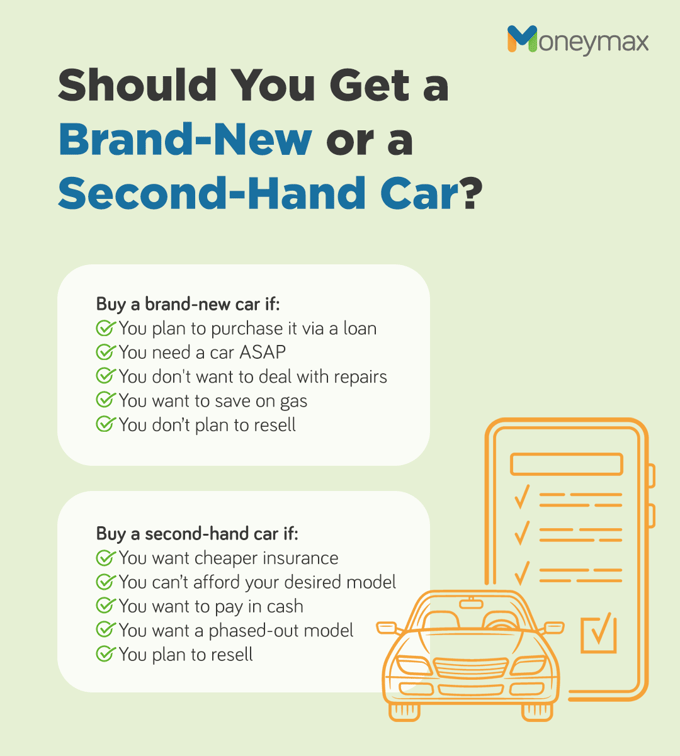
Comparing New Vs Used
Deciding between new and used cars is crucial. New cars come with warranties and the latest features but lose value quickly. Used cars are cheaper upfront but may need more repairs.
Ask yourself how long you plan to keep the car. A new car can be worth it if you want the latest tech and plan to keep it for years. If you want to save money now, a well-maintained used car can be a smart choice.
Checking Market Prices
Knowing the market price helps you spot a good deal. Use online tools like Kelley Blue Book or Edmunds to check the average price for the model you want. Compare listings from dealers and private sellers to get a sense of the going rate.
Look beyond the sticker price—consider mileage, condition, and location. Have you ever noticed how two cars of the same model can have very different prices? Understanding these factors helps you negotiate better and avoid overpaying.
Finding Reliable Sellers
Finding reliable sellers is key to a smooth car-buying experience, especially when paying with cash. You want to avoid scams, hidden issues, or overpriced deals. Knowing how to separate trustworthy sellers from questionable ones saves you time, money, and stress.
Dealerships Vs Private Sellers
Dealerships offer a professional buying environment with some level of buyer protection. They usually provide warranties, financing options (even if you pay cash), and certified pre-owned vehicles. However, prices tend to be higher, and you might face pressure to add extras.
Private sellers often sell cars at lower prices, giving you room to negotiate. But buying from them carries risks like limited recourse if something goes wrong and less transparency about the car’s history. You must be extra vigilant with paperwork and vehicle condition.
Think about what matters most to you: peace of mind or cost savings? Your choice will guide where you look first.
Verifying Seller Credentials
Always verify the seller’s identity and credentials before making any payment. For dealerships, check their business license and reviews on official sites. Confirm they are registered and in good standing with local authorities.
With private sellers, ask for a valid driver’s license and proof of ownership. Request the Vehicle Identification Number (VIN) to run a history report yourself. Never proceed without confirming these details—this simple step prevents fraud.
Reading Reviews And Ratings
Online reviews can reveal a lot about a seller’s reputation. Look for patterns in feedback rather than one-off comments. Consistent praise for honesty and customer service indicates a reliable seller.
Beware of sellers with mostly negative reviews or suspiciously perfect scores with no details. Ask friends or community groups if they have recommendations. Personal referrals often lead to trustworthy sellers you won’t find online.
Inspecting And Test Driving
Inspecting and test driving a car before buying it with cash is your best chance to avoid costly surprises. It’s more than just looking at the paint or sitting inside. You need to dig deep into its condition and see how it performs on the road.
Car Condition Checklist
Start by checking the basics: exterior, interior, and under the hood. Look for dents, scratches, rust spots, or mismatched paint that could signal past accidents.
Inside, test all electronics—windows, locks, lights, and the air conditioning. Don’t forget to smell the upholstery; a musty odor could mean water damage.
Under the hood, check the oil level and color. Dirty oil or low fluid levels might indicate neglect. Don’t ignore tire wear either; uneven wear can hint at alignment issues.
Scheduling Test Drives
Arrange the test drive during daylight and on a route that includes highways, hills, and stop-and-go traffic. This variety helps reveal how the car handles different conditions.
During the drive, pay attention to unusual noises, vibrations, or warning lights on the dashboard. Try out the brakes and acceleration to feel if everything responds smoothly.
Ask yourself: Does the car feel comfortable and safe? Would you want to drive it daily? Your gut feeling matters here.
Hiring A Mechanic For Inspection
Even if you know a bit about cars, a professional mechanic can spot hidden problems you might miss. Bring the car to a trusted mechanic for a thorough inspection before you commit your cash.
A mechanic will check the engine, transmission, brakes, and suspension in detail. They can also run diagnostic tests to uncover electronic issues.
Think of this step as an investment. It might cost a little upfront, but it could save you thousands in future repairs.
Credit: medium.com
Negotiating The Price
Negotiating the price when buying a car with cash can give you a real advantage. Paying upfront shows sellers you’re serious and ready to close the deal immediately. This confidence can help you get a better price, but you need a strategy to make the most of it.
Using Cash As Leverage
Cash is powerful in negotiations because it removes financing risks for the seller. You can highlight this by saying, “I’m ready to pay today if we agree on the price.” This can push the seller to offer a discount since they avoid waiting for loan approvals or dealing with banks.
Sometimes, simply showing a stack of cash or a bank statement can strengthen your position. Have you noticed how sellers react differently when they see a buyer who can pay immediately? That’s your leverage.
Identifying Negotiation Points
Look for areas where the price might be flexible. These include:
- Dealer fees and add-ons that aren’t necessary
- Minor cosmetic flaws or wear and tear
- How long the car has been on the lot
Knowing these points helps you ask targeted questions like, “Can we reduce the fee for documentation?” or “Has this car been here long enough for a price drop?”
When I once negotiated on a used car, pointing out a small scratch saved me a few hundred dollars. Always check the car thoroughly and use any imperfections to your advantage.
Knowing When To Walk Away
Set a maximum price before you start negotiating. If the seller won’t meet your limit, be ready to leave. Walking away shows you won’t settle for less than what the car is worth to you.
Sometimes, sellers call you back with a better offer after you walk away. Have you ever tried this tactic? It’s a powerful way to test how flexible the price really is.
Completing The Payment
Completing the payment is a crucial moment in buying a car with cash. It’s the point where your negotiation turns into ownership. Handling this step carefully protects your money and sets a smooth path to driving your new vehicle home.
Safe Payment Methods
Paying cash doesn’t mean handing over physical bills on the spot. You can use safer options like a cashier’s check or a bank transfer. These methods provide a clear record of payment for both you and the seller.
Cashier’s checks are widely accepted and offer security against fraud. Bank transfers are fast and traceable, reducing the risk of losing money during the transaction. Avoid carrying large amounts of cash, as it increases the chance of theft or disputes.
Handling Paperwork
Paperwork can feel overwhelming, but it protects your purchase and legal rights. Make sure you receive and review the bill of sale, which includes the agreed price, vehicle details, and both parties’ information.
Check that the seller completes any required forms, such as the odometer disclosure and release of liability. Keep copies of all documents for your records. This paperwork confirms the transaction and helps with future registration or resale.
Ensuring Clear Title Transfer
Verify that the car’s title is clear—meaning it’s free of liens or unpaid loans. Ask the seller to sign the title over to you. This step legally transfers ownership and prevents surprises later.
Visit your local DMV or motor vehicle department promptly to register the car in your name. Confirm that the title transfer is properly recorded to avoid legal complications. Have you checked the title thoroughly before paying in full?
Credit: visapoint.travel
Finalizing Ownership
Finalizing ownership is the crucial last step after buying your car with cash. This phase ensures that the vehicle is legally yours and protected while on the road. Paying attention to details here saves you from future headaches and unexpected expenses.
Registering The Car
Registering your car transfers legal ownership to your name and makes it street-legal. You’ll need to visit your local DMV or use their online services, depending on your area.
Bring essential documents like the bill of sale, title, proof of ID, and payment for registration fees. Each state has different rules, so check what’s required before you go.
Have you ever wondered why some people delay registration? Skipping this step can lead to fines and even impoundment.
Obtaining Insurance
Insurance protects your investment and keeps you compliant with the law. Before you drive off, make sure to get a policy that covers at least the minimum required by your state.
Consider your needs: do you want basic liability or full coverage that includes collision and comprehensive? Shop around to compare quotes and find the best deal.
Remember, insurance premiums vary based on your driving history, car model, and location. Getting a few quotes online can save you hundreds annually.
Planning For Maintenance
Owning a car means regular upkeep. Plan for routine tasks like oil changes, tire rotations, and brake checks to keep your vehicle running smoothly.
Create a maintenance schedule or use apps that remind you when services are due. This small effort prevents costly repairs down the road.
Think about how you’ll handle unexpected issues. Setting aside a maintenance fund ensures you’re not caught off guard by repairs.
Frequently Asked Questions
Can You Buy A Car With Only Cash?
Yes, you can buy a car with cash. Paying with cash can often simplify the transaction process. It can also potentially give you more negotiating power. Remember to research and budget accordingly before making your purchase to ensure it’s the right decision for you.
What Are The Benefits Of Buying With Cash?
Buying a car with cash eliminates interest payments. It also avoids the hassle of monthly installments. This can save you money in the long run. Additionally, it gives you full ownership of the vehicle immediately. You also avoid potential financial strain from car loans.
Is Paying Cash Better Than Financing?
Paying cash can be better than financing in many ways. It avoids interest payments and debt accumulation. Financing can sometimes lead to paying more than the car’s value. However, consider your financial situation and future plans. Sometimes, financing can be beneficial if you have other investment opportunities.
How Do I Negotiate When Paying Cash?
When paying cash, start by researching the car’s market value. Use this information to make a reasonable offer. Be clear about your cash payment to strengthen your negotiating position. Sellers may be more willing to negotiate when they know you can pay immediately.
Conclusion
Buying a car with cash can save you money and stress. It helps you avoid loans and interest fees. Be sure to set a budget before you shop. Take your time to research and compare prices. Check the car’s condition and history carefully.
Don’t rush the buying process. Pay with a secure method and get a receipt. Owning a car outright gives you full control. This way, you drive without monthly payments or debt. Simple steps lead to a smart purchase. Enjoy the freedom of owning your car fully.