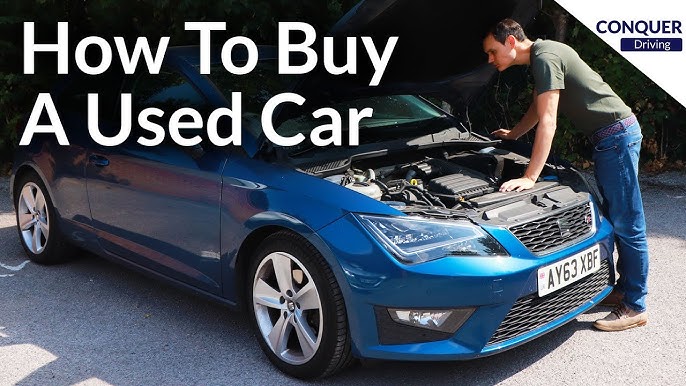
Looking to buy a car but not sure where to start? You’re about to make a big decision that can affect your daily life and your wallet.
Getting the right car means more comfort, better safety, and saving money in the long run. But with so many choices and details, it can feel overwhelming. Don’t worry—this guide will walk you through every step, helping you avoid common mistakes and find the perfect car for your needs.
Keep reading, and you’ll soon feel confident and ready to make a smart purchase that you’ll be happy with for years.
Credit: finance.yahoo.com
Set Your Budget
Setting your budget is the foundation of a smart car purchase. Knowing exactly how much you can spend helps you avoid surprises and keeps your finances healthy. It’s more than just the sticker price — you need to think about all the costs that come with owning a car.
Calculate Total Costs
Start by listing the full price of the car you want. But don’t stop there. Add extra expenses like registration fees, maintenance, fuel, and unexpected repairs.
Think about how long you plan to keep the car. A cheaper car might need more repairs, which could add up over time. How much are you willing to spend monthly, including these extras?
Consider Financing Options
If you’re not paying cash, look at loan choices carefully. Check interest rates, loan terms, and monthly payments. Sometimes a lower monthly payment means you’ll pay more over the life of the loan.
Ask yourself: Can you afford the monthly payments without cutting back on essentials? Also, consider if leasing might fit your budget better than buying.
Plan For Insurance And Taxes
Insurance can be a big part of your budget. Rates vary based on the car’s make, model, and your driving history. Get quotes before you commit to a purchase to avoid surprises.
Don’t forget taxes and registration fees—they can add thousands to your initial cost. Have you factored these into your budget yet? It’s easy to overlook these but impossible to ignore once it’s time to pay.

Credit: www.youtube.com
Choose The Right Car Type
Choosing the right car type is key to a good purchase. The car must fit your lifestyle, budget, and needs. Think about how you will use the car daily. Will you drive mostly in the city or need space for family trips? Understanding this helps narrow down your options quickly.
Compare Sedans, Suvs, And Trucks
Sedans offer a smooth ride and better fuel economy. They are ideal for city driving and small families. SUVs provide more space and higher seating. Good for rough roads and carrying more passengers or cargo. Trucks are strong and built for heavy tasks. Perfect for towing or off-road use. Each type suits different needs and budgets.
Assess New Vs. Used Cars
New cars have the latest features and full warranties. They cost more but need less repair at first. Used cars are cheaper and come with some wear. Check the car’s history and condition carefully. Used cars may need more maintenance soon. Choose what matches your budget and comfort with risk.
Evaluate Fuel Efficiency And Maintenance
Fuel efficiency saves money on gas over time. Check miles per gallon (MPG) ratings for city and highway. Cars with high MPG are better for long drives and daily use. Maintenance costs differ by car type and age. Some cars have cheap parts and easy repairs. Others need special service that costs more. Balance fuel savings with maintenance expenses for the best choice.
Research Models And Brands
Choosing the right car means digging deep into the details of different models and brands. This part of the process saves you money, time, and frustration down the road. You want a vehicle that fits your lifestyle and won’t surprise you with problems after the purchase.
Check Reliability Ratings
Reliability ratings tell you how well a car holds up over time. Look at trusted sources like J.D. Power or Consumer Reports. These ratings are based on real data about breakdowns and repairs, helping you spot dependable models.
Have you ever bought something that looked great but broke down quickly? Checking reliability ratings helps you avoid that mistake with your car.
Read User Reviews
User reviews provide honest feedback from people who actually drive the cars you’re considering. These reviews often mention everyday experiences you won’t find in official specs.
Pay attention to repeated comments—both positive and negative. If many owners say a car has poor fuel economy or uncomfortable seats, that’s a red flag for your comfort and budget.
Explore Safety Features
Safety features protect you and your passengers in an accident. Look for advanced options like automatic emergency braking, lane departure warnings, and blind-spot monitoring.
Think about the roads you drive on daily. Would extra safety tech make your trips less stressful? Prioritizing safety could make a big difference when you least expect it.
Find Trusted Sellers
Finding a trusted seller is a key step in buying a car. It affects everything from the price you pay to the condition of the vehicle you drive away with. You want to feel confident that the seller is honest and reliable before handing over your money.
Visit Dealerships And Private Sellers
Dealerships offer a level of security because they usually follow legal standards and provide warranties. Visiting a dealership lets you inspect multiple cars and ask questions face to face. However, don’t overlook private sellers—they can offer better prices and more flexible negotiations.
When meeting a private seller, choose a safe, public location for the car inspection. Ask for the car’s history and any maintenance records. Trust your instincts—if something feels off, don’t rush the purchase.
Use Online Marketplaces
Online marketplaces like Autotrader, Cars.com, or local platforms give you access to a wide range of options. You can filter by price, make, model, and location to find cars that fit your needs. These platforms often include seller ratings and reviews, which are valuable when judging trustworthiness.
Be cautious about deals that seem too good to be true. Always request detailed photos and vehicle history reports. If possible, arrange for an independent mechanic to inspect the car before buying.
Verify Seller Reputation
Checking a seller’s reputation can save you from future headaches. Look for reviews and testimonials online to see what previous buyers experienced. Are there complaints about hidden issues or poor customer service?
Contact your local Better Business Bureau or consumer protection agency to check for any unresolved disputes. This step can reveal red flags you might miss during the initial meeting. Would you trust a seller with no feedback or lots of negative comments?
Inspect And Test Drive
Inspecting and test driving a car are crucial steps before buying. These steps help reveal the car’s true condition. Spend time checking every detail carefully. Driving the car shows how it performs on the road. This process helps avoid surprises after purchase.
Conduct A Thorough Inspection
Start with the car’s exterior. Look for dents, scratches, or rust spots. Check the tires for even wear and good tread depth. Open the doors and windows to test their function. Examine the lights, mirrors, and windshield for cracks or damage.
Inside, check the seats and upholstery for tears or stains. Test all electronics like the radio, air conditioning, and dashboard lights. Look under the car for leaks or rust. Check the engine bay for clean fluids and loose parts.
Test Drive Tips
Drive in different conditions: city streets, highways, and hills. Listen for unusual noises from the engine or brakes. Feel how the car handles turns and stops. Check the steering for smoothness and alignment. Test the brakes for quick, safe stopping without vibrations.
Try out the gears in automatic or manual transmission. Pay attention to the suspension—smooth or bumpy ride? Use the car’s features like signals and wipers during the drive. Notice any warning lights on the dashboard.
Identify Potential Issues
- Unusual noises during driving or when idling.
- Uneven tire wear indicating alignment problems.
- Warning lights that stay on after starting the car.
- Smoke from the exhaust or engine bay.
- Leaking fluids under the car after parking.
- Difficulty shifting gears or strange clutch behavior.
- Weak brakes or vibrations when stopping.
- Electrical malfunctions inside the cabin.
Spotting these issues early saves money and trouble later. Trust your senses and don’t rush this step.
Negotiate The Best Deal
Negotiating the best deal on a car can save you hundreds or even thousands of dollars. It’s not just about the sticker price; it’s about understanding the whole process and using smart strategies. Approaching negotiations with confidence and knowledge can turn a stressful experience into a rewarding one.
Prepare Negotiation Strategies
Before you step onto the lot, know your budget and the car’s market value. Use websites like Kelley Blue Book or Edmunds to check fair prices. Have a clear maximum price in mind and be ready to walk away if the deal doesn’t meet your terms.
Practice your negotiation phrases out loud. Simple statements like “Is that the best you can do?” or “I’ve seen lower prices elsewhere” show you’re informed. Don’t rush; silence can be a powerful tool to make the dealer fill the gap with a better offer.
Understand Dealer Incentives
Dealers often have hidden incentives from manufacturers that can affect pricing. These can include cash rebates, special financing, or bonuses for selling certain models. Ask the dealer directly about current incentives — you might discover discounts that aren’t advertised.
Timing matters too. End of the month or quarter can be a great time to buy since salespeople try to hit targets. If you know what incentives are available, you can use them as leverage to push the price down further.
Avoid Common Pitfalls
Don’t focus only on the monthly payment; it can hide extra costs. Instead, negotiate the total price of the car first. Watch out for add-ons like extended warranties or insurance that can quickly increase the final bill.
Be cautious if the dealer suddenly offers a “too good to be true” deal after you’ve agreed on price. That might mean hidden fees or less favorable loan terms. Always read the fine print carefully before signing anything.
Complete Paperwork And Payment
Completing the paperwork and payment is a key step in buying a car. This stage ensures the ownership transfers legally. It also protects both buyer and seller. Every detail must be clear and accurate.
Double-check documents before signing. Make sure payment is secure and properly handled. This avoids future problems and delays.
Review Sales Contract
Read the sales contract carefully. Confirm all terms match what was agreed. Check the price, fees, and any extras included.
Look for hidden costs or unclear wording. Ask questions about anything confusing. Keep a copy of the signed contract for your records.
Handle Registration And Title
Register the car in your name. This step makes you the legal owner. The seller should provide the title or ownership document.
Submit registration forms to your local motor vehicle office. Pay any necessary registration fees. Keep the registration certificate in your vehicle.
Secure Payment Methods
Choose a safe payment method. Avoid cash for large amounts. Use bank transfer, certified check, or escrow services.
Confirm payment clears before finalizing the sale. Get a receipt or proof of payment. This protects you from fraud or disputes.
Plan For Ownership
Planning for ownership is a crucial part of buying a car. It means thinking beyond the price and the look. Owning a car comes with responsibilities that affect your budget and time. Understanding what to expect helps you avoid surprises and keeps your car running well. This section covers key points to plan for ownership wisely.
Schedule Maintenance
Regular maintenance keeps your car safe and efficient. Create a schedule for oil changes, tire rotations, and brake checks. Follow the car maker’s guidelines in the owner’s manual. Keep records of all services. This helps maintain the car’s condition and value over time.
Understand Warranty Coverage
Check what the warranty covers before buying. Some parts may have longer protection than others. Know the length of the warranty and what is excluded. This saves money on repairs during the first years. Ask about extended warranty options if needed.
Consider Resale Value
Think about how much the car will be worth later. Some brands and models hold value better than others. Factors like condition, mileage, and market demand affect resale price. Choose a car that stays valuable to get better returns when selling.

Credit: www.consumerreports.org
Frequently Asked Questions
How Do I Choose The Right Car For Me?
Consider your budget, lifestyle, and needs. Research car types, fuel efficiency, safety, and reliability. Test drive to ensure comfort and performance.
What Documents Are Needed To Buy A Car?
You need a valid ID, proof of income, residence proof, insurance, and a driver’s license. Additional documents depend on financing options.
Should I Buy A New Or Used Car?
New cars offer warranties and latest features but cost more. Used cars are cheaper but may need more maintenance. Evaluate both based on your budget.
How Can I Negotiate The Best Car Price?
Research market prices, know the car’s value, and be ready to walk away. Negotiate extras and financing terms for a better deal.
Conclusion
Buying a car can be a simple process. Follow the steps outlined here. Do your research first. Set a clear budget. Consider your needs. Visit different dealerships for options. Test drive each car. Feel the ride. Check for any discounts or deals.
Negotiate the price confidently. Don’t rush your decision. Take time to think. Read the contract carefully before signing. Ensure all details are correct. Once satisfied, make your purchase. Enjoy your new car. It’s an exciting journey. Happy driving!