Are you thinking about buying a used car in California but don’t know where to start? You’re not alone.
Finding the right car that fits your budget and needs can feel overwhelming. But what if you had a simple guide to walk you through every step? You’ll discover practical tips and insider secrets to help you avoid common mistakes, save money, and drive away with confidence.
Keep reading—you’re about to make your used car purchase easier and smarter than ever before.
Researching The Market
Researching the market is the foundation of buying a used car in California. It helps you understand what’s available, the price range, and which models fit your needs. Without proper research, you might overpay or miss out on a better option.
Popular Used Car Models In California
California drivers often prefer cars that balance fuel efficiency, reliability, and style. Models like the Toyota Camry, Honda Civic, and Ford F-150 are top choices because they suit city driving and longer trips alike.
Electric and hybrid cars, such as the Tesla Model 3 and Toyota Prius, are gaining popularity due to California’s environmental policies and incentives. Do you know which models hold their value best? This insight can save you money when it’s time to resell.
Setting A Realistic Budget
Your budget should cover more than just the sticker price. Think about additional costs like taxes, registration, insurance, and potential repairs. Setting a realistic budget upfront prevents surprises and lets you focus on cars within your financial reach.
Consider how much you can afford monthly if you plan to finance. Would stretching your budget for a slightly newer model with fewer miles be wiser than settling for an older car? These questions guide your choices and keep your finances healthy.
Checking Market Prices
Price-checking online listings gives you a clear picture of the current market. Websites like Kelley Blue Book, Edmunds, and local classifieds let you compare prices for specific makes, models, and years.
Look for trends: Are prices rising for certain cars? Is a specific model cheaper in your area than statewide? Spotting these patterns helps you time your purchase better and negotiate effectively.
Have you thought about how much you’re willing to negotiate? Knowing average prices strengthens your position when talking to sellers. It’s your best tool to avoid overpaying.
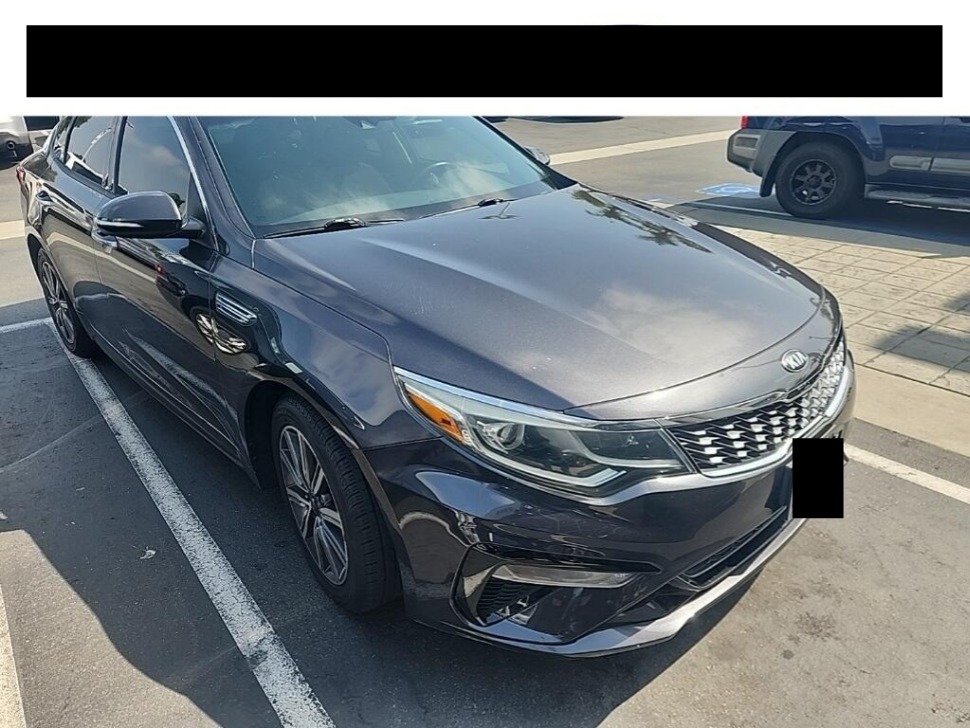
Credit: www.autoland.com
Finding Reliable Sellers
Finding a reliable seller is crucial when buying a used car in California. It ensures peace of mind and a good investment. Various options exist, each with its pros and cons. Knowing where to start can make the process smoother and more successful.
Dealerships Vs Private Sellers
Dealerships often offer certified pre-owned cars. This means the car has been inspected and repaired if needed. They might also provide warranties, adding extra security. On the other hand, private sellers might offer lower prices. They may not provide warranties or guarantees. It’s important to check the car’s history thoroughly with private sellers.
Online Marketplaces To Trust
Several online platforms help find used cars in California. Websites like Autotrader and Cars.com are popular choices. They provide filters to narrow down your search. Craigslist is also an option, but be cautious. Verify the seller’s information and meet in a safe place. Always check the car’s VIN for a detailed history report.
Visiting Local Car Lots
Local car lots can be a good source for used cars. They often have a variety of makes and models. Visiting in person allows for a thorough inspection. You can test drive the car and ask questions. Check the car’s condition and compare prices. Local lots might offer financing options, which can be convenient.
Inspecting The Vehicle
Inspecting the vehicle is a vital step before buying a used car in California. It helps spot potential problems and ensures the car meets your needs. A careful check saves money and stress later. Focus on the exterior, interior, engine, tires, and how the car drives.
Examining Exterior And Interior
Start with the car’s outside. Look for dents, scratches, or rust spots. Check if the paint color matches on all panels. Uneven paint can mean past damage. Open and close all doors, hood, and trunk. Check for smooth operation and tight seals.
Inside, inspect the seats and dashboard for tears or stains. Test all buttons, lights, and controls. Make sure the air conditioning and heater work well. Look under the carpets for dampness or mold. A clean interior shows good care by the owner.
Checking The Engine And Tires
Pop the hood and look for leaks or worn belts. The engine should be clean without oil stains. Check the oil level and color; it should be light brown, not black. Inspect the battery for corrosion on terminals.
Look at the tires for tread depth and even wear. Uneven wear can indicate alignment issues. Check the spare tire and tools too. Good tires improve safety and save money on replacements.
Test Driving Tips
Take the car on different roads. Listen for strange noises from the engine or brakes. Check how the car accelerates and brakes. The steering should feel steady and responsive. Test all gears if it is a manual transmission.
Try parking and reversing to check visibility and controls. Notice if the car pulls to one side, which may mean alignment problems. A smooth ride means the suspension is in good shape.
Credit: www.enterprisecarsales.com
Verifying Vehicle History
Verifying the vehicle history is a crucial step before buying a used car in California. It helps you avoid hidden problems and ensures you’re making a wise investment. Knowing what to look for and where to find reliable information can save you from costly surprises down the road.
Using Vin To Check Reports
The Vehicle Identification Number (VIN) is like the car’s fingerprint. You can use it to access detailed history reports online from services like Carfax or AutoCheck.
Simply enter the VIN and you’ll see records about previous owners, mileage, and service history. Have you ever bought something without checking its background first? This step gives you a clear picture of the car’s past.
Identifying Accident And Repair Records
Accidents can leave lasting damage even if the car looks fine now. Check the report for any collision history or major repairs.
Look for repeated repairs or structural damage, which might affect the car’s safety and value. If you spot multiple accident records, ask the seller detailed questions—your safety depends on it.
Confirming Title Status
The title tells you who legally owns the car and if there are any issues like liens or salvage status. A clean title means the car hasn’t been seriously damaged or rebuilt.
Check the California DMV’s online system or ask the seller for the title document. If the title shows “salvage” or “rebuilt,” think twice before buying, as it could cost more in repairs later.
Negotiating The Price
Negotiating the price of a used car in California can feel like a challenge, but it’s where you can save a significant amount of money. Approaching this part of the process with confidence and clear strategies makes a big difference. Knowing what to look for and when to push or pull back helps you avoid overpaying and ensures you get a fair deal.
Strategies For Effective Bargaining
Start by researching the car’s market value using tools like Kelley Blue Book or Edmunds. This gives you a solid baseline to negotiate from instead of guessing the price.
Focus on the car’s condition and any repairs it might need. For instance, if you notice worn tires or brakes, use these as reasons to ask for a lower price. Always be polite but firm—your tone can influence the seller’s willingness to negotiate.
Try bundling your requests. If you want the seller to include a recent inspection or cover the cost of a minor repair, mention it early. This often opens the door for more flexibility.
Recognizing Red Flags
Pay close attention to inconsistencies in the car’s history or condition. If the seller avoids questions about previous accidents or maintenance records, that’s a warning sign.
Be wary if the price is unusually low without a clear explanation. It might indicate hidden problems. Also, listen carefully to how the seller responds—hesitation or vague answers can reveal issues they don’t want to disclose.
When To Walk Away
Ask yourself if the deal truly matches the car’s value and your budget. If the seller refuses to budge despite clear evidence of needed repairs, it’s okay to say no.
Trust your instincts. If something feels off or the seller is pressuring you to decide quickly, take a step back. Walking away can sometimes lead to a better offer later, or it prevents you from making a costly mistake.
Completing Paperwork
Completing the paperwork is a crucial part of buying a used car in California. It ensures that the ownership transfers smoothly and that you comply with state laws. Skipping or rushing through this step can lead to legal troubles or unexpected fees later on.
Bill Of Sale Essentials
The bill of sale acts as your official receipt and proof of purchase. It should include:
- Full names and addresses of both the buyer and seller
- Vehicle details such as make, model, year, and VIN (Vehicle Identification Number)
- Sale price and date of transaction
- Signatures from both parties
Make sure the bill of sale is clear and complete. Missing details can cause delays or disputes. Have you ever tried to prove ownership without a proper bill of sale? It’s frustrating and avoidable.
Transferring Title And Registration
Once you have the bill of sale, the next step is transferring the vehicle title and registration. You must submit the signed title to the California DMV within 10 days of purchase. Both the buyer and seller need to fill out specific sections on the title.
You’ll also need to complete a Notice of Transfer and Release of Liability form online or by mail. This notifies the DMV that you’re now the owner and protects the seller from future liabilities. Don’t forget to pay the transfer fee and any applicable taxes.
Understanding California Emissions Requirements
California has strict emissions laws that affect used car sales. The seller is usually responsible for providing a valid smog certification dated within 90 days of the sale. Without this certificate, you can’t register the car in your name.
If the vehicle is exempt, like certain hybrids or cars under a specific age, you still need to check the rules carefully. Have you checked the smog status before finalizing your purchase? It can save you from unexpected expenses and headaches.
Finalizing The Purchase
Finalizing the purchase of a used car in California involves a few important steps. These steps ensure the transaction is safe and legal. Taking care of payment, temporary tags, and insurance is key. Each part plays a role in making your car ownership smooth and worry-free.
Arranging Payment Safely
Use secure payment methods like cashier’s checks or bank transfers. Avoid paying with cash to reduce risk. Meet the seller in a public place or bank to exchange money. Always get a written receipt showing the payment details. Confirm the full amount before handing over the money.
Getting Temporary Tags
Temporary tags allow you to drive legally before registering your car. Visit the California DMV or use their online services to apply. You will need the title and proof of purchase. Temporary tags are valid for 90 days. Keep them visible on your car while waiting for permanent plates.
Scheduling Insurance
Car insurance is required before driving your new vehicle. Contact your insurance company and provide the car details. Set up coverage to start on the day of purchase. Compare rates from different providers to find the best price. Keep proof of insurance in your car at all times.
Maintaining Your Used Car
Maintaining your used car in California is crucial to keep it running smoothly and avoid unexpected expenses. Regular care not only extends your vehicle’s life but also ensures safety on the road. Understanding what to check and when to act can save you time, money, and frustration.
First Service Checklist
Your first service after buying a used car sets the tone for its future health. Start by checking the oil level and condition, as old or dirty oil can cause engine damage. Replace the oil filter and top up other fluids like coolant, brake fluid, and windshield washer fluid.
Inspect the tires for tread depth and pressure to ensure safe driving. Don’t forget the brakes—check pads and rotors for wear. Finally, test all lights and signals; faulty bulbs can lead to tickets and accidents.
Routine Maintenance Tips
Routine maintenance keeps your car reliable and efficient. Regularly change the oil every 3,000 to 5,000 miles depending on the vehicle and oil type. Check tire pressure monthly to improve fuel economy and tire life.
Replace air filters every 12,000 to 15,000 miles to maintain engine performance. Rotate your tires every 6,000 to 8,000 miles to prevent uneven wear. Pay attention to your car’s warning lights—don’t ignore them, as they signal when something needs immediate attention.
Handling Repairs And Upgrades
When repairs are needed, start by getting a clear diagnosis and cost estimate. Ask your mechanic to explain the issue in simple terms so you understand what you’re paying for. Sometimes, smaller repairs can prevent bigger, more expensive problems later.
Consider upgrades that improve safety and comfort, like new brake pads or better headlights. However, prioritize repairs that affect drivability and safety before cosmetic improvements. Have you checked if your car qualifies for any California emissions upgrades or recalls? These can impact your vehicle’s performance and legality on the road.
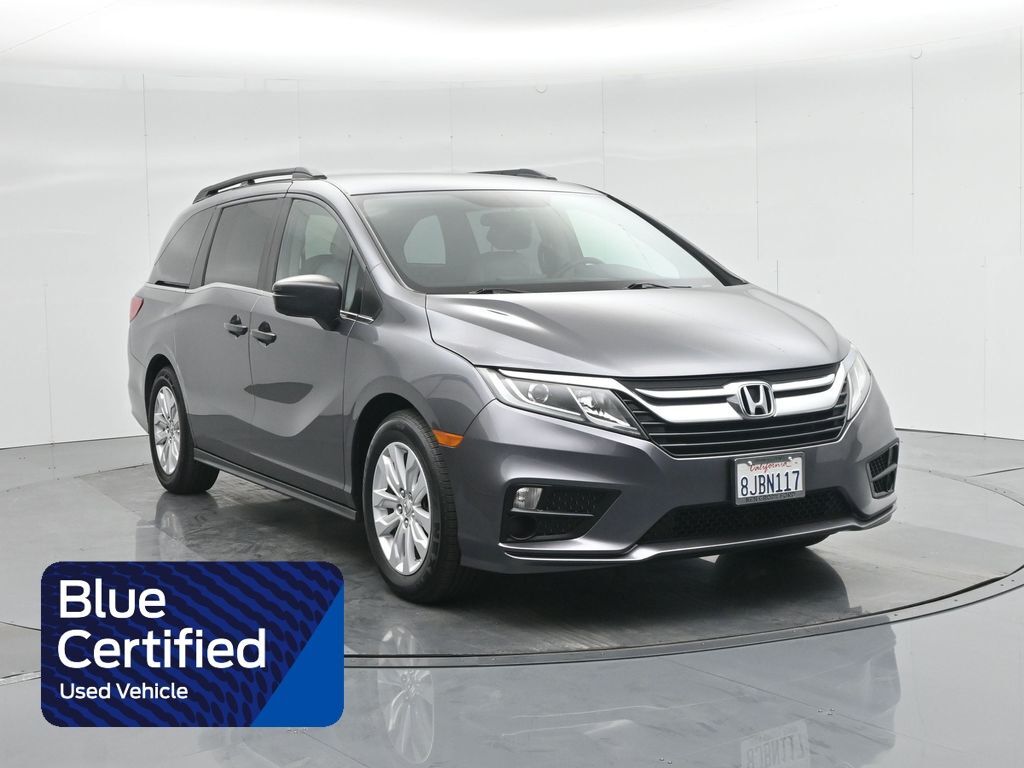
Credit: www.kengrodyfordorangecounty.com
Frequently Asked Questions
What Documents Are Needed To Buy A Used Car In California?
You need the title, bill of sale, smog certificate, and a valid ID. The seller must provide a signed title. A smog test is required if the car is over four years old. Always verify the vehicle’s history before purchase.
How To Check A Used Car’s History In California?
Use the VIN to get a vehicle history report from services like Carfax. This report shows accidents, title issues, and ownership records. It helps you avoid buying cars with hidden problems. Always review it carefully before finalizing the purchase.
What Is The Smog Certification Requirement For Used Cars?
Most used cars in California need a smog certification before sale. The seller usually provides a recent smog test certificate. Some exemptions apply, like electric vehicles or cars under four years old. This ensures the car meets emission standards.
How To Transfer Ownership Of A Used Car In California?
Both buyer and seller must complete the title transfer on the DMV form. Submit the signed title, smog certificate, and payment for fees. Complete the transfer within 10 days to avoid penalties. The DMV issues new registration and title to the buyer.
Conclusion
Buying a used car in California takes care and patience. Check the car’s history and condition carefully. Always ask for a test drive before buying. Make sure the price fits your budget and the car’s value. Don’t forget to complete all paperwork properly.
Taking these steps helps you avoid problems later. You can find a good car that meets your needs. Stay calm and think before you decide. This way, you will feel confident with your purchase.