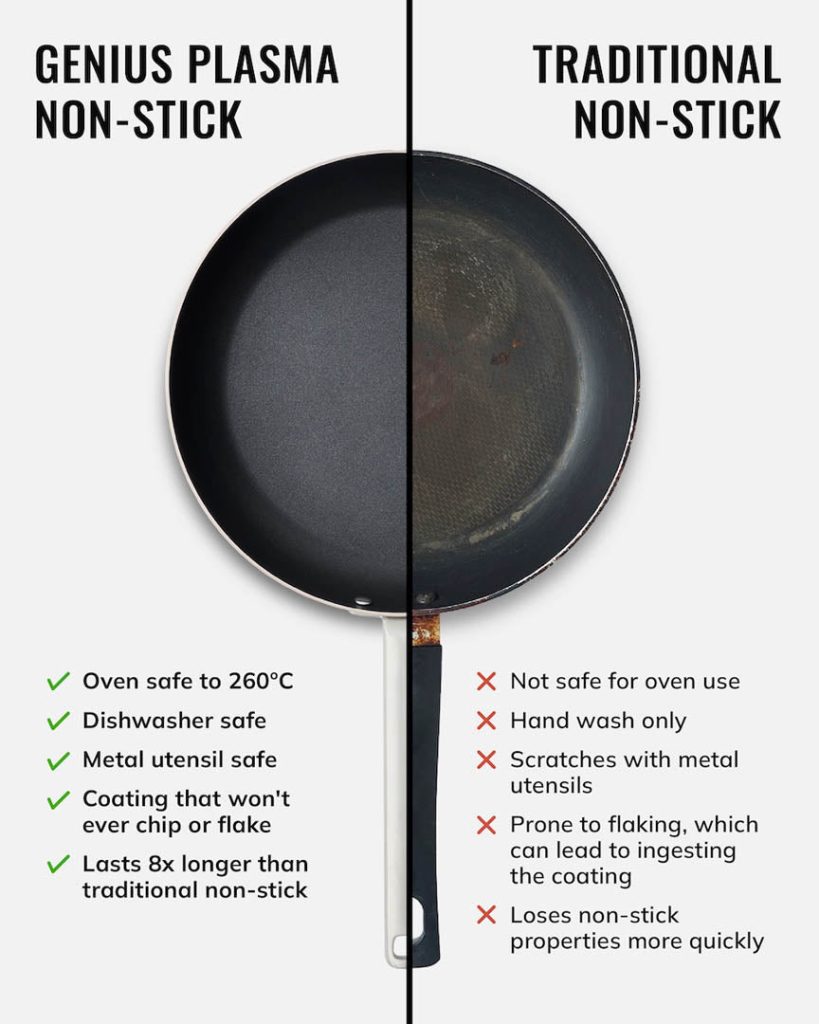
You’ve invested in nonstick cookware because it makes cooking easier and cleanup faster. But are you sure you’re taking care of it the right way?
Without proper care, your favorite pans can lose their magic coating, stickiness, and even become unsafe to use. You’ll discover simple, effective tips to keep your nonstick cookware in perfect shape for years. Read on to protect your investment and enjoy hassle-free cooking every time.
Choosing The Right Nonstick Cookware
Nonstick cookware makes cooking and cleaning easier. Choosing the right one helps you cook better meals.
There are many options for nonstick pans. Knowing the types, sizes, and prices will help you decide.
Types Of Nonstick Coatings
Nonstick pans have different coatings. Each coating has good and bad points.
- PTFE (Teflon):Very smooth and easy to clean. Avoid high heat to protect it.
- Ceramic:Made from natural materials. It is safe but may wear out faster.
- Anodized Aluminum:Hard and scratch-resistant. It heats evenly and lasts long.
Size And Shape Considerations
Choose size based on your cooking needs. Small pans are good for eggs, large ones for family meals.
| Size | Best Use |
| 8 inches | Cooking one or two servings |
| 10 inches | Everyday cooking for small families |
| 12 inches | Big meals and multiple servings |
Shapes affect how you cook. Deep pans hold sauces, while flat pans are good for frying.
Budget Vs Quality
Nonstick cookware comes in many price ranges. Cheaper ones may wear out fast.
- High-quality pans last longer and resist scratches.
- Mid-range pans offer a good balance of price and durability.
- Low-cost pans are affordable but may lose nonstick ability quickly.
Invest in cookware that fits your budget and cooking habits. Good care extends its life.
Credit: hexclad.com
Initial Preparation
Taking care of nonstick cookware starts before you cook with it. Preparing your pans properly helps them last longer and work better.
This guide covers cleaning before first use and how to season your nonstick pans to keep food from sticking.
Cleaning Before First Use
New nonstick pans often have dust or coating residues from the factory. Clean them carefully before cooking.
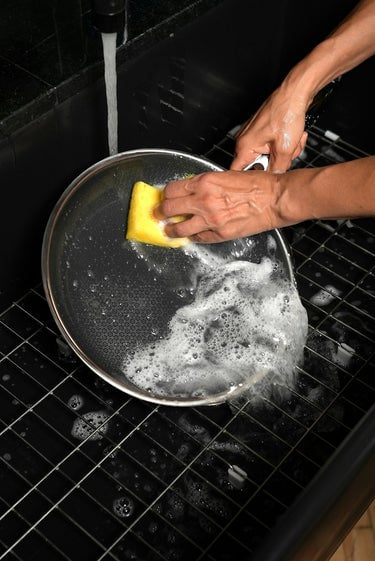
- Wash the pan with warm water and mild dish soap.
- Use a soft sponge or cloth to avoid scratching the surface.
- Rinse thoroughly to remove all soap traces.
- Dry the pan completely with a soft towel or air dry.
Seasoning Nonstick Pans
Seasoning adds a thin layer of oil to improve the nonstick surface and protect the pan. This step is especially helpful for some new pans.
| Seasoning Step | Details |
| Heat the pan | Warm on low heat for 1-2 minutes |
| Add oil | Rub a small amount of cooking oil inside the pan |
| Spread evenly | Use a paper towel to coat all surfaces thinly |
| Cool down | Let the pan cool before wiping excess oil |
Safe Cooking Practices
Nonstick cookware makes cooking easier and cleaning faster. To keep it working well, use safe cooking habits.
These tips help protect the nonstick surface and keep your food healthy.
Using Low To Medium Heat
Nonstick pans work best at low or medium heat. High heat can damage the coating and release harmful fumes.
Cook your food slowly to keep the surface safe and last longer.
Selecting Appropriate Utensils
Use soft utensils like wood, silicone, or plastic. Metal tools can scratch and ruin the nonstick surface.
Scratches can make food stick and cause the coating to peel off.
- Wooden spoons
- Silicone spatulas
- Plastic or nylon tools
Avoiding Cooking Sprays
Cooking sprays can build up residue on nonstick pans. This makes food stick and can damage the coating.
Use a small amount of oil or butter instead. This keeps your pan clean and safe for cooking.

Credit: cookdinehost.com
Cleaning Techniques
Nonstick cookware needs gentle care to last long. Cleaning it the right way keeps the coating safe.
Use soft tools and mild cleaners to avoid damage. Let’s look at the best ways to clean your nonstick pans.
Handwashing Tips
Always wash nonstick cookware by hand. This helps protect the coating from harsh dishwasher chemicals and heat.
- Use warm water and mild dish soap
- Clean with a soft sponge or cloth
- Avoid abrasive scrubbers or steel wool
- Rinse thoroughly to remove soap
- Dry with a soft towel to prevent water spots
Dealing With Stubborn Residue
Sometimes food sticks despite careful cooking. Use these steps to remove tough stains without hurting the pan.
| Method | How to Use |
|---|---|
| Soaking | Fill pan with warm, soapy water for 15–20 minutes before washing |
| Baking Soda Paste | Mix baking soda and water. Apply paste on residue. Let sit 10 minutes, then gently scrub. |
| Non-abrasive Scrubber | Use a soft nylon scrubber to rub away stuck food carefully |
Avoiding Dishwasher Damage
Dishwashers can harm nonstick pans. High heat and strong detergents break down the coating fast.
To keep your cookware safe, follow these tips:
- Handwash only, avoid the dishwasher
- Do not use harsh dishwasher detergents
- Dry immediately after washing to stop rust
Storage And Maintenance
Nonstick cookware needs care to last long. Proper storage and maintenance keep its surface safe.
Taking simple steps helps avoid scratches and damage. This keeps your pans working well.
Proper Stacking Methods
Stacking nonstick pans carelessly can cause scratches. Always use protection between pans to keep surfaces safe.
- Use soft cloth or paper towels between pans
- Stack pans with the nonstick side facing up
- Store pans in a way that avoids heavy pressure
Protecting The Coating
Keep the nonstick coating strong by avoiding harsh tools. Use wooden, silicone, or plastic utensils instead of metal.
Clean pans gently with soft sponges and mild soap. Avoid abrasive cleaners that can wear down the coating.
- Use gentle cleaning materials only
- Do not use steel wool or rough scrubbers
- Avoid high heat to protect the coating
Regular Inspection For Damage
Check your nonstick cookware often for scratches or peeling. Damaged coatings can release harmful particles.
Stop using pans if the surface is chipped or scratched deeply. Replace them to stay safe while cooking.
- Look for scratches, chips, or peeling
- Do not use cookware with damaged coating
- Replace pans that show wear to avoid risks
When To Replace Nonstick Cookware
Nonstick cookware makes cooking and cleaning easier. But these pans do not last forever. Knowing when to replace them keeps your food safe and tasty.
This guide helps you spot signs of wear, understand health risks, and learn how to recycle or dispose of old cookware.
Signs Of Wear And Tear
Nonstick pans show wear in many ways. Scratches or peeling surfaces reduce their nonstick ability. Over time, the coating can chip or flake off.
- Food sticks more than usual
- Visible scratches or chips on the cooking surface
- Discoloration or dark spots on the pan
- Warped or bent base causing uneven heating
- Peeling or flaking nonstick coating
Health Considerations
Damaged nonstick coatings can release harmful chemicals into food. Using cookware with flaking surfaces raises health concerns. Replace pans to avoid exposure.
| Condition | Health Risk |
| Intact coating | Safe to use |
| Minor scratches | Low risk but monitor |
| Peeling or chipping | High risk, replace immediately |
Recycling And Disposal Options
Nonstick pans may not be accepted in regular recycling. Check local rules before disposal. Some parts can be recycled if separated.
- Contact your local waste facility for guidelines
- Look for cookware recycling programs
- Donate pans in good condition to charities
- Dispose of damaged pans in the trash if no recycling is available

Credit: fromourplace.ca
Frequently Asked Questions
How Do You Clean Nonstick Cookware Safely?
To clean nonstick cookware, use warm soapy water and a soft sponge. Avoid abrasive pads that can damage the surface. After washing, rinse thoroughly and dry with a soft cloth. For stubborn food residues, soak the pan in warm water before gently scrubbing.
Can Metal Utensils Damage Nonstick Pans?
Yes, metal utensils can scratch and damage nonstick coatings. To preserve the surface, use wooden, silicone, or plastic utensils. These materials are gentle and safe for nonstick cookware, ensuring longevity and maintaining the nonstick properties.
Is It Safe To Use High Heat On Nonstick Cookware?
Using high heat on nonstick cookware is not recommended. It can break down the coating and reduce its lifespan. Cook on low to medium heat for optimal results and to maintain the nonstick surface’s integrity, ensuring safe and effective cooking.
How Often Should Nonstick Cookware Be Replaced?
Nonstick cookware should be replaced every three to five years. Signs it’s time to replace include significant surface scratches, peeling, or food sticking. Regular inspection and proper care can extend its lifespan, ensuring continued safe cooking.
Conclusion
Taking care of nonstick cookware keeps it safe and lasting longer. Use soft sponges and mild soap for cleaning. Avoid metal tools to protect the coating. Cook on low to medium heat for best results. Store pans carefully to stop scratches.
Small habits make a big difference over time. Enjoy cooking with your nonstick pans every day. Simple care helps save money and effort. Keep these tips in mind for happy cooking.