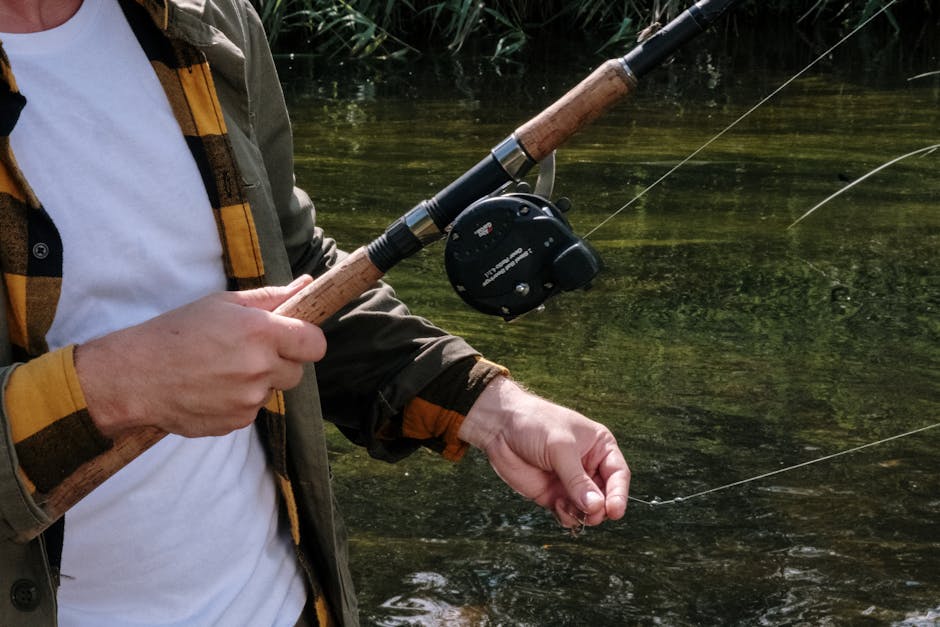
Have you ever stood by the water, rod in hand, and wondered how to cast a fishing rod like a pro? Casting might seem tricky at first, but with the right steps, you can master it quickly.
Imagine the thrill of sending your line smoothly across the water, ready to catch that big fish. In this guide, you’ll learn simple, clear tips to improve your casting skills right away. Keep reading, and soon you’ll feel confident and in control every time you fish.
Choosing The Right Rod And Reel
Fishing is fun when you have the right gear. The rod and reel are the most important parts of your equipment.
Choosing the right rod and reel can improve your fishing experience. It makes casting easier and more enjoyable.
Types Of Fishing Rods
Fishing rods come in different types for various fishing styles. Each type of rod is made for specific fish and waters.
- Spinning Rods:Great for beginners, easy to use.
- Casting Rods:Offer more control, good for larger fish.
- Fly Rods:Used for fly fishing, lightweight and flexible.
Selecting The Ideal Reel
Reels help to control the line. Picking the right reel depends on the fishing rod and the type of fishing.
- Spinning Reels:Easy to handle, good for beginners.
- Baitcasting Reels:Offers precision, ideal for experienced fishers.
- Fly Reels:Specifically for fly fishing, matches with fly rods.
Matching Rod And Reel
To fish well, match your rod and reel. They should work together for easy casting and reeling.
Ensure the rod and reel balance in weight and length. This helps in reducing fatigue and improving performance.
| Rod Type | Reel Type |
| Spinning Rod | Spinning Reel |
| Casting Rod | Baitcasting Reel |
| Fly Rod | Fly Reel |

Credit: fishingbooker.com
Essential Fishing Gear
Fishing needs some basic gear to start. Having the right equipment helps you fish well.
This guide covers important gear for casting a fishing rod. It includes lines, bait, and tools.
Fishing Line Options
Choosing the right fishing line affects how far and accurate you cast. Lines come in different types and strengths.
- Monofilament: Flexible and easy to handle, good for beginners.
- Fluorocarbon: Hard to see in water, sinks faster, good for clear water.
- Braid: Very strong and thin, casts far but may need special knots.
Choosing The Right Bait And Lures
Pick bait or lures that fish like in your area. Live bait works well for many fish types.
Lures come in different shapes and colors. Match the lure to the fish’s food and water conditions.
- Soft plastic baits imitate worms and small fish.
- Spinnerbaits flash light and attract fish by movement.
- Crankbaits dive and wiggle like injured prey.
- Live bait includes worms, minnows, or insects.
Additional Accessories
Extra tools make fishing easier and safer. Some gear helps you handle fish or fix your rod.
- Tackle box: Keeps hooks, lures, and lines organized.
- Fishing pliers: Help remove hooks and cut lines.
- Bobbers: Show when fish bite by floating on water.
- Sinkers: Help bait sink to the right depth.
- Fishing gloves: Protect your hands while handling fish.
Preparing Your Gear
Before casting your fishing rod, you need to get your gear ready. Proper setup makes fishing easier and more fun.
Check your rod, reel, line, hooks, and lures to ensure everything works well together.
Setting Up The Rod And Reel
Start by assembling the rod sections if it comes in pieces. Make sure each part fits tightly.
Attach the reel to the rod’s reel seat. Tighten the seat so the reel stays in place during casting.
Threading The Line
Pull the fishing line from the reel spool. Pass it through each guide on the rod, starting from the bottom.
Make sure the line goes through all guides smoothly to avoid tangles or snags.
Attaching Hooks And Lures
Choose a hook or lure that fits the fish you want to catch. Tie it securely to the line’s end.
- Use a strong knot like the improved clinch knot
- Trim extra line after tying to prevent snags
- Check that the hook or lure moves freely
Casting Techniques
Casting a fishing rod well helps you reach the best spots. It also makes fishing easier and more fun. Many casting styles fit different water and fish types.
Here are three common casting techniques to try. Each one uses a different motion and works best in certain situations.
Basic Overhead Cast
This is the most common casting style. It works for open water and long distances. Hold the rod above your head and swing it back, then forward to release the line.
- Grip the rod firmly but not tight
- Pull the rod back behind you
- Keep your eyes on the target
- Swing the rod forward smoothly
- Release the line at the right moment
Sidearm Cast
The sidearm cast is good for casting under trees or close to the water surface. Move the rod from your side in a low arc. This helps avoid obstacles above.
| Advantage | Good for tight spaces |
| Motion | Horizontal swing from the side |
| Best Use | Near bushes or low branches |
Roll Cast
This cast is helpful when you have no room to swing back. You roll the line on the water and then lift the rod to cast forward. It is smooth and controlled.
- Keep the rod tip low and just above water
- Pull the line tight before casting forward
- Lift the rod smoothly to send the line out
- Practice timing to avoid slack in the line
Step-by-step Casting Process
Casting a fishing rod well helps you reach the right spot in the water. It takes practice but is easy to learn.
This guide breaks down the casting process into clear steps. Follow them to improve your fishing experience.
Proper Grip And Stance
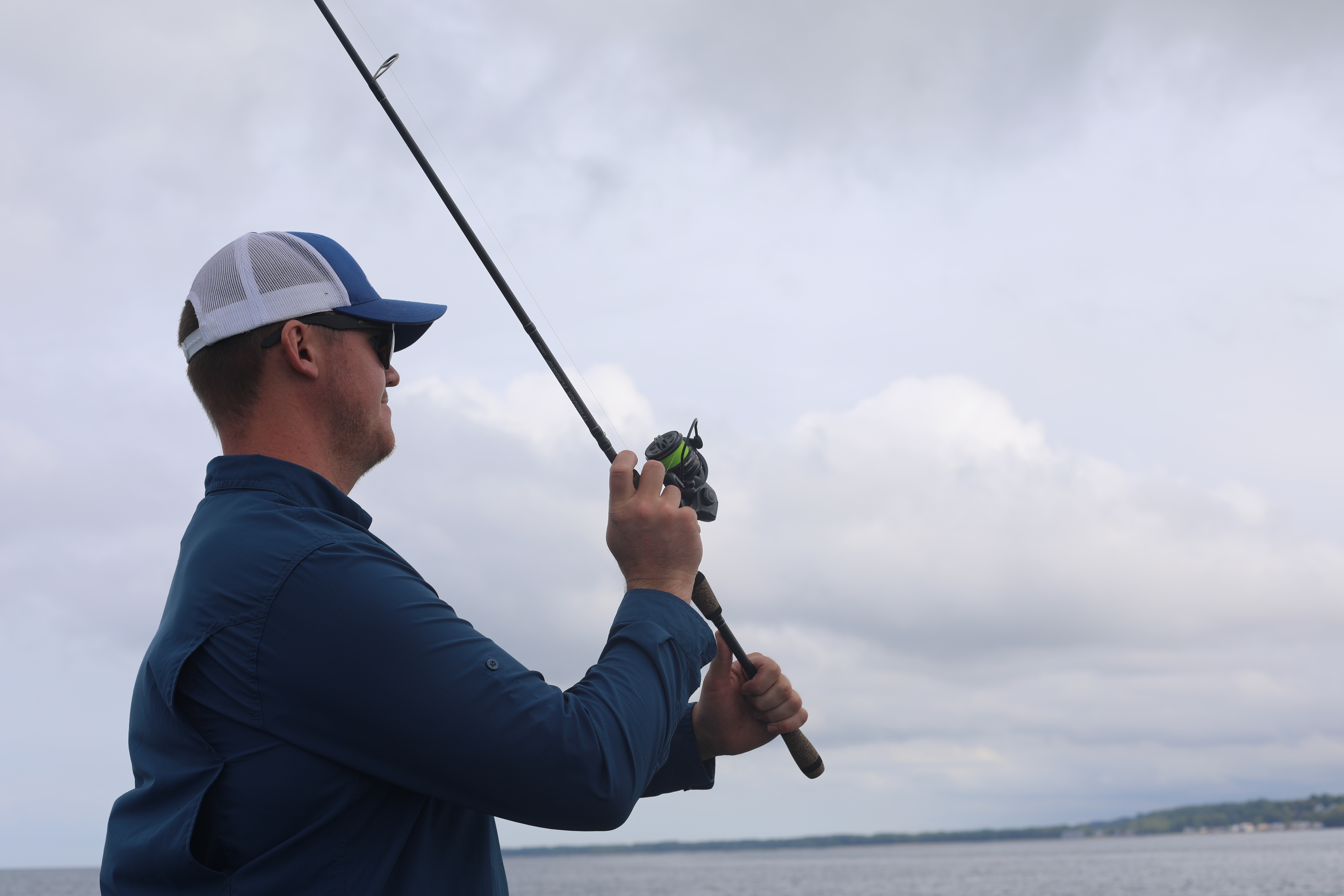
Hold the rod firmly but not too tight. Use your dominant hand to grip the handle near the reel.
Stand with your feet shoulder-width apart. Face the target area with your body turned slightly sideways.
- Grip rod handle just above the reel
- Keep your thumb on top for control
- Stand with feet about shoulder-width apart
- Turn your body so your side faces the target
Drawing The Rod Back
Lift the rod slowly and draw it back behind you. Stop when the rod tip is about 1 o’clock position.
Keep your arm steady and your wrist firm. This sets up the power for the forward cast.
- Raise rod tip slowly behind your head
- Stop when rod points at about 1 o’clock
- Keep your wrist firm and arm steady
Forward Casting Motion
Move the rod forward in a smooth, controlled motion. Aim to bring the rod tip to about 10 o’clock position.
Use your arm and wrist together. Do not jerk the rod; keep the motion fluid and steady.
- Swing rod forward smoothly
- Stop rod tip near 10 o’clock position
- Use arm and wrist for control
- Avoid sudden or jerky movements
Releasing The Line
As the rod moves forward, release the line at the right time. Let the lure fly toward the target area.
Practice the timing to avoid tangled lines. Release too early or late, and the cast will be less effective.
- Release line as rod reaches forward position
- Let lure fly toward the target
- Practice timing for smooth release
- Avoid early or late line release
Credit: www.fishusa.com
Common Casting Mistakes
Casting a fishing rod well takes practice. Many beginners make simple mistakes that reduce their chances of catching fish. Knowing these mistakes helps you improve faster.
This guide covers common errors like overcasting, line tangles, and wrong timing. Fixing these will make your cast smoother and more accurate.
Overcasting And Undercasting
Overcasting means you throw the line too far. Undercasting means you do not cast far enough. Both reduce your fishing success.
- Overcasting can scare fish away or make your lure land in rough water.
- Undercasting limits the area you can fish, missing good spots.
- Keep your arm and wrist controlled to avoid too much or too little force.
- Practice measuring your cast distance to find the right power.
Line Tangles And Backlashes
Line tangles and backlashes happen when the spool spins too fast or the line does not flow smoothly. This causes knots and messes that waste your time.
| Cause | Effect | How to Avoid |
| Spool spins too fast | Backlash or “bird’s nest” | Adjust the reel brake and slow the spool |
| Line not released smoothly | Line tangles and knots | Practice smooth thumb control on the spool |
| Wrong line type or old line | More tangles | Use proper fishing line and replace old line |
Incorrect Timing
Timing your cast is key. If you release the line too early or too late, the lure will not reach the target well.
Use this simple timing checklist:
- Start with the rod tip behind you.
- Bring the rod forward smoothly.
- Release the line just as the rod tip points at your target.
- Stop the rod to control the lure’s flight.
Tips To Improve Accuracy And Distance
Casting a fishing rod well takes practice and good technique. You want to cast far and hit your target often.
Here are some tips to help you improve both your casting accuracy and distance.
Adjusting Casting Speed
Changing how fast you cast affects how far and accurately your line will go. A smooth, steady speed works best.
- Start slow to control the direction.
- Increase speed gently to add distance.
- Too fast can cause the line to tangle or lose aim.
- Too slow may not reach your target.
Body Movement And Balance
Your body helps guide the rod. Stand with feet shoulder-width apart for balance. Use your hips and shoulders to add power.
| Body Part | Role in Casting |
| Feet | Keep steady and balanced |
| Hips | Rotate to add force |
| Shoulders | Lead the rod forward |
| Arms | Control rod movement and speed |
Practicing Regularly
Practice makes your casting better. Try often in different conditions to improve skill and confidence.
Keep these tips in mind during your practice sessions:
- Focus on smooth casting motion.
- Watch how the line flies and lands.
- Adjust speed and stance based on results.
- Practice in calm and windy weather.
- Rest your arm to avoid strain.
Safety Measures While Casting
Casting a fishing rod can be fun and relaxing. It is important to stay safe while doing it. Paying attention to safety helps avoid accidents and injuries.
Before you cast, take some time to prepare and check your surroundings. Follow simple safety steps to protect yourself and others nearby.
Checking Surroundings
Look around before you cast your rod. Make sure there is enough space behind and in front of you. Check for people, animals, and objects.
Avoid casting near trees, power lines, or buildings. Clear space helps prevent accidents and tangled lines.
- Keep at least 10 feet clear behind you
- Watch for people standing close by
- Check for low branches or wires
Handling Hooks Safely
Hooks can be sharp and cause injury. Always handle hooks with care. Keep them covered when not in use.
Use pliers to attach or remove hooks. Avoid touching the sharp points directly with your fingers.
- Keep hooks in a tackle box when not fishing
- Wear gloves if possible when handling hooks
- Be careful when casting to avoid hooking yourself or others
Weather Considerations
Check the weather before you go fishing. Avoid casting in strong winds or storms. Bad weather can make casting dangerous.
Rain and wet surfaces can cause slips. Lightning is very dangerous near water. Always find shelter if a storm approaches.
- Cast only in calm or mild wind conditions
- Do not fish during thunderstorms
- Wear proper clothing for the weather

Credit: www.aftco.com
Frequently Asked Questions
How Do I Properly Grip A Fishing Rod?
Hold the rod with your dominant hand above the reel. Wrap your fingers firmly but comfortably around the handle. Maintain a relaxed grip to improve control and reduce fatigue. This grip ensures better casting accuracy and prevents slipping during the cast.
What Is The Best Casting Technique For Beginners?
Start with a sidearm cast by swinging the rod backward and then forward smoothly. Release the line at a 45-degree angle. Practice timing your release to improve distance and accuracy. This technique is simple and effective for new anglers.
How Can I Improve My Casting Distance?
Use a longer back cast and increase rod speed gradually. Keep the rod tip high and release the line smoothly at the right moment. Practicing these steps helps generate more power and achieve longer casts without sacrificing accuracy.
When Should I Release The Fishing Line During Casting?
Release the line when the rod tip points toward your target, usually at a 45-degree angle. Timing is crucial; release too early or too late reduces accuracy. Practicing this helps you place the bait exactly where you want it.
Conclusion
Casting a fishing rod takes practice and patience. Start slow and focus on your form. Each cast helps you improve your aim and distance. Don’t rush; enjoy the process and learn from mistakes. Remember, fishing is about fun and relaxation.
Keep trying, and soon you will cast like a pro. Grab your rod and enjoy your time by the water. Simple steps lead to better fishing days ahead.