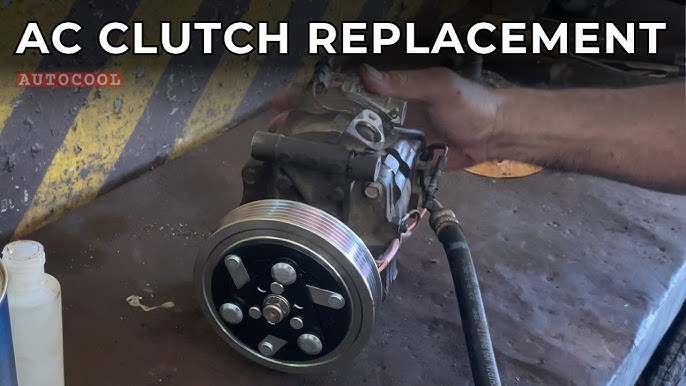
Is your air conditioner not cooling like it used to? The compressor might be the problem.
Changing your air conditioner compressor might sound complicated, but with the right steps, you can do it yourself and save money. In this guide, you’ll learn exactly how to change your air conditioner compressor safely and efficiently. Keep reading, and by the end, you’ll feel confident handling this important repair on your own.

Credit: www.reddit.com
Signs Of A Faulty Compressor
The compressor is a key part of your air conditioner. It helps cool your home by compressing refrigerant. If the compressor fails, the AC will not work well.
Knowing the signs of a bad compressor helps you fix problems early. This keeps your AC running smoothly and saves money.
Common Symptoms
You can spot a faulty compressor by watching how your AC behaves. Some signs show the compressor is struggling or broken.
- The AC blows warm air instead of cold
- Loud noises like clanking or humming come from the unit
- The AC turns on and off quickly or does not start
- Higher electricity bills without more usage
- The unit trips the circuit breaker often
- Ice forms on the compressor or refrigerant lines
When To Replace
Replace the compressor if it causes constant problems or stops working. Repair may not be enough if damage is severe.
Check for these signs before choosing to replace:
- The compressor fails to start after multiple attempts
- Repeated repairs cost more than a new compressor
- The AC runs but does not cool the air
- There is visible damage or leaks on the compressor
- The unit is old and compressors are hard to find
Tools And Materials Needed
Changing an air conditioner compressor requires specific tools and materials. Using the right equipment helps you do the job safely and correctly.
This guide covers the essential tools and safety gear you need before starting the replacement process.
Essential Tools
Having the correct tools makes changing the compressor easier and faster. Below is a list of the main tools required for the task.
- Socket wrench set
- Refrigerant recovery machine
- Vacuum pump
- Manifold gauge set
- Tube cutter
- Soldering torch
- Multimeter
- Adjustable wrench
- Flathead and Phillips screwdrivers
- Torque wrench
Safety Gear
Safety gear protects you from potential hazards during the compressor replacement. Wear the proper equipment to avoid injuries.
| Safety Gear | Purpose |
| Safety glasses | Protect eyes from debris and refrigerant |
| Gloves | Shield hands from sharp edges and chemicals |
| Long-sleeve shirt | Protect skin from burns and cuts |
| Respirator mask | Prevent inhalation of refrigerant fumes |
| Closed-toe shoes | Guard feet from falling objects and sharp tools |
Preparing The Air Conditioner
Changing an air conditioner compressor requires careful preparation. This helps avoid damage and keeps you safe.
Before starting, you need to power off the unit and access the compressor properly. Follow the steps below.
Power Off And Disconnect
Turn off the air conditioner and disconnect it from power. This prevents electric shock and protects the unit.
- Locate the main power switch or circuit breaker for the air conditioner.
- Switch off the power to the unit completely.
- Unplug the air conditioner if it uses a plug.
- Use a voltage tester to confirm no power is running to the unit.
Accessing The Compressor
After powering off, open the unit to reach the compressor. You will need tools and safety gear.
| Tool | Purpose |
|---|---|
| Screwdriver | Remove access panel screws |
| Wrench | Disconnect compressor fittings |
| Gloves | Protect hands from sharp edges |
| Safety goggles | Protect eyes from debris |
Remove the screws on the service panel carefully. Keep them safe for reassembly. Then, gently pull the panel off.
- Wear gloves and goggles before handling the unit.
- Check for refrigerant lines connected to the compressor.
- Be careful not to damage wires or pipes.
Credit: www.mazda3forums.com
Removing The Old Compressor
Changing an air conditioner compressor starts with removing the old one. This process needs care and the right tools.
Follow safety steps to avoid damage or injury. Removing the compressor properly helps install the new one easily.
Disconnecting Electrical Wires
First, turn off power to the air conditioner at the breaker box. This stops electric shocks.
Find the compressor’s electrical wires. They connect to the unit’s terminal box. Carefully remove the wire connectors.
- Use a screwdriver to open the terminal box.
- Note wire locations to reconnect later.
- Remove each wire connector carefully.
- Keep wires separated to avoid contact.
Releasing Refrigerant Safely
Air conditioners have refrigerant gas inside. Releasing it improperly can harm the environment.
Only a licensed technician should recover refrigerant. They use special equipment to capture it safely.
- Do not puncture or open refrigerant lines yourself.
- Call a professional for refrigerant recovery.
- Check local laws for refrigerant handling rules.
Detaching Compressor From Unit
After wires and refrigerant are handled, remove the compressor from the unit. It is usually held by bolts.
Use a wrench to loosen and remove these bolts. Lift the compressor carefully to avoid damage.
- Check that all connections are free.
- Support the compressor while loosening bolts.
- Lift the compressor straight up and out.
- Place the old compressor on a safe surface.
Installing The New Compressor
Installing a new air conditioner compressor is a careful process. It requires attention to detail and safety measures.
This guide explains how to position, secure, and reconnect the compressor correctly.
Positioning And Securing
Place the new compressor where the old one was removed. Make sure it fits well in the mounting area.
Use the mounting bolts to secure the compressor firmly. Tighten the bolts to avoid movement during operation.
- Align the compressor with the mounting brackets
- Insert bolts through mounting holes
- Tighten bolts evenly to prevent vibration
- Check that the compressor sits level
Reconnecting Electrical Components
Connect the electrical wires to the compressor terminals. Match each wire to the correct terminal to avoid damage.
Secure the connectors firmly. Loose connections can cause electrical problems or failure.
- Identify each wire and terminal label
- Attach wires to corresponding terminals
- Use wire nuts or terminal screws as needed
- Double-check all connections before powering on
Recharging The Refrigerant
Recharging the refrigerant is an important part of changing an air conditioner compressor. It helps the system cool properly. Without the right amount of refrigerant, the AC will not work well.
This process requires care and the correct tools. You must follow safety steps to avoid damage or injury.
Types Of Refrigerant
There are different types of refrigerants used in air conditioners. Each type has its own properties and rules for charging.
Choosing the right refrigerant is important for system performance and safety.
- R-22: Older type, being phased out due to environmental rules
- R-410A: Common in newer systems, safer for the environment
- R-134a: Used in some special AC systems
- R-32: Newer refrigerant with better efficiency
Proper Charging Techniques
Proper charging means adding the right amount of refrigerant. Too little or too much can harm the system.
Use a gauge set and follow the manufacturer’s specifications for pressure and amount.
- Check for leaks before charging
- Connect gauges to service ports carefully
- Open valves slowly to add refrigerant
- Monitor pressure levels during charging
- Stop charging once the correct pressure is reached
Testing The Repair
After changing the air conditioner compressor, you must test the repair. Testing ensures the unit works properly and safely.
Check all parts and operation before using the air conditioner again. This helps avoid future problems.
Powering On The Unit
Turn on the air conditioner to start testing. Watch for any unusual sounds or vibrations.
Make sure the compressor runs smoothly and the fan spins as it should. Listen carefully to catch any issues early.
Checking For Leaks And Performance
Look for refrigerant leaks around the new compressor and connections. Use a leak detector or soapy water to find bubbles.
Check if the air conditioner cools the room well. Measure the temperature difference between the air intake and the output.
- Inspect all pipe joints for signs of leaking
- Ensure the compressor pressure readings are within normal limits
- Verify the unit cycles on and off correctly
- Confirm that the cooling performance meets the original specifications

Credit: www.youtube.com
Maintenance Tips To Extend Compressor Life
Keeping your air conditioner compressor in good condition saves money. Regular care helps it run longer and better.
This guide covers simple steps to keep your compressor healthy and avoid early damage.
Regular Cleaning
Dirt and dust build-up can harm your compressor. Clean parts regularly to keep air flowing well.
- Turn off power before cleaning
- Remove debris around the compressor unit
- Clean condenser coils gently with a soft brush
- Check and clean air filters monthly
- Clear the drain channels to avoid water damage
Timely Inspections
Check your compressor often to spot issues early. This prevents big repairs and extends its life.
| Inspection Task | Frequency | What to Look For |
| Check refrigerant levels | Every 6 months | Leaks or low levels |
| Inspect electrical connections | Every 6 months | Loose wires or damage |
| Listen for unusual noises | Monthly | Humming or rattling sounds |
| Check compressor temperature | Monthly | Overheating signs |
| Look for oil leaks | Every 6 months | Oil stains or drips |
Frequently Asked Questions
What Tools Do I Need To Change An Ac Compressor?
To change an AC compressor, you’ll need basic tools like a wrench, screwdrivers, and a ratchet set. Additionally, you’ll require a vacuum pump, manifold gauge set, and safety glasses. These tools ensure a smooth and safe replacement process, enabling you to successfully change the compressor in your air conditioning system.
How Long Does It Take To Replace An Ac Compressor?
Replacing an AC compressor typically takes 3 to 5 hours. The time varies based on your experience and the complexity of the unit. Proper preparation and having all the necessary tools ready can help streamline the process, ensuring a quicker and more efficient compressor replacement.
What Are The Signs Of A Failing Compressor?
Signs of a failing compressor include unusual noises, reduced cooling efficiency, and frequent cycling. You might also notice the compressor not starting or the circuit breaker tripping. Identifying these symptoms early can help prevent further damage and ensure timely replacement, maintaining your air conditioner’s performance.
Can I Replace The Ac Compressor Myself?
Yes, you can replace an AC compressor yourself if you have the right tools and knowledge. However, it’s a complex task requiring technical skills and safety precautions. If you’re unsure or inexperienced, it’s advisable to hire a professional to ensure safe and efficient replacement, avoiding potential risks and further complications.
Conclusion
Changing an air conditioner compressor takes care and attention. Follow the steps carefully for safety and success. Use the right tools and parts to avoid damage. Take your time and double-check each step. Regular maintenance helps your AC last longer and work better.
A working compressor keeps your home cool and comfortable. Stay patient and focused throughout the process. This guide helps you handle the job with confidence.