Is your air conditioner not cooling like it used to? You might be dealing with low refrigerant levels, which means it’s time to charge your AC.
But how do you do it safely and effectively? If you try to guess or ignore the problem, you could end up with bigger issues and higher bills. This guide will walk you through simple steps to charge your air conditioner yourself, saving you money and keeping your home cool all summer long.
Keep reading to learn exactly what you need to do and avoid common mistakes that many people make. Your comfort depends on it!
Credit: m.youtube.com
Types Of Air Conditioners
Window unitsare small air conditioners that fit in windows. They cool one room and are easy to install. These units often use a simple charging process with a refrigerant refill port.
Split systemshave two parts: an indoor unit and an outdoor compressor. They cool larger spaces and work quietly. Charging these systems needs special tools and knowledge about refrigerants.
Portable modelscan be moved from room to room. They use hoses to vent hot air outside. Charging portable units is less common but may be needed if cooling drops.
Why Charging Matters
Charging the air conditionermeans adding refrigerant to keep it working well. The right amount of refrigerant helps the AC cool the air effectively. Without enough refrigerant, the AC cannot remove heat properly. This causes the unit to work harder and use more electricity.
Signs that the refrigerant is low include:
- Warm air blowing from the vents
- Longer cooling cycles
- Ice forming on the AC coils
- Higher energy bills
Low refrigerant also risks damage to the compressor. Keeping the refrigerant at the right level ensures better coolingand longer AC life.
Tools Needed For Charging
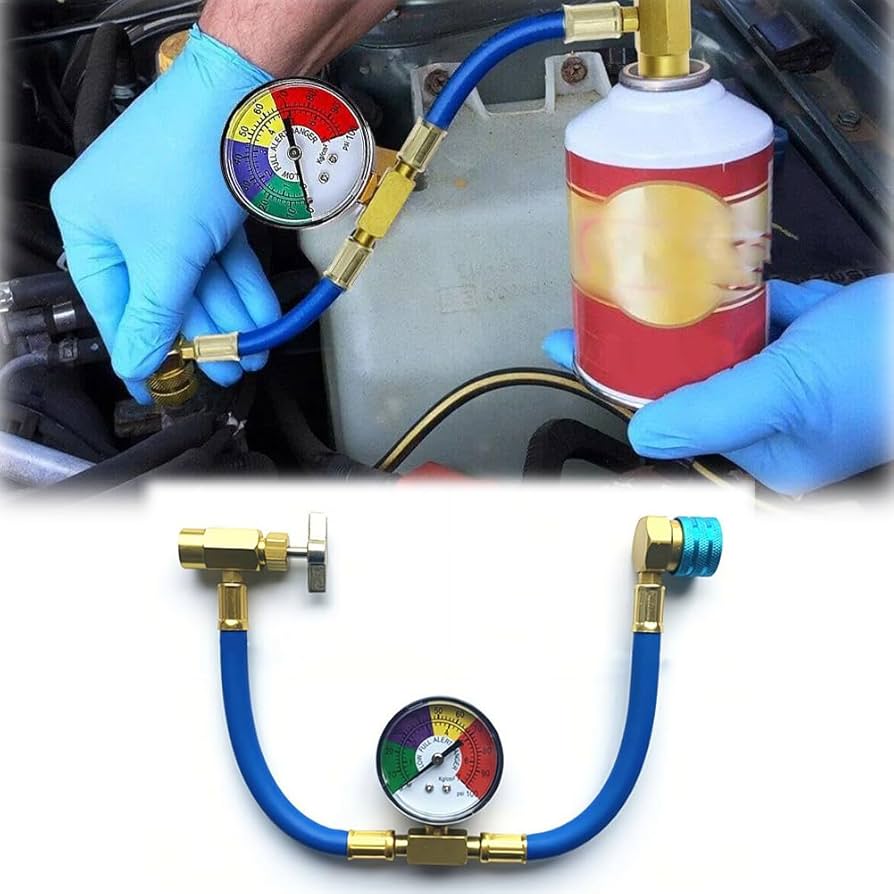
Essential tools for charging an air conditioner include a refrigerant gauge set, a vacuum pump, and the correct refrigerant type. These tools help measure pressure, remove air, and refill the system safely. Proper equipment ensures efficient and safe air conditioner charging.
Refrigerant Gauge
The refrigerant gaugehelps check the pressure inside the air conditioner. It shows if the system needs more refrigerant or not. Using this tool prevents overcharging, which can harm the unit.
Charging Hose
The charging hoseconnects the refrigerant can to the air conditioner. It allows the gas to flow safely into the system. Make sure the hose is tight and without leaks to avoid gas loss.
Protective Gear
Wearing protective gearis very important. Gloves and safety glasses protect your skin and eyes from harmful refrigerant. Always use this gear to stay safe during charging.
Preparing The Air Conditioner
Turn off the air conditioner unit before starting any work. This keeps you safe and stops damage. Locate the service valveon the outdoor unit. It controls the flow of refrigerant.
Check the valve and nearby pipes for any visible leaks. Look for oil stains or hissing sounds. Leaks cause poor cooling and waste refrigerant. Fix leaks before charging the system.
Step-by-step Charging Process
Attach the gauge set securely to the air conditioner’s service ports. Ensure the connections are tight to prevent leaks. Use the low-pressure and high-pressure ports correctly to get accurate readings.
Open the refrigerant can carefully. Connect it to the gauge hose without spilling. Add refrigerant slowly to avoid overcharging the system. Always wear gloves and safety glasses for protection.
| Pressure Type | Recommended Range | Action |
|---|---|---|
| Low Pressure | 25-45 psi | Adjust refrigerant flow accordingly |
| High Pressure | 200-250 psi | Monitor for system safety |
Keep checking the gauges while adding refrigerant. Stop charging if the pressure reaches the recommended range. This helps keep the air conditioner safe and working well.
Safety Precautions
Handling refrigerantsrequires care. Use gloves and goggles to protect skin and eyes. Avoid breathing in fumes. Work in a well-ventilated area to reduce risk. Always use approved tools for refrigerant charging. Store refrigerants in a cool, dry place away from flames.
Avoiding overchargingis crucial for air conditioner safety. Overcharging can harm the unit and waste energy. Check the manufacturer’s guidelines for proper refrigerant levels. Use gauges to monitor pressure accurately. Stop charging once the correct pressure is reached.
Environmental considerationsmatter when charging air conditioners. Refrigerants can harm the ozone layer and cause global warming. Use eco-friendly refrigerants if possible. Prevent leaks during charging by sealing connections tightly. Dispose of old refrigerants following local regulations.
When To Call A Professional
Complex problems with the air conditioner often need expert help. Issues like leaks, electrical faults, or strange noises require special tools and skills. Professionals can safely handle refrigerants and fix hidden problems. Trying these repairs alone might cause damage or injury.
Warranties usually have strict rules. Repair work done by unlicensed people can void the warranty. To keep warranty protection, it’s best to hire certified technicians. They follow the manufacturer’s guidelines carefully.
Legal rules control how refrigerants are handled and disposed of. Only trained professionals can work with certain chemicals safely. Breaking these laws can lead to fines or legal trouble. Trusting experts ensures safety and compliance.

Credit: www.youtube.com
Maintaining Optimal Cooling
Regular inspections help keep the air conditioner working well. Check for leaks and any damage to the unit. Look at the refrigerant levels to ensure proper cooling. Low refrigerant can make the air conditioner less effective.
Cleaning filters is important. Dirty filters block air and reduce cooling power. Remove the filters and wash them with water. Let them dry completely before putting them back. Clean filters improve air flow and save energy.
Scheduling routine service keeps the air conditioner in good shape. A professional can check parts, clean coils, and refill refrigerant if needed. Regular service prevents breakdowns and extends the life of the unit.

Credit: www.youtube.com
Frequently Asked Questions
How Do You Know If Your Ac Needs Charging?
If your AC blows warm air or takes longer to cool, it may need charging. Frequent cycling and hissing noises are also signs. Additionally, ice on the refrigerant lines or higher energy bills can indicate low refrigerant levels. Always consult a professional for accurate diagnosis and service.
Can I Charge My Ac Myself?
While possible, it’s not recommended to charge your AC yourself. Handling refrigerants requires specialized knowledge and equipment. Incorrect charging can damage your system or void warranties. Hiring a certified HVAC technician ensures safety and compliance with regulations. It also guarantees optimal performance and longevity of your air conditioning unit.
How Often Should Ac Be Recharged?
Air conditioners typically don’t require regular recharging. If maintained properly, they should hold refrigerant indefinitely. However, if there’s a leak, you may need a recharge. It’s best to have your AC inspected annually by a professional to ensure there are no leaks or other issues affecting performance.
What Refrigerant Is Used In Acs?
Most modern air conditioners use R-410A refrigerant, which is more environmentally friendly. Older units might use R-22, which is being phased out due to its ozone-depleting properties. It’s important to know your unit’s refrigerant type before charging. Always consult with a professional for any refrigerant-related services.
Conclusion
Charging your air conditioner helps it cool better and last longer. Always check the right refrigerant type for your model. Use proper tools and follow safety steps to avoid damage. Regular maintenance keeps your AC working smoothly. If unsure, ask a professional for help.
Keep your home cool and comfortable all year. Small efforts make a big difference in AC performance. Stay safe and enjoy fresh, cool air every day.