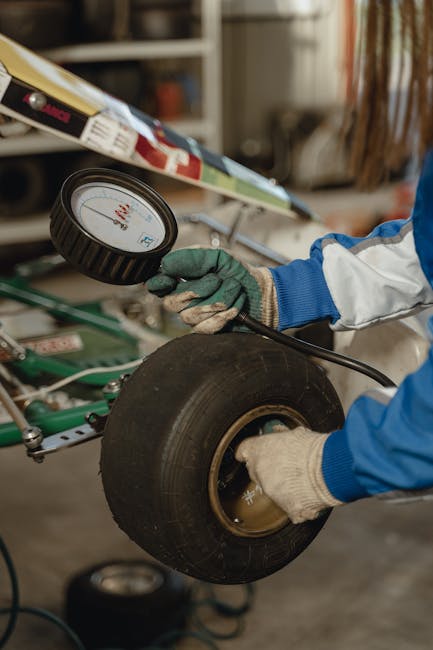
Are your car tires feeling a little off lately? Knowing how to check tire pressure is one of the simplest ways to keep your car running smoothly and safely.
You might not realize it, but underinflated or overinflated tires can cost you more on fuel, wear out faster, and even put you at risk on the road. In this guide, you’ll learn exactly how to check your tire pressure quickly and correctly—no special tools or skills needed.
Keep reading, and you’ll gain the confidence to take control of your car’s performance and safety today.
Importance Of Proper Tire Pressure
Keeping the right tire pressure is very important for your car. It helps your car drive safely and saves money on fuel.
Checking tire pressure often can stop problems before they start. It makes your car last longer and work better.
Safety Benefits
Proper tire pressure helps your car stay stable on the road. It improves how well your car stops and turns.
Under-inflated tires can cause accidents. Over-inflated tires may burst more easily. Both are dangerous.
- Better grip on wet or dry roads
- Shorter stopping distances
- Less chance of tire blowouts
Fuel Efficiency
When tires have the right pressure, the car uses less fuel. This saves money and helps the environment.
Low tire pressure makes the engine work harder. This causes more fuel to burn and wastes energy.
- Proper pressure lowers rolling resistance
- Improves miles per gallon (MPG)
- Reduces carbon emissions
Tire Longevity
Correct tire pressure helps tires wear evenly. This makes tires last longer and saves you money.
Over or under-inflated tires wear out faster. This means you must replace them sooner.
- Even tread wear increases tire life
- Prevents sidewall damage
- Reduces risk of tire failure

Credit: www.carhub.ca
Tools Needed To Check Tire Pressure
Checking tire pressure is important to keep your car safe. You need the right tools to get the job done well.
Using the correct tools helps you get an accurate reading. This keeps your tires in good shape and saves fuel.
Types Of Tire Pressure Gauges
Tire pressure gauges come in different styles. Each type shows the pressure in a different way.
- Stick Gauge: A small rod slides out to show pressure.
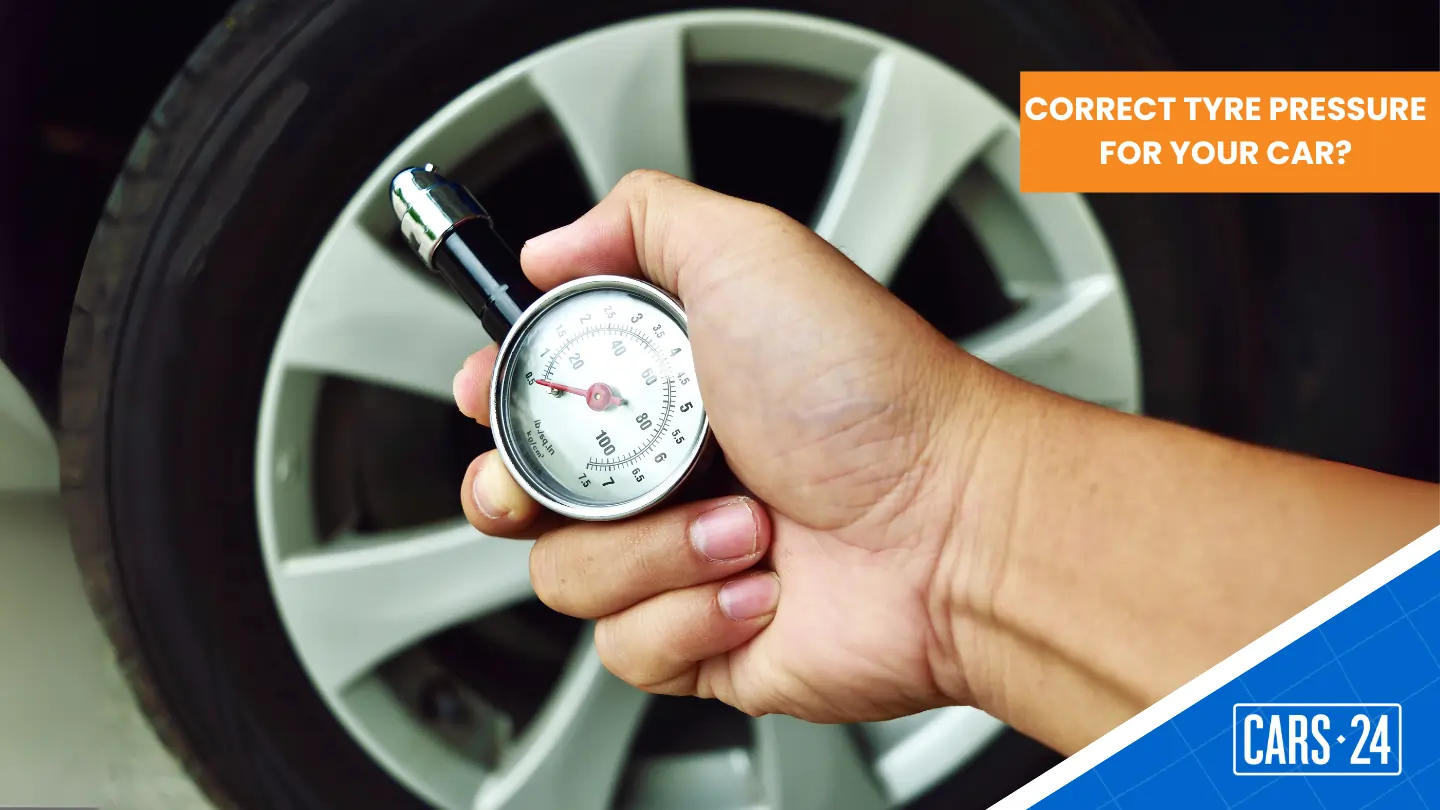
- Dial Gauge: A round dial shows the pressure on a needle.
- Digital Gauge: A screen shows numbers for easy reading.
Choose a gauge that is easy for you to read and use. All types can give good results if used right.
Using Digital Vs. Analog Gauges
Digital gauges use electronic screens to show tire pressure. They give quick and clear numbers.
Analog gauges use a dial or stick to show pressure. They do not need batteries and are simple to use.
- Digital:Easy to read, needs batteries, can be more precise.
- Analog:No batteries needed, simple design, may be harder to read.
When To Check Tire Pressure
Checking your car’s tire pressure helps keep you safe on the road. It also saves fuel and extends tire life.
Knowing when to check tire pressure is important. This guide shows the best times to do it.
Ideal Frequency
Check your tire pressure regularly. This keeps your tires in good shape and avoids problems.
- Check once a month to catch slow leaks.
- Check before long trips to ensure safety.
- Check after temperature changes as pressure can drop.
- Check if you notice uneven tire wear or handling issues.
Best Time Of Day
Check tire pressure when tires are cold. Heat from driving can change the pressure reading.
| Time of Day | Reason |
| Morning | Tires are cool after resting all night |
| Before Driving | Pressure is stable before heating up |
| Avoid After Driving | Heat raises tire pressure and gives false reading |
Credit: tiredirect.ca
Step-by-step Guide To Checking Tire Pressure
Checking tire pressure helps keep your car safe and fuel efficient. Tires with correct pressure last longer and drive better.
You only need a few tools and a few minutes to check your tire pressure. Follow these steps to do it right.
Locate The Valve Stem
Look for the small rubber or metal stem on your tire. It sticks out from the wheel and holds the air inside.
The valve stem is usually easy to find near the edge of the wheel. You will use it to check the air pressure.
Remove The Valve Cap
Unscrew the small cap on the valve stem. Turn it counterclockwise until it comes off.
Keep the cap safe. You will need to put it back after checking the pressure.
Use The Pressure Gauge
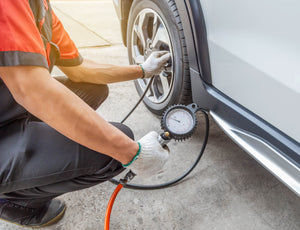
Press the tire pressure gauge firmly onto the valve stem. You may hear a short hiss of air.
Read the number on the gauge. This shows the current tire pressure in PSI (pounds per square inch).
Compare With Recommended Pressure
Find the recommended tire pressure for your car. Check the sticker inside the driver’s door or the owner’s manual.
Compare the number from the gauge to the recommended PSI. This helps you know if your tires need air.
Adjust Pressure If Needed
If the tire pressure is too low, add air using an air compressor. If it is too high, release some air.
After adjusting, check the pressure again with the gauge. Replace the valve cap when done.
Common Tire Pressure Issues
Tire pressure is vital for your car’s safety and performance. Many drivers face common issues with tire pressure.
Understanding these issues helps maintain your tires and avoid accidents.
Underinflation Risks
Underinflated tires can cause serious problems. They wear out faster and may lead to blowouts.
Low pressure increases fuel consumption. This means you spend more money on gas.
- Increased tire wear
- Higher fuel costs
- Greater chance of tire blowouts
Overinflation Effects
Overinflated tires are also problematic. They make your ride less comfortable.
Too much air pressure can reduce tire grip. This is dangerous, especially on wet roads.
- Less comfortable ride
- Reduced tire grip on roads
- Increased risk of skidding
Detecting Leaks
Detecting tire leaks is important. Small leaks can cause big problems if ignored.
Check your tires regularly for nails or debris. Use soapy water to find leaks if needed.
- Check for nails or sharp objects
- Use soapy water to spot leaks
- Listen for hissing sounds
Tips For Maintaining Proper Tire Pressure
Keeping the right tire pressure is important for safety and fuel efficiency. Check your tires often to avoid problems on the road.
Use a good tire pressure gauge and follow the car maker’s recommended pressure levels. This helps your tires last longer.
Regular Monitoring
Check your tire pressure at least once a month and before long trips. Tires lose air naturally, so regular checks keep pressure steady.
- Remove the valve cap from the tire.
- Press the tire gauge onto the valve stem firmly.
- Read the pressure on the gauge.
- Compare it to the recommended pressure in the car manual.
- Add or release air if needed.
Seasonal Adjustments
Tire pressure changes with temperature. Cold air shrinks and lowers pressure, while heat increases it.
| Season | Action |
|---|---|
| Winter | Check pressure more often and add air if low. |
| Summer | Avoid over-inflation by checking pressure regularly. |
| Spring/Fall | Adjust pressure to match changing temperatures. |
Professional Inspections
Visit a tire expert at least once a year. They check for leaks, wear, and balance issues.
Professionals use tools to:
- Detect slow leaks
- Measure tread depth
- Balance tires for smooth driving
- Recommend tire rotation
Credit: www.cars24.com.au
Frequently Asked Questions
How Often Should I Check My Car’s Tire Pressure?
You should check tire pressure at least once a month. Also, check before long trips or when carrying heavy loads. Proper pressure improves safety, fuel efficiency, and tire lifespan.
What Tools Do I Need To Check Tire Pressure?
A reliable tire pressure gauge is essential. Digital or analog gauges both work well. Some gas stations have built-in air pressure stations with gauges.
What Is The Recommended Tire Pressure For My Car?
Check the car’s manual or the sticker inside the driver’s door. Recommended pressure varies by vehicle and tire type. Maintaining correct pressure ensures optimal performance and safety.
Can Incorrect Tire Pressure Affect My Car’s Performance?
Yes, low or high tire pressure reduces handling, increases wear, and lowers fuel efficiency. Proper pressure ensures better traction, smoother rides, and improved safety.
Conclusion
Checking tire pressure keeps your car safe and efficient. Use a reliable gauge for accurate readings. Check tires when they are cold for best results. Keep the pressure within the recommended range from your car manual. Regular checks help prevent tire wear and improve fuel economy.
It only takes a few minutes but makes a big difference. Stay alert to changes in tire pressure during different seasons. Safe driving starts with well-maintained tires. Make checking tire pressure part of your routine. Simple steps lead to safer roads and better car performance.