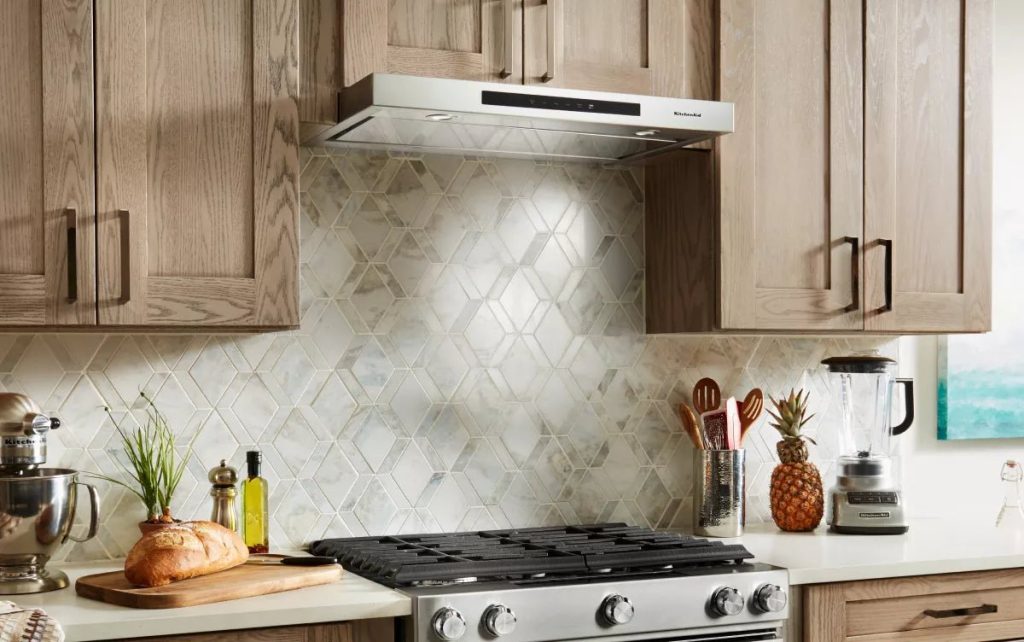
Choosing the right range hood for your kitchen can make a huge difference in your cooking experience. You want something that keeps your kitchen fresh, removes smoke and odors, and fits your style perfectly.
But with so many options out there, how do you pick the one that’s just right for you? This guide will help you understand what to look for, so you can make a smart choice without any stress. Keep reading to find out how to get a range hood that works hard and looks great in your kitchen.

Credit: branohome.com
Types Of Range Hoods
Range hoods come in various styles like wall-mounted, under-cabinet, and island hoods. Each type suits different kitchen layouts and ventilation needs. Choosing the right one helps keep your kitchen air clean and fresh.
Choosing the right range hood for your kitchen can make a significant difference in both functionality and aesthetics. Each type of range hood comes with its own set of benefits and considerations. Understanding these options will help you make an informed decision that suits your cooking style and kitchen layout.Under-cabinet Models
Under-cabinet range hoods are a popular choice for many kitchens. They are installed beneath your cabinets, making them ideal for smaller kitchens where space is a premium. These models efficiently vent smoke and odors without taking up too much space. If you have a compact kitchen, this option might be your best bet.Wall-mounted Hoods
Wall-mounted hoods offer a sleek and professional appearance. Mounted on the wall above your stove, they often become a focal point in the kitchen. They are perfect for those who want to make a statement while ensuring effective ventilation. Do you want your kitchen to look like a chef’s paradise? A wall-mounted hood could be your answer.Island Hoods
If your cooktop is on a kitchen island, consider an island hood. These hoods are suspended from the ceiling and provide powerful ventilation. They not only capture smoke and grease effectively but also add a touch of elegance. Imagine cooking with friends gathered around; an island hood ensures your space remains smoke-free and stylish.Downdraft Systems
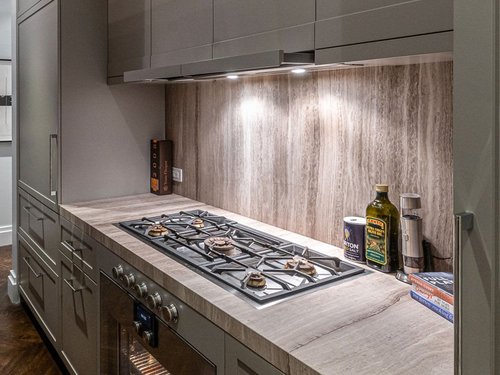
Downdraft systems are a unique and innovative solution. They are installed directly into the cooktop and pull smoke and odors down and out. Ideal for kitchens with limited overhead space or for those who prefer a minimalist look. If you dislike the bulkiness of traditional hoods, a downdraft system might be the perfect choice for your modern kitchen. When selecting a range hood, consider your kitchen layout and cooking habits. Each type offers distinct advantages, so think about what aligns best with your needs and style. What’s the most important feature you need in a range hood?Sizing Your Range Hood
Sizing your range hood correctly is essential for both performance and aesthetics in your kitchen. A hood that’s too small won’t capture all the smoke and odors, while one that’s too large can overwhelm the space and waste energy. Let’s break down how to find the perfect size for your cooking setup.
Measuring Your Cooktop
Start by measuring the width of your cooktop. Use a tape measure to get the exact width from edge to edge.
Keep in mind that the depth of the cooktop matters less than the width, but it can influence the overall hood size if you want full coverage. If your cooktop has multiple burners or an irregular shape, focus on the widest point.
Recommended Hood Width
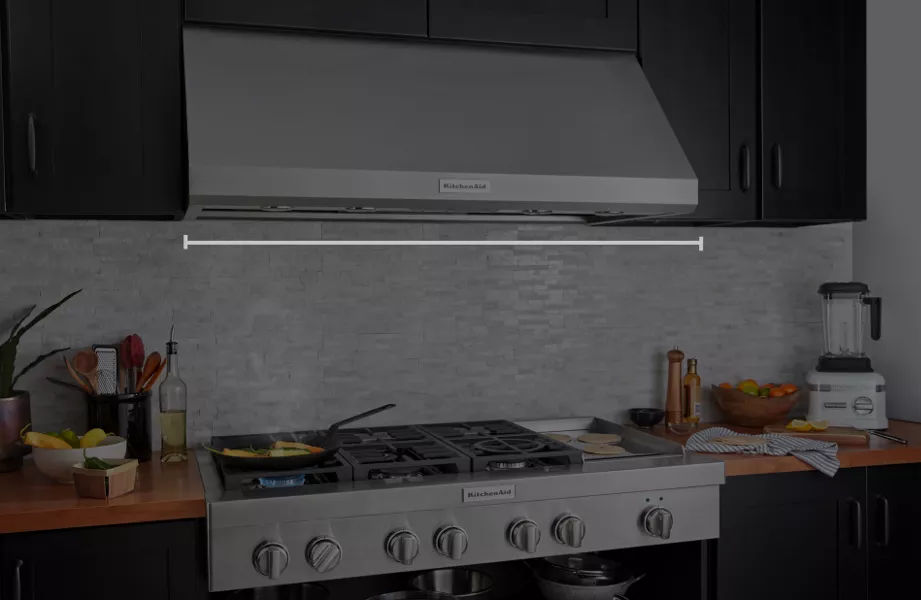
Your range hood should be at least as wide as your cooktop but ideally 3 to 6 inches wider on each side. This extra width helps capture all rising smoke and steam effectively.
- If your cooktop is 30 inches wide, aim for a 36-inch hood.
- For a 36-inch cooktop, a 42 to 48-inch hood works best.
Choosing a hood narrower than your cooktop might save space but reduces efficiency. Have you noticed how smoke tends to escape the sides when the hood is too small? That’s why sizing up is a smart move.
Calculating Cfm Needs
CFM (Cubic Feet per Minute) measures how much air the hood can move. The higher the CFM, the more powerful the hood.
Calculate your ideal CFM by multiplying the width of your cooktop by 100. For example, a 30-inch cooktop would need a hood with at least 300 CFM.
- Gas cooktops usually require more CFM than electric ones, so increase your calculation by 50% if you cook with gas.
- If you use high-heat cooking methods like frying or grilling often, consider an even higher CFM.
Choosing the right CFM ensures your kitchen stays smoke-free without wasting energy on an overpowered hood. What cooking style do you use most? Adjusting CFM accordingly can make a noticeable difference.
Ventilation Options
Choosing the right ventilation option for your kitchen range hood can make a big difference in both air quality and cooking comfort. Understanding the types of ventilation and their components helps you pick a system that fits your kitchen layout and cooking style. Let’s look into the key ventilation options available.
Ducted Vs. Ductless
Ducted range hoods vent air outside your home through a duct system. This option effectively removes smoke, odors, and moisture from your kitchen, keeping your indoor air fresh. However, installing ducts can be challenging if your kitchen layout doesn’t allow easy access to exterior walls or ceilings.
Ductless, or recirculating, hoods filter the air and send it back into the kitchen. These are easier to install and ideal for apartments or kitchens without outside walls. But keep in mind, they don’t remove moisture and heat as efficiently as ducted systems.
Ask yourself: Is your kitchen setup better suited to vent air outdoors, or would a ductless option be more practical?
Choosing The Right Ductwork
If you opt for a ducted hood, selecting the right ductwork is crucial for performance. Smooth, straight ducts made from metal are best because they allow air to flow easily without getting trapped. Avoid flexible or plastic ducts, which can reduce airflow and accumulate grease.
Keep duct runs as short and straight as possible to minimize resistance. Also, check duct size matches your hood’s specifications—too small, and your hood won’t vent efficiently.
Think about your kitchen’s layout. Can you route ducts with minimal bends? This can save you headaches later.
Recirculation Filters
Recirculation filters are the heart of ductless range hoods. They clean the air by trapping grease and odors before releasing it back into your kitchen. Most hoods use charcoal filters to reduce smells and mesh filters to catch grease.
These filters need regular cleaning or replacement to keep your hood working well. Ignoring filter maintenance can cause poor air quality and even damage the hood’s motor.
Consider how often you cook and what types of food you prepare. High grease or smoky cooking means you’ll want filters that are easy to clean or replace.
Noise Levels And Performance
Choosing the right range hood means finding a balance between strong performance and manageable noise levels. Too loud, and it becomes a distraction; too quiet, and it might not do the job well. Understanding how noise and power interact will help you pick a hood that fits your kitchen lifestyle.
Decibel Ratings
Decibel (dB) ratings show how loud a range hood is during operation. Most hoods range between 40 dB (quiet) and 70 dB (loud). To put that into perspective, 40 dB is like a library, while 70 dB is closer to a vacuum cleaner.
Look for models that clearly list their decibel ratings at different fan speeds. This helps you anticipate the noise during typical cooking sessions. Some manufacturers provide noise levels at low, medium, and high settings, so you can see how sound changes with power.
Balancing Power And Quietness
Higher power usually means more noise, but you don’t have to sacrifice one for the other. Some range hoods use advanced motor designs or sound insulation to keep noise down without losing suction power.
Think about how often you cook with high heat or fry foods that produce strong odors. If that’s frequent, prioritize a hood with strong extraction but check reviews for noise complaints. If you mostly simmer or bake, a quieter, less powerful model might suit your needs better.
Can you imagine preparing a family dinner with a loud fan drowning out conversation? That’s why balancing noise and performance is essential. Test the range hood in person if possible, or watch video reviews to hear the noise level before buying.
Materials And Finishes
Choosing the right material and finish for your range hood impacts both its look and durability. You want a surface that matches your kitchen style but also stands up to heat, grease, and frequent cleaning. Let’s look at popular options so you can decide which fits your kitchen best.
Stainless Steel
Stainless steel is a top choice for many kitchens. It’s tough, resists rust, and cleans easily with just a wipe. If you often cook with high heat or greasy foods, stainless steel can handle the mess without staining.
Its sleek, modern look fits well in almost any kitchen design. Plus, it reflects light nicely, making your space feel brighter. Have you noticed how many professional kitchens use stainless steel? That’s a strong hint it’s both practical and stylish.
Glass And Other Finishes
Glass range hoods offer a contemporary and elegant appearance. They come in clear, frosted, or tinted styles, adding a unique touch. However, glass may show smudges more easily and requires gentle cleaning to avoid scratches.
Other finishes like black stainless steel, copper, or painted metal bring personality to your kitchen. Copper, for example, develops a beautiful patina over time, giving your hood character. Think about how much attention you want your range hood to draw—do you want it to blend in or stand out?
Credit: www.kitchenaid.com
Control Features
Control features can make a big difference in how easy and enjoyable your range hood is to use. They allow you to adjust fan speed, lighting, and sometimes even set timers or remote controls. Picking the right control type helps you manage kitchen odors and smoke without hassle.
Button Vs. Touch Controls
Button controls give you a tactile feel, which some people find more reliable. You can press a physical button without worrying about smudges or sensitivity issues. However, they might be harder to clean because of crevices around the buttons.
Touch controls offer a sleek, modern look and are easier to wipe down. They respond to a light tap, but can sometimes be less responsive if your hands are wet or greasy. Think about how you usually cook—do you want quick, precise control or something simple and sturdy?
- Button Controls:Durable, tactile feedback, may trap dirt
- Touch Controls:Easy to clean, modern design, can be sensitive
Lighting Options
Lighting is more than just helping you see your cooking; it sets the mood in your kitchen. Many range hoods come with LED or halogen lights. LEDs use less energy and last longer, while halogens tend to be brighter and warmer.
Adjustable lighting levels can be a game changer, especially if you cook at different times of day. Some hoods even offer color temperature controls, letting you switch from bright white to soft yellow light. This flexibility lets you customize your kitchen’s feel without adding extra fixtures.
- Choose LED lights for energy efficiency and longevity.
- Look for dimmable settings to adapt lighting to your needs.
- Consider color temperature options for a personalized ambiance.
Installation Considerations
Choosing the right range hood means thinking carefully about how it will be installed. Installation can affect the hood’s performance, safety, and how your kitchen looks. Before buying, consider the space, tools, and skills needed to get the job done right.
Professional Vs. Diy Installation
Deciding between hiring a pro and doing it yourself depends on your comfort level with tools and home improvement projects. A professional ensures the hood is mounted securely, vented properly, and meets local codes. They can also spot potential issues like inadequate wiring or poor ventilation paths.
If you have some experience and the right tools, DIY installation can save money. But keep in mind, range hoods often need precise measurements and electrical work. Are you ready to handle wiring and cutting drywall, or would you rather avoid that hassle?
Clearance And Height Requirements
Proper clearance is key for safety and efficiency. Most manufacturers recommend the bottom of the range hood be 24 to 30 inches above the cooktop. Too low, and it can block your cooking space; too high, and it won’t capture smoke effectively.
Check your stove type too—gas ranges usually need more clearance due to the open flame. Also, consider your kitchen’s ceiling height and cabinet placement. Can you easily reach the controls and clean the filters without a ladder?
Maintenance And Cleaning
Keeping your range hood clean and well-maintained is crucial for its performance and longevity. Neglecting this can lead to poor air quality and reduced efficiency in your kitchen. Understanding the maintenance needs will help you choose a hood that fits your lifestyle and keeps your cooking space fresh.
Filter Types And Replacement
Range hoods usually come with one of two main filter types: charcoal or metal mesh. Charcoal filters absorb odors but need replacing every few months. Metal mesh filters trap grease and can be washed and reused.
Think about how often you cook and the kinds of meals you prepare. If you frequently fry or grill, a metal mesh filter might save you money since you can clean it rather than replace it. On the other hand, charcoal filters are better for removing smells but require regular replacement.
Ask yourself: How much time do you want to spend on filter upkeep? Choosing the right filter type can make cleaning less of a chore and keep your kitchen smelling fresh.
Easy Cleaning Tips
Cleaning your range hood doesn’t have to be a hassle. Regularly wipe down the exterior with a mild detergent to remove grease and dust. This quick step prevents buildup and keeps your hood looking new.
For metal mesh filters, soak them in hot, soapy water and gently scrub with a brush every month or so. This simple routine can improve airflow and reduce noise. If your hood has a charcoal filter, mark your calendar to replace it on schedule—ignoring this can hurt performance.
Wondering about the fan and interior parts? Use a vacuum with a brush attachment or a damp cloth to clean these areas carefully. Keeping these parts clean helps your range hood work quietly and efficiently.
Budget And Energy Efficiency
Balancing your budget with energy efficiency is a smart approach when choosing a range hood for your kitchen. You want a model that fits your financial plan without driving up your electricity bills. Focusing on both aspects ensures you save money upfront and continue saving over time.
Price Ranges
Range hoods come in a variety of price points, typically starting around $100 and going up to $1,000 or more. Basic models offer essential ventilation but might lack advanced features or quieter operation. Mid-range options often strike a good balance, providing better suction power and noise control without breaking the bank.
High-end hoods come with sleek designs, powerful motors, and smart technology, but ask yourself: do you really need all those extras? Sometimes, a mid-tier model can meet your needs perfectly if you focus on core features like airflow and durability.
Energy Star Ratings
Energy Star certification is a reliable indicator of a range hood’s energy efficiency. These models use less electricity while maintaining strong ventilation. Choosing an Energy Star-rated hood can reduce your energy bills and lower your environmental footprint.
Consider how often you cook and the power of the hood. A highly efficient model running frequently will save more energy in the long run. Have you checked if your local utility offers rebates for Energy Star appliances? It’s a small step that can add up to big savings.
Credit: woodnco.com
Frequently Asked Questions
What Size Range Hood Do I Need For My Kitchen?
Choose a range hood at least as wide as your stove. Typically, 24 to 36 inches wide covers most ranges. Proper size ensures effective smoke and odor removal. Measure your cooktop width before purchasing for best results.
How Much Cfm Is Needed For A Range Hood?
Calculate CFM based on your cooktop’s BTU or size. A standard guideline is 100 CFM per 10,000 BTU or 1 CFM per square foot of kitchen. Higher CFM improves ventilation but may increase noise.
Should I Choose Ducted Or Ductless Range Hood?
Ducted hoods vent air outside, offering better smoke removal. Ductless hoods filter and recirculate air using charcoal filters. Choose ducted if possible for optimal kitchen air quality.
What Noise Level Is Acceptable For A Range Hood?
Look for range hoods with noise levels below 60 decibels. Quiet operation enhances kitchen comfort during cooking. Check manufacturer specs for sones or decibel ratings.
Conclusion
Choosing the right range hood keeps your kitchen fresh and clean. Consider size, power, and noise level carefully. Match the style with your kitchen design for harmony. Think about easy cleaning and filter replacement. Proper ventilation improves air quality and cooking comfort.
A good range hood makes cooking more enjoyable every day. Take your time to find the best fit. Your kitchen deserves the right range hood.