Choosing the right tent can make or break your outdoor experience. Whether you’re planning a weekend getaway or a longer camping trip, your tent is your shelter, your comfort zone, and your safe space.
But with so many options out there, how do you find the perfect one for your needs? This guide will help you cut through the confusion and pick a tent that fits your style, budget, and adventure. Keep reading, and you’ll discover the key factors that make all the difference between a restless night and a great night under the stars.

Credit: www.thewildestroad.com
Types Of Tents
Choosing the right tent depends on your camping style and needs. Different tents serve different purposes.
Knowing the types of tents helps you pick one that fits your trip and comfort level.
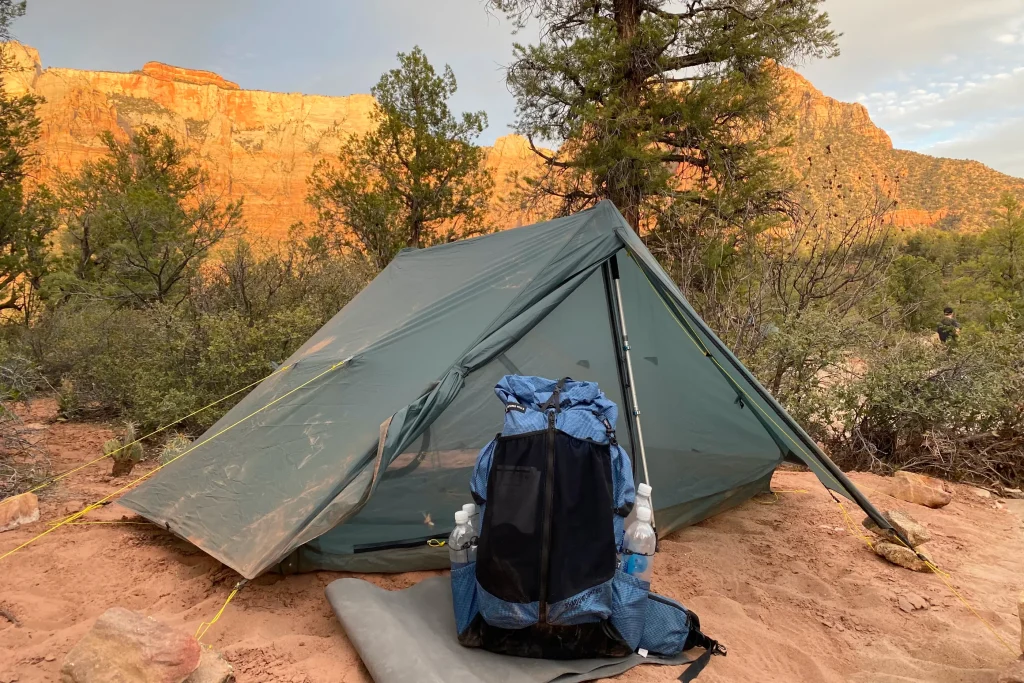
Backpacking Tents
Backpacking tents are light and easy to carry. They are made for hikers who walk long distances.
- Usually fit one to three people
- Use lightweight materials like nylon
- Compact size for easy packing
- Simple setup to save time
Family Tents
Family tents offer more space for groups and children. They focus on comfort and roominess.
| Feature | Description |
| Size | Large, fits 4 to 8 people |
| Weight | Heavier, not ideal for hiking |
| Setup | More poles and time needed |
| Extras | Dividers, windows, and storage pockets |
Mountaineering Tents
Mountaineering tents are strong and built for harsh weather. They protect against wind, snow, and rain.
- Made with heavy-duty materials
- Low profile to resist wind
- Double walls for insulation
- Secure anchoring points
Pop-up Tents
Pop-up tents are easy to set up. They unfold quickly and are good for short trips.
| Advantage | Disadvantage |
|---|---|
| Fast setup | Less durable |
| Lightweight | Limited space |
| Good for beginners | Not for harsh weather |

Credit: eu.alpkit.com
Key Tent Features
Choosing the right tent is important for a successful camping trip. Tents come with many features that can make your stay comfortable and safe.
Understanding these features will help you pick the perfect tent for your needs. Let’s explore the key features you should consider.
Size And Capacity
The size of the tent determines how many people it can hold. It also affects how much gear you can store inside.
Check the tent’s capacity to ensure it fits your group comfortably. Consider space for sleeping bags and any extra items.
- 2-person tents are ideal for couples or solo campers.
- 4-person tents provide more space for families.
- Larger tents are better for extended stays.
Weight And Portability
If you plan to hike to your campsite, weight matters. Lightweight tents are easier to carry over long distances.
Consider how portable the tent is and how it packs down. A compact tent is easier to fit in your backpack.
Season Ratings
Tents have different season ratings. These ratings show which weather conditions the tent can handle.
Choose a tent with a season rating that matches the weather of your camping destination.
- 3-season tents are good for spring, summer, and fall.
- 4-season tents can handle snow and strong winds.
- Summer tents are lightweight and breathable.
Ventilation
Good ventilation is essential for comfort. A well-ventilated tent reduces condensation and keeps you cool.
Look for tents with mesh panels and windows. These features improve airflow inside the tent.
Weather Resistance
Your tent should protect you from rain and wind. Look for features like waterproof materials and sturdy poles.
Weather-resistant tents keep you dry and safe during storms. Check the tent’s weather ratings before buying.
Materials And Durability
Choosing the right materials is key to a strong and long-lasting tent. Good materials help tents stand up to wind, rain, and wear.
Durability means your tent can protect you on many trips. It also saves money by lasting longer.
Fabric Types
Tent fabric needs to be tough and water-resistant. Common fabrics include nylon and polyester. Nylon is strong and light. Polyester handles sun and water well.
- Nylon: Lightweight, strong, but can absorb water.
- Polyester: Resists stretching and UV damage.
- Canvas: Heavy but very durable and breathable.
Pole Materials
Pole material affects tent weight and strength. Aluminum poles are strong and light. Fiberglass poles cost less but can break more easily.
- Aluminum: Lightweight, strong, and long-lasting.
- Fiberglass: Affordable but heavier and less durable.
- Carbon Fiber: Very light and strong but expensive.
Floor Thickness
A thick floor stops water and sharp rocks from reaching you. Look for floors made from thick, waterproof materials. Higher thickness means better protection.
- Thin floors are light but less protective.
- Thick floors resist punctures and water.
- Polyethylene floors are common and waterproof.
Setup And Design
Choosing the right tent depends on how easy it is to set up and its design features. A tent that is simple to assemble saves time and effort.
The design of the tent affects comfort and usability. Think about the shape, doors, and extra storage spaces.
Ease Of Setup
Look for tents that are quick to put up. Some tents use simple poles or pop-up systems to help you set up fast.
Tents with fewer parts are easier to manage. Practice setting up your tent before your trip to avoid surprises.
Tent Shape
Tent shapes affect space and wind resistance. Common shapes include dome, tunnel, and cabin.
- Dome:Good for windy conditions and easy to carry.
- Tunnel:Offers more room but needs good stakes.
- Cabin:Best for standing up and moving around inside.
Doors And Vestibules
Check how many doors the tent has. More doors make it easier to enter and exit without disturbing others.
Vestibules provide extra covered space to store gear and keep it dry. They help keep the inside clean.
- Single door tents are lighter but less convenient.
- Multiple doors add comfort for groups.
- Vestibules protect your equipment from rain and dirt.
Budget And Brand Choices
Choosing the right tent depends on your budget and the brands you trust. You want a tent that fits your price range and lasts long.
Knowing the price ranges and good brands helps you make a smart choice. It also ensures you get support if needed.
Price Ranges
Tents come in many price ranges. Low-cost tents are good for occasional use. Mid-range tents suit regular campers. High-end tents offer extra features and durability.
- Budget tents: $50 to $100
- Mid-range tents: $100 to $300
- High-end tents: $300 and above
Trusted Brands
Choose brands known for quality and reliability. Trusted brands often use better materials and designs. This means your tent will last longer and keep you safe.
- Look for brands with good reviews
- Check if the brand offers repair services
- Brands with a long history in camping are safer bets
Warranty And Support
A good warranty shows the brand stands behind its product. Warranty covers repairs or replacements. Support helps if you have problems with your tent.
- Check how long the warranty lasts
- Find out what the warranty covers
- Look for easy ways to contact customer support
Additional Accessories
Choosing the right tent is important, but picking extra accessories can make your trip better. Accessories help protect your tent and keep you comfortable.
Below are some useful accessories to consider for your tent. They add value and improve your camping experience.
Footprints
Footprints are ground covers that go under your tent. They protect the tent floor from sharp rocks and dirt. This helps keep your tent clean and extends its life.
- Made from durable, waterproof material
- Custom fit to your tent size
- Easy to clean and carry
- Helps prevent wear and tear
Rainflies
Rainflies are extra layers that cover your tent. They keep rain and wind out while allowing air to flow. Some tents come with rainflies, but buying one separately can add more protection.
| Rainfly Type | Features | Best Use |
| Full Coverage | Covers entire tent, offers full rain protection | Heavy rain and wind |
| Partial Coverage | Covers top only, lighter and more breathable | Light rain or mild weather |
| Extended Vestibule | Creates extra covered space outside tent | Storage or cooking area in rain |
Repair Kits
Repair kits help fix small tears or broken parts on your tent. Carrying one keeps you prepared for accidents. Kits usually include patches, glue, and tools.
- Stick-on patches for fabric tears
- Seam sealer to stop leaks
- Replacement clips and cords
- Mini sewing kit for quick fixes
Maintenance Tips
Taking care of your tent helps it last longer. Good maintenance keeps it safe and ready for your trips.
Learn simple ways to clean, store, and repair your tent for the best results.
Cleaning
Clean your tent after each use to remove dirt and dust. Use mild soap and water to avoid damage.
Do not use harsh detergents or machine wash your tent. Let it dry completely before packing it away.
- Brush off loose dirt gently
- Spot clean with a sponge and mild soap
- Rinse with clean water
- Air dry in shade to prevent fabric damage
Storage
Store your tent in a cool, dry place to avoid mold and mildew. Keep it loosely packed to keep the fabric strong.
Avoid storing your tent in direct sunlight or damp areas. Use a breathable bag instead of plastic to prevent moisture buildup.
- Dry tent fully before storage
- Use a large storage sack or hang it
- Keep away from heat and sunlight
- Check tent regularly for signs of damage
Repairs
Fix small tears and broken parts quickly to stop problems from growing. Carry a repair kit on your trips for emergencies.
Use patch kits for holes and special tape for seams. Replace broken zippers or poles as soon as possible.
- Clean area before applying patches
- Use fabric glue or tape for small holes
- Replace damaged poles with spares
- Lubricate zippers to keep them working
Credit: www.sail.ca
Frequently Asked Questions
What Size Tent Do I Need For Camping?
Choose a tent that fits the number of people plus extra space. Consider gear storage inside. A snug tent feels cramped; a roomy tent offers comfort and ventilation.
How To Pick A Tent For Different Weather Conditions?
Select tents rated for the climate. Three-season tents suit mild weather; four-season tents handle snow and wind. Check waterproof ratings and ventilation features for rain and heat.
What Materials Are Best For Durable Tents?
Look for tents made of ripstop nylon or polyester with waterproof coatings. Aluminum poles offer strength and lightness. Durable materials increase tent lifespan and weather resistance.
How Important Is Tent Weight For Backpacking?
Lightweight tents ease carrying over long distances. Aim for tents under 4 pounds for solo trips. Balance weight with durability and comfort for best backpacking experience.
Conclusion
Choosing the right tent makes your trip better and safer. Think about size, weather, and how you will use it. A good tent fits your needs and feels comfortable inside. Don’t forget to check the weight if you carry it far.
Take your time to compare options before buying. Enjoy your outdoor adventure with the perfect shelter. Simple steps lead to great camping experiences. Happy camping!