
Choosing the best fishing line can make all the difference between a frustrating day on the water and a successful catch. You might think all lines are the same, but the truth is, picking the right one can boost your confidence and improve your results.
Whether you’re a beginner or an experienced angler, understanding how to select the perfect line for your needs will save you time, money, and effort. Keep reading, and you’ll discover simple tips that will help you make the best choice every time you go fishing.
Types Of Fishing Lines
Fishing lines come in different types. Each type has unique features. Choosing the right line helps catch more fish.
Understanding the main types of fishing lines makes it easier to pick the best one for your needs.
Monofilament Lines
Monofilament lines are made from a single strand of nylon. They are soft and stretch easily. This makes them good for beginners.
These lines are affordable and come in many colors. They float well on water and work for many fishing types.
- Stretch helps absorb fish strikes
- Good knot strength
- Visible in water, so use lighter colors for clear water
- Can weaken over time from sun and water
Fluorocarbon Lines
Fluorocarbon lines are made from a special plastic. They are nearly invisible underwater. This helps avoid scaring fish.
They sink faster than monofilament lines. This makes them good for deep water fishing.
- Strong and abrasion-resistant
- Less stretch than monofilament
- Harder to handle and knot
- More expensive than monofilament
Braided Lines
Braided lines are made by weaving many fibers together. They are very strong and thin. This allows more line on the reel.
These lines do not stretch much. They let you feel fish bites better but can be visible in water.
- High strength and low stretch
- Thin diameter for longer casts
- Durable and abrasion-resistant
- Use a leader to reduce visibility
Line Strength And Diameter
Choosing the right fishing line is important for a good fishing experience. Two key factors are line strength and diameter.
These affect how strong your line is and how it moves in the water. Understanding them helps you pick the best line.
Pound Test Explained
The pound test shows how much weight a fishing line can hold before breaking. It is a measure of strength.
For example, a 10-pound test line can hold up to 10 pounds of pressure. Choose a pound test based on the fish size.
- Light fish need lower pound test lines
- Heavy fish need higher pound test lines
- Use a pound test that matches your fishing style
Choosing The Right Diameter
The diameter is the thickness of the fishing line. It affects strength and how the line moves in water.
Thinner lines have less water resistance and are less visible to fish. Thicker lines are stronger but easier to see.
- Thin diameter works well for clear water and shy fish
- Thick diameter is good for heavy cover and big fish
- Balance diameter with pound test for best results
Fishing Line Stretch
Fishing line stretch is a key factor in choosing the right line. It affects how you feel the fish and how you set the hook.
Different fishing situations may require lines with varying amounts of stretch. Let’s explore when stretch is beneficial and when it might not be the best choice.
Stretch Benefits
Stretch in fishing lines can be useful in many scenarios. It provides several advantages, especially for certain types of fishing.
- Absorbs shock from sudden fish movements.
- Prevents line breakage during a strong pull.
- Improves hook setting in softer-mouthed fish.
When To Avoid Stretch
While stretch has its benefits, there are times when a non-stretch line is better. It depends on your fishing technique and target species.
| Fishing Technique | Recommended Line |
| Deep Sea Fishing | Low Stretch |
| Freshwater Bass | Moderate Stretch |
| Trout Fishing | High Stretch |

Credit: goofishrod.com
Visibility And Water Conditions
Choosing the right fishing line depends on water clarity and how visible the line is. Fish can see some lines better than others. Picking the correct line helps catch more fish.
Water conditions affect which line works best. Clear water needs less visible lines. Murky water lets you use stronger or brighter lines.
Clear Water Choices
In clear water, fish see well. Use thin and clear lines to avoid scaring fish. Fluorocarbon lines are good because they blend in with water.
Monofilament lines in light colors like green or blue also work well. Keep your line light to stay less visible.
- Fluorocarbon lines are nearly invisible in clear water
- Light green or blue monofilament lines blend with water
- Choose thinner lines to reduce visibility
- Clear lines help avoid spooking fish
Murky Water Options
In murky water, visibility is low. Fish cannot see lines well. You can use brighter or stronger lines.
Use lines in colors like orange, yellow, or red to help you see your line. Stronger braided lines work well in thick water.
- Bright colored lines help you track your fishing line
- Use strong braided lines for durability
- Yellow or orange lines work best in muddy water
- Thicker lines are easier to control in low visibility
Line Color Selection
Choosing the right color for your fishing line is important. It helps the line blend in with the water and surroundings.
The correct color makes fish less likely to notice the line. This can increase your chances of catching fish.
Matching Line To Environment
Pick a fishing line color that matches the water and sky color. Clear water needs clear or light blue lines.
In muddy water, use darker colors like brown or green. These colors hide the line better.
- Clear water: clear, light blue, or green lines
- Muddy water: brown, dark green, or gray lines
- Bright sunlight: lines that blend with water surface colors
- Overcast days: darker lines may be less visible
Stealth Vs. Visibility
Stealth means using a line color that fish cannot see easily. This helps avoid spooking fish.
Visibility means using a line color that you can see well. This helps you watch the line for bites.
- Stealth colors: clear, green, brown, or blue lines
- High visibility colors: bright yellow, orange, or pink lines
- Use high visibility lines when fishing in low light or deep water
- Switch to stealth colors when fish are easily scared
Line Durability And Abrasion Resistance
Choosing a fishing line means thinking about how strong it is. Durability helps the line last through tough conditions.
Abrasion resistance stops the line from breaking when it rubs on rough surfaces. Both are key for fishing success.
Protecting Against Snags
Snags happen when the line catches on rocks or branches. A tough line can handle snags better and stay intact.
Look for lines made with strong fibers that resist cuts and tears from sharp objects underwater.
- Choose braided lines for high cut resistance
- Fluorocarbon lines are good for abrasion resistance
- Thicker lines often resist snags better
Wear And Tear Factors
Wear and tear comes from repeated casting and rubbing on guides. A durable line handles this daily stress.
Check the line’s material and coating. These improve how well the line holds up over time.
- Monofilament lines stretch but wear faster
- Braided lines last longer with less stretch
- Fluorocarbon lines resist UV damage and water absorption
Specialized Lines For Different Techniques
Choosing the right fishing line matters for different fishing styles. Each technique needs a line that fits its unique needs.
Using a specialized line can improve your casting, strength, and fish handling. Let’s explore lines for three popular methods.
Fly Fishing Lines
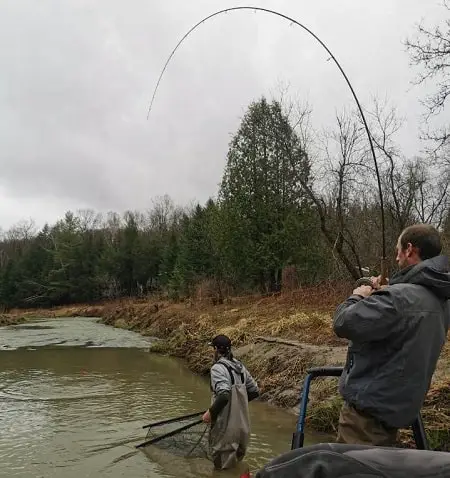
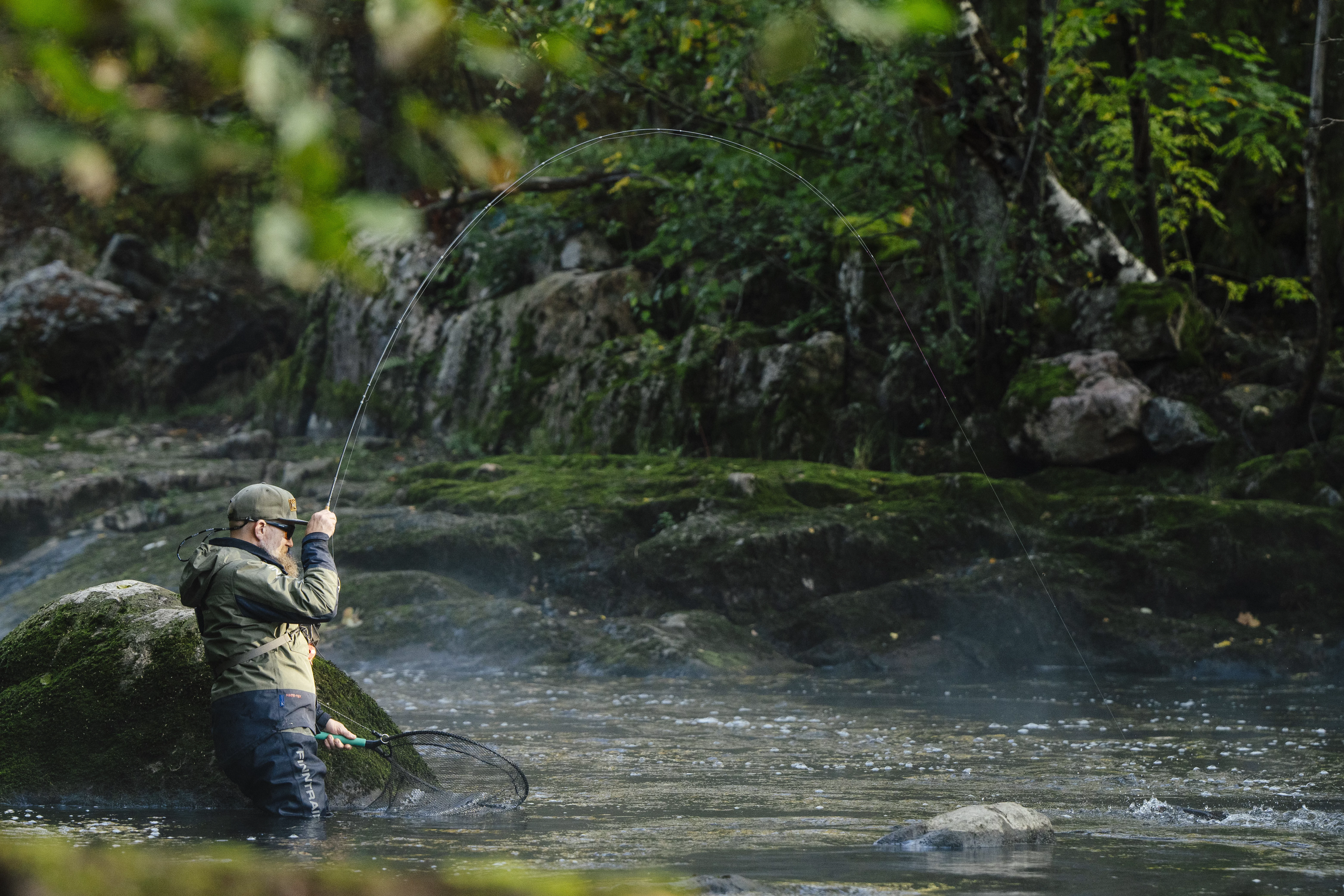
Fly fishing uses a special line that is heavy and floats on water. This helps cast light flies far and accurately.
Fly lines come in floating, sinking, or sink-tip types. Choose based on the water depth and fish behavior.
- Floating linesstay on top and work well for dry flies.
- Sinking linesdive deep for bottom fish.
- Sink-tip linesfloat then sink at the tip for mixed fishing.
Trolling Lines
Trolling needs strong lines that handle constant drag from moving lures or bait. These lines resist abrasion and stretch.
Monofilament and braided lines are popular for trolling. Braided lines offer high strength and low stretch.
- Monofilamentgives some stretch to absorb shocks.
- Braided lineshave no stretch and strong pull power.
- Pick line strength based on the fish size you target.
Saltwater Lines
Saltwater fishing lines must resist corrosion and tough fish. Saltwater lines are made to last in harsh ocean conditions.
Fluorocarbon and braided lines work well here. Fluorocarbon is nearly invisible under water.
- Fluorocarbon linesresist salt and are hard to see.
- Braided linesoffer high strength and durability.
- Check line test and abrasion resistance for ocean fishing.
Credit: troutandsteelhead.net
Budget And Brand Considerations
Choosing the right fishing line depends on your budget and the brand you trust. A good fishing line should balance cost and quality well.
It is important to know what you want to spend and which brands offer reliable products. This helps you get the best value for your money.
Cost Vs. Performance
Fishing lines come in many price ranges. Expensive lines often last longer and perform better.
Cheaper lines may work well for beginners or casual fishing. But they might break more easily or wear out fast.
- Higher cost lines usually offer better strength and durability
- Lower cost lines can be fine for light use or short trips
- Think about how often you fish before spending a lot
- Check if the line suits your fishing style and fish size
Trusted Brands To Explore
Many brands make quality fishing lines. Choosing a trusted brand can give you peace of mind.
Look for brands known for good customer feedback and consistent quality. They often test their products well.
- Penn – popular for strong and durable lines
- Berkley – known for smooth casting and good strength
- Spiderwire – offers good value for braided lines
- Seaguar – trusted for fluorocarbon lines with low visibility
Maintenance And Storage Tips
Choosing the best fishing line is important for a good fishing experience. Taking care of your fishing line helps it last longer and work better.
Proper maintenance and storage keep your line strong and ready for your next trip. Learn how to care for your fishing line below.
Extending Line Life
Cleaning your fishing line after use removes dirt and salt. This prevents damage and keeps the line smooth.
Check the line for nicks and weak spots. Replace it if you find any damage to avoid breaks while fishing.
- Rinse line with fresh water after saltwater fishing
- Dry the line completely before storing
- Inspect the line regularly for cuts or abrasions
- Replace the line if it shows signs of wear
Proper Storage Methods
Store your fishing line in a cool, dry place away from sunlight. Heat and UV rays weaken the line material.
Keep the line on the spool or in a sealed container. This prevents tangles and protects it from dust and moisture.
- Avoid storing line near chemicals or strong odors
- Use line holders or cases to keep spools neat
- Do not store the line under heavy objects
- Keep line away from direct sunlight and heat sources
Credit: finntrail.com
Frequently Asked Questions
What Factors Affect Choosing The Best Fishing Line?
Material, strength, stretch, visibility, and fishing style affect your choice. Consider water type and target fish size for best results.
How To Determine The Right Fishing Line Strength?
Match line strength to fish size and fishing technique. Use test weight ratings to ensure line won’t break easily.
What Are The Benefits Of Braided Vs Monofilament Lines?
Braided lines offer higher strength and durability. Monofilament lines provide better stretch and knot strength. Choose based on fishing needs.
When Should I Use Fluorocarbon Fishing Line?
Use fluorocarbon for clear water and stealth. It’s less visible underwater and resists abrasion well.
Conclusion
Choosing the right fishing line makes your fishing trip better. Think about the fish type and water conditions. Strong lines work well for big fish. Thin lines help with long casting and less visibility. Match the line to your rod for best results.
Testing a few types can help you find the best fit. Remember, simple choices bring great fishing fun. Keep these tips in mind next time you shop for fishing line. Enjoy your time by the water with confidence.