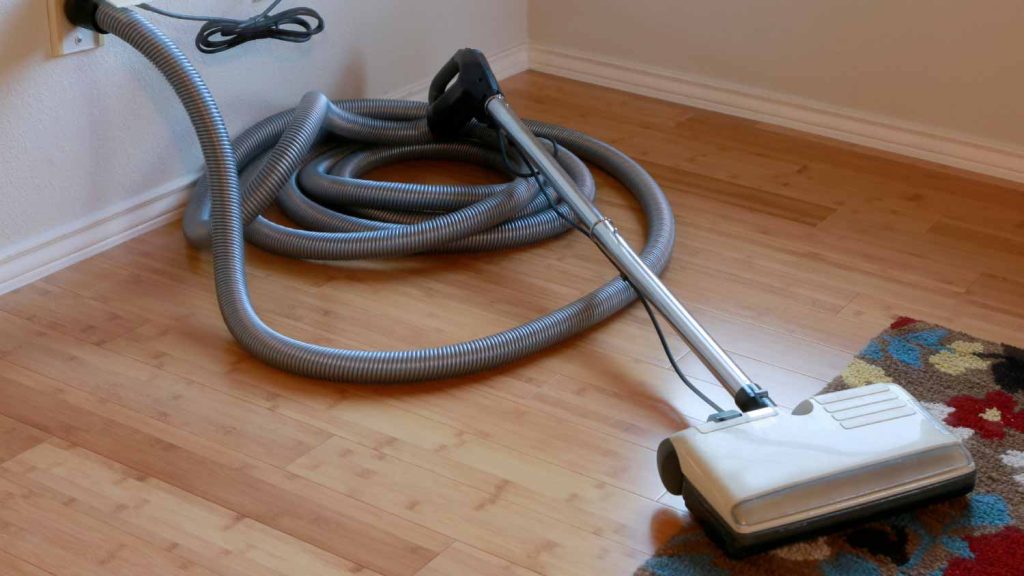
Imagine a home where your floors are consistently spotless, and the air you breathe is fresh and clean. This is the promise of a central vacuum system, a marvel of modern living that makes cleaning a breeze.
But to keep it running smoothly, it needs a little attention from you. If you’re unsure how to maintain it, you’re not alone. Many people overlook the importance of regular cleaning for their central vacuum systems, which can lead to inefficiencies or even costly repairs.
In this guide, you’ll discover simple, effective steps to clean your central vacuum system. With just a bit of effort, you can ensure it remains in top condition, delivering powerful suction and keeping your home environment healthy. Ready to unlock the secrets to optimal performance and longevity for your vacuum system? Let’s dive in and transform your cleaning routine today!

Credit: evacuumstore.com
Signs Your System Needs Cleaning
Knowing when your central vacuum system needs cleaning helps keep it working well. Some signs show the system is not performing at its best. Spotting these signs early stops damage and costly repairs. Watch for changes in how your system works and sounds. These hints tell you it is time for cleaning and maintenance.
Reduced Suction Power
One clear sign is weaker suction. Dirt and debris block the airflow inside the system. Your vacuum might not pick up dust as it used to. Floors and carpets stay dirty after cleaning. This problem means the dirt can clog filters or the collection bin is full. Check and clean these parts often to keep strong suction.
Unusual Noises
Strange sounds from your vacuum system signal trouble. Grinding, rattling, or buzzing noises are not normal. These sounds may come from motor strain or loose parts. Dust buildup inside the motor can cause overheating. Fix noises quickly to avoid bigger damage to your vacuum.
Clogged Hoses And Pipes
Blockages in hoses and pipes reduce cleaning power. Dirt can stick and build up inside these tubes. Hoses may feel heavy or hard to move. Airflow slows down, and suction drops. Regular checks and clearing of hoses keep your system clean and effective. Use a flexible brush or a long stick to remove clogs safely.

Credit: centralvac.com
Gathering Necessary Tools
Before you start cleaning your central vacuum system, gathering the right tools is essential. Having everything on hand saves time and avoids frustration mid-clean. Plus, the right tools help you maintain your system effectively, boosting its lifespan and performance.
Cleaning Brushes And Cloths
Soft cleaning brushes and microfiber cloths are your best friends for this task. Brushes help reach tight spaces, like vents and hose connections, without damaging surfaces. Cloths are perfect for wiping down the main unit and removing dust buildup gently.
I once tried using a regular rag, and it just spread dust around instead of picking it up. Investing in microfiber cloths made a noticeable difference in cleanliness and ease.
Replacement Filters And Bags
Check your system’s manual to know which filters and bags fit your model. Fresh filters improve air quality by trapping fine dust better. New bags prevent leaks and keep dirt contained during vacuuming.
Keeping extra filters and bags on hand means you won’t have to pause your cleaning if something runs out. Have you ever stopped mid-clean because you ran out of bags? Avoid that hassle by stocking up in advance.
Vacuum Accessories
Different vacuum accessories make cleaning various surfaces easier. Crevice tools reach narrow spaces like baseboards and vents. Upholstery brushes help clean furniture without damage, and extension wands reach high or hard-to-access areas.
Having these accessories ready lets you tackle every part of your home efficiently. Think about the places you struggle to clean—do you have the right tools for them?
Emptying The Dirt Canister
Emptying the dirt canister is a crucial task to keep your central vacuum system running smoothly. If you ignore this step, you risk reducing suction power and causing damage to the motor. Regularly clearing out the debris ensures that your cleaning sessions stay efficient and hassle-free.
Locating The Canister
Most central vacuum systems have the dirt canister mounted on the main unit, often found in a utility room, basement, or garage. Look for a large, usually transparent container that collects dust and debris. If you’re unsure where it is, check your system’s manual or follow the main vacuum hose to the central unit.
Knowing exactly where the canister is saves you time and prevents unnecessary frustration. Have you ever wasted minutes searching only to find it was right in front of you?
Proper Disposal Techniques
Empty the canister over a trash bin to avoid mess. If the debris includes fine dust, consider wearing a mask to prevent inhalation. For pet hair or larger debris, dispose of it as you would regular household waste.
- Avoid shaking the canister too vigorously to reduce dust clouds.
- Use a plastic bag to contain the dirt before tossing it out.
- Check for any stuck debris inside the canister to prevent blockages.
How often do you think about what happens to all the dirt your vacuum collects? Proper disposal can reduce allergens in your home.
Cleaning The Canister
After emptying, rinse the canister with warm water and mild soap to remove residue buildup. Avoid harsh chemicals that might damage the plastic or seals. Let the canister dry completely before reattaching it to prevent mold growth and maintain suction power.
Cleaning the canister every few months can extend the life of your vacuum and improve its performance. Have you noticed a difference in suction after a thorough cleaning? It’s a small task with big benefits.
Clearing The Hoses And Pipes
Clearing the hoses and pipes in your central vacuum system is key to maintaining strong suction and preventing clogs. Over time, dust, debris, and even small objects can build up inside, reducing efficiency. Taking the time to clean these parts can save you from costly repairs and extend the life of your system.
Detaching And Inspecting Hoses
Start by carefully detaching the hoses from the main unit and any wall inlets. This step allows you to check for visible blockages or damage. Look for cracks, holes, or kinks that might affect airflow or cause leaks.
Have you noticed your vacuum losing power suddenly? A damaged hose might be the culprit. Handling hoses gently prevents unnecessary wear during inspection.
Using Air Pressure Or Brushes
Blowing air through the hoses is a quick way to push out stuck debris. You can use a compressor or even a strong household hairdryer set to cool air. For stubborn dirt, a long flexible brush designed for vacuum hoses works wonders.
Don’t underestimate the power of manual cleaning here. Running a brush through your pipes ensures you remove dust clumps that air pressure alone can’t dislodge. If you don’t have a special brush, a mop handle wrapped in a soft cloth can help in a pinch.
Reattaching Securely
After cleaning, reconnect the hoses firmly to avoid air leaks that hurt suction power. Ensure all clamps, connectors, or locking mechanisms click or tighten securely. Loose fittings can cause your vacuum to sound different or feel weaker.
Try to wiggle the hoses gently to confirm they’re stable. A secure fit not only improves performance but keeps your system safe from accidental detachment during use.
Replacing Or Cleaning Filters
Replacing or cleaning the filters in your central vacuum system is essential to keep it running efficiently. Dirty or clogged filters reduce suction power and can strain the motor. Taking the time to maintain or swap out your filters ensures cleaner air and a longer-lasting vacuum.
Identifying Filter Types
Not all central vacuum filters are the same. You might find foam filters, HEPA filters, or cloth bags depending on your system’s model. Check your vacuum’s manual or look inside the canister to see the filter type you need to clean or replace.
Knowing your filter type helps you avoid mistakes like washing a HEPA filter that’s meant to be replaced. Have you ever tried washing a disposable filter only to see it lose effectiveness? It’s frustrating but easy to prevent.
Washing Vs. Replacing
Some filters, like foam or cloth ones, can be washed with mild soap and water. Rinse them gently and let them dry completely before putting them back. This can save money and keep your vacuum working well.
Other filters, especially HEPA or paper types, should be replaced rather than washed. Washing these can damage their fine fibers and reduce filtration. If you’re unsure, think about how often you vacuum and whether your allergies get worse—these can signal when it’s time to swap filters.
Installing New Filters
When it’s time for a new filter, make sure you buy the exact model for your system. Installing the wrong filter can cause leaks or poor suction. Carefully place the filter according to the instructions, ensuring it fits snugly without gaps.
After installing, test your vacuum to confirm the suction feels strong and consistent. If it doesn’t, double-check the filter’s placement. Have you ever found that a simple adjustment fixed a problem you thought was serious? This step can save you a service call.

Credit: www.greenvac.co.uk
Maintaining The Motor Unit
The motor unit is the heart of your central vacuum system. Keeping it clean ensures strong suction and a long lifespan. Regular care helps avoid costly repairs and keeps the unit running smoothly.
Checking For Dust Buildup
Open the motor housing carefully. Look inside for dust or debris on the motor and fan blades. Dust buildup can cause the motor to overheat and reduce suction power. Use a soft brush or a vacuum attachment to gently remove dust. Check the filters and replace them if they are clogged or dirty.
Cleaning The Motor Housing
Turn off and unplug the vacuum before cleaning. Use a dry cloth or compressed air to clean the motor housing. Avoid using water or liquid cleaners to prevent damage. Clean vents and air intakes to ensure proper airflow. Keep the area around the motor unit free of dust and dirt.
When To Call A Professional
Unusual noises or reduced suction may signal motor problems. If the motor overheats or smells burnt, stop using the unit immediately. Complex repairs need expert tools and knowledge. Call a professional technician for motor repairs or part replacements. Regular inspections by a pro can prevent major breakdowns.
Regular Maintenance Tips
Regular maintenance keeps your central vacuum system working well. It prevents clogs and extends the system’s life. Simple steps done often save money and time. Follow these tips to keep your vacuum clean and efficient.
Scheduling Routine Cleaning
Set a regular time to clean the vacuum canister and filters. Empty the dirt container when it is half full. Clean or replace filters every three to six months. A clean system picks up dirt faster and works better.
Inspecting For Wear And Tear
Check hoses and attachments for cracks or holes. Look at seals and connections to find leaks. Replace damaged parts quickly to avoid system damage. Worn parts reduce suction and make cleaning hard.
Optimizing System Performance
Clear blockages in pipes and hoses. Use a long brush or flexible tool for pipe cleaning. Keep motor vents free from dust to avoid overheating. Test suction power regularly to spot problems early.
Frequently Asked Questions
How Often Should I Clean My Central Vacuum System?
Clean your central vacuum system every 3 to 6 months. Regular cleaning prevents clogs and maintains suction power. Check the dirt canister and filters frequently. Replace filters if needed to ensure optimal performance and prolong the system’s lifespan.
What Tools Are Needed To Clean A Central Vacuum?
You need a soft brush, a damp cloth, mild detergent, and a vacuum hose. Use the brush to clean inlet valves. Wipe external parts with the cloth. Remove debris from the hose and empty the dirt canister regularly.
Can I Clean The Central Vacuum Filters Myself?
Yes, most central vacuum filters are washable and reusable. Remove the filters carefully, rinse them with water, and let them dry completely before reinstalling. Check your system’s manual for specific cleaning instructions to avoid damage.
Why Is My Central Vacuum System Losing Suction?
Loss of suction usually results from clogged hoses, full dirt canisters, or dirty filters. Inspect and clean these parts regularly. Also, check for blockages in the pipes. Proper maintenance ensures consistent suction and better cleaning efficiency.
Conclusion
Cleaning your central vacuum system keeps it working well and lasting longer. Regular maintenance stops dust and dirt from building up inside. Check filters and hoses often to avoid clogs. A clean system means better air quality in your home.
Take small steps regularly, and you will see big results. Keep your vacuum ready for any mess, anytime. Simple care saves time and money over the years. Stay consistent, and enjoy a cleaner, healthier living space.