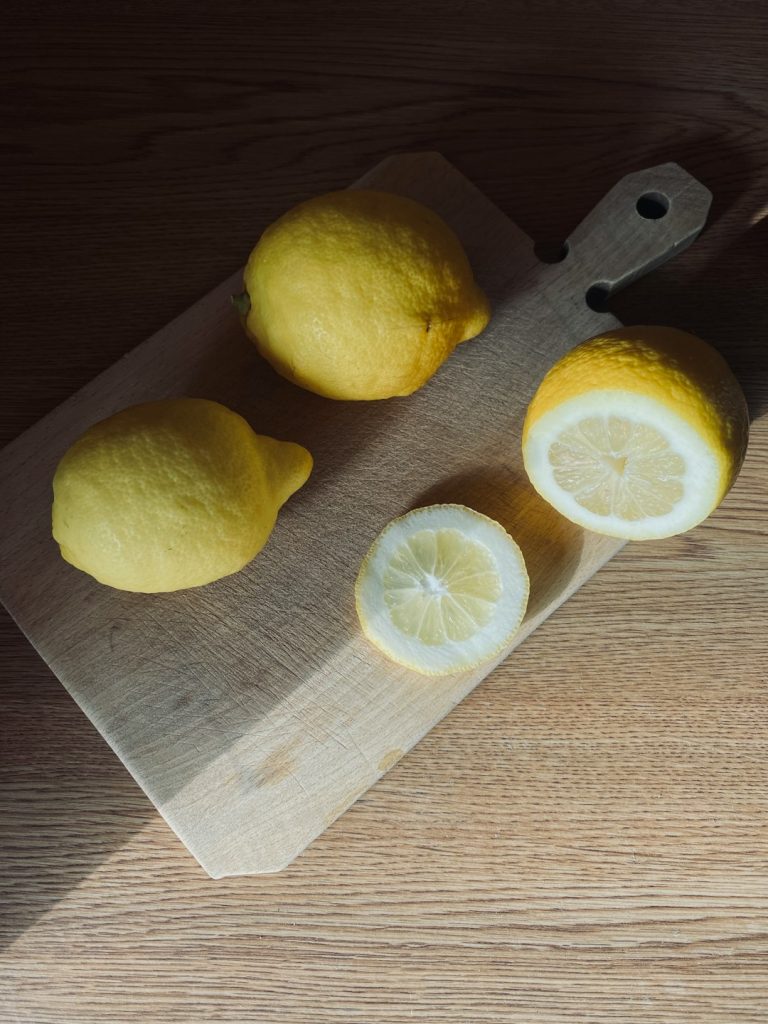
Your cutting board is one of the busiest tools in your kitchen, but it can also hold onto stubborn stains and lingering odors. What if you could refresh it quickly using something you already have at home?
Cleaning your cutting board with lemon is a simple, natural way to make it look and smell fresh again. Keep reading, and you’ll discover easy steps to bring new life to your cutting board—no harsh chemicals needed.
Benefits Of Using Lemon
Cleaning a cutting board with lemon is simple and effective. Lemon helps remove stains and odors naturally.
This natural fruit offers several benefits for kitchen cleaning without harsh chemicals.
Natural Antibacterial Properties
Lemon contains citric acid that kills many bacteria on surfaces. It helps keep your cutting board safe for food.
Using lemon reduces the chance of germs spreading from raw meat or vegetables.
Eco-friendly Cleaning
Lemon is a natural cleaner that does not harm the environment. It breaks down easily without adding toxins.
Using lemon means less plastic waste from cleaning products and safer water after washing.
Refreshing Scent
Lemon leaves a fresh, clean smell on your cutting board. It removes bad odors from food smells.
The bright scent makes your kitchen feel cleaner and more inviting.

Credit: www.aol.com
Choosing The Right Cutting Board
Choosing the right cutting board makes cleaning easier. It also helps keep food safe and fresh.
Some boards clean well with lemon, while others do not. Learn which boards work best with lemon.
Wood Vs Plastic Boards
Wood boards are gentle on knives and have natural antibacterial properties. They can absorb lemon juice well.
Plastic boards are easy to clean and dishwasher safe. They do not soak up lemon juice but can stain and scratch.
- Wood boards need drying after cleaning to avoid warping.
- Plastic boards can be sanitized with lemon and are low maintenance.
- Both boards can benefit from lemon cleaning but react differently.
Boards That Work Best With Lemon
Wood cutting boards work best with lemon. The acid helps remove stains and odors naturally.
Plastic boards also work with lemon but may need extra scrubbing. Lemon brightens the surface and kills germs.
- Use half a lemon to scrub wood boards.
- Let lemon juice sit on wood for 5 minutes before rinsing.
- Rub lemon on plastic boards and scrub with a sponge.
- Rinse all boards well after lemon cleaning.
Step-by-step Cleaning Process
Cleaning a cutting board with lemon is easy and natural. Lemon helps remove stains and kills germs.
This guide shows you how to clean your cutting board using lemon in simple steps.
Preparing The Lemon
Choose a fresh lemon that feels heavy and juicy. Wash it under cold water to remove dirt.
Cut the lemon in half to expose the juicy inside. This makes it easier to use for cleaning.
Applying Lemon To The Board
Rub the cut side of the lemon directly onto the surface of the cutting board. Cover all areas well.
The lemon juice will soak into the board and start breaking down stains and odors.
Scrubbing Techniques
Use the lemon half to scrub the board with firm, circular motions. Apply pressure to remove stuck particles.
- Focus on stained or smelly spots
- Scrub for about 2 to 3 minutes
- Use the lemon rind side for extra scrubbing
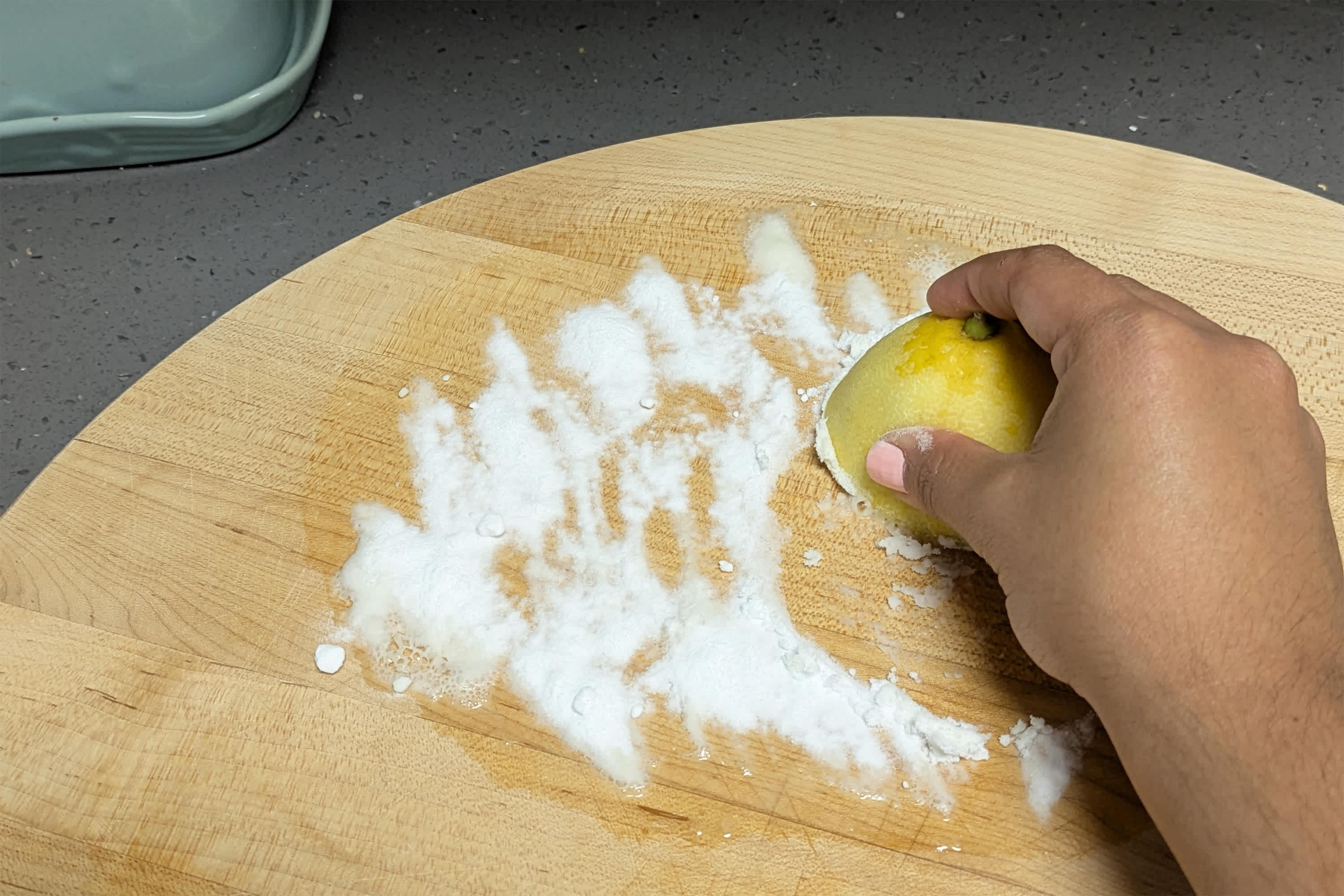
If needed, sprinkle some coarse salt on the board before scrubbing. Salt acts as a gentle scrubber.
Rinsing And Drying
Rinse the cutting board with warm water to wash away lemon juice and loosened debris. Check for any leftover bits.
Dry the board well with a clean towel or let it air dry standing up. Avoid storing it wet to stop mold growth.

Credit: homewithgraceandjoy.com
Tips For Tough Stains And Odors
Cleaning a cutting board with lemon is a natural way to remove stains and smells. Lemon’s acidity helps break down grime and kills bacteria. For tough stains and strong odors, use extra tricks to get your cutting board fresh again.
These tips make cleaning easier and keep your cutting board safe to use. Try combining lemon with other natural ingredients for better results.
Using Salt With Lemon
Salt adds scrubbing power to lemon’s cleaning effect. The rough texture helps lift stains while lemon juice cuts through odors. This mix works well on wooden and plastic boards.
Sprinkle coarse salt on the board. Rub half a lemon over the salt. Let it sit for 5 minutes. Then scrub and rinse with warm water.
- Use coarse salt for better scrubbing
- Rub lemon juice over salt evenly
- Let mixture sit to soak stains
- Rinse well after scrubbing
Multiple Applications
For very tough stains or strong smells, repeat lemon cleaning several times. Each application breaks down more dirt and odor. Be patient and clean gently to protect your board.
Apply lemon juice and scrub with salt or a sponge. Rinse and dry. Repeat up to three times if needed. This helps remove deep stains and lingering smells.
- Clean with lemon and salt once
- Rinse and dry board fully
- Repeat cleaning up to three times
- Allow board to air dry after cleaning
Alternative Natural Cleaners
If lemon is not enough, try other natural cleaners. Baking soda and vinegar also help remove stains and odors. These ingredients are safe and easy to use on cutting boards.
Make a paste with baking soda and water. Rub it on the board and let sit for a few minutes. Rinse well. Or spray vinegar on the board and wipe with a cloth. Both help kill bacteria and freshen the surface.
- Baking soda paste lifts tough stains
- White vinegar kills germs and odors
- Use these with lemon for extra cleaning
- Rinse and dry board after use
Maintenance To Extend Board Life
Cleaning your cutting board with lemon is a natural way to keep it fresh. Regular care helps stop stains and smells.
Simple steps keep your board strong and safe for food. This guide covers cleaning, damage prevention, and storage tips.
Regular Lemon Cleaning Schedule
Use lemon to clean your board after each use. The acid in lemon kills germs and removes stains.
- Cut a lemon in half and rub it all over the board.
- Let the juice sit for 5 minutes to work on stains.
- Rinse the board with warm water and dry it well.
- Repeat weekly for deep cleaning and fresh scent.
Avoiding Damage
Protect your board from cracks and warping by handling it gently. Avoid harsh tools and chemicals.
| Damage Type | Cause | Prevention |
| Cracks | Excess water soaking | Dry board immediately after washing |
| Warping | Heat exposure | Keep away from hot surfaces and direct sunlight |
| Scratches | Sharp knives or scrubbing pads | Use smooth knives and soft cloths |
Proper Storage
Store your cutting board in a dry place. Proper storage stops mold and keeps the wood healthy.
- Keep it upright to air dry completely.
- Store away from damp areas like sinks.
- Use a rack or stand to avoid flat contact with surfaces.
Credit: www.thekitchn.com
Frequently Asked Questions
How Does Lemon Clean Cutting Boards?
Lemon cleans cutting boards by using its natural acidity. This acidity helps remove stains, kill bacteria, and eliminate odors. Simply rub a lemon half over the board’s surface, let it sit for a few minutes, then rinse. It’s an eco-friendly and effective cleaning method.
Can Lemon Remove Cutting Board Odors?
Yes, lemon can effectively remove odors from cutting boards. The citrus scent neutralizes unpleasant smells. Rub a lemon half on the board, focusing on smelly areas. Let it sit for a few minutes before rinsing. This leaves your cutting board fresh and odor-free.
Is Lemon Safe For Wooden Cutting Boards?
Lemon is safe for wooden cutting boards. Its natural acidity cleans without damaging the wood. However, avoid excessive moisture to prevent warping. After cleaning, dry the board thoroughly. Regular lemon cleaning helps maintain the board’s hygiene and extends its lifespan.
Do I Need To Rinse The Board After Lemon Cleaning?
Yes, you should rinse the board after cleaning with lemon. Rinsing removes any remaining lemon juice and residue. Use warm water and a cloth to wipe it clean. Ensure the board is completely dry to prevent moisture damage and maintain its condition.
Conclusion
Cleaning a cutting board with lemon is easy and effective. The lemon’s natural acid helps remove stains and odors. Just rub the board with lemon, let it sit, then rinse well. This method keeps your board fresh and safe for food.
It also avoids harsh chemicals that can harm your board. Try this simple trick to maintain your cutting board’s cleanliness every day. A clean board means healthier meals and a happier kitchen. Simple, natural, and quick—why not give it a try?