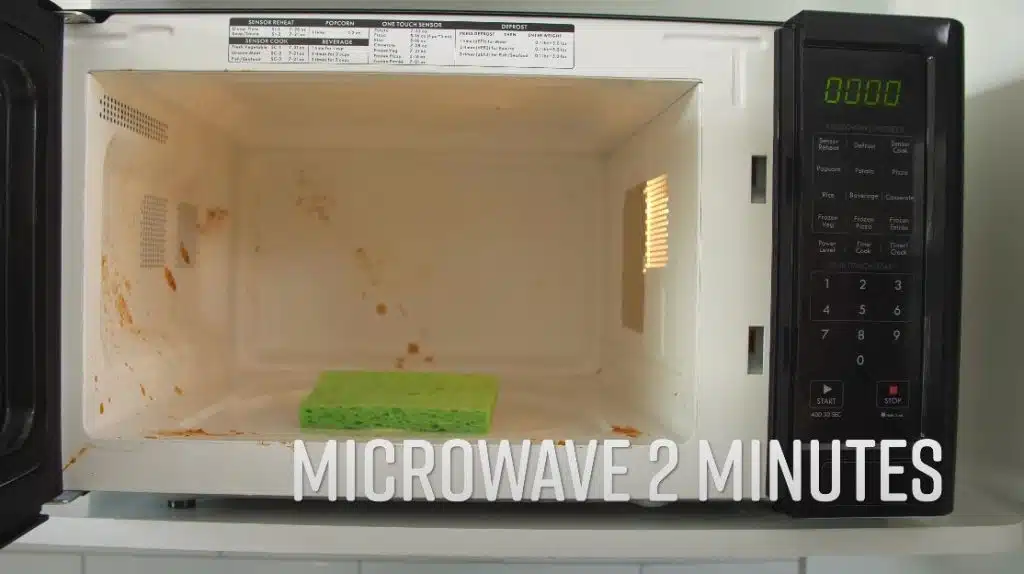
Have you ever opened your microwave oven only to be greeted by stubborn stains and unpleasant odors? You’re not alone.
We all know that a dirty microwave can be more than just an eyesore—it can affect the taste and smell of your food. But what if I told you there’s a simple, natural solution sitting right in your kitchen cabinet?
Baking soda is your microwave’s best friend when it comes to tackling grime and lingering smells. In this guide, you’ll discover how to clean your microwave oven using baking soda, leaving it spotless and fresh. Say goodbye to harsh chemicals and hello to a pristine microwave. Intrigued? Let’s dive in!

Credit: www.mirror.co.uk
Why Choose Baking Soda
Baking soda is a popular choice for cleaning microwaves. It offers several benefits that make the cleaning process easier and safer. This simple ingredient can remove stains and odors effectively. It works well without harsh chemicals. Many people prefer baking soda for its natural and gentle cleaning power.
Natural Cleaning Power
Baking soda is a natural cleaner that breaks down grime and food residue. It has mild abrasive properties that scrub away dirt without scratching surfaces. It also neutralizes odors, leaving the microwave fresh. Its natural composition makes it safe and eco-friendly.
Safe For Microwave Surfaces
Baking soda is gentle and won’t damage the microwave’s interior. It does not cause discoloration or corrosion. Unlike strong chemicals, baking soda poses no risk to your health or appliance. It cleans thoroughly while protecting the microwave’s finish.
Cost-effective Solution
Baking soda is inexpensive and widely available. A small amount goes a long way in cleaning. It saves money compared to commercial cleaning products. You can use one product for many cleaning tasks, making it practical and budget-friendly.
Gathering Your Supplies
Before cleaning your microwave with baking soda, gather all the needed supplies. Having everything ready makes the process smooth and quick. It helps avoid interruptions and ensures you get a thorough clean.
Baking Soda Options
Choose the right type of baking soda for cleaning. Regular baking soda, found in most kitchens, works best. You can use:
- Pure baking soda powder
- Baking soda paste (mix with a little water)
Make sure the baking soda is fresh and free of clumps. This ensures better scrubbing and odor removal.
Additional Tools Needed
Besides baking soda, gather a few simple tools. These help you clean hard-to-reach spots and remove stubborn stains.
- A soft sponge or cloth
- A small bowl for mixing
- A spray bottle (optional, for water)
- A plastic or silicone spatula to scrape off residue
- Paper towels or a dry cloth for wiping
These items work well with baking soda to give your microwave a fresh, clean look.
Preparing The Cleaning Mixture
Preparing the cleaning mixture is a simple yet crucial part of making your microwave sparkle again. Using baking soda is not only effective but also gentle on surfaces, making it a smart choice. You can customize your mixture to suit the level of grime and your personal preferences, turning a basic solution into a powerful cleaner.
Mixing Baking Soda With Water
Start by combining baking soda and water to create a paste. Use about 2 tablespoons of baking sodaand add water slowly until you get a thick but spreadable consistency. This paste sticks well to the microwave walls, helping lift stubborn stains without scrubbing harshly.
Have you noticed how some microwave stains just won’t budge with regular wipes? This paste clings to spots and lets the baking soda do the work over time. Applying it evenly makes cleaning easier and more efficient.
Optional Add-ins For Extra Cleaning
You can boost your baking soda mixture by adding a few extra ingredients. A teaspoon of lemon juice adds natural freshness and helps cut through grease. Alternatively, a few drops of white vinegar can enhance the paste’s ability to break down tough grime.
These add-ins aren’t mandatory but can make a difference, especially if your microwave has lingering odors or heavy buildup. Experiment with what works best for your cleaning needs and see how these simple tweaks improve your results.

Credit: www.youtube.com
Step-by-step Cleaning Process
Cleaning your microwave oven with baking soda is straightforward and effective. The process involves a few simple actions that can refresh your appliance without harsh chemicals. Let’s walk through each part so you can easily follow along and enjoy a spotless microwave.
Removing Loose Debris
Start by opening the microwave door and taking out the turntable if it’s removable. Use a damp cloth or paper towel to wipe away any loose food crumbs or spills inside. This clears the surface so the baking soda paste can work directly on stains and grime.
Applying The Baking Soda Paste
Mix about two tablespoons of baking soda with a small amount of water to form a thick paste. Using a sponge or cloth, spread the paste evenly over the interior surfaces, focusing on spots with stubborn stains. The gentle abrasiveness of baking soda helps break down grease without scratching your microwave.
Letting It Sit
Allow the baking soda paste to sit inside the microwave for at least 10 to 15 minutes. This waiting period lets the paste soften dried-on food and absorb odors. Have you noticed how a little patience can make cleaning less of a chore?
Wiping And Rinsing
After waiting, use a clean damp cloth or sponge to wipe away the baking soda paste. You might need to rinse your cloth a few times to remove all residue. Finish by drying the interior with a soft towel, leaving your microwave fresh and ready for use.
Tackling Stubborn Stains
Stubborn stains in a microwave can be tough to remove with just a wipe. Baking soda is a gentle but powerful cleaner that softens these marks. It breaks down grease and food residue without harsh chemicals. Sometimes, these stains need a bit more effort to vanish completely.
Using the right tools and techniques makes the cleaning easier and more effective. Let’s explore how to tackle those tough spots using baking soda.
Using A Scrubbing Brush
Dip a scrubbing brush into a paste made from baking soda and water. Focus on the stained areas inside the microwave. Gently scrub in circular motions to lift grime and burnt-on food. The bristles reach corners and crevices better than a cloth. This helps remove dirt without damaging the microwave’s surface.
After scrubbing, wipe away the loosened dirt with a damp cloth. Repeat if some stains remain. This method works well for caked-on messes and sticky spills.
Repeating The Process
Stubborn stains may not disappear after one cleaning session. Allow the baking soda paste to sit on the stains for 10 to 15 minutes. This time softens the residue for easier removal. Then scrub again with the brush or sponge.
Multiple rounds of application and scrubbing often give the best results. Patience is key. Rinse the microwave interior with a clean, damp cloth after finishing. This removes any leftover baking soda and grime.

Credit: www.ethicalsuperstore.com
Deodorizing The Microwave
Microwaves often hold onto stubborn smells from last night’s dinner or reheated leftovers. Deodorizing your microwave is key to keeping it fresh and inviting every time you open the door. Using baking soda is a simple, natural way to neutralize odors without harsh chemicals.
Baking Soda For Odor Removal
Baking soda is a natural odor absorber that works wonders inside your microwave. Simply place an open bowl of baking soda inside the microwave and leave it overnight. This allows the baking soda to pull out lingering smells quietly and effectively.
If you want faster results, mix two tablespoons of baking soda with a cup of warm water in a microwave-safe bowl. Heat the solution for about five minutes. The steam will loosen grime and absorb odors simultaneously.
After heating, wipe down the interior with a clean cloth or sponge. You’ll notice a fresher, cleaner smell without any chemical aftertaste. Have you tried using baking soda this way before? You might be surprised at how much it refreshes your microwave’s atmosphere.
Additional Freshening Tips
- Use lemon juice:Adding a few slices of lemon to water and microwaving it creates a natural citrus scent that cuts through odors.
- Ventilate:Leave the microwave door open for a while after cleaning to let air circulate and carry away trapped smells.
- Regular cleaning:Wipe spills immediately to prevent odors from setting in and becoming harder to remove.
- Charcoal sachets:Placing activated charcoal nearby can help absorb stubborn smells over time.
What odor-fighting tricks have you used in your kitchen? Sometimes the simplest solutions, like baking soda, are all you need to keep your microwave smelling fresh and clean.
Maintaining A Clean Microwave
Keeping your microwave clean not only extends its life but also ensures your food tastes fresh every time. A microwave with stubborn stains and odors can turn cooking into a hassle. Regular upkeep prevents build-up, making deep cleaning easier and less time-consuming.
Regular Cleaning Schedule
Set a routine that fits your cooking habits. If you use the microwave daily, aim to clean it once a week with baking soda and water. This helps remove grease and food splatters before they harden.
For less frequent use, a biweekly schedule works well. Stick to wiping down the interior and door to avoid lingering smells. Don’t forget to clean the turntable and the microwave’s exterior too.
Have you noticed how quickly old stains become tougher? Regular cleaning stops that. It also saves you from scrubbing with harsh chemicals later.
Quick Daily Tips
Got a minute? Wipe your microwave door and edges with a damp cloth after each use. This simple habit catches spills early and keeps your microwave looking fresh.
Keep a small container of baking soda inside the microwave (when not in use) to absorb odors. Replace it every couple of weeks to maintain freshness.
Try heating a bowl of water with lemon slices for a couple of minutes. The steam softens grime, making it easier to wipe away, plus it leaves a pleasant scent.
Ever skipped cleaning just because it seemed too much? These quick tips can turn a dreaded chore into a few easy steps that fit any busy day.
Frequently Asked Questions
How Do I Clean A Microwave With Baking Soda?
Mix baking soda with water to form a paste. Apply it inside the microwave. Let it sit for 5 minutes. Wipe clean with a damp cloth. This removes stains and odors effectively.
Can Baking Soda Remove Microwave Odors?
Yes, baking soda neutralizes odors naturally. Place a bowl of baking soda inside the microwave overnight. It absorbs unpleasant smells, leaving the microwave fresh.
Is Baking Soda Safe For Microwave Cleaning?
Absolutely, baking soda is non-toxic and safe. It’s gentle on microwave surfaces and avoids harsh chemicals. Perfect for eco-friendly cleaning without damaging your appliance.
How Often Should I Clean My Microwave With Baking Soda?
Clean your microwave weekly or after spills. Regular cleaning prevents buildup and odors. Baking soda is great for maintaining a fresh, spotless microwave.
Conclusion
Cleaning a microwave with baking soda is simple and safe. It removes stains and odors without harsh chemicals. Just mix baking soda with water, scrub gently, and wipe clean. This method saves money and keeps your microwave fresh. Try it regularly to keep your microwave looking new.
A clean microwave helps food taste better and cooks evenly. Give this easy trick a try today. You will be surprised how well it works.