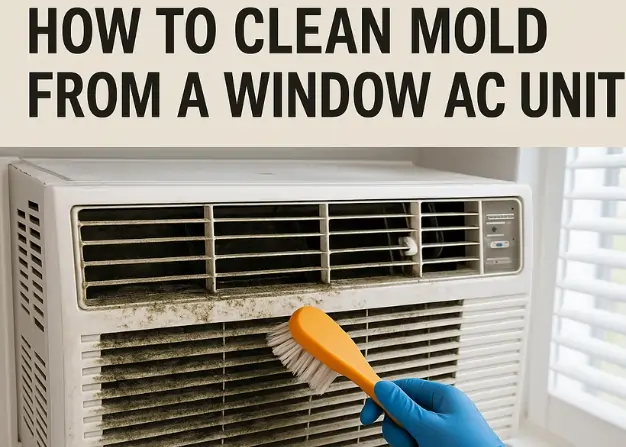
If you’ve noticed a musty smell or spots on your window air conditioner, mold might be the culprit. Mold not only affects the air quality in your home but can also harm your health.
Cleaning your window air conditioner when mold appears is essential—and easier than you might think. In this guide, you’ll learn simple steps to remove mold safely and keep your unit running fresh and cool. Ready to breathe cleaner air and protect your family?
Let’s get started.
Safety Precautions
Turn off and unplug the air conditioner before cleaning. This stops electric shocks and accidents. Wear gloves and a mask to avoid touching or breathing in mold spores. Mold can cause allergies and breathing problems.
Work in a well-ventilated area or near an open window. Use mild cleaning solutions like diluted vinegar or soap. Avoid strong chemicals that can harm you or the AC unit.
- Do not use water directly on electrical parts.
- Keep children and pets away during cleaning.
- Follow the manufacturer’s safety instructions.
Gathering Necessary Supplies
Gathering the right suppliesmakes cleaning easier and safer. Prepare these items:
- Glovesto protect your hands from mold and cleaning chemicals.
- Face maskto avoid breathing mold spores.
- Screwdriverto open the air conditioner cover.
- Soft brushor cloth to scrub the mold gently.
- Bucketto hold water and cleaning solution.
- White vinegaror a mild detergent to kill mold.
- Spray bottlefor easy application of cleaner.
- Vacuum cleanerwith brush attachment to remove dust.
Having these tools ready helps clean thoroughly and safely.
Powering Down And Removing The Unit
Unplug the air conditioner from the power source. This ensures safety while cleaning. Avoid any risk of electric shock.
Carefully remove the unit from the window. Ask for help if the unit is heavy or large. Place it on a flat, stable surface for cleaning.
Take off the front panel or cover. This allows access to the inside parts where mold can grow. Use a screwdriver if needed.
Keep all screws and small parts safe to avoid losing them. Use a container or small box to store these parts.

Credit: www.reddit.com
Disassembling The Air Conditioner
Turn off the air conditioner and unplug it from the power source. Remove the front cover by gently pulling or unscrewing it. Take out the air filter and set it aside for cleaning. Carefully detach the outer casing to access the inside parts. Use a screwdriver if screws hold the casing in place. Keep all screws in a safe spot to avoid losing them.
Handle the parts with care to prevent damage. Make sure the unit is dry before touching any internal components. Removing these parts helps reach mold in hidden areas. Clean each piece separately for better mold removal.
Cleaning The Filter
First, unplug the air conditioner to stay safe. Remove the filter gently from the unit. Use warm water and mild soap to wash the filter. Scrub softly with a brush to remove dirt and mold. Rinse the filter well to clear all soap. Let the filter dry completely before putting it back. Drying is important to stop mold from growing again. Clean the filter regularly to keep air fresh and clean. A clean filter helps your air conditioner work better and last longer.
Removing Mold From Coils And Fins
Turn off and unplug the air conditioner before starting. Use a soft brush or cloth to gently remove dust from the coils and fins. Avoid bending the fins as they are delicate and can break easily. Prepare a mixture of water and mild detergent or a special coil cleaner. Spray the solution on the moldy areas, making sure to cover all parts evenly. Let the cleaner sit for 10-15 minutes to loosen the mold. Rinse the coils and fins carefully with clean water, avoiding excess water inside the unit. Use a dry cloth to wipe away moisture. Allow the air conditioner to dry completely before plugging it back in. Wearing gloves and a mask helps protect from mold spores during cleaning.
Sanitizing The Exterior
Start by unplugging the air conditioner to ensure safety. Use a soft cloth dampened with a mixture of water and mild detergent to wipe the exterior. Focus on areas with visible mold or dirt buildup. Avoid soaking the unit; moisture can damage electrical parts.
For tougher mold spots, a solution of one part white vinegar to one part waterworks well. Apply gently with a cloth and let it sit for a few minutes before wiping clean. Never spray liquid directly onto the unit.
- Wear gloves to protect your hands from mold and cleaning agents.
- Dry the exterior thoroughly with a clean towel after cleaning.
- Check vents and seals for mold and clean as needed.

Credit: www.reddit.com
Reassembling The Unit
After cleaning, carefully put all parts back in place. Make sure the filterfits securely. The coilsshould be aligned properly.
Check the drain panfor any leftover water or dirt. Clean it again if needed before placing it back.
Secure the front coverwith screws. Tighten them but do not force. The unit should feel stable and sealed.
Reconnect the air conditioner to power and test it. Listen for unusual sounds or leaks. The unit should run quietly and cool well.
Reinstalling And Testing
Make sure the air conditioner is dry before reinstalling it. Carefully place the unit back into the window frame. Secure it tightly to avoid gaps where air can leak. Plug in the air conditioner and turn it on. Listen for any unusual sounds. Check if the air flows smoothly and cools the room.
Keep an eye on the unit for the first hour. Look for any signs of water leaks or mold smell. If everything works well, the cleaning was successful. If problems appear, unplug the unit and inspect it again. Safety is very important when dealing with electrical devices.
Preventing Future Mold Growth
Keep the air conditioner dry to stop mold growth. Wipe off water drops after use. Use a dehumidifier in humid rooms. Change or clean the air filter every month.
Run the air conditioner regularly to avoid moisture build-up. Make sure the drain pan is clean and not blocked. Check the seal around the unit to stop air leaks.
- Use a mold-resistant spray on the unit.
- Store the unit in a dry place when not in use.
- Open windows to improve room air flow.
- Clean the unit before storing it for a season.

Credit: www.reddit.com
Frequently Asked Questions
How Do I Remove Mold From A Window Air Conditioner?
To remove mold, first unplug the unit and remove the filter. Clean the filter with warm, soapy water. Use a mixture of water and white vinegar or bleach to wipe down the interior surfaces. Let it dry completely before reassembling.
What Causes Mold Growth In Window Air Conditioners?
Mold grows due to moisture buildup inside the unit. Poor ventilation, clogged filters, and high humidity create ideal conditions. Regular cleaning and maintenance prevent mold by reducing dampness and improving airflow.
How Often Should I Clean My Air Conditioner For Mold?
Clean your window air conditioner at least once a month during heavy use. Frequent cleaning prevents mold buildup and maintains air quality. Inspect the unit regularly to catch mold early.
Can Mold In Air Conditioners Affect Health?
Yes, mold spores can cause allergies, respiratory issues, and worsen asthma. Cleaning your air conditioner reduces mold exposure and helps maintain a healthier indoor environment.
Conclusion
Cleaning mold from your window air conditioner keeps your air fresh and healthy. Regular care stops mold from growing back quickly. Always unplug the unit before starting. Use gentle cleaners and soft cloths to avoid damage. Dry the parts well after cleaning.
This simple routine protects your home from bad smells and germs. A clean air conditioner works better and lasts longer. Take a little time now to save bigger problems later. Your comfort and health are worth it.