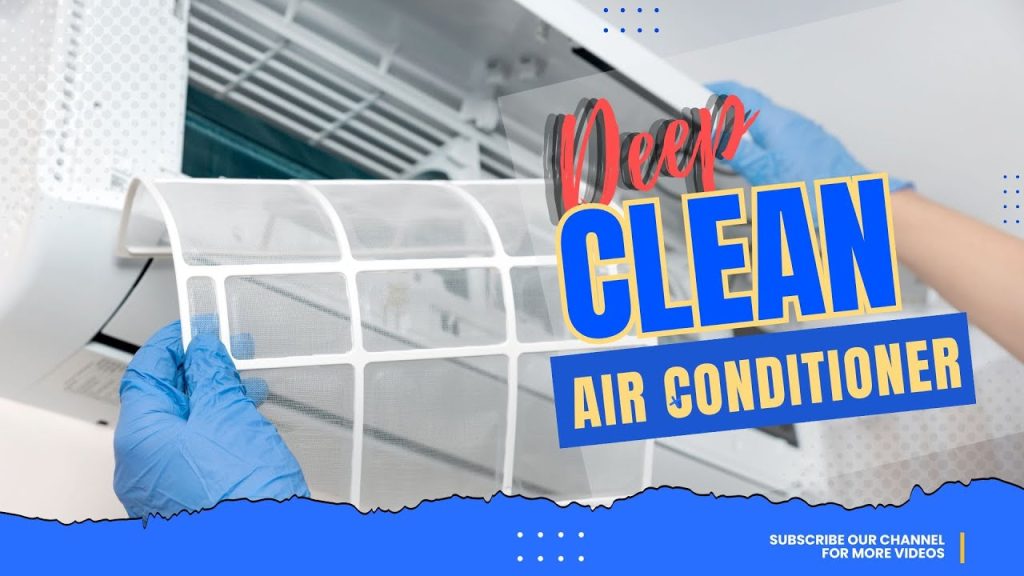
Does your air conditioner release an unpleasant smell every time you turn it on? That foul odor can make your home uncomfortable and ruin your fresh indoor air.
You might wonder why this happens and, more importantly, how to fix it quickly. You’ll discover simple, effective ways to clean your air conditioner smell for good. By the end, your AC will not only cool your space but also keep the air smelling fresh and inviting.
Keep reading to breathe easy again!
Causes Of Air Conditioner Odors
Air conditioners sometimes produce bad smells. These odors can make rooms uncomfortable. It is important to know what causes these smells.
Smells often mean the air conditioner needs cleaning or maintenance. Understanding the causes helps fix the problem fast.
Mold And Mildew Growth
Mold and mildew grow in moist parts of the air conditioner. These fungi cause a musty, damp smell. They grow on coils and inside ducts.
When the AC runs, it spreads the smell into the room. This can cause allergies and breathing problems.
Dust And Debris Accumulation
Dust and debris collect inside the air conditioner over time. This buildup traps odors and blocks airflow. It makes the AC work harder and smell bad.
Cleaning the dust and debris regularly stops these smells and improves air quality.
Clogged Drain Lines
Drain lines remove water from the air conditioner. If clogged, water can collect and become stagnant. This causes a sour or rotten smell.
Cleaning or clearing the drain lines helps prevent these bad odors.
Dirty Air Filters
Air filters catch dust and particles from the air. If filters are dirty, they block airflow and trap smells. The AC then spreads these odors around the room.
Changing or cleaning filters regularly keeps the air fresh and clean.
Pet Dander And Smoke
Pet dander and smoke can enter the air conditioner. These particles stick inside the unit and cause strong odors. The AC then circulates the smell indoors.
Cleaning the unit and filters helps remove pet and smoke odors from the air.

Credit: www.youtube.com
Tools And Supplies Needed
Cleaning your air conditioner to remove bad smells needs the right tools. Using the proper supplies makes the job easier and safer.
Gathering all tools before you start helps you clean without stopping. Below are key items you need for the task.
Cleaning Solutions
Cleaning solutions help remove dirt and odors inside the air conditioner. Use mild and safe cleaners for the best results.
Common choices include vinegar mixed with water or a commercial coil cleaner. Avoid harsh chemicals that can damage parts.
- White vinegar and water mixture
- Commercial coil cleaner
- Dish soap diluted in water
Brushes And Cloths
Brushes and cloths help scrub and wipe away dust and mold. Soft brushes prevent damage to delicate parts.
Microfiber cloths are good for cleaning surfaces without scratching. Use different brushes for tight spaces and larger areas.
- Soft-bristle brushes for coils and vents
- Microfiber cloths for wiping surfaces
- Small brushes for narrow spaces
Vacuum Cleaner
A vacuum cleaner removes loose dust and debris inside the unit. Use one with a brush attachment for better cleaning.
Vacuuming before wiping or scrubbing stops dirt from spreading. It also helps clear clogged filters and vents.
- Vacuum cleaner with a brush attachment
- Portable vacuum for small units
- HEPA filter vacuum for better air quality
Protective Gear
Protective gear keeps you safe from dust, dirt, and cleaning chemicals. Always wear gloves and a mask during cleaning.
Eye protection helps prevent irritation from sprays. Use old clothes or a protective apron to keep clean.
- Rubber gloves to protect your hands
- Face mask to avoid inhaling dust
- Safety glasses for eye protection
- Old clothes or apron for body protection
Cleaning The Air Filters
Cleaning your air conditioner’s filters helps remove bad smells. Dirty filters block airflow and cause odors. Regular cleaning keeps the air fresh and healthy.
This guide explains how to clean the filters step by step. Follow these simple instructions to improve your air quality.
Removing The Filters
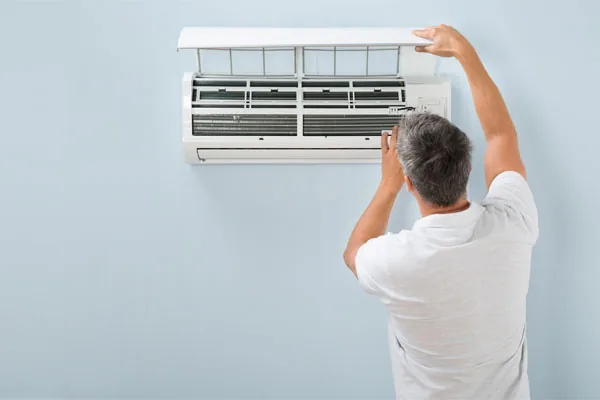
Turn off the air conditioner before removing the filters. Open the front panel carefully. Gently slide or lift the filters out. Avoid damaging the filter material.
Washing And Drying
Wash the filters with warm water and mild soap. Use a soft brush to remove dust and dirt. Rinse the filters well to remove all soap. Do not use strong chemicals or hot water.
- Fill a basin with warm water and mild soap
- Submerge the filters and scrub gently
- Rinse the filters under running water
- Shake off excess water
- Let filters dry completely in shade
Replacing Filters
Once dry, place the filters back in the air conditioner. Make sure they fit well and are secure. Close the front panel properly. Turn on the unit and check airflow.
| Filter Care | Frequency |
| Remove and clean filters | Every 1-2 months |
| Replace filters if damaged | Every 6-12 months |
| Check for odors after cleaning | After every cleaning |
Cleaning The Evaporator And Condenser Coils
Cleaning the evaporator and condenser coils helps remove bad smells from your air conditioner. Dust and dirt buildup can block airflow and cause odors.
This guide shows you how to clean these coils safely and effectively. Follow the steps below to keep your AC smelling fresh and working well.
Accessing The Coils
First, turn off the power to your air conditioner to stay safe. Locate the evaporator coil inside the indoor unit and the condenser coil outside.
Remove the outer panels or grills carefully. Use a screwdriver if needed. Be gentle to avoid bending the coil fins.
- Switch off power supply
- Find indoor and outdoor coil units
- Unscrew and remove panels
- Handle coils carefully to protect fins
Using Coil Cleaner
Choose a coil cleaner made for air conditioners. Spray the cleaner evenly on the coils. Let it sit for 5 to 10 minutes to break down dirt and grime.
Wear gloves and a mask to protect yourself. Avoid getting the cleaner on other parts of the AC unit. Follow the product instructions closely.
Tips for applying coil cleaner:
- Use a spray bottle for even coverage
- Apply cleaner only to the coil surfaces
- Wait the recommended time before rinsing
- Use protective gear like gloves and masks
Rinsing And Drying
After the cleaner has worked, rinse the coils with water. Use a gentle stream from a garden hose or spray bottle. Avoid high pressure that can bend the fins.
Let the coils dry completely before replacing the panels. You can air dry or use a clean cloth to speed up drying. Make sure no moisture remains inside the unit.
| Rinsing Tips | Drying Tips |
| Use low-pressure water spray | Air dry in a shaded area |
| Avoid soaking electrical parts | Use a dry cloth for faster drying |
| Remove all cleaning residue | Check for any leftover moisture |
Clearing The Drain Line
Bad smells from your air conditioner often come from a clogged drain line. Clearing it can stop the smell and keep the AC working well.
The drain line removes water from your air conditioner. Dirt and mold can block it, causing bad odors. Cleaning the drain line is an easy fix.
Identifying The Drain Line
The drain line is a small pipe near your indoor AC unit. It carries water outside or to a drain.
You can find it by looking for a PVC pipe or flexible tubing near the base of the AC. It usually slopes downward to help water flow out.
- Look near the indoor unit for a small pipe or tube
- The pipe often runs outside or to a floor drain
- The drain line usually slopes downward to let water flow
Flushing With Vinegar Or Bleach
Cleaning the drain line with vinegar or bleach removes mold and bacteria. This stops the bad smell.
Pour a cup of white vinegar or a bleach solution into the drain line’s access point. Let it sit for 30 minutes, then flush with water.
- Use white vinegar or a mix of bleach and water (1 part bleach to 10 parts water)
- Pour into the drain line access or overflow pan
- Let it sit for 30 minutes to kill mold and bacteria
- Flush with water to clear the line
Preventing Future Clogs
Regular care helps stop clogs and smells from coming back. Keep the drain line clean and dry.
Check the drain line every few months. Flush it with vinegar to keep mold from growing. Clean or replace filters as needed.
- Flush the drain line with vinegar every 3 to 6 months
- Keep the area around the drain line clean and dry
- Replace or clean air filters regularly
- Inspect the drain line for cracks or damage
Credit: snyderac.com
Removing Mold And Mildew
Mold and mildew cause bad smells in air conditioners. They grow in damp and dark places inside the unit.
Cleaning them out will improve the air quality and stop the bad odor. Use safe and effective methods to remove mold and mildew.
Using Mold Removers
Commercial mold removers can clean your air conditioner well. They kill mold and stop its return if used correctly.
- Turn off and unplug the air conditioner before cleaning.
- Spray the mold remover on affected areas like filters and vents.
- Wait for the time suggested by the product instructions.
- Wipe the area with a clean cloth or rinse if needed.
- Let all parts dry completely before turning the unit on.
Natural Remedies
Natural remedies offer a gentle way to remove mold and mildew. They use simple household ingredients that kill mold without harsh chemicals.
| Ingredient | Use |
| White vinegar | Spray on moldy parts, wait 1 hour, then wipe clean |
| Baking soda | Mix with water, scrub the mold, rinse after cleaning |
| Tea tree oil | Add a few drops to water, spray on mold, do not rinse |
| Lemon juice | Apply directly to mold, leave for 10 minutes, wipe away |
Safety Precautions
Use care when cleaning mold in your air conditioner. Mold spores can harm your health if inhaled or touched.
- Wear gloves and a mask to protect your skin and lungs.
- Work in a well-ventilated area to avoid breathing fumes or spores.
- Do not mix mold removers with bleach or ammonia; it creates toxic gas.
- Follow product instructions and safety warnings carefully.
- Keep children and pets away from cleaning products and the air conditioner while cleaning.
Deodorizing The Air Conditioner
Air conditioners can develop bad smells over time. These smells come from dust, mold, or bacteria inside the unit. Cleaning and deodorizing your air conditioner helps keep the air fresh and healthy.
There are simple ways to remove odors using items you may already have at home. You can also try essential oils or special commercial products made for air conditioners.
Baking Soda Method
Baking soda absorbs bad smells well. Sprinkle baking soda inside the air conditioner’s vents or on the filters. Let it sit for a few hours to absorb odors.
After resting, clean the baking soda with a vacuum or a soft brush. This helps remove dust and freshen the air conditioner naturally.
- Turn off and unplug the air conditioner
- Remove or open vents and filters
- Sprinkle baking soda inside
- Wait 2 to 4 hours
- Vacuum or brush off baking soda
- Replace filters and close vents
Essential Oils
Essential oils add a fresh scent to your air conditioner. Choose oils like lavender, eucalyptus, or tea tree for a clean smell. Use only a few drops to avoid clogging the unit.
Place a cotton ball with a few drops near the air intake or inside the filter area. Run the air conditioner to spread the scent. Replace the cotton ball every few days for lasting freshness.
- Pick your favorite essential oil
- Add 3-4 drops on a cotton ball
- Place cotton ball near air intake or filter
- Turn on the air conditioner
- Change cotton ball every 2-3 days
Commercial Deodorizers
Commercial deodorizers are made for air conditioners. They kill bacteria and stop mold growth that causes bad smells. These products come in sprays, gels, or pads.
Follow the instructions on the package carefully. Use these products regularly to keep your air conditioner smelling fresh and clean.
- Choose a deodorizer made for air conditioners
- Read and follow package directions
- Apply spray, gel, or place pads as told
- Repeat use as recommended
- Keep the air conditioner clean for best results
Credit: www.mrcool.com
Regular Maintenance Tips
Bad smells from an air conditioner can make rooms uncomfortable. Regular care keeps the air fresh and clean.
Cleaning and checking your AC often helps stop bad odors. It also keeps the unit running well.
Scheduled Cleaning
Clean your air conditioner parts on a schedule. This stops dirt and mold from building up.
Focus on cleaning the filters, coils, and drain pans. Dirty parts cause bad smells and reduce air quality.
- Wash or replace air filters every 1 to 3 months
- Clean evaporator and condenser coils yearly
- Clear and sanitize the drain pan and drain line
Professional Servicing
Hire a technician to check your air conditioner once a year. They find problems you might miss.
Professionals clean deep parts and check for leaks or mold. This keeps your AC safe and fresh.
- Inspect and clean internal parts
- Check refrigerant levels and system pressure
- Test airflow and electrical components
- Remove mold or mildew growth
Improving Airflow
Good airflow helps your AC work better and stops smells. Blocked vents cause musty odors.
Keep vents and airways clean and clear. Check for furniture or objects that block airflow.
- Vacuum vents and registers regularly
- Remove dust and debris from air pathways
- Keep furniture and curtains away from vents
- Use fans to help air circulate if needed
Frequently Asked Questions
Why Does My Air Conditioner Smell Bad?
Bad smells come from mold, mildew, or bacteria buildup inside AC units. Dirty filters and stagnant water can also cause odors.
How Do I Remove Musty Smell From Ac?
Clean or replace filters regularly. Use a mixture of water and vinegar to clean coils and drain pans. Ensure proper drainage to avoid moisture buildup.
Can Cleaning Ac Prevent Bad Odors?
Yes, regular cleaning stops mold and bacteria growth. It keeps the air fresh and improves AC efficiency, preventing unpleasant smells.
What Household Items Remove Ac Odors?
White vinegar, baking soda, and lemon juice effectively neutralize odors. Use them to clean filters, coils, and drain pans safely.
Conclusion
Cleaning your air conditioner smell is simple and effective. Regular maintenance prevents unpleasant odors. It also ensures fresh, clean air circulation. Start by checking the filters. Clean or replace them as needed. Use vinegar or baking soda solutions for deep cleaning.
These natural cleaners work wonders. Ensure all components are dry before reassembly. Consistent upkeep helps in maintaining air quality. It also increases the lifespan of your unit. Enjoy a fresh, cool breeze without bad smells. Keep your home comfortable and inviting.
Follow these steps regularly for the best results. Happy breathing!