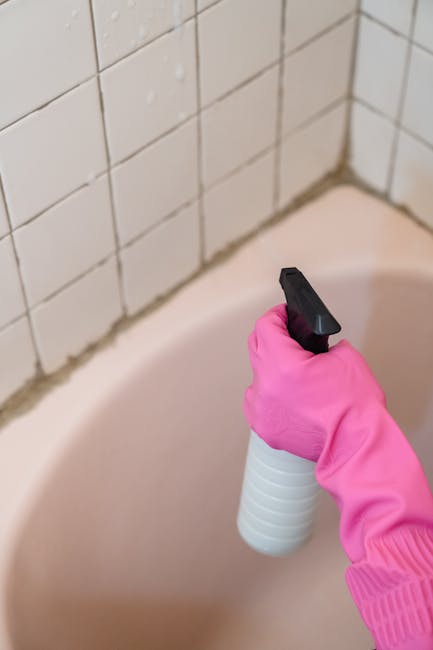
Are you tired of staring at those stubborn stains on your ceramic cooktop? You’re not alone.
Keeping your kitchen looking pristine can sometimes feel like an uphill battle, especially when it comes to maintaining that sleek, glossy surface. But what if I told you there’s an easy way to bring back the sparkle to your cooktop?
Imagine cooking your favorite meals on a surface that looks just as new as the day you bought it. In this guide, we’ll uncover simple, effective techniques to clean your ceramic cooktop without scratching or damaging it. Get ready to say goodbye to grime and hello to a spotless, shiny cooktop that you can be proud of. Keep reading, and let’s transform your kitchen together!

Credit: www.amazon.ca
Choosing The Right Cleaning Tools
Choosing the right cleaning tools for your ceramic cooktop is crucial to protect its smooth surface while keeping it spotless. Using harsh or inappropriate items can cause scratches or dull the finish, making your efforts backfire. The key is to find tools that are gentle yet effective, allowing you to tackle stains without damaging your cooktop.
Soft Cloths And Sponges
Soft cloths, like microfiber towels, are your best friends for everyday cleaning. They pick up grease and spills without scratching the surface. Avoid abrasive sponges that can leave marks; instead, choose non-scratch sponges designed for delicate surfaces.
Have you noticed how a simple soft cloth can make your cooktop look brand new? Using one with warm, soapy water often removes most messes without extra effort.
Scrapers And Razor Blades
Scrapers and razor blades can be lifesavers for burnt-on food, but only if you use them carefully. Hold the blade at a low angle and gently scrape without applying too much pressure. This technique removes tough residue without scratching the glass.
Using these tools incorrectly can ruin your cooktop, so it’s important to use ones specifically designed for ceramic surfaces. Do you have a scraper handy, or have you been avoiding this tool altogether?
Cleaning Solutions
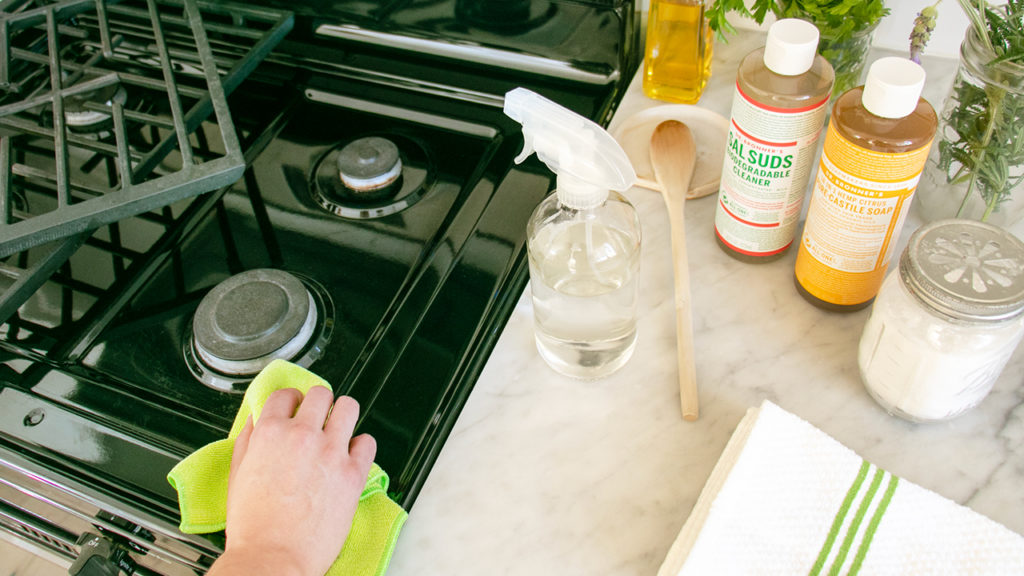
Choosing the right cleaning solution can make all the difference. Look for cleaners labeled safe for ceramic cooktops; they contain ingredients that dissolve grease and stains without harming the surface. Avoid harsh chemicals like bleach or ammonia that can dull the finish.
Sometimes, a simple mix of baking soda and water creates a gentle paste that lifts stains effectively. Have you tried homemade solutions, or do you stick with store-bought products?
Credit: www.lisabronner.com
Daily Cleaning Routine
Keeping your ceramic cooktop clean every day helps it stay shiny and work well. A simple daily routine stops dirt and spills from building up. This makes deep cleaning easier and saves time. Spend a few minutes after cooking to keep the surface spotless.
Wiping After Each Use
After cooking, wait for the cooktop to cool down. Use a soft cloth or sponge to wipe the surface gently. Warm water is usually enough to remove light stains and fingerprints. Avoid scrubbing hard to prevent scratches. Dry the surface with a clean towel to avoid streaks.
Dealing With Minor Spills
Clean spills as soon as possible to stop them from hardening. Use a damp cloth with mild dish soap for sticky spots. For sugar or melted plastic, scrape gently with a plastic scraper while the surface is cool. Rinse with a wet cloth and dry well. Regular quick cleaning keeps your cooktop looking new longer.
Removing Tough Stains
Removing tough stains from your ceramic cooktop can feel like a daunting task. These stubborn marks not only spoil the look of your kitchen but can also affect the performance of your cooktop. Understanding the right techniques to tackle different types of stains will save you time and effort while keeping your surface pristine.
Burnt-on Residue
Burnt-on residue forms when food spills or sugary substances cook onto the surface. To remove it, start by letting the cooktop cool completely to avoid scratches or burns. Use a ceramic cooktop scraper at a 45-degree angle to gently lift the residue without damaging the glass.
After scraping, apply a few drops of a specially formulated ceramic cooktop cleaner. Spread it evenly with a soft cloth and let it sit for a couple of minutes. Then, wipe the area with a damp cloth in circular motions to loosen any remaining residue.
Have you ever tried using baking soda for burnt spots? Sprinkle some baking soda over the stain, add a little water to make a paste, and let it sit for 15 minutes before scrubbing gently with a non-abrasive sponge. This natural method often surprises people with its effectiveness.
Water Spots And Mineral Deposits
Hard water can leave unsightly spots and mineral buildup on your ceramic cooktop. These deposits are usually white or cloudy and can dull the surface over time. To tackle this, dampen a soft cloth with white vinegar and wipe the affected areas.
Vinegar’s acidity helps dissolve mineral deposits without harming the glass. Let it sit for a few minutes if the spots are stubborn, then wipe clean with a damp cloth. Avoid using abrasive pads as they can scratch the surface and make future stains worse.
Have you noticed a difference after using vinegar? Many find this simple household item is the secret weapon for keeping their cooktop shining like new.
Using Homemade Cleaners
Using homemade cleaners is a smart way to keep your ceramic cooktop spotless. These cleaners use simple ingredients found at home. They are safe, gentle, and effective on ceramic surfaces. You save money and avoid harsh chemicals. Cleaning becomes easier with these natural solutions.
Baking Soda Paste
Baking soda paste works well for removing tough stains. Mix baking soda with a small amount of water. The paste should be thick but spreadable. Apply the paste on the cooktop spots. Let it sit for 15 to 20 minutes. Then gently scrub with a soft cloth or sponge. Wipe clean with a damp cloth. Baking soda helps lift grease and burnt-on food.
Vinegar Solutions
Vinegar is a natural cleaner that cuts through grime. Mix equal parts of white vinegar and water in a spray bottle. Spray the solution on the ceramic cooktop. Let it sit for 5 to 10 minutes. Wipe with a soft cloth or paper towel. For extra shine, buff the surface after cleaning. Vinegar removes stains and leaves no residue.
Avoiding Common Mistakes
Cleaning your ceramic cooktop might seem straightforward, but certain mistakes can damage its surface or reduce its lifespan. Avoiding these common errors helps keep your cooktop looking new and functioning well. Let’s look at two frequent pitfalls and how you can steer clear of them.
Using Abrasive Materials
Many people think scrubbing hard with steel wool or rough sponges will make their cooktop spotless faster. The truth is, abrasive materials scratch the smooth surface, leaving permanent marks that are hard to fix.
Instead, use soft cloths, sponges, or specially designed ceramic cooktop scrapers. I once tried using a scouring pad on my cooktop, and it left tiny scratches that were visible under the light for months.
Ask yourself: is a quick scrub worth ruining the finish? Gentle cleaning products and tools protect your investment and keep the surface shiny.
Cleaning When Hot
It’s tempting to clean spills immediately after cooking, but wiping a hot cooktop can cause burns or damage the glass. Hot spills might also spread more, making the mess worse.
Wait until the surface cools completely before starting your cleaning routine. I learned this the hard way when trying to clean a sugar spill while the cooktop was still warm—it hardened quickly and became a tough stain.
Patience pays off. Cooling down allows for safer and more effective cleaning without risking injury or damage to your cooktop.
Maintaining The Cooktop’s Shine
Maintaining the shine of a ceramic cooktop keeps your kitchen looking clean and fresh. A bright cooktop also makes cooking more enjoyable. Regular care stops stains and scratches from dulling the surface. Simple habits help preserve the glossy finish longer.
Polishing Tips
Use a soft cloth or microfiber towel for polishing. Avoid abrasive pads that can scratch the surface. Apply a small amount of ceramic cooktop cleaner or a mix of vinegar and water. Rub gently in circular motions to bring out the shine.
- Polish after every deep clean for best results.
- Buff the surface dry with a clean cloth.
- Use a glass cleaner occasionally for extra shine.
Polishing removes streaks and light marks. It also protects the cooktop from dullness and grime buildup.
Regular Deep Cleaning
Deep cleaning prevents tough stains and burnt spots. Wait until the cooktop cools completely before cleaning. Use a scraper designed for ceramic surfaces to remove stuck-on food.
- Apply a ceramic cooktop cleaner or baking soda paste.
- Let it sit for a few minutes to break down grime.
- Wipe with a damp cloth, then dry thoroughly.
Deep clean your cooktop weekly or after heavy use. This routine keeps the surface smooth and shiny. It also extends the life of the cooktop.
Credit: www.kitchenaid.com
Frequently Asked Questions
How Do I Remove Tough Stains From A Ceramic Cooktop?
Use a ceramic cooktop cleaner and a soft cloth to remove tough stains. For stubborn spots, gently scrape with a razor blade at a 45-degree angle. Always avoid abrasive pads to prevent scratches.
What Household Items Clean Ceramic Cooktops Safely?
White vinegar and baking soda are safe household cleaners. Spray vinegar, sprinkle baking soda, then wipe gently with a soft cloth. This method removes grease and grime without damaging the surface.
How Often Should I Clean My Ceramic Cooktop?
Clean your ceramic cooktop after every use to prevent buildup. A daily wipe with a soft cloth and mild cleaner keeps it spotless and extends its lifespan.
Can I Use Abrasive Cleaners On Ceramic Cooktops?
No, abrasive cleaners can scratch and damage the cooktop surface. Use cleaners specifically designed for ceramic surfaces to maintain shine and avoid damage.
Conclusion
Cleaning a ceramic cooktop can be simple and quick. Use gentle cleaners and soft cloths to avoid scratches. Regular cleaning keeps the surface shiny and safe. Remove spills right after cooking to stop stains. Avoid harsh tools that can damage the cooktop.
Taking small steps daily saves effort later. A clean cooktop looks nice and works well. Enjoy cooking with a spotless and smooth surface. Keep these tips in mind for easy care every day.