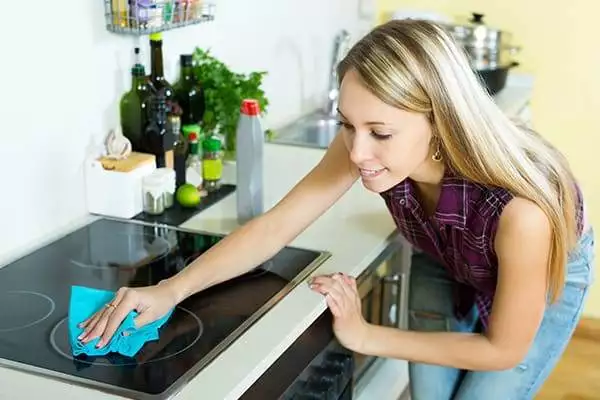
Your flat cooktop stove is a sleek and modern centerpiece in your kitchen. But when spills and stains build up, it can quickly lose its shine and make cooking less enjoyable.
You might wonder how to clean it without scratching the surface or using harsh chemicals. The good news is, with the right steps, you can restore your cooktop to spotless perfection in no time. Keep reading, and you’ll discover simple, effective tips that make cleaning your flat cooktop stove easier than ever before.
Tools And Materials Needed
Before you start scrubbing your flat cooktop stove, gather the right tools and materials to make the cleaning process smooth and effective. Using the proper supplies prevents scratches and ensures your stove looks spotless without much effort.
Cleaning Solutions
- White vinegar:Great for removing grease and light stains.
- Baking soda:Acts as a gentle abrasive to lift tough spots.
- Dish soap:Helps break down oily residue without harsh chemicals.
- Commercial cooktop cleaner:Formulated specifically for glass surfaces to protect and shine.
Choosing the right cleaner affects how easy it is to wipe away grime. Have you noticed how vinegar cuts through grease better than many store-bought sprays?
Tools For Scrubbing And Wiping
- Microfiber cloths:Soft, non-abrasive, and perfect for streak-free drying.
- Non-scratch sponge:Ideal for scrubbing without damaging the glass.
- Plastic scraper or razor blade:Useful to gently lift burnt-on food without scratching.
- Spray bottle:Handy for applying cleaning solutions evenly.
Using a regular sponge or rough cloth might seem easier, but it can leave scratches that ruin the cooktop’s sleek look. Have you ever tried scraping burnt food with a plastic scraper? It saves so much time and effort.
Additional Supplies
- Paper towels:For quick cleanup of spills before they harden.
- Gloves:Protect your hands from harsh cleaners or prolonged moisture.
- Old toothbrush:Perfect for getting into corners and edges where grime hides.
Sometimes the smallest tools, like a toothbrush, make a big difference. Think about the last time you missed those stubborn spots along the edges—having the right brush can fix that quickly.
Credit: www.kitchenaid.com
Preparing The Cooktop
Preparing the cooktop is the first step toward a spotless flat stove. A clean surface makes the actual cleaning easier and safer. Taking time to prepare prevents damage and stains from setting in. Follow simple steps before applying any cleaner or scrubber.
Turn Off And Cool Down
Always switch off the stove before cleaning. The cooktop must be completely cool. Cleaning a hot surface can cause burns or cracks. Wait at least 30 minutes after cooking. Touch the surface carefully to check the temperature. Only start cleaning when it feels cool to touch.
Remove Loose Debris
Clear away crumbs, food bits, and grease spots first. Use a soft cloth or paper towel for this. Avoid scraping with sharp tools that can scratch the glass. Gently sweep debris into a dustpan or trash bin. This step helps avoid spreading dirt during cleaning.
Daily Cleaning Routine
Keeping your flat cooktop stove spotless doesn’t require hours of scrubbing. A simple daily cleaning routine can preserve its shine and prevent tough stains from setting in. This approach saves you time and effort, making cooking a more enjoyable experience every day.
Wiping With Microfiber Cloth
Using a microfiber cloth is one of the easiest ways to maintain your cooktop’s cleanliness. These cloths trap grease and dust effectively without scratching the surface.
After cooking, wait a few minutes for the stove to cool. Then, gently wipe the surface with the damp microfiber cloth to remove crumbs and light spills. This quick step prevents buildup and keeps your stove looking fresh.
Using A Mild Cleaner
Sometimes, water alone isn’t enough to tackle oily spots or sticky residue. A mild cleaner designed for glass or ceramic surfaces can help without damaging your cooktop.
Spray a small amount of cleaner on the surface and let it sit for a minute. Then, wipe it off with a clean microfiber cloth, applying light pressure. Avoid harsh chemicals or abrasive pads, as they may cause scratches or dull the finish.
How often do you clean your cooktop? Making this part of your daily kitchen routine can reduce the need for heavy-duty cleaning sessions later on.
Deep Cleaning Process
Deep cleaning your flat cooktop stove goes beyond the quick wipe-down after cooking. It’s about removing buildup that dulls the surface and affects performance. Taking the time to clean it thoroughly will keep your stove looking new and working efficiently.
Choosing The Right Cleaner
Not every cleaner is safe for flat cooktops. Harsh chemicals or abrasive powders can scratch the glass surface, causing permanent damage. Look for cleaners specifically made for glass or ceramic stoves, often labeled as non-abrasive and gentle.
Many home cooks swear by homemade mixtures like vinegar and baking soda for a natural clean. Have you tried these alternatives? They can be effective and save you money while protecting your stove’s finish.
Scrubbing With A Soft Pad
Using the right scrubber is just as important as the cleaner. Soft pads or sponges designed for delicate surfaces prevent scratches. Avoid steel wool or rough brushes that can leave marks.
Apply gentle pressure while scrubbing. You want to lift grime, not grind it deeper into the surface. Think about how you would clean a camera lens—delicate and careful works best.
Tackling Stubborn Stains
Some stains, like burnt-on food or melted sugar, need extra attention. A razor blade scraper held at a 45-degree angle can carefully remove these without scratching. Always be cautious and test a small area first.
Soaking the affected area with a damp cloth and cleaner for 10-15 minutes before scrubbing can loosen tough spots. Patience here pays off and reduces the risk of damage.
Cleaning The Edges And Controls
Cleaning the edges and controls of your flat cooktop stove is often overlooked, yet it’s essential for maintaining both the appearance and functionality of your appliance. Grease and food particles tend to accumulate in these areas, making the stove look dirty and sometimes causing the controls to stick. Paying attention to these spots can extend the life of your cooktop and make your cooking experience smoother.
Cleaning Around The Burners
The edges around the burners usually collect burnt-on spills and crumbs. Start by gently scraping off any loose debris with a plastic scraper or an old credit card to avoid scratching the surface.
Next, dampen a microfiber cloth with warm, soapy water and wipe around the edges carefully. Avoid using too much water to prevent it from seeping into electrical parts.
If stubborn stains remain, try a paste made of baking soda and water. Apply it to the affected areas, let it sit for 10-15 minutes, then scrub gently with a soft brush or cloth.
Wiping Control Knobs
Control knobs can collect grease and grime quickly, especially if you cook often. If your knobs are removable, take them off and soak them in warm, soapy water for 10-15 minutes.
Use a soft brush or cloth to clean inside the knob holes on the stove. If the knobs aren’t removable, wipe them carefully with a damp cloth dipped in soapy water, then dry immediately to prevent moisture damage.
Have you noticed your knobs feel sticky or hard to turn? Regular cleaning can prevent this and keep your stove working smoothly.
Credit: www.housework.com
Polishing For Extra Shine
Polishing your flat cooktop stove adds that final touch of brilliance, making it look spotless and inviting. It’s not just about cleanliness; a shiny surface reflects your care and attention to detail. Polishing also helps protect the glass surface, extending its lifespan and preventing future stains.
Using Glass Cleaner
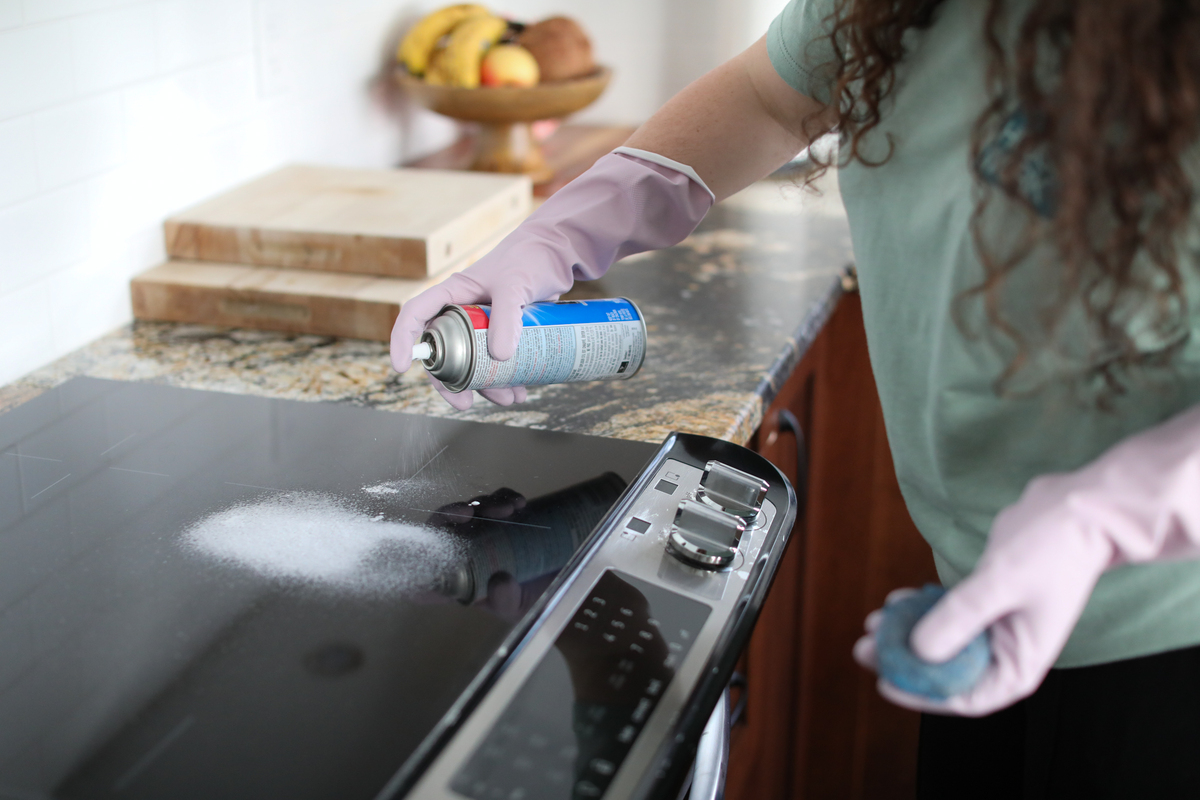
Choose a glass cleaner that’s ammonia-free to avoid damaging the cooktop surface. Spray a small amount directly onto the stove or onto a soft cloth. Wipe gently in circular motions, focusing on smudges and fingerprints.
Have you noticed how some cleaners leave streaks? Avoid that by using a cleaner designed specifically for glass surfaces. This ensures a clear, streak-free shine that lasts longer.
Buffing With A Dry Cloth
After applying the glass cleaner, take a clean, dry microfiber cloth for buffing. Use light pressure and circular movements to bring out a mirror-like shine. Buffing removes any leftover residue and enhances the polished effect.
Try buffing in natural light to spot any missed spots or streaks. You’ll be surprised how much difference this simple step makes. It’s a quick trick I learned after struggling with dull spots despite cleaning thoroughly.
Preventive Measures
Preventive measures help keep your flat cooktop stove clean longer. They reduce stains and scratches. These simple steps save time on tough cleaning later. Protect the surface and maintain its shine. Small habits make a big difference.
Using Cooktop Protectors
Cooktop protectors act as a barrier between pots and the glass surface. They catch spills and crumbs. Protectors prevent scratches from heavy cookware. Easy to remove and clean, they keep the cooktop spotless. Choose a protector that fits your stove size. Silicone or tempered glass protectors work well.
Avoiding Abrasive Tools
Abrasive tools can damage the smooth surface of the cooktop. Avoid steel wool, rough scrubbers, or harsh brushes. Use soft sponges or cloths instead. Gentle cleaning prevents scratches and dullness. For stuck-on food, soak first to loosen it. Treat the cooktop with care to keep it looking new.

Credit: www.reddit.com
Frequently Asked Questions
How Often Should I Clean A Flat Cooktop Stove?
Clean your flat cooktop stove after each use. Regular cleaning prevents buildup and makes deep cleaning easier. Wipe spills promptly to avoid stains and damage.
What Household Items Clean Flat Cooktop Stoves Effectively?
Use baking soda, vinegar, and a soft cloth for cleaning. These items remove stains without scratching the surface. Avoid abrasive cleaners to protect the cooktop.
Can I Use A Razor Blade Scraper Safely?
Yes, use a razor blade scraper carefully on a flat cooktop. Hold it at a 45-degree angle to avoid scratches. Always scrape gently to remove burnt-on residue.
How To Remove Tough Stains From A Flat Cooktop?
Apply a paste of baking soda and water on stains. Let it sit for 15 minutes, then scrub gently with a soft cloth. Repeat if necessary for stubborn spots.
Conclusion
Cleaning your flat cooktop stove keeps it shiny and working well. Use gentle cleaners and soft cloths to avoid scratches. Clean spills right away to stop stains from setting. Regular care saves time and effort later on. A clean stove makes cooking safer and more pleasant.
Simple steps can make a big difference every day. Keep your kitchen neat and enjoy cooking more. Easy cleaning habits protect your stove’s look and function.