Mold on your air conditioner is more than just an eyesore—it can affect your health and lower your AC’s efficiency. If you’ve noticed a musty smell or visible mold spots, it’s time to take action.
Cleaning mold off your air conditioner might seem tricky, but with the right steps, you can do it yourself and breathe easier. Keep reading to discover simple, effective ways to get your AC clean and running smoothly again. Your home and your health will thank you.

Credit: unitedstatesolutions.com
Signs Of Mold In Ac
Mold can grow inside your air conditioner if it stays damp. It can cause health problems and damage your AC unit.
Knowing the signs of mold in your AC helps you clean it quickly. This keeps your home air fresh and safe.
Musty Odor
A strong musty smell from your AC means mold may be growing inside. This smell comes from mold spores spreading in the air.
If you notice a bad, damp odor when the AC runs, check for mold. The smell often gets worse if the AC has not been cleaned for a long time.
Visible Mold Spots
You might see mold spots on your AC vents or filters. These spots look like black, green, or white patches.
Check the AC coils and drain pan for slimy or fuzzy growth. Visible mold means the unit needs a deep cleaning immediately.
- Black or green spots on vents
- White or gray patches on filters
- Slime on coils or drain pan
Reduced Airflow
Mold buildup can block air passages inside your AC. This reduces the airflow and lowers cooling power.
If you feel less air blowing out of the vents, mold or dirt might be inside. Cleaning the AC can help restore good airflow.
Safety Precautions
Cleaning mold off your air conditioner needs care. Mold can cause health problems. Safety is very important before you start.
Use the right steps to protect yourself and your home. Follow these safety tips to clean mold safely.
Turn Off Power
Always turn off the power to your air conditioner before cleaning. This stops any risk of electric shock. It also protects the unit from damage.
Switch off the main power or unplug the unit. Double-check the power is off before you touch anything inside.
Wear Protective Gear
Wear protective gear to avoid breathing in mold spores. Mold can irritate your eyes, skin, and lungs.
- Use a mask that covers your nose and mouth
- Wear gloves to protect your hands
- Put on safety goggles to shield your eyes
- Wear long sleeves and pants to cover your skin
Always wash your clothes and skin after cleaning mold to remove spores.
Ensure Proper Ventilation
Open windows and doors near the air conditioner. Good airflow helps remove mold spores from the air.
If possible, use a fan to blow fresh air inside. Avoid breathing the mold dust while you clean.
Gather Cleaning Supplies
Cleaning mold off your air conditioner needs the right supplies. These items help you clean safely and well.
Get everything ready before you start. This will save time and make cleaning easier.
Mild Detergent
Choose a mild detergent to avoid damage to your air conditioner parts. It helps remove mold without harsh chemicals.
Use warm water to mix the detergent for better cleaning power.
White Vinegar
White vinegar is a natural cleaner that kills mold and bacteria. It is safe and easy to use on most surfaces.
- Pour white vinegar into a spray bottle.
- Spray directly on moldy areas.
- Let it sit for about an hour before wiping.
- Rinse with water if needed.
Soft Brush And Cloths
Use a soft brush to scrub mold gently without scratching. Clean cloths help wipe away dirt and moisture.
| Item | Use |
| Soft Brush | Remove mold from hard-to-reach spots |
| Microfiber Cloth | Wipe surfaces clean and dry |
| Old Towel | Absorb excess water and dirt |

Credit: www.youtube.com
Step-by-step Cleaning Process
Cleaning mold from your air conditioner is important for healthy air. Follow these steps carefully to remove mold safely.
Prepare your tools and wear gloves to protect yourself before starting the cleaning process.
Remove And Clean Filters
Take out the air filter from your air conditioner. Wash it with warm water and mild soap. Rinse it well to remove all dirt and mold spores.
- Turn off the air conditioner and unplug it
- Open the front panel and remove the filter
- Soak the filter in warm soapy water for 15 minutes
- Use a soft brush to scrub away mold gently
- Rinse the filter under clean water
- Let the filter dry completely before reinstalling
Clean Evaporator Coils
Dirty evaporator coils can cause mold growth and reduce cooling. Clean them to keep your AC efficient and mold-free.
Use a coil cleaner or a mix of water and mild detergent. Spray the solution on the coils and let it sit for 10 minutes. Then, wipe the coils carefully with a soft cloth.
Scrub Moldy Surfaces
Scrub all visible mold on the air conditioner surfaces using a brush or sponge. Use a cleaning solution to help remove stubborn mold spots.
| Surface | Cleaning Method | Tools Needed |
|---|---|---|
| Air conditioner casing | Wipe with warm soapy water | Sponge, cloth |
| Drain pan | Scrub with brush and detergent | Soft brush, detergent |
| Air vents | Clean with vacuum or brush | Vacuum, small brush |
Disinfect With Vinegar
Use white vinegar to kill mold spores. Spray vinegar on all cleaned parts and let it sit for one hour. Vinegar is a natural disinfectant and safe to use.
Here is a simple vinegar spray recipe:
- 1 cup white vinegar
- 1 cup water
- Mix in a spray bottle
Spray this solution on moldy areas and wipe after one hour.
Drying And Reassembly
After cleaning mold from your air conditioner, drying is very important. Proper drying prevents mold from returning and stops moisture damage. Once dry, you can put all parts back together safely.
This guide covers how to allow thorough drying and then reinstall the components correctly.
Allow Thorough Drying
Do not rush the drying process. Make sure every part is completely dry before reassembly. Wet parts can cause mold to grow again or damage the air conditioner.
- Place cleaned parts in a warm, dry area with good air flow.
- Use a fan to speed up drying if needed, but avoid direct heat.
- Check parts after a few hours to confirm they are dry to the touch.
- Wait at least 24 hours for small parts and 48 hours for larger parts.
- Do not use the air conditioner until all parts are fully dry.
Reinstall Components
After drying, carefully put the air conditioner parts back in place. Follow these steps to avoid damage and ensure proper operation.
| Component | Reinstallation Tip |
|---|---|
| Filter | Insert it clean and dry, making sure it fits snugly. |
| Coils | Handle gently to avoid bending fins; secure all screws tightly. |
| Cover | Align clips and screws before tightening them evenly. |
| Drain Pan | Place it correctly to ensure proper water flow and drainage. |
| Electrical Connections | Reconnect wires securely without forcing any parts. |
Prevent Mold Growth
Mold can grow quickly on your air conditioner if you do not keep it clean. Preventing mold helps your AC work better and keeps the air healthy.
Use simple steps to stop mold from forming. These steps keep moisture low and your AC dry.
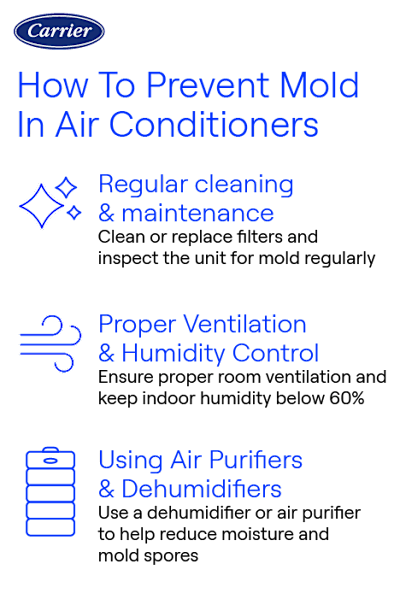
Regular Maintenance
Check your air conditioner often. Clean or change the filters every month. This stops dirt and mold spores from building up.
Clean the AC coils and drain pan to stop mold growth. A dirty AC has more chance to grow mold.
- Turn off the power before cleaning
- Use a soft brush to clean coils
- Remove and wash the filters with soap and water
- Dry all parts well before turning on the AC
Control Humidity
Keep the humidity in your home below 60%. Mold grows faster in moist air. Use fans to improve air flow.
Close windows when the air is humid outside. Use air conditioners or vents to reduce moisture inside.
- Use exhaust fans in kitchens and bathrooms
- Avoid drying clothes indoors
- Fix leaks to stop water buildup
Use A Dehumidifier
A dehumidifier helps remove moisture from the air. This lowers the chance of mold growing in your AC and home.
Place a dehumidifier in rooms with poor air flow or high humidity. Empty the water tank often to keep it working well.
- Choose the right size for your room
- Set the humidity level between 30% and 50%
- Clean the dehumidifier regularly
When To Call A Professional
Cleaning mold from an air conditioner can be tricky. Some problems need expert help. Knowing when to call a professional keeps your home safe.
Small mold patches can be cleaned by yourself. Big or hidden mold needs a specialist. Here are signs to watch for.
Severe Mold Infestation
Large mold areas inside the air conditioner are dangerous. They spread spores and can harm your health. If you see thick mold or black patches, call a professional.
- Visible thick mold on vents or coils
- Black or green patches covering parts
- Mold spreading beyond the unit
- Previous cleaning attempts failed
Persistent Odors
Musty smells from the air conditioner may mean hidden mold. If the smell stays after cleaning, a professional can find the source.
| Odor Type | Possible Cause | Action Needed |
| Musty or damp | Hidden mold in ducts or coils | Professional mold inspection |
| Rotten or sour | Water damage or clogged drain | Drain cleaning and mold removal |
| Persistent smell despite cleaning | Deep mold growth | Expert remediation |
System Performance Issues
Mold can block air flow or damage parts. If your air conditioner works poorly, a professional can check for mold and fix it.
Signs to call a professional for system problems:
- Reduced cooling or heating
- Unusual noises from the unit
- Higher energy bills without reason
- Frequent system breakdowns

Credit: www.reddit.com
Frequently Asked Questions
How Do I Safely Remove Mold From My Air Conditioner?
Turn off and unplug the AC unit first. Use a mixture of water and mild detergent or vinegar to scrub moldy surfaces. Wear gloves and a mask to protect yourself. Dry all parts thoroughly before reassembling to prevent mold regrowth.
What Causes Mold Growth In Air Conditioners?
Mold grows in AC units due to moisture buildup and poor ventilation. Warm, damp environments inside the unit promote mold spores. Regular cleaning and maintenance help reduce moisture and prevent mold formation.
Can Mold In Air Conditioners Affect Health?
Yes, mold spores can trigger allergies, asthma, and respiratory issues. Prolonged exposure to mold can worsen symptoms. Regular cleaning and timely mold removal keep your indoor air safe and healthy.
How Often Should I Clean Mold From My Ac?
Clean your air conditioner every 3 to 6 months, or more often if you notice mold. Frequent cleaning stops mold from spreading and maintains efficient cooling performance.
Conclusion
Cleaning mold from your air conditioner is crucial for health. Regular maintenance helps prevent mold growth. Use simple tools and ingredients like vinegar. Always wear protective gear to stay safe. Clean filters and coils regularly to improve air quality. Remember, a clean unit works more efficiently.
It also lasts longer. So, make it a routine task. Your home will be healthier and more comfortable. Keep your air conditioner in top shape. Enjoy cleaner, fresher air every day.