Is your air conditioner giving off a musty smell or making you sneeze more than usual? Mold could be the hidden culprit.
Cleaning mold on your air conditioner isn’t just about keeping it looking fresh—it’s about protecting your health and improving the air you breathe every day. In this guide, you’ll discover simple, effective steps to get rid of mold safely and keep it from coming back.
Ready to breathe cleaner air and make your AC work better? Let’s dive in.

Credit: unitedstatesolutions.com
Signs Of Mold In Air Conditioners
Signs of moldin air conditioners include a musty smellnear the unit. Mold growth often appears as black, green, or brown spotson the vents or coils. Moisture or water buildup inside the unit is another common sign. You might notice the air conditioner blowing dust or small particlesthat look like dirt or mold.
- Unpleasant, musty odorscoming from the AC
- Visible discolorationon parts of the unit
- Water leaksor dampness inside or around the AC
- Reduced airflow or strange noises
Health risksfrom mold include allergic reactionssuch as sneezing, coughing, and watery eyes. Mold spores can cause breathing problems, especially for people with asthma or weak immune systems. Long-term exposure might lead to skin irritationor headaches. It is important to keep the air conditioner clean to avoid these health issues.

Credit: unitedstatesolutions.com
Safety Precautions Before Cleaning
Wear a face maskto avoid breathing in mold spores. Use glovesto protect your hands from chemicals. Put on safety gogglesto shield your eyes. Don a long-sleeved shirtand pants to cover your skin. This gear helps keep you safe from mold and cleaning products.
Ensure the air conditioner is turned off. First, switch off the power at the unit. Next, unplug it from the wall socket. This step is crucial to prevent electrical shocks. Always make sure the unit is not running. Check twice to be sure it’s safe.
Tools And Cleaning Supplies Needed
Essential toolsfor mold removal include a soft brush, spray bottle, and cleaning cloths. A vacuum cleaner with a HEPA filter helps remove loose mold spores safely. Wearing protective glovesand a mask is important to avoid inhaling spores. A screwdriver may be needed to open the air conditioner cover. Ensure good ventilation during cleaning to keep fresh air flowing.
| Recommended Cleaning Agents | Purpose |
|---|---|
| White Vinegar | Kills mold and deodorizes |
| Baking Soda | Removes mold and absorbs odors |
| Hydrogen Peroxide (3%) | Kills mold and disinfects surfaces |
| Commercial Mold Cleaner | Designed specifically for mold removal |
Step-by-step Mold Cleaning Process
Remove the air conditioner filters carefully. Rinse them with warm water to wash away dust and dirt. Use mild soap if the filters have visible mold. Let the filters dry completely before placing them back. Clean filters help the air conditioner work better and reduce mold growth.
Clean the coils and drain pan next. Use a soft brush to remove dust and mold. Spray a mixture of water and vinegar on the coils and pan. Wipe gently with a cloth to avoid damage. This stops mold from spreading inside the unit.
Scrub any moldy surfaces with a cloth soaked in a vinegar solution. Focus on corners and hidden spots where mold grows fast. Rinse the cloth often and use gloves to protect your hands. Let the cleaned surfaces dry fully to stop mold from returning.
Preventing Mold Growth In The Future
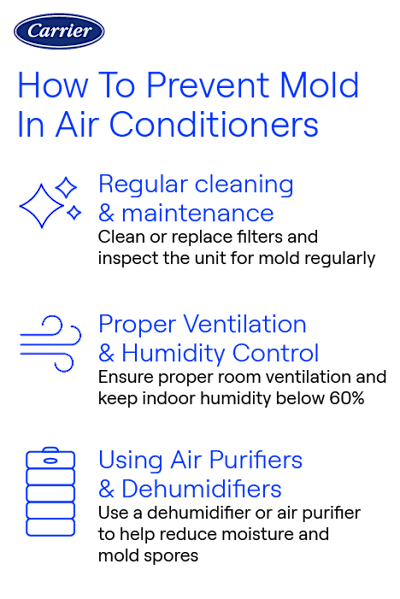
Regular cleaning helps keep your air conditioner free from mold. Check filters every month and replace them if dirty. Clean the coils and drains to stop mold growth. Keep the unit dry to prevent moisture build-up. Use a dehumidifier if your home feels damp.
- Clean filters and coils regularly
- Empty and clean drain pans
- Keep air conditioner dry
- Use a dehumidifier in humid areas
- Fix leaks promptly
Controlling moisture and humidity is key. Mold grows where air is damp and still. Open windows to improve airflow. Use fans to move air and reduce dampness. Aim to keep indoor humidity below 60%.
| Humidity Level | Effect |
|---|---|
| Below 40% | Air feels dry, less mold risk |
| 40% – 60% | Comfortable, mold growth limited |
| Above 60% | High mold risk, damp air |

Credit: www.youtube.com
When To Call A Professional
Strong mold growth or a bad smell means it’s time to call a professional. Mold inside the air conditioner may cause health issues. Also, if the unit leaks water or does not cool well, expert help is needed. Professionals use special tools and cleaners that remove mold safely. They also check for hidden mold inside the system.
Choosing the right service is important. Look for companies with good reviews and proper licenses. Ask if they use safe cleaning methods and if they guarantee their work. Compare prices but do not pick only the cheapest option. Trustworthy services offer clear estimates and explain their process well.
Frequently Asked Questions
How Do I Safely Clean Mold On My Air Conditioner?
Turn off and unplug the unit first. Use gloves and a mask. Clean with a mixture of water and vinegar or a mild detergent. Avoid harsh chemicals that can damage components. Dry thoroughly before restarting to prevent mold regrowth.
What Causes Mold Growth Inside Air Conditioners?
Mold grows due to moisture buildup from condensation. Poor ventilation and dirty filters also contribute. Warm temperatures and stagnant water create ideal mold conditions. Regular cleaning and maintenance help prevent mold growth.
Can Vinegar Effectively Remove Mold From Air Conditioners?
Yes, vinegar is a natural and effective mold cleaner. It kills most mold types without harmful chemicals. Spray vinegar on affected areas, let it sit for an hour, then wipe clean. Repeat if necessary for stubborn mold.
How Often Should I Clean My Air Conditioner To Prevent Mold?
Clean your air conditioner every 1 to 3 months. Regular filter changes and coil cleaning reduce mold risks. During humid seasons, clean more frequently. Consistent maintenance ensures better air quality and system efficiency.
Conclusion
Cleaning mold on your air conditioner keeps the air fresh and healthy. Regular care stops mold from coming back fast. Use safe cleaners and wear gloves for protection. Check filters and vents often to catch mold early. Clean AC units help your home feel comfortable and safe.
Simple steps make a big difference in air quality. Stay on top of cleaning to avoid bigger problems later. A clean AC is good for your health and your home.