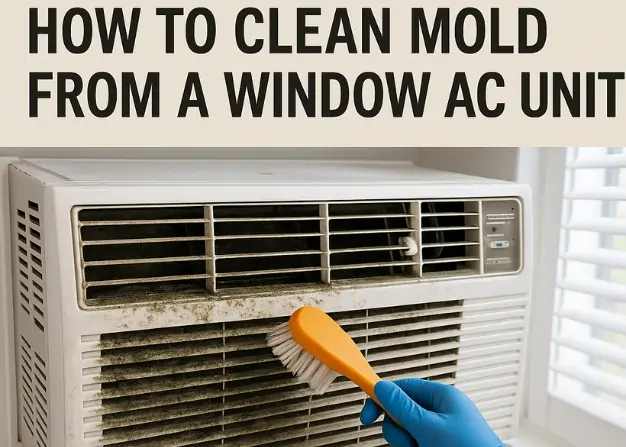
Mold growing inside your window air conditioner is more common than you think—and it can seriously affect your health and the air you breathe. If you’ve noticed a musty smell or visible mold spots, it’s time to take action.
Cleaning mold out of your window AC isn’t as hard as it seems, and doing it right will keep your unit running smoothly and your home safe. In this guide, you’ll learn simple, effective steps to get rid of mold for good.
Keep reading to protect your air and your family.
Signs Of Mold In Window Ac
Signs of moldin a window air conditioner include a musty smelland visible black or green spots. Mold may cause the unit to leak wateror work less efficiently. Allergic reactionslike sneezing or coughing can also indicate mold presence.
Common Mold Locations
- Inside the air filter, where dust and moisture collect.
- On the cooling coils, which stay damp for long periods.
- Drain pans and tubes, where water can pool and stagnate.
- Inside the air vents, allowing spores to spread in the room.
Health Risks From Mold
Mold can cause allergic reactionslike sneezing, coughing, or eye irritation. It may worsen asthma symptomsand cause breathing problems. Some molds produce toxinsthat can lead to more serious health issues. Children and elderly people are more vulnerableto these risks.
Safety Precautions
Wear protective gearlike gloves and masks to avoid mold exposure. Mold spores can cause allergic reactionsor breathing problems. Safety glasses protect your eyes from dust and debris. Use a long-sleeved shirt and pants to cover your skin. This prevents irritation from mold contact.
Ensure the room has good ventilation. Open windows and doors to let fresh air in. Use a fan to move air and push mold spores outside. Proper airflow helps reduce mold spores in the air. It also makes cleaning easier and safer.
Tools And Cleaning Supplies
Gather essential cleaning materialsbefore starting. You will need a soft brushto remove loose mold. Use clean clothsfor wiping surfaces. A screwdriverhelps open the air conditioner casing safely. Protect your hands with rubber glovesto avoid contact with mold.
Recommended cleaning solutions include white vinegar, known for killing mold effectively. A mixture of water and mild detergentalso works well. For stubborn mold, a solution with bleach diluted in watercan be used carefully. Always ensure good ventilation while cleaning.

Credit: www.reddit.com
Removing The Air Conditioner
Clear the area near the air conditioner. Remove any furniture or curtains that may block your work. Use a cloth or plastic sheet to cover the floor and catch dust or water. This keeps the space clean and safe.
Unplug the unit from the power source to avoid electric shock. Wear gloves and a mask to protect from mold spores. Keep a bucket or towel nearby to catch drips.
- Check the screws or brackets holding the unit in place.
- Use a screwdriver to loosen them carefully.
- Hold the unit firmly while detaching it from the window.
- Place the air conditioner on a flat surface for cleaning.
Disassembling The Unit
Start by unplugging the air conditioner to avoid electric shock. Remove the front cover carefully. Use a screwdriver to loosen screws holding the case. Gently take off the outer shell to expose internal parts. Keep screws in a safe place to avoid loss.
Handle delicate parts like the fan and coils with care. Avoid bending the fins on the coils. Use soft cloths to clean instead of hard brushes. Be gentle to prevent damage to sensitive components. Avoid touching electrical connections directly.

Credit: www.reddit.com
Cleaning Mold From Components
Filterstrap dust and mold spores. Remove the filter carefully. Soak it in warm water mixed with mild soap. Rinse thoroughly and let it dry completely before placing it back. Clean filters help the air conditioner work well and stay mold-free.
The coilscollect dirt and moisture, which can cause mold growth. Use a soft brush or cloth to gently wipe the coils. A coil cleaner spray can also be used. Make sure to turn off the unit before cleaning to avoid damage or injury.
- Use a damp cloth with mild soap for interior surfaces.
- Wipe down all areas inside the unit carefully.
- Pay special attention to corners and crevices where mold hides.
- Dry surfaces well to stop mold from returning.
Drying And Reassembling
Make sure every part is completely drybefore reassembling. Moisture left inside can cause more mold growth. Use a clean cloth to wipe all parts dry. Let them air dry in a warm, dry place for several hours. Avoid direct sunlight to protect plastic parts.
Carefully put the unit back together. Follow the order you took it apart. Check that each part fits securelyand no pieces are loose. Tighten screws but do not force them. Plug the unit in and run it on fan mode for a few minutes to remove any leftover moisture.
Preventing Future Mold Growth
Cleaning your air conditioner regularly helps stop mold from growing again. Wipe the unit’s exterior and clean the filters every month. Keep the area around the unit dry and free from dust. This helps reduce moisture, which mold loves.
Storing the air conditioner correctly during off-seasons is very important. Remove and clean the filters before storage. Dry the unit completely to avoid mold growth. Cover it with a plastic sheet or bag to keep dust away.
- Check and clean filters monthly.
- Keep the area dry and clean.
- Dry the unit fully before storing.
- Cover the unit to block dust.
- Store in a dry, cool place.

Credit: www.reddit.com
Frequently Asked Questions
How Do I Know If My Ac Has Mold?
If you notice a musty smell or visible black spots, mold may be present. Mold can affect air quality and health. Regularly inspect your unit for these signs. If you’re unsure, professional testing can confirm mold presence. Addressing mold promptly can help maintain a healthy indoor environment.
Can Mold In An Ac Make You Sick?
Yes, mold in an AC can cause health issues. Mold spores can trigger allergies and respiratory problems. Prolonged exposure may worsen symptoms. Ensure regular cleaning to prevent mold growth. If you experience health issues, consult a healthcare professional.
What Causes Mold In Window Air Conditioners?
Mold thrives in damp, humid environments. An AC can trap moisture, especially in humid climates. Poor maintenance can also contribute. Regular cleaning and ensuring proper drainage help prevent mold. Keep your AC dry and well-ventilated to minimize mold growth.
How Often Should I Clean My Ac For Mold?
Clean your AC every three months to prevent mold. In humid areas, more frequent cleaning is advisable. Regular maintenance ensures efficient operation and healthier air quality. Consistent cleaning minimizes mold risks and prolongs your AC’s lifespan.
Conclusion
Cleaning mold from your window air conditioner keeps the air fresh and healthy. Regular cleaning stops mold from growing back. Use safe cleaners and wear gloves for protection. Check your unit often to catch mold early. A clean air conditioner works better and lasts longer.
Take small steps to keep your home safe and cool. Mold cleanup is simple with care and attention. Your health and comfort depend on clean air. Keep your unit mold-free for peace of mind.