Picture this: you’re about to cook a delicious meal, but your porcelain cooktop is covered with stains and grime. Frustrating, right?
Keeping your porcelain cooktop spotless isn’t just about aesthetics; it’s about maintaining its longevity and ensuring your cooking experience remains hassle-free. But how do you tackle those stubborn stains without damaging the surface? That’s exactly what we’re diving into today.
By the end of this post, you’ll have all the tips you need to make your cooktop shine like new. Stick around, and discover how easy it is to transform your kitchen into a pristine space you’re proud of.
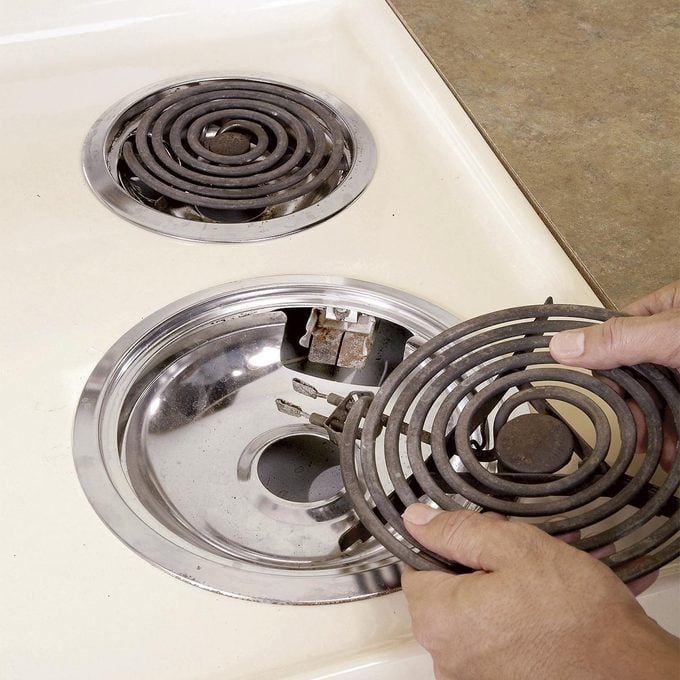
Credit: www.familyhandyman.com
Gathering Cleaning Supplies
Before you start scrubbing your porcelain cooktop, having the right supplies on hand makes the process smoother and more effective. Gathering everything you need ahead of time saves frustration and prevents you from using harsh tools or cleaners that could damage the surface.
Think about what has worked well for you cleaning other delicate surfaces. What tools felt gentle yet effective? This reflection can guide you in choosing the best supplies for your cooktop.
Essential Tools
- Microfiber cloths:These soft cloths pick up dirt without scratching your cooktop. I always keep a few on hand because they’re washable and reusable.
- Sponge with a non-abrasive side:Scrubbing tough stains is easier with a gentle sponge. Avoid anything too rough to protect the porcelain finish.
- Plastic scraper:A scraper designed for cooktops helps remove stuck-on food without gouging the surface. I once used a metal spatula and left marks—learn from my mistake!
- Spray bottle:Handy for applying your cleaning solution evenly across the cooktop.
Safe Cleaning Products
- Mild dish soap:A few drops mixed with warm water create a safe and effective cleaner for daily grime.
- White vinegar:Its natural acidity cuts through grease without harming porcelain. I use it diluted in water for a streak-free shine.
- Baking soda:Great for stubborn spots, baking soda acts as a gentle abrasive. Sprinkle some on, spray vinegar, and watch the fizz lift the grime.
- Commercial porcelain cooktop cleaner:If you prefer ready-made products, choose one specifically labeled safe for porcelain surfaces to avoid damage.
Have you ever used a cleaner that left a residue or dull finish? Choosing the right products ensures your cooktop stays spotless and shiny without extra effort.
Preparing The Cooktop
Preparing your porcelain cooktop for cleaning is a crucial step that sets the stage for effective and safe maintenance. Taking a few moments to properly prepare ensures you won’t accidentally damage the surface or spread grime around. Let’s break down the essential tasks you need to handle before diving into the actual cleaning.
Cooling Down
Never start cleaning your cooktop while it’s still hot. Porcelain surfaces can crack or get scratched if cleaned too soon after cooking. Wait at least 30 minutes or until the cooktop feels completely cool to the touch.
Have you ever rushed and ended up with streaks or even burns on your cooktop? Cooling down prevents that and protects both you and your cooktop. It also makes it easier to handle cleaning tools without risking burns.
Removing Loose Debris
Before applying any cleaner, take a moment to remove any loose crumbs, food particles, or dust. Use a soft brush or a dry microfiber cloth to sweep away these bits gently.
This simple step stops you from grinding dirt deeper into the surface during cleaning. It also prevents scratching because loose debris can act like sandpaper on porcelain. Have you noticed how much easier cleaning becomes once the surface is free of crumbs?
Daily Cleaning Routine
Keeping your porcelain cooktop spotless doesn’t require hours of scrubbing. A simple daily cleaning routine can make a big difference in maintaining its shine and functionality. Small, consistent efforts prevent tough stains and buildup, making your cooking experience more enjoyable.
Wiping Spills
Spills happen, but acting quickly is key. After each use, wait a few minutes for the cooktop to cool, then wipe away spills with a soft, damp cloth or paper towel. This prevents food from hardening and becoming difficult to remove.
If you miss a spill, don’t worry—just be sure to clean it as soon as you notice. You’ll save yourself from scrubbing later. Have you ever noticed how a quick wipe keeps your cooktop looking almost new?
Using Mild Cleaners
Harsh chemicals can damage the surface of your porcelain cooktop. Instead, use mild dish soap mixed with warm water for regular cleaning. Apply the solution with a soft cloth, then rinse and dry thoroughly to avoid streaks.
For stubborn spots, a baking soda paste made with water can gently lift residue without scratching. Use a non-abrasive sponge or cloth to apply it carefully. How often do you rely on gentle cleaners to preserve your kitchen surfaces?

Credit: www.reddit.com
Deep Cleaning Techniques
Deep cleaning a porcelain cooktop removes tough grime and restores its shine. This process requires gentle care to avoid scratches. Use simple household items and patience for the best results.
Tackling Stubborn Stains
Stubborn stains often need more than quick wipes. Begin by dampening the area with warm water. Let it sit for a few minutes to soften the stain. Use a soft cloth or sponge to rub gently. Avoid harsh scrubbing, which can damage the surface. Repeat as needed until the stain fades.
Using Baking Soda And Vinegar
Baking soda and vinegar create a natural cleaning duo. Sprinkle baking soda over the cooktop. Spray or pour white vinegar onto the baking soda. It will bubble and fizz, helping to lift dirt. Leave the mixture for 10-15 minutes. Wipe it clean with a soft cloth. This method is safe and effective for regular deep cleaning.
Scraping Burnt Residue Safely
Burnt food can stick hard to the cooktop. Use a plastic scraper or a razor blade at a low angle. Hold it carefully to avoid scratching. Gently push the residue off without forcing it. Clean the area afterward with a damp cloth. This keeps the cooktop smooth and prevents damage.
Preventing Damage
Preventing damage to your porcelain cooktop is key to keeping it looking new and functioning well. Small mistakes can lead to scratches, stains, or even cracks. Taking the right steps to protect your cooktop will save you time, money, and frustration in the long run.
Avoiding Abrasive Tools
Using abrasive tools can quickly ruin the smooth surface of your porcelain cooktop. Steel wool, rough sponges, or harsh scrubbing pads might seem like good options for tough stains, but they can cause scratches that are hard to fix.
Instead, opt for soft cloths or non-scratch scrubbers. A microfiber cloth is gentle yet effective, especially when paired with a mild cleaner. Have you ever noticed how a tiny scratch can catch dirt and make cleaning harder? Avoid that by choosing the right tools.
Proper Cooktop Maintenance
Regular maintenance helps prevent damage and keeps your cooktop shining. Wipe spills immediately to prevent stains from setting in. Grease and sugar can be especially damaging if left unattended.
Use a cooktop cleaner designed specifically for porcelain surfaces. These cleaners protect the finish and remove residues without harsh chemicals. Also, consider applying a ceramic cooktop polish occasionally—it creates a protective layer and makes future cleaning easier.
Ask yourself: are you treating your cooktop like a delicate piece of equipment or just another kitchen surface? A little care can extend its life far beyond your expectations.

Credit: www.amazon.com
Restoring Shine
Restoring the shine of your porcelain cooktop can transform its look from dull to dazzling. After cleaning, a polished surface not only looks better but also helps repel future stains. Achieving that gleam doesn’t require expensive products—just the right techniques and a bit of care.
Polishing Tips
Use a soft microfiber cloth to avoid scratching the surface. Apply a small amount of specialized cooktop polish or a gentle glass cleaner designed for porcelain. Rub the polish in small, circular motions, focusing on one section at a time to ensure even coverage.
Have you noticed streaks after polishing? Buffing lightly with a dry cloth afterward can eliminate those. Avoid abrasive pads or harsh chemicals—they might dull the finish instead of enhancing it.
Final Wipe For Sparkle
After polishing, give your cooktop a final wipe with a clean, damp cloth to remove any leftover residue. Follow this by drying it thoroughly with a fresh microfiber towel. This final step brings out the full shine and leaves your cooktop looking brand new.
Try this routine after every deep clean to maintain that attractive glow. It’s a simple step that makes a noticeable difference every time you cook.
Frequently Asked Questions
How Do You Safely Clean A Porcelain Cooktop?
Use a soft cloth and mild dish soap with warm water. Avoid abrasive scrubbers that can scratch the surface. For tough stains, use a specialized cooktop cleaner or a baking soda paste. Always wipe dry to prevent streaks and damage.
What Household Items Clean Porcelain Cooktops Effectively?
Baking soda, white vinegar, and mild dish soap work well. Baking soda removes stains gently, while vinegar cuts grease. Use a soft sponge or cloth to avoid scratching. Rinse thoroughly and dry the surface after cleaning.
How Often Should I Clean My Porcelain Cooktop?
Clean your cooktop after every use to prevent buildup. Wipe spills immediately to avoid stains and tough residue. A deeper clean should be done weekly using a suitable cleaner. Regular maintenance extends the cooktop’s lifespan and keeps it shiny.
Can I Use Abrasive Cleaners On Porcelain Cooktops?
No, abrasive cleaners can scratch and damage the surface. Always choose non-abrasive, gentle cleaning products designed for porcelain cooktops. Using harsh materials may void your warranty and reduce the cooktop’s effectiveness.
Conclusion
Cleaning your porcelain cooktop is simple with the right steps. Use gentle cleaners and soft cloths to avoid scratches. Regular cleaning helps keep your cooktop shiny and new. Small spills should be wiped away quickly to prevent stains. Taking care of your cooktop saves time and effort later.
Your kitchen will look neat and inviting. A clean cooktop also works better and lasts longer. Try these easy tips to keep your cooking surface spotless. Enjoy cooking on a bright, clean porcelain cooktop every day.