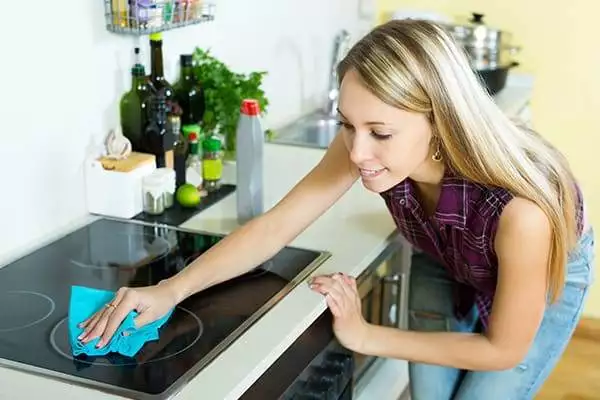
When you glance at your kitchen, the smooth top cooktop often stands out with its sleek and modern design. Yet, keeping it spotless can sometimes feel like a daunting task.
You might wonder, “Am I cleaning it the right way? ” Or worry about damaging its pristine surface. You’re not alone. Many people find themselves in the same spot, unsure of the best approach. Imagine the satisfaction of effortlessly wiping away every spill and splatter, revealing a cooktop that looks as good as new.
This is more than just about cleanliness; it’s about preserving the beauty and functionality of your kitchen’s centerpiece. In this guide, you’ll discover easy, effective techniques that not only clean your cooktop but also extend its life. Ready to transform your cleaning routine and elevate your kitchen’s appeal? Keep reading to learn how you can achieve a spotless, scratch-free cooktop with minimal effort.
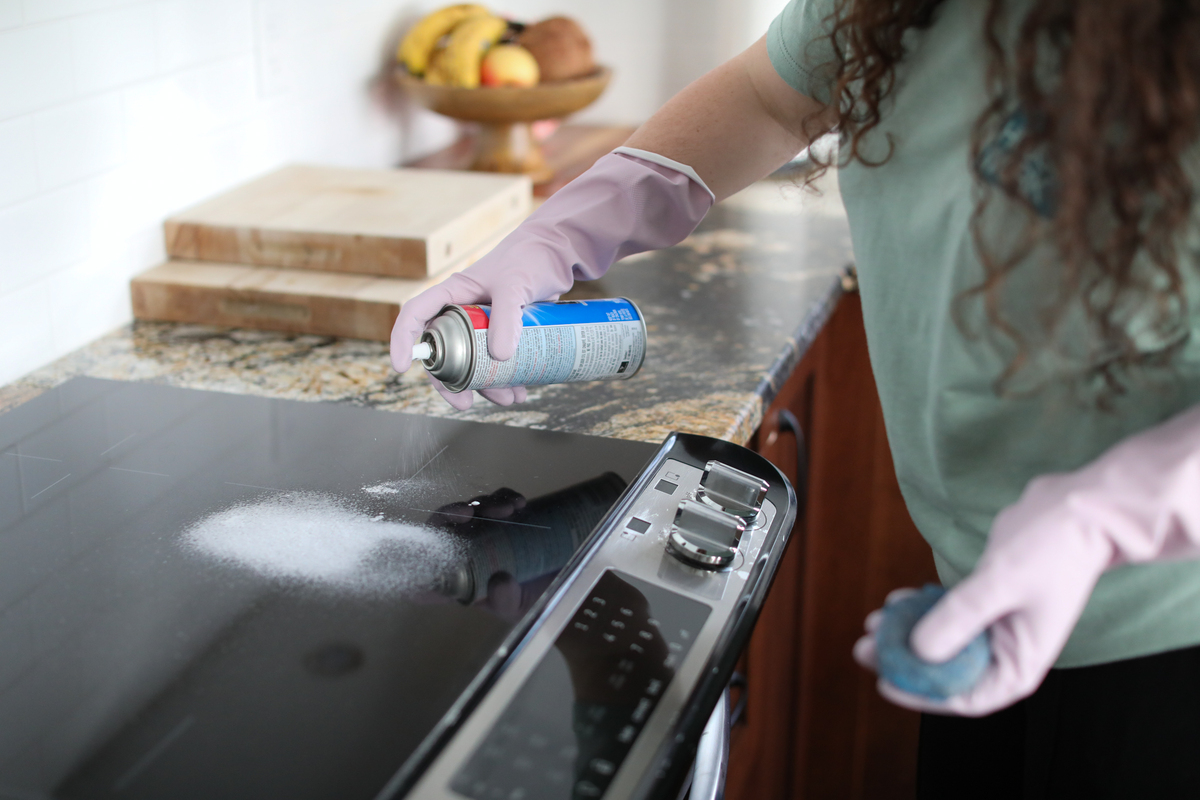
Credit: www.housework.com
Choosing The Right Cleaner
Choosing the right cleaner is key to keeping your smooth top cooktop spotless without damage. The wrong product can scratch or dull the surface. A good cleaner removes stains and grease gently and effectively.
Consider the type of cleaner before you start. Some are harsh, others mild. Picking the best one helps maintain your cooktop’s shine and extends its life.
Avoiding Abrasive Products
Abrasive cleaners can scratch the glass surface of your cooktop. Avoid powders, scouring pads, or rough scrubbers. These can leave permanent marks and dull the finish.
Look for products labeled safe for glass or smooth top surfaces. Soft cloths or sponges work best to protect the surface while cleaning.
Natural Vs Commercial Cleaners
Natural cleaners use simple ingredients like vinegar and baking soda. They are gentle and eco-friendly. Vinegar cuts grease and baking soda removes stains without harsh chemicals.
Commercial cleaners often contain special agents to break down tough grime. They clean faster but might include chemicals that irritate skin or damage surfaces if misused.
Both types work well. Choose natural cleaners for light cleaning and daily care. Use commercial products for stubborn stains or heavy buildup.
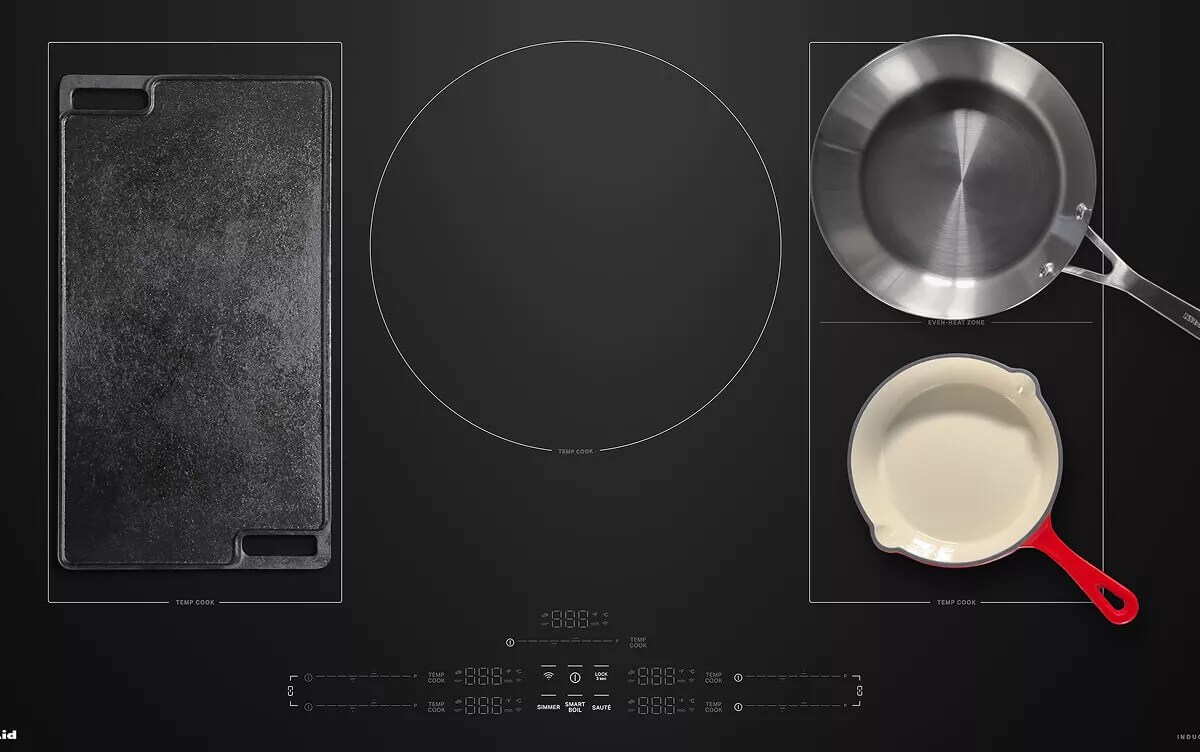
Credit: www.kitchenaid.com
Daily Cleaning Routine
Keeping your smooth top cooktop clean every day keeps it shiny and working well. A simple daily cleaning routine stops dirt and stains from building up. It also makes deep cleaning easier and faster.
Daily care takes just a few minutes and helps your cooktop last longer. Focus on quick wiping and fast spill handling right after cooking.
Wiping After Each Use
After cooking, wait a few minutes for the cooktop to cool. Use a soft cloth or sponge with warm, soapy water. Gently wipe the surface to remove light dirt and grease. Avoid using abrasive pads that can scratch the glass.
Dry the surface with a clean towel to avoid streaks. This simple step keeps your cooktop clear of dust and food bits.
Handling Spills Quickly
Spills can burn and stick if left too long. Clean spills immediately while the cooktop is warm, not hot. Use a damp cloth to blot the spill gently. For sticky spots, a scraper made for glass cooktops helps remove residue without damage.
Quick action prevents stains and saves you from tough scrubbing later. Keep a scraper and cloth handy near your cooktop for fast cleanup.
Removing Stubborn Stains
Stubborn stains on a smooth top cooktop can really test your patience. These marks often come from burnt spills or hardened food particles that don’t budge with a simple wipe. Tackling them effectively requires a bit of care and the right approach to avoid scratching or damaging the surface.
Using Baking Soda Paste
Baking soda is a gentle abrasive that works wonders on tough stains without harming your cooktop. To make a paste, mix baking soda with just enough water to create a spreadable consistency. Apply this paste over the stained area and let it sit for 15 to 20 minutes.
After waiting, use a soft cloth or sponge to gently scrub the paste in circular motions. You’ll notice the stain starting to lift without much effort. Rinse the area with a damp cloth to remove any residue and dry it thoroughly. Have you tried this simple trick before? It often surprises people how effective and safe it is.
Scraping Burnt Residue Safely
Burnt-on residue can seem impossible to remove, but scraping it carefully can save your cooktop. Use a razor blade scraper held at a 45-degree angle to gently lift the burnt bits. Make sure the cooktop is cool before you start to avoid any accidents.
Work slowly and don’t press too hard—your goal is to lift, not scratch. If the residue doesn’t come off easily, apply a bit of baking soda paste first to soften it. This combination makes the task less frustrating and protects your cooktop’s smooth finish.
Deep Cleaning Techniques
Deep cleaning your smooth top cooktop can bring back its original sparkle and make cooking more enjoyable. It’s not just about wiping the surface; it’s about removing stubborn stains and restoring the finish without causing damage. Let’s dive into techniques that make your cooktop look almost new again.
Soaking With Vinegar Solution
Vinegar is a powerful and natural cleaner that can break down grease and grime effectively. Mix equal parts of white vinegar and water in a spray bottle. Spray the solution generously over the cooktop surface and let it sit for 10-15 minutes.
The acidity of vinegar helps loosen burnt-on food and stubborn stains. After soaking, use a soft cloth or sponge to gently scrub the surface. You’ll be surprised how much easier it is to remove those tough spots.
Have you ever tried a harsh chemical cleaner only to find it left streaks or dullness? Vinegar avoids that problem while being safe for your cooktop’s glass surface. Just remember to rinse thoroughly with water to avoid any lingering smell.
Polishing For Extra Shine
After cleaning, polishing your cooktop enhances its shine and protects the surface from future stains. Use a small amount of cooktop polish or a paste made from baking soda and water. Apply it evenly with a soft cloth in circular motions.
Polishing fills in tiny scratches and creates a smooth, glossy finish. It’s like giving your cooktop a mini makeover. Plus, regular polishing can extend the life of your cooktop by preventing buildup.
What if your cooktop still looks dull after cleaning? Polishing might be the missing step you didn’t know you needed. It’s quick, simple, and the results are worth the effort.
Preventing Future Damage
Preventing future damage to your smooth top cooktop is just as important as cleaning it. Taking simple, proactive steps can keep your cooktop looking new and functioning well for years. Let’s talk about how you can protect your investment and avoid common mistakes that cause damage.
Avoiding Heavy Scratches
Heavy scratches can ruin the sleek look of your cooktop and make cleaning much harder. Always lift pots and pans instead of sliding them across the surface. It’s tempting to shift cookware while stirring, but this action can scratch the glass.
Using a soft cloth or sponge for cleaning instead of abrasive scrubbers also protects the surface. Have you ever noticed tiny scratches after using a rough scrubber? That’s a clear sign to switch to gentler cleaning tools.
Another tip is to clean spills promptly. Sugary or acidic spills that bake onto the cooktop can become tough to remove and lead to etching or scratches if you scrub aggressively.
Proper Cookware Selection
The type of cookware you use plays a big role in maintaining your cooktop’s condition. Heavy cast iron or rough-bottomed pans can scratch the surface. Choose flat-bottomed, smooth cookware designed for glass cooktops.
Stainless steel and anodized aluminum pots with smooth bases work best. If you notice your cookware’s bottom is rough or warped, it’s time to replace it to avoid damage.
Have you checked your pans recently? Sometimes, older cookware may seem fine but can harm your cooktop over time. Investing in the right pots and pans will save you from costly repairs later.

Credit: www.reddit.com
Safety Tips During Cleaning
Cleaning a smooth top cooktop requires care to avoid damage and injury. Following safety tips helps protect your hands and the cooktop surface. Taking precautions also ensures effective and safe cleaning.
Ensuring Cooktop Is Cool
Always wait for the cooktop to cool down before cleaning. A hot surface can cause burns. Touch the cooktop only after it feels completely cool. Cleaning while hot may also damage the glass surface.
Using Gloves And Ventilation
Wear gloves to protect your skin from cleaning chemicals. Some cleaners contain harsh ingredients that may irritate skin. Use gloves made of rubber or latex for better protection.
Open windows or turn on a fan to ventilate the area. Good airflow helps reduce fumes from cleaning products. Avoid breathing in strong chemical smells during cleaning.
Frequently Asked Questions
How Often Should I Clean My Smooth Top Cooktop?
Clean your cooktop after every use to prevent buildup. Weekly deep cleaning removes tough stains and keeps it shiny.
What Is The Best Cleaner For Smooth Top Cooktops?
Use a non-abrasive cleaner designed for glass surfaces. Avoid harsh chemicals and abrasive pads to prevent scratches.
Can I Use Vinegar To Clean My Cooktop?
Yes, vinegar is effective for removing grease and stains. Mix it with water, spray, then wipe with a soft cloth.
How Do I Remove Burnt-on Food From The Cooktop?
Use a scraper designed for smooth tops carefully. Apply cleaner, let it sit, then gently scrape off residue.
Conclusion
Cleaning a smooth top cooktop is simple with the right steps. Use gentle cleaners and soft cloths to avoid scratches. Regular cleaning keeps your cooktop shiny and working well. Avoid harsh tools or strong chemicals that can damage the surface.
A little care makes your cooktop last longer and look great. Try to clean spills quickly before they harden. This helps keep your kitchen neat and safe. Easy to do and worth the effort!