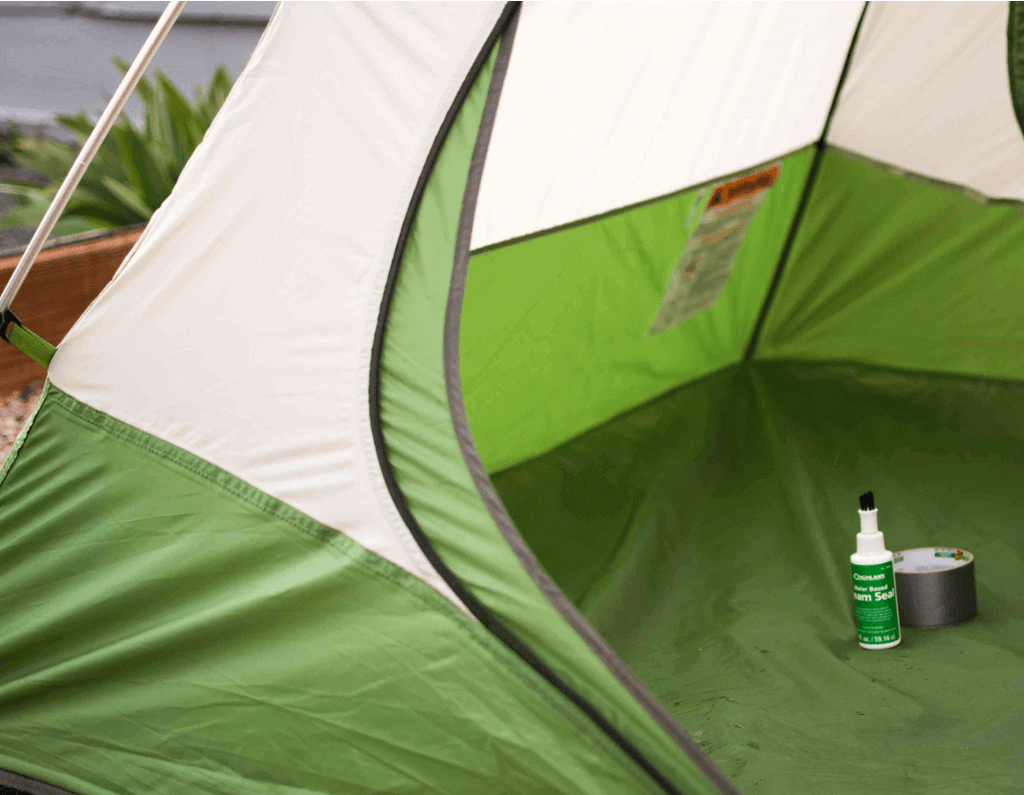
Mold on your tent isn’t just ugly—it can damage your gear and even affect your health. If you’ve ever opened your tent to find those stubborn black or green spots, you know how frustrating it can be.
But don’t worry, cleaning tent mold is easier than you think. In this post, you’ll discover simple, effective steps to get your tent fresh and mold-free again. Keep reading, and you’ll learn how to protect your tent and enjoy your outdoor adventures without worry.

Credit: www.gearaid.com
Identify Tent Mold
Mold on tents can cause damage and bad smells. It is important to find mold early. This helps keep your tent safe and clean.
Knowing where and how mold grows helps you spot it fast. Look carefully for signs before using your tent.
Signs Of Mold Growth
Mold shows up as spots that look fuzzy or slimy. It may be black, green, white, or gray. You might see a musty smell near mold.
- Discolored patches on the fabric
- Soft or damp spots that do not dry
- Black or green powdery spots
- Strong, earthy or musty odor inside the tent
Common Mold Spots On Tents
Mold often grows where moisture stays long. Tents have certain areas that are more likely to get mold.
| Spot | Reason Mold Grows Here |
| Seams and Stitching | Water can get trapped in tiny holes |
| Inside Corners | Less air flow, stays damp longer |
| Rainfly and Roof | Condensation collects here |
| Floor of Tent | Contact with wet ground |
| Pockets and Storage Areas | Items stored may hold moisture |
Prepare Cleaning Supplies
Cleaning mold from your tent needs the right supplies. Getting ready helps you clean safely and well.
Gather everything before you start. This saves time and avoids extra trips.
Safe Cleaning Solutions
Choose cleaning solutions that kill mold but do not harm the tent fabric. Avoid bleach as it can damage the material.
Use mild and effective cleaners that are safe for outdoor gear.
- Mix one part white vinegar with three parts water
- Use a gentle soap with warm water
- Try a solution of baking soda and water for stubborn spots
Essential Tools For Cleaning
Having the right tools makes cleaning mold easier and protects your tent from damage.
Use soft and gentle tools to avoid tearing the fabric or removing coatings.
- Soft-bristled brush to scrub mold gently
- Spray bottle to apply cleaning solutions evenly
- Clean cloths or sponges for wiping
- Gloves to protect your hands
- Bucket for mixing and holding solutions
Set Up A Cleaning Area
Cleaning tent mold needs a safe and organized space. Setting up the right area helps keep mold from spreading.
Choose a spot that allows good air flow and easy cleanup. Preparing your space makes the job easier.
Outdoor Vs Indoor Cleaning
Cleaning mold outside is best because fresh air reduces spores in the air. Sunlight also helps kill mold.
Indoor cleaning works if you cannot go outside. Make sure the room has good ventilation and open windows.
- Outdoor cleaning lowers mold spores inside your home
- Indoor cleaning needs fans or open windows
- Both need a well-lit space to see mold clearly
Protecting Surrounding Areas
Cover floors and nearby items to stop mold spores from spreading. Use plastic sheets or old towels.
Keep cleaning products away from plants or furniture. This protects them from damage during cleaning.
- Lay plastic or cloth under your tent
- Move furniture and plants away
- Wear gloves and a mask to protect yourself
Remove Loose Dirt And Debris
Cleaning tent mold starts with removing loose dirt and debris. This step helps prepare the fabric for deeper cleaning.
Getting rid of surface dirt stops mold from spreading. It also makes the tent safer to clean.
Brushing Off Mold
Use a soft brush to gently remove mold from the tent fabric. Brushing helps lift mold without damaging the material.
Brush outside the tent to avoid spreading spores inside. Move the brush in one direction to clear mold effectively.
- Wear gloves and a mask for safety
- Use a soft-bristle brush
- Brush gently to avoid fabric damage
- Brush mold away from the tent
Vacuuming Tent Fabric
Vacuum the tent fabric with a brush attachment to remove loose mold and dirt. This cleans areas brushing might miss.
Use low suction to protect the fabric. Vacuum outside the tent and empty the vacuum bag or canister afterward.
- Use a vacuum with a soft brush tool
- Set suction to low or medium
- Vacuum all tent surfaces carefully
- Dispose of vacuum contents safely
Apply Cleaning Solution
Cleaning mold from your tent requires careful application of solutions. This helps remove mold safely without damaging the fabric.
Choose the right cleaning method based on what you have at home or commercial products designed for mold removal.
Homemade Remedies
Use simple household items to create effective mold cleaners. These are gentle and easy to prepare.
- Mix one part white vinegar with three parts water in a spray bottle.
- Add a few drops of liquid dish soap to help break down mold stains.
- Spray the solution evenly on the moldy areas of the tent.
- Let it sit for 10 to 15 minutes to loosen the mold.
- Scrub gently with a soft brush or cloth.
- Rinse thoroughly with clean water and dry completely in the sun.
Commercial Cleaners
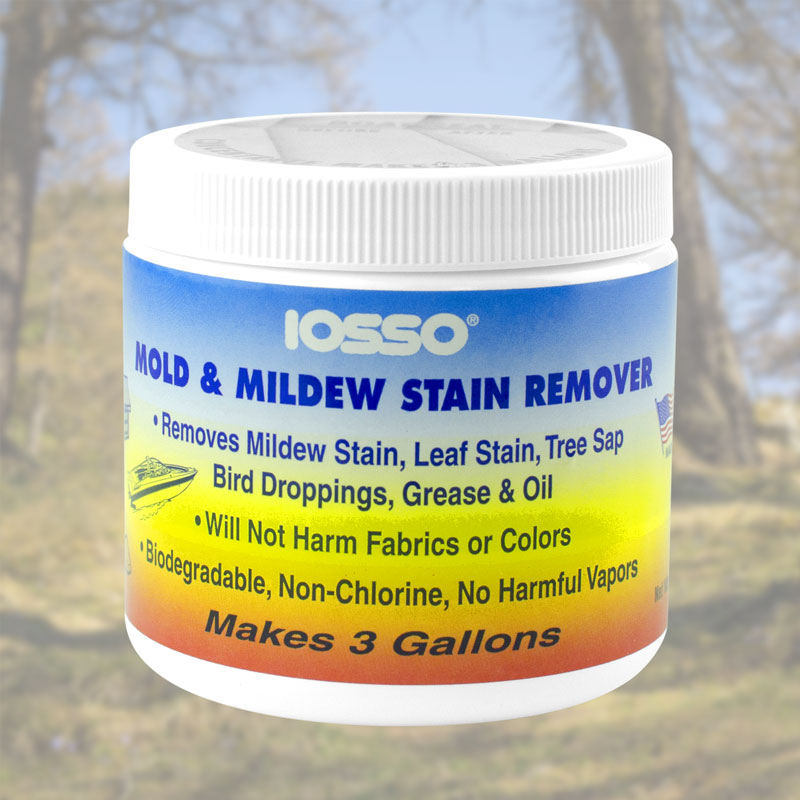
Commercial cleaners offer strong mold removal but require careful use. Always follow label instructions.
| Cleaner Type | Application Method | Safety Tips |
| Oxygen-based cleaner | Mix with water, spray on mold, wait 10 minutes | Use gloves, avoid inhaling fumes |
| Bleach solution | Dilute bleach 1:10 with water, apply carefully | Do not mix with ammonia, work in ventilated area |
| Specialized tent cleaner | Apply directly, scrub lightly, rinse well | Follow product instructions, test on small patch first |
Credit: www.davistent.com
Scrub Moldy Areas
Cleaning mold from your tent is important to keep it safe and fresh. Scrubbing moldy spots helps remove the fungus and prevent damage.
Use soft and careful methods to clean your tent. This protects the fabric and makes sure your tent lasts longer.
Gentle Scrubbing Techniques
Use a soft brush or sponge to scrub moldy areas. Avoid hard brushes that can tear the fabric. Mix mild soap with water for cleaning.
- Wet the moldy spot with soapy water
- Gently scrub in a circular motion
- Rinse with clean water
- Let the tent dry completely in sunlight
Avoiding Fabric Damage
| Do | Don’t |
|---|---|
| Test cleaning solution on a small area | Use bleach or harsh chemicals |
| Use soft brushes or sponges | Scrub too hard or use metal brushes |
| Dry tent fully before storage | Store wet or damp tent |
Rinse And Dry Thoroughly
Cleaning mold from your tent is important to keep it safe and fresh. Rinsing and drying well stops mold from coming back. This guide shows how to rinse and dry your tent properly.
Use gentle methods to protect the tent fabric while removing mold. Then dry it completely to avoid moisture buildup.
Effective Rinsing Methods
Rinsing removes mold spores and cleaning solutions from the tent surface. Use clean water and soft tools for rinsing.
- Use a garden hose or bucket of clean water to rinse all areas.
- Gently scrub with a soft brush or sponge for stubborn mold spots.
- Rinse multiple times to ensure no soap or mold residues remain.
- Avoid high water pressure that can damage the fabric.
- Rinse inside and outside of the tent thoroughly.
Proper Drying Tips
Drying is key to stopping mold growth after cleaning. The tent must be completely dry before storing.
| Drying Method | Details |
| Air Drying | Set up the tent in a shaded, well-ventilated area. Avoid direct sunlight to protect fabric. |
| Use Towels | Pat damp spots with dry towels to speed drying. |
| Hang Components | Hang rainfly and tent body separately to dry faster. |
| Check for Dampness | Feel all fabric parts to confirm no moisture remains. |

Credit: www.popularmechanics.com
Prevent Future Mold Growth
Cleaning mold from your tent is important. Stopping mold from coming back is even better. You can take steps to keep your tent mold-free.
Proper care helps your tent last longer and stay safe to use. Let’s look at how to prevent mold growth on your tent.
Storage Best Practices
Store your tent only when it is fully dry. Damp tents create the perfect place for mold to grow.
Keep your tent in a cool, dry place away from direct sunlight. Avoid storing it in plastic bags for a long time.
- Dry your tent completely before packing it away
- Use breathable bags or containers for storage
- Store your tent in a cool, dry area
- Check your tent regularly for damp spots
Ventilation And Moisture Control
Good airflow helps keep your tent dry and mold-free. Always air out your tent after use.
Control moisture inside your tent by using vents and keeping the tent zipped open when possible.
- Air out your tent after every trip
- Use tent vents to reduce moisture build-up
- Keep the tent zipped open when camping in dry weather
- Wipe off any water or condensation inside the tent
When To Seek Professional Help
Cleaning mold from a tent can be simple for small spots. Some mold problems need experts. Knowing when to get professional help keeps you safe.
This guide shows signs of serious mold and restoration options. It helps you decide if you should call a pro.
Severe Mold Infestations
Severe mold means large patches or mold inside the tent layers. It can cause health problems and damage your gear.
- Mold covers more than 10% of the tent surface.
- Musty smell stays after cleaning attempts.
- Black or green mold that spreads quickly.
- Signs of mold inside seams, zippers, or poles.
- Allergy or breathing issues after exposure.
If you see these signs, stop cleaning and call a mold specialist. They have tools to remove mold safely and prevent return.
Restoration Services
Professionals use special methods to restore tents with heavy mold. They clean, dry, and treat the fabric to kill mold spores.
| Service | Description | Benefit |
| Mold Inspection | Check all tent areas for hidden mold | Finds mold you might miss |
| Deep Cleaning | Use safe chemicals and equipment | Removes tough mold safely |
| Drying & Dehumidifying | Dry tent completely inside and out | Stops mold growth after cleaning |
| Fabric Treatment | Apply mold-resistant sprays | Protects tent for future use |
Frequently Asked Questions
How Do You Identify Mold In A Tent?
To identify mold, look for black, green, or white spots. Mold may emit a musty smell. Check seams, corners, and folds where moisture collects. Regular inspections prevent mold growth. Quick action helps maintain your tent’s condition.
What Causes Mold To Form In Tents?
Mold forms when tents are stored damp. Moist environments and organic materials create ideal mold conditions. Always dry your tent before storing. Proper ventilation during use reduces moisture buildup. Preventing moisture is key to avoiding mold.
How Can I Clean Mold From My Tent?
To clean mold, use a mixture of water and vinegar. Gently scrub the affected areas with a soft brush. Rinse thoroughly and air dry completely. Avoid harsh chemicals that can damage tent fabric. Regular cleaning prevents mold recurrence.
Can Mold Damage My Tent Fabric?
Yes, mold can deteriorate tent fabric over time. It weakens the material, leading to tears and reduced lifespan. Regular maintenance and proper storage prevent mold damage. Prompt cleaning maintains your tent’s durability and performance.
Conclusion
Cleaning tent mold takes time but protects your gear well. Use gentle soap and water to scrub the mold away. Dry the tent completely to stop mold from returning. Store your tent in a dry, cool place to keep it fresh.
Regular checks help catch mold early and keep your tent safe. Clean tents last longer and stay comfortable on trips. Taking care now saves you money and hassle later. Keep your tent mold-free and enjoy your outdoor adventures. Simple steps make a big difference.