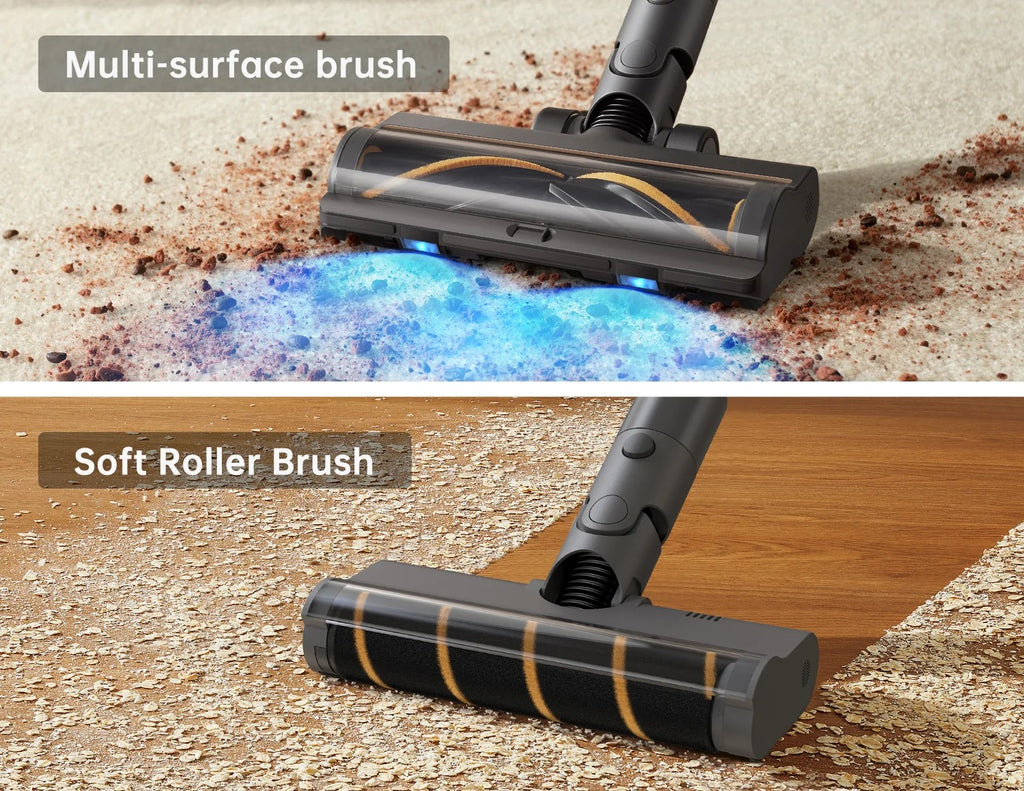
Are you tired of your vacuum not picking up dirt like it used to? The culprit might just be a clogged or dirty brush.
Keeping your vacuum brush clean is essential for maintaining its efficiency and prolonging its lifespan. Imagine the satisfaction of a spotless floor after just one quick vacuum session. Sounds great, right? In this guide, we’ll reveal the simple steps to get your vacuum brush spotless and working like new again.
You’ll be amazed at how much dirt and dust can accumulate over time, affecting your vacuum’s performance. Stick with us, and you’ll soon have the fresh, clean home you desire without the hassle. Ready to discover the secrets to a cleaner vacuum? Let’s dive in!
Tools Needed
Cleaning your vacuum brush is easier and more effective when you have the right tools at hand. These tools help you reach into tight spaces, remove tangled hair, and clear out dirt without damaging the brush. Knowing what to use can save you time and frustration.
Basic Cleaning Tools
- Scissors or a seam ripper:Perfect for cutting through hair and threads wrapped around the brush roll.
- Old toothbrush:Helps scrub away stuck-on debris and dust from bristles and crevices.
- Soft cloth or microfiber towel:Ideal for wiping down the brush and removing fine dust particles.
Additional Helpful Supplies
- Tweezers:Great for pulling out deeply embedded hair or fibers that scissors can’t reach.
- Compressed air canister:Blows dust and dirt from hard-to-reach areas without touching the brush.
- Mild detergent or soap:Use this with water to give your brush a gentle, thorough clean.
Tools To Avoid
- Sharp knives or blades:These can damage the brush bristles or the vacuum’s components.
- Harsh chemicals:They may weaken the brush material or leave harmful residues.
Have you ever struggled to remove stubborn hair from your vacuum brush? Using the right tools can turn this tedious chore into a quick and satisfying task. What small tool have you found surprisingly useful for vacuum maintenance?

Credit: www.youtube.com
Remove The Brush Roll
Removing the brush roll is a key step in cleaning your vacuum brush effectively. It allows you to access the tangled hair, dust, and debris that often hide beneath the surface. Taking the time to carefully detach the brush roll will make your vacuum perform better and last longer.
Locate The Brush Roll Housing
Start by flipping your vacuum cleaner upside down. Look for the cover or plate that holds the brush roll in place. This part is usually secured with screws or clips that you can easily spot.
Gather The Necessary Tools
Before you start, have a screwdriver ready if screws are involved. Some models use clips that you can open by hand, so check your vacuum’s manual if you’re unsure. Being prepared saves you time and frustration.
Remove Screws Or Release Clips
Carefully unscrew the cover or press the clips to release the brush roll housing. Keep the screws in a safe spot so they don’t get lost. If you struggle with tight screws, try using a proper screwdriver for better grip.
Slide Out The Brush Roll
Once the cover is off, gently pull the brush roll out of its slot. Sometimes it may be stuck due to dirt or hair buildup, so wiggle it slightly to loosen it. Don’t force it too hard to avoid damaging the vacuum.
Inspect For Hidden Debris
After removal, check the brush roll and the slot for any hidden dirt or tangled hair. Removing the brush roll gives you a better angle to clean these hard-to-reach spots. Have you noticed how much cleaner your vacuum runs after this step?
Clear Hair And Debris
Clearing hair and debris from your vacuum brush is essential for keeping your cleaner working efficiently. Over time, strands of hair and dust can wrap tightly around the brush roll, reducing suction and making cleaning harder. Taking a few minutes to clear these blockages can make a big difference in your vacuum’s performance.
Gather The Right Tools
Before you start, have a pair of scissors or a seam ripper ready. A pair of tweezers or needle-nose pliers can also help to pull out stubborn hair strands. Having a soft cloth nearby will allow you to wipe off any remaining dust or dirt after removing the debris.
Check your vacuum’s manual to find out how to remove the brush roll safely. Usually, it involves unlocking a cover or pressing clips. Removing the brush makes it easier to access and clean thoroughly without damaging any parts.
Cut And Pull Out Hair
Start by cutting through the tangled hair wrapped around the brush with scissors. Be careful not to cut the bristles. Once you’ve made small cuts, use your fingers or tweezers to pull out the loosened hair and debris.
Clean The Brush Roll Thoroughly
After removing hair, wipe the brush roll with a damp cloth to get rid of dust and finer dirt particles. You can also use a small brush, like an old toothbrush, to clean between the bristles. This extra step ensures your vacuum brush works at its best.
Reassemble And Test
Once the brush roll is clean, put it back into your vacuum. Make sure it fits securely and the cover clicks into place. Turn on your vacuum to check if the suction and brush movement feel smoother—this quick test confirms your work.
Wash The Brush Roll
Washing the brush roll is an important part of vacuum maintenance. Dirt, hair, and dust build up on the brush over time. This reduces cleaning power and can damage the vacuum. Cleaning the brush roll with water and soap removes grime and keeps it spinning smoothly. Proper washing also extends the life of your vacuum cleaner.
Use Warm Soapy Water
Fill a basin with warm water and mild dish soap. Remove the brush roll from the vacuum carefully. Submerge the brush roll in the soapy water. Use a soft cloth or brush to scrub off dirt and hair. Avoid harsh scrubbing to protect bristles and parts. Rinse the brush roll under clean water to remove soap residue. Be gentle to keep the brush roll intact.
Dry Thoroughly
Shake off excess water from the brush roll. Pat it dry with a clean towel. Place the brush roll in a well-ventilated area to air dry. Avoid direct sunlight or heat sources that can warp plastic parts. Wait at least 24 hours before reinstalling the brush roll. Complete drying prevents mold and damage inside the vacuum.
Clean The Brush Housing
Cleaning the brush housing of your vacuum is essential for maintaining its performance. Dust, hair, and debris can get stuck inside, reducing suction and causing wear. Taking the time to clean this part will help your vacuum work better and last longer.
Remove The Brush From The Housing
First, unplug your vacuum to stay safe. Then, check your vacuum’s manual to find out how to detach the brush roller from the housing. Usually, you need to release some clips or screws to pull it out easily.
Handling the brush carefully avoids damage. Have you noticed how a stuck brush affects your vacuum’s cleaning power? Removing it gives you a clear view of the dirt build-up.
Clear Out Dust And Debris
Use a soft brush or cloth to wipe the inside of the brush housing. Pay close attention to corners where dust often collects. If you spot stubborn dirt, a cotton swab dipped in a little rubbing alcohol works wonders.
Try using compressed air to blow out any hard-to-reach debris. This step helps prevent blockages that could slow down your vacuum. Do you realize how much grime hides inside your vacuum’s brush area?
Inspect For Damage And Wear
Once the housing is clean, look for cracks or worn parts. Damaged housing can cause the brush to spin unevenly or stop altogether. If you spot any issues, consider replacing the part before using the vacuum again.
Checking for wear can save you from bigger repairs later. Ask yourself: Is my vacuum performing worse than usual? This simple inspection might reveal the cause.
Reassemble And Test The Vacuum
After cleaning and inspection, put the brush roller back into the housing carefully. Make sure all clips or screws are securely fastened. Plug in the vacuum and test it on a small area to confirm everything spins smoothly.
A well-assembled brush housing improves your vacuum’s efficiency instantly. Have you felt the difference after a thorough cleaning? It’s often surprising how much better it works.

Credit: www.youtube.com
Reassemble The Vacuum
Reassembling the vacuum brush is a key step after cleaning. It ensures your vacuum works efficiently and lasts longer. Careful reassembly prevents damage and maintains suction power.
Align The Brush With The Vacuum Base
Place the cleaned brush back onto the vacuum base carefully. Make sure the brush fits snugly in its slot. Check that the bristles face the correct direction for proper cleaning.
Secure The Brush With Fasteners
Fasten the brush using screws or clips removed earlier. Tighten screws firmly but avoid over-tightening. Loose parts may cause noise or poor performance.
Reconnect The Drive Belt
Attach the drive belt around the brush roller and motor pulley. Ensure the belt sits evenly without twists. A properly fitted belt keeps the brush spinning smoothly.
Test The Brush Movement
Manually spin the brush to check for smooth rotation. It should turn freely without resistance or wobbling. Adjust parts if the movement feels stiff or uneven.
Reattach The Vacuum Cover
Place the cover back over the brush area. Snap or screw it into place securely. This protects the brush and keeps dirt contained during use.
Maintenance Tips
Maintaining your vacuum brush is key to keeping your cleaner effective and lasting longer. Regular upkeep stops dirt build-up and keeps the brush spinning smoothly. Simple habits can prevent damage and improve vacuum performance.
Regular Cleaning Schedule
Set a routine to clean the vacuum brush every two weeks. More frequent cleaning is needed if you have pets or lots of carpet. Remove hair, threads, and dust by hand or with scissors. Check the brush for stuck debris after every use. Clean the brush roll and side edges carefully to avoid damage.
Avoiding Common Issues
Watch for signs like uneven spinning or strange noises. These often mean the brush is tangled or blocked. Don’t use water on the brush; moisture can harm the motor. Avoid running the vacuum over hard objects that can damage the brush. Replace the brush roll if bristles are worn or broken for best results.

Credit: www.dreametech.com
Frequently Asked Questions
How Often Should I Clean My Vacuum Brush?
Clean your vacuum brush every 1 to 3 months. Frequent cleaning ensures optimal suction and removes hair or debris buildup. If you have pets, clean it more often to maintain performance and prevent damage.
What Tools Do I Need To Clean A Vacuum Brush?
Use scissors, a comb, and a soft cloth to clean the brush. Scissors cut tangled hair, the comb removes debris, and the cloth wipes dust. These tools help maintain your vacuum’s efficiency.
Can I Wash The Vacuum Brush With Water?
Yes, you can wash the brush with water if it’s detachable. Use mild soap and warm water. Dry it completely before reattaching to prevent mold or damage to the vacuum.
How Do I Remove Hair From Vacuum Brush Easily?
Use scissors to cut through tangled hair carefully. Then, pull out the loosened hair by hand or with a comb. This method clears hair without damaging the bristles.
Conclusion
Cleaning your vacuum brush keeps it working well and lasting longer. Regular care stops dirt and hair from building up. It also helps your vacuum pick up dust better. A clean brush means a cleaner home. Try to clean it once a month or more if needed.
Small efforts bring big results in cleaning. Keep your vacuum brush clear and enjoy a fresh space every day. Simple steps make a big difference.