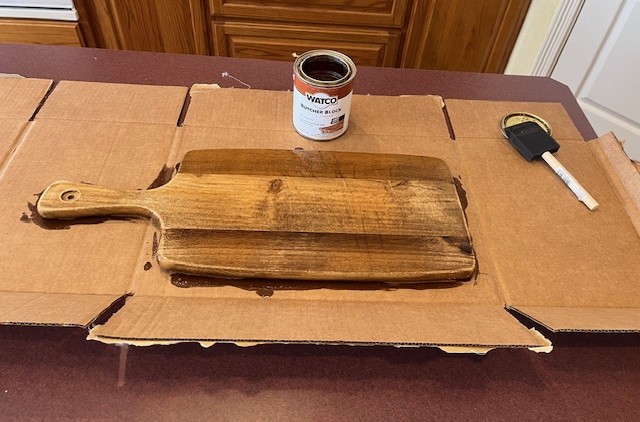
Your wood cutting board is more than just a kitchen tool—it’s an investment that can last for years if you take care of it properly. But do you know the secret to keeping it smooth, crack-free, and bacteria-resistant?
Conditioning your wood cutting board is the key. In this guide, you’ll discover simple, effective steps to protect and restore your board’s natural beauty. Keep reading, and you’ll learn how to make your cutting board look and perform like new every time you use it.

Credit: food52.com
Choosing The Right Oil
Conditioning a wood cutting board protects it from drying and cracking. The right oil keeps the wood healthy and safe for food use.
Not all oils work well on wood. Some can spoil or harm your cutting board over time.
Food-safe Oils To Use
Choose oils that are safe to eat and do not go rancid quickly. These oils soak into the wood and protect it well.
- Mineral oil: It is odorless, tasteless, and does not spoil.
- Coconut oil (refined): It resists rancidity and is safe for food.
- Walnut oil: It dries well and is food safe, but watch for allergies.
- Beeswax blends: Often mixed with mineral oil to create a protective coating.
Oils To Avoid
Some oils can spoil, smell bad, or become sticky on your wood board. Avoid these oils to keep your board safe and clean.
- Vegetable oils (like olive, canola, or sunflower): These go rancid quickly.
- Nut oils if you have allergies: They can cause reactions.
- Cooking oils that dry hard: They can crack and damage the wood.
- Non-food-grade oils: These are unsafe for kitchen use.
Preparing The Board
Conditioning a wood cutting board starts with good preparation. Cleaning and drying the board well keeps it safe and ready.
Proper care helps the wood last longer and stay smooth for cutting. Let’s look at how to prepare the board.
Cleaning Techniques
Clean the board carefully before conditioning. Use warm water and mild soap to remove dirt and food particles.
Do not soak the board or put it in a dishwasher. These can make the wood crack or warp.
- Use a soft sponge or cloth to wash the surface
- Rinse with warm water only
- Wipe with a clean towel to remove extra water
Drying Properly
Dry the board fully before applying any oil. Moisture left on the wood stops the oil from soaking in well.
Place the board upright or on a rack so air can flow around it. Avoid laying it flat on a wet surface.
- Dry with a clean towel after washing
- Let air dry standing upright for a few hours
- Make sure the board feels completely dry before conditioning
Applying Oil Correctly
Conditioning a wood cutting board keeps it strong and smooth. Applying oil helps protect the wood from drying out and cracking.
Using the right amount of oil and applying it carefully is important. This guide shows how to do it properly.
Step-by-step Oiling Process
Start by cleaning your cutting board with warm water and soap. Let it dry completely before oiling.
Use a soft cloth or paper towel to apply the oil evenly. Rub the oil into the wood in small circles.
- Apply oil to the top surface first
- Rub oil into the edges and sides
- Cover the entire board with oil
- Let the oil soak in for several hours or overnight
- Wipe off any extra oil with a clean cloth
How Much Oil To Use
Use enough oil to coat the wood without leaving puddles. A thin, even layer works best.
Too little oil will not protect the board well. Too much oil can make the surface sticky and take longer to dry.
- Start with about one tablespoon of oil for a medium board
- Add more if the board absorbs it quickly
- Remove extra oil after soaking to prevent stickiness
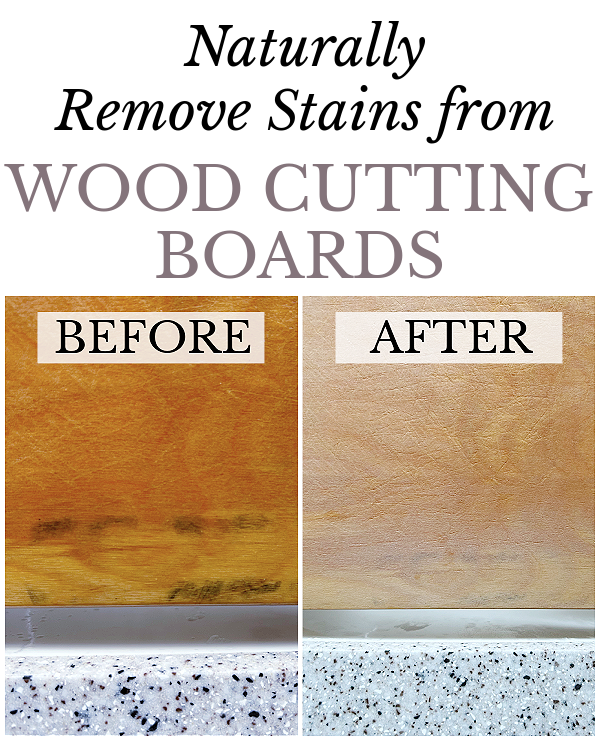
Credit: www.lemonslavenderandlaundry.com
Dealing With Stains And Odors
Wood cutting boards can absorb stains and smells from food. Cleaning and conditioning them keeps them fresh and safe to use.
Knowing how to remove stains and odors helps your board last longer and look better.
Natural Cleaning Methods
Use natural ingredients to clean your wood board. These options are safe and easy to find.
Lemon juice and baking soda work well to remove stains. Salt scrubs help lift dirt and grime.
- Sprinkle coarse salt on the board
- Rub with half a lemon to scrub stains
- Rinse with warm water and dry thoroughly
- Make a paste of baking soda and water for tough spots
- Apply paste, let sit 10 minutes, then rinse
Removing Tough Odors
Strong smells can stay in wood after cutting onions or garlic. Use simple tricks to freshen the board.
White vinegar and coffee grounds can absorb bad odors without chemicals.
- Wipe board with a cloth soaked in white vinegar
- Let it air dry to remove smells
- Rub used coffee grounds over the surface
- Rinse and dry well after scrubbing
- Repeat if odors persist
Maintaining Your Board
Keeping your wood cutting board in good shape helps it last longer. Regular care stops cracks and stains.
Conditioning your board adds moisture and protects the wood. This care keeps the board strong and clean.
Frequency Of Conditioning
Condition your wood cutting board often to keep it healthy. The usual rule is once a month.
If you use the board a lot, condition it more. Dry wood can crack and break easily.
- Condition monthly for light use
- Condition every two weeks for heavy use
- Check for dryness or roughness before conditioning
Daily Care Tips
Daily care keeps your board clean and safe. Clean it after each use and dry it well.
Avoid soaking the board in water. Use mild soap and a soft cloth or sponge.
- Wash with warm water and mild soap
- Dry immediately with a clean towel
- Do not put the board in the dishwasher
- Store in a dry, upright position

Credit: homewithgraceandjoy.com
Avoiding Common Mistakes
Conditioning a wood cutting board keeps it clean and safe to use. Many people make mistakes that shorten the board’s life.
This guide explains what not to do and how to spot when your board needs care. Follow these tips to protect your cutting board.
What Not To Do
Some actions can harm your wood cutting board. Avoid these common errors to keep it in good shape.
- Do not soak the board in water for a long time. Wood can crack or warp.
- Avoid using harsh detergents or bleach. They damage the wood fibers.
- Never put the board in the dishwasher. The heat and water ruin the wood.
- Don’t skip drying the board completely after washing. Moisture invites bacteria.
- Do not use vegetable or olive oils for conditioning. These can go rancid and smell bad.
- Refrain from cutting on both sides without conditioning. One side may dry out faster.
Signs Your Board Needs Attention
Your wood cutting board shows clear signs when it needs conditioning or repair. Watch for these problems.
| Sign | What It Means |
| Dry, cracked surface | Board needs oil to prevent breaking |
| Dark stains or odors | Board may have absorbed food or bacteria |
| Rough texture | Surface needs sanding and conditioning |
| Warped or bent shape | Board was exposed to too much water |
| Splitting edges | Board is old or improperly stored |
Frequently Asked Questions
How Often Should I Condition A Wood Cutting Board?
Condition your wood cutting board every 3-4 weeks. This helps maintain its durability and prevents cracking. Regular conditioning keeps the board hygienic and enhances its appearance. If you use your board frequently, consider conditioning it more often to ensure it remains in top condition.
What Oil Is Best For Conditioning?
Use food-grade mineral oil for conditioning your wood cutting board. It’s safe and effective in maintaining the board’s integrity. Avoid using cooking oils like olive or vegetable oil, as they can turn rancid. Mineral oil penetrates the wood, providing a protective barrier against moisture and bacteria.
Can I Use Coconut Oil On My Cutting Board?
Yes, you can use refined coconut oil for conditioning. It offers a natural alternative to mineral oil. Ensure it’s refined to prevent it from going rancid. Coconut oil is solid at room temperature, so warm it slightly before application. It provides a smooth finish and protects the board.
Why Does My Cutting Board Smell Bad?
A bad smell often indicates trapped moisture or bacteria. Clean the board thoroughly with warm, soapy water. After drying, apply a generous amount of mineral oil. Regular conditioning helps prevent odors by sealing the wood and blocking out bacteria and moisture.
Conclusion
Conditioning your wood cutting board keeps it strong and lasts longer. Regular oiling stops the wood from drying and cracking. Clean the board well before you start. Use food-safe oils like mineral oil for best results. Let the oil soak in fully for deep protection.
Wipe off extra oil to avoid sticky surfaces. A well-conditioned board looks great and stays safe for food. Make this a simple habit after each deep clean. Your cutting board will thank you with many years of use. Simple care makes a big difference in wood board life.