Do you ever find yourself needing a longer reach for your garden hose but don’t have the right length on hand? Connecting two garden hoses together is a simple trick that can save you time, money, and frustration.
In this guide, you’ll learn exactly how to join your hoses quickly and securely, so you can water your plants or wash your car without hassle. Keep reading, and you’ll discover the easy steps and tools you need to get the job done right—no guesswork, no stress.
Choosing The Right Hose Connector
Connecting two garden hoses makes watering easier and reaches farther areas. Choosing the right hose connector is important for a secure and leak-free connection.
You should consider the type, material, and size of the connector. This helps you find one that fits well and lasts long.
Types Of Connectors
There are different types of hose connectors to join two hoses. The most common types include couplers, quick connectors, and repair connectors.
- Couplers:Simple connectors that screw onto each hose end.
- Quick Connectors:Snap on and off easily for fast changes.
- Repair Connectors:Used to fix damaged hose sections by joining cut ends.
Materials And Durability
Hose connectors come in several materials. Each type has different strength and resistance to weather.
Plastic connectors are light and affordable but can break easily. Brass connectors are strong and last longer but cost more. Aluminum connectors are rust-resistant and balanced in weight and price.
- Plastic: Best for light use and low cost
- Brass: Durable, good for heavy use and outdoor conditions
- Aluminum: Rust-proof and lightweight
Connector Sizes
Connectors come in different sizes to fit various hose diameters. Common sizes include 1/2 inch, 5/8 inch, and 3/4 inch.
It is important to check your hose diameter before buying connectors. Using the wrong size can cause leaks or poor water flow.
| Hose Diameter | Connector Size |
|---|---|
| 1/2 inch | 1/2 inch connector |
| 5/8 inch | 5/8 inch connector |
| 3/4 inch | 3/4 inch connector |

Credit: www.reddit.com
Preparing Your Garden Hoses
Connecting two garden hoses together requires some simple preparation. This ensures a tight fit and prevents leaks. Start by examining the hoses carefully.
Check each hose end for damage and dirt. Clean and trim the hoses if needed to make the connection smooth and secure.
Checking Hose Ends
Look closely at the ends of both garden hoses. Make sure the threads are intact and not cracked or broken. Damaged threads can cause leaks or prevent the hoses from connecting properly.
- Inspect the metal fittings for rust or wear.
- Ensure the rubber washers inside the fittings are present and in good condition.
- Check that the hose ends are not bent or crushed.
Cleaning And Inspecting
Dirt and debris can block a good seal between hoses. Clean the ends carefully before connecting them. Remove any grit or residue from the fittings and hose openings.
| Cleaning Tool | Purpose |
| Soft brush | Remove dirt from threads and fittings |
| Water spray | Flush out dust and small debris |
| Cloth or rag | Dry and wipe hose ends clean |
Trimming If Necessary
Sometimes the hose ends may be damaged or frayed. Trimming them creates a fresh surface for a tight connection. Use a sharp knife or garden shears to cut off any rough edges.
- Measure about half an inch from the end of the hose.
- Cut straight across to keep the end even.
- Check that the cut end fits well with the hose connector.
Step-by-step Connection Process
Connecting two garden hoses can extend your watering reach. It is easy to do with the right tools and steps.
This guide will show you how to connect two hoses safely and securely.
Attaching The Connector To The First Hose
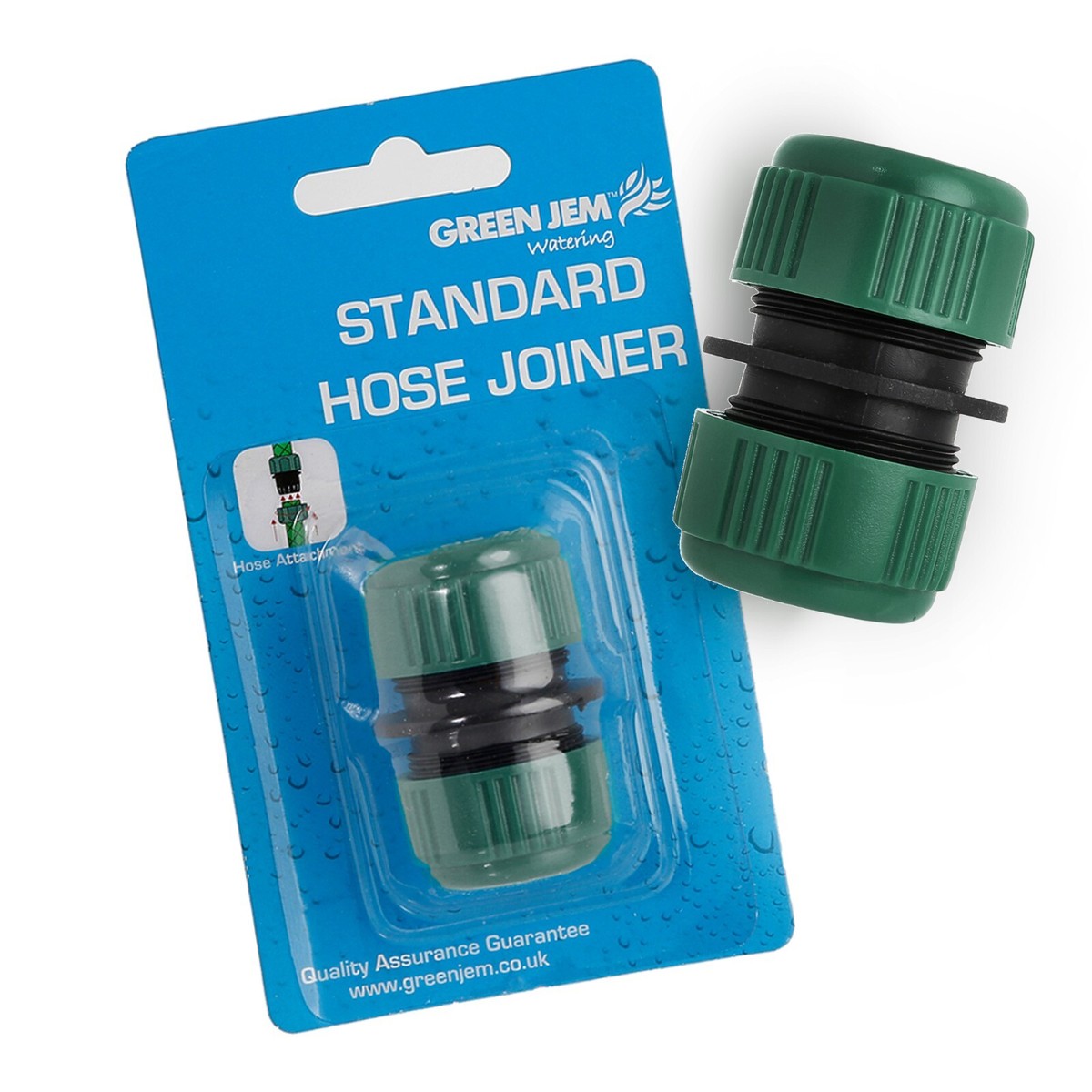
Start by choosing a hose connector that fits your hoses. Screw the connector onto the end of the first hose.
Make sure it is tight to stop water leaks but avoid over-tightening. Hand-tight is usually enough.
Connecting The Second Hose
Take the second hose and insert its end into the other side of the connector. Push it firmly.
Check that the hose fits well and the connection is straight. This helps prevent leaks and hose damage.
Securing The Connection
Use hose clamps or a quick-connect system to secure the connection. This keeps the hoses from pulling apart.
- Tighten hose clamps with a screwdriver
- Check for leaks by turning on water
- Adjust tightness if water leaks appear
Credit: www.ebay.com
Testing The Hose Connection
After connecting two garden hoses, you need to test the connection. This ensures water flows well and stops leaks.
Testing helps you find any problems before watering plants or washing your car.
Turning On The Water
Open the water supply slowly to avoid pressure shocks. Watch the connection closely as water starts flowing.
Make sure the water flows freely through both hoses without any blockages.
Checking For Leaks
Look carefully at the joint where the hoses connect. Water drops or wet spots show leaks.
Check around the washers and connectors for any water escaping.
- Feel for moisture around the connection
- Watch for water spraying or dripping
- Listen for hissing sounds of escaping air or water
Adjusting The Fit
If you find leaks, tighten the connection by turning the coupler more. Do this gently to avoid damage.
Replace washers if leaks continue. Sometimes a new washer solves the problem fast.
- Turn the hose connector clockwise to tighten
- Use pliers only if hand tightening is not enough
- Replace washers if water still leaks after tightening
Tips For Maintaining Hose Connections
Connecting two garden hoses is easy, but keeping the connection strong takes work. Good maintenance helps stop leaks and saves water.
Follow these tips to keep your hose connections in good shape for a long time.
Regular Inspection
Check your hose connections often for signs of wear or damage. Look for cracks, leaks, or loose fittings. Catching problems early helps avoid bigger issues.
Inspect the rubber washers inside the connectors. Replace them if they are cracked or missing to keep a tight seal.
- Look for cracks or splits in hoses and fittings
- Check if connectors fit tightly without gaps
- Replace damaged washers to stop leaks
- Test water flow to find hidden leaks
Storing Hoses Properly
Store hoses in a cool, dry place to prevent damage. Keep them out of direct sunlight to avoid cracking and fading. Coil hoses loosely to stop kinks.
Use hose reels or hangers to keep hoses off the ground. This keeps connectors safe and makes them last longer.
- Avoid sharp bends or tight coils
- Keep hoses away from heat and cold extremes
- Use reel or hanger for neat storage
- Drain water from hoses before storing
Replacing Worn Parts
Replace any worn or broken parts to keep hose connections strong. This includes connectors, washers, and clamps. Old parts can cause leaks and reduce water flow.
Use parts that fit your hoses well. Tight connections prevent water waste and keep your garden healthy.
- Check connectors for rust or damage
- Replace cracked or hardened washers
- Use hose clamps for extra security
- Match new parts to your hose size

Credit: www.reddit.com
Common Problems And Fixes
Connecting two garden hoses can be simple. Sometimes problems happen at the connection point. These problems can stop water flow or cause leaks.
Knowing common issues helps you fix them fast. This guide covers leaks, loose fittings, and water pressure troubles.
Leaks At The Connection
Leaks happen when water escapes from the joint between hoses. This wastes water and lowers pressure. Leaks usually come from worn washers or poor seals.
Fix leaks by checking the rubber washer inside the connector. Replace it if cracked or missing. Tighten the connection by hand, but do not over-tighten.
- Inspect the washer for cracks or damage
- Replace the washer if needed
- Hand-tighten the connectors snugly
- Use plumber’s tape on threads if leaks continue
Loose Fittings
Loose fittings cause hoses to disconnect or leak. They happen if connectors are not screwed tightly or if threads are worn out.
Tighten fittings by turning connectors clockwise. If threads are damaged, replace the connector or hose end. Use hose clamps for extra security if needed.
- Hand-tighten all connectors firmly
- Check for stripped or worn threads
- Replace damaged connectors or hose ends
- Use hose clamps for a stronger hold
Water Pressure Issues
Low water pressure can make watering slow and uneven. Pressure drops if hoses are kinked or connectors block flow.
Fix low pressure by straightening hoses and checking connections. Clean any dirt or debris inside connectors. Avoid using too many hose connectors in a row.
- Straighten any kinks in the hoses
- Remove dirt from connectors and hose ends
- Limit the number of connectors used
- Check for leaks that reduce pressure
Frequently Asked Questions
How Do You Connect Two Garden Hoses?
To connect two garden hoses, you need a hose connector or coupler. Attach the connector to the end of each hose, ensuring a tight fit. Twist the connectors together until secure. This will extend the length of your hose, allowing you to reach further areas in your garden.
Can You Connect Hoses Of Different Sizes?
Yes, you can connect hoses of different sizes using an adapter. These adapters are available at most hardware stores. Ensure the adapter fits both hose sizes. Attach the smaller hose to one end and the larger hose to the other.
This will create a seamless connection between the two hoses.
What Tools Are Needed To Connect Hoses?
To connect hoses, you generally need a hose connector or coupler. Some connections might require an adjustable wrench for tightening. If connecting different sized hoses, an adapter is necessary. These tools are usually inexpensive and readily available at garden supply or hardware stores.
Will Connecting Hoses Affect Water Pressure?
Connecting two hoses may slightly reduce water pressure due to increased length. Longer hoses can cause water flow to weaken. To minimize this, ensure all connections are tight and secure. Using high-quality hoses and connectors can help maintain better water pressure throughout the extended length.
Conclusion
Connecting two garden hoses is simple and useful. Use the right connector for a tight fit. Make sure both hoses are clean before joining. Check for leaks by turning on the water. Fix any leaks by tightening the connection. This method helps extend your watering reach.
Save time and water with a longer hose. Keep your garden green and healthy easily. Enjoy watering without bending or stretching too much. Practice these steps for a smooth hose connection every time.