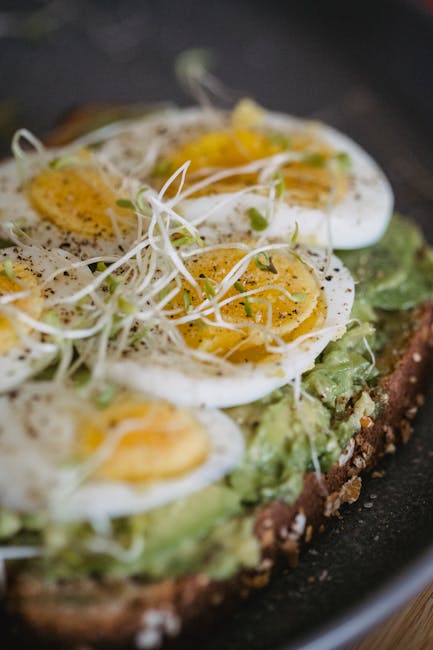
Are you tired of waiting forever for a boiled egg to cook on the stove? What if you could have a perfectly boiled egg ready in just minutes, right in your microwave oven?
You’re about to discover a simple, fast, and foolproof way to make boiled eggs without the hassle. Keep reading, and you’ll learn the exact steps to get that perfect texture every time—no cracking, no mess, just easy cooking that fits your busy life.
Ready to make your mornings easier? Let’s dive in!
:strip_icc():format(webp)/kly-media-production/medias/5315679/original/002801000_1755166946-8366.jpg)
Credit: en.liputan6.com
Choosing The Right Eggs
Fresh eggs with smooth shells work best for microwave boiling. Choose medium-sized eggs for even cooking and easy peeling. Avoid cracked or old eggs to prevent bursting during cooking.
Choosing the right eggs is a crucial first step when boiling eggs in a microwave oven. The quality and characteristics of the eggs you select can significantly affect the outcome. Let’s dive into some key considerations that will help you make the best choice.Fresh Vs. Older Eggs
Fresh eggs are less likely to crack when boiled, but they can be harder to peel. Conversely, older eggs peel more easily due to changes in their pH levels. If you’re aiming for perfectly peeled eggs, using slightly older eggs might be the way to go. Consider your priorities: Are you more concerned about the appearance or the ease of peeling? This decision can impact the texture and look of your final dish.Egg Size Considerations
The size of the egg matters when cooking in a microwave. Larger eggs may require a bit more time to cook thoroughly compared to smaller ones. If you’re in a rush, smaller eggs might be your friend. They heat up faster and can save you precious minutes in the morning. Think about the consistency you prefer. Do you like a soft or hard yolk? Adjust your cooking time based on the size of the eggs you have on hand. This simple consideration can help you achieve the perfect boiled egg tailored to your taste.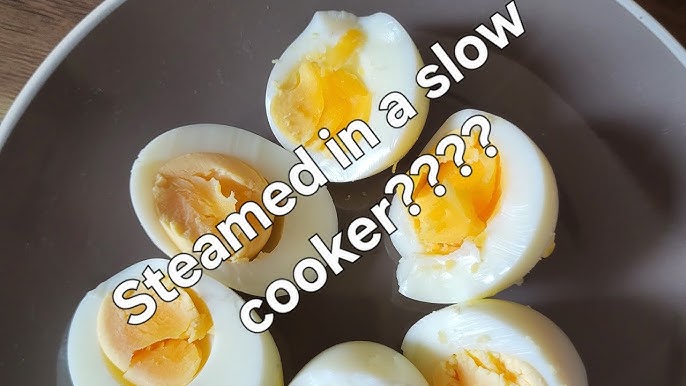
Credit: www.youtube.com
Preparing Eggs For Microwaving
Preparing eggs properly before microwaving is crucial for a successful boiled egg. It helps avoid messes and ensures the egg cooks evenly. Taking a few extra moments to prep your eggs can save you from surprises like bursts or uneven cooking.
Piercing The Shell
Microwaving an unpierced egg can cause it to explode due to steam build-up inside the shell. Carefully piercing the shell with a pin or needle allows steam to escape safely. You don’t need to make a big hole—just a tiny puncture on the wider end is enough.
Using A Microwave-safe Container
Always place your egg in a microwave-safe container to prevent damage or accidents. A small bowl or cup works well, but it should be sturdy and labeled safe for microwave use. Avoid metal or containers with metallic paint, as they can spark and damage your microwave.
Adding Water For Even Cooking
Adding water around the egg helps distribute heat evenly and prevents overheating. Fill the container with enough water to cover the egg completely. This simple step keeps the egg from drying out and reduces the risk of cracking during cooking.
Microwave Settings And Timing
Getting the microwave settings and timing right is key to cooking boiled eggs perfectly. The power level and cooking time control how the egg cooks inside the microwave. Using the correct settings helps avoid overcooking or undercooking the egg. It also prevents eggs from exploding or making a mess.
Different microwaves have different power outputs. Adjusting the power level and time helps match your microwave’s strength. This section explains the best power levels, recommended cooking times, and how to adjust time for your preferred egg doneness.
Power Levels To Use
Use medium power for boiling eggs in the microwave. High power can cause the egg to explode. Medium power cooks the egg evenly and gently. Most microwaves have power settings from 1 to 10. Set your microwave to 5 or 6 for best results.
Recommended Cooking Times
| Egg Size | Medium Power Time |
|---|---|
| Small | 4 to 5 minutes |
| Medium | 5 to 6 minutes |
| Large | 6 to 7 minutes |
Place eggs in a microwave-safe bowl with water covering them. Use these times as a starting point. Times vary by microwave model and egg size.
Adjusting Time For Desired Doneness
- Soft-boiled eggs need less cooking time.
- For medium boiled, add 30 seconds to 1 minute.
- Hard-boiled eggs require the full recommended time.
Check the egg after the first try. Add or reduce time in 15-second steps to get your perfect boiled egg.
Safety Tips For Microwaving Eggs
Microwaving eggs can be a quick and convenient way to enjoy a boiled egg, but safety should always come first. Eggs heat unevenly in the microwave, which can lead to unexpected bursts or burns if you’re not careful. Here are some essential safety tips to keep your cooking experience smooth and accident-free.
Preventing Explosions
Eggs can explode in the microwave due to steam buildup inside the shell or yolk. To avoid this, never microwave an egg in its shell without piercing it first.
- Carefully prick the yolk with a fork or toothpick before cooking.
- Use a microwave-safe container filled with water to cook the egg, which helps distribute heat evenly.
- Cover the container loosely with a microwave-safe lid or plastic wrap to trap steam safely.
Have you ever heard a sudden pop from the microwave? That’s why this step matters—it prevents a messy and potentially dangerous explosion.
Handling Hot Eggs
Microwaved eggs can become extremely hot, even if the outside doesn’t feel warm. Steam trapped inside can cause burns when you bite or peel the egg.
- Let the egg sit for a minute after microwaving to allow heat to distribute evenly.
- Use a spoon or tongs to remove the egg from the container to avoid burning your fingers.
- Peel the egg gently and away from your face to protect your eyes from hot steam.
Think about the last time you grabbed something hot too quickly—was it worth the risk of a burn?
Avoiding Overcooking
Overcooking eggs in the microwave can make them rubbery and tough, ruining the texture you want. It also increases the chances of steam pressure buildup, causing safety risks.
- Microwave in short intervals, such as 30 seconds, then check the egg’s doneness.
- Adjust timing based on your microwave’s wattage to prevent overheating.
- If unsure, undercook slightly and let residual heat finish the process.
Why waste a perfectly good egg by rushing the process? Patience here improves both safety and taste.
Cooling And Peeling Tips
Cooling and peeling boiled eggs from the microwave can be tricky. Proper cooling stops the cooking process quickly. It also makes peeling easier and cleaner. Use the right methods to avoid overcooked eggs and shell mess.
Cooling Methods To Stop Cooking
Cooling eggs rapidly helps keep the yolk tender and bright. Place the eggs in a bowl of cold water right after microwaving. Use ice water for faster cooling. Let eggs sit for at least 5 minutes.
Another way is to run cold water over the eggs. Hold them under the tap until they feel cool. This method also loosens the egg inside the shell.
Easy Peeling Techniques
Crack the egg shell gently on a hard surface. Roll the egg lightly to create small cracks all over. Peel from the wider end where the air pocket is. This spot usually has a small gap between egg and shell.
Peeling under running water helps remove tiny shell pieces. Use your fingers to slide the shell off carefully. Avoid rushing to keep the egg white smooth and intact.
Troubleshooting Common Issues
Cooking boiled eggs in a microwave can be quick and convenient, but it doesn’t always go as planned. You might notice uneven cooking, cracked shells, or a rubbery texture. These common issues can be frustrating, but understanding their causes can help you fix them easily and get perfect results every time.
Eggs Not Cooking Evenly
If your eggs are cooking unevenly, it’s often because microwaves heat food unevenly by nature. To avoid this, try stirring the water or rotating the egg halfway through cooking. Using a microwave-safe container with enough water to fully cover the egg helps distribute heat more evenly.
Have you checked if your microwave’s power level is too high? Lowering it slightly can allow the egg to cook more uniformly without overcooking one side.
Cracked Shells
Cracked shells usually happen because of rapid temperature changes or pressure build-up inside the egg. To prevent cracking, pierce a small hole in the wider end of the egg with a pin before cooking. This allows steam to escape and reduces pressure inside.
Also, avoid cooking eggs straight from the fridge. Letting them reach room temperature first helps reduce the chance of cracking when heated.
Rubbery Texture
A rubbery texture means the egg is overcooked. Microwaves cook eggs quickly, so timing is key. Try reducing cooking time by 10-15 seconds and check the egg’s consistency.
Using water to cover the egg while microwaving can also prevent it from drying out and becoming tough. Have you experimented with shorter cooking bursts instead of one long session? This method often leads to a softer, more pleasant texture.
Creative Serving Ideas
Boiled eggs cooked in the microwave offer quick and versatile options for meals. Serving them creatively makes eating eggs exciting. Simple touches can transform plain boiled eggs into tasty snacks or meals. Experiment with flavors and presentations to enjoy boiled eggs in many ways.
Simple Seasonings
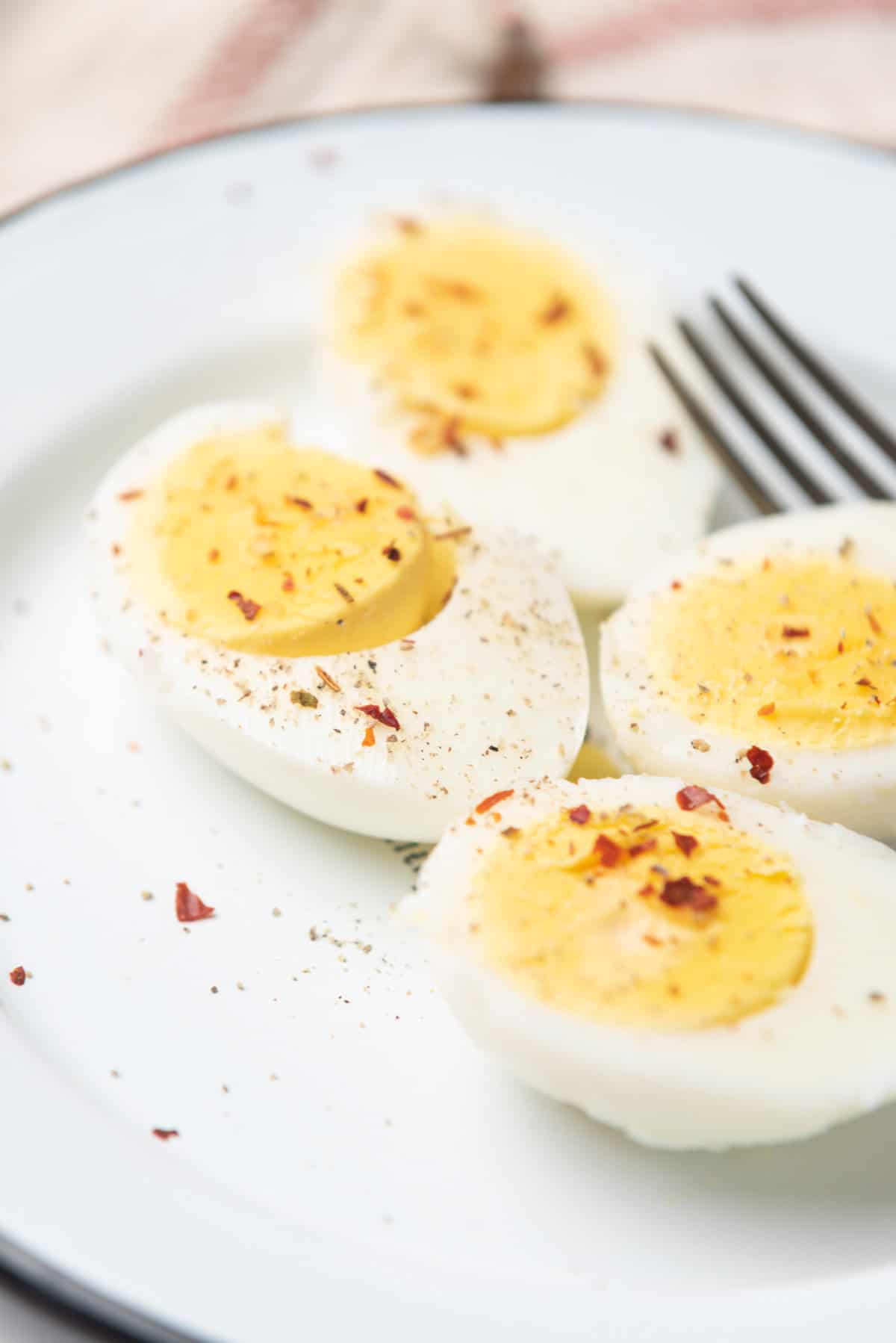
Sprinkle salt and pepper for classic flavor. Try paprika or chili powder for a spicy twist. Use garlic powder or onion flakes to add depth. A drizzle of olive oil or a dash of vinegar can brighten the taste. Fresh herbs like parsley or chives bring freshness and color.
Quick Egg Salads
Chop boiled eggs finely and mix with mayonnaise or yogurt. Add mustard or lemon juice for tanginess. Include chopped celery or pickles for crunch. Season with salt, pepper, and herbs to taste. Serve on bread, crackers, or lettuce leaves for an easy meal.
Using Boiled Eggs In Recipes
Add sliced boiled eggs to green salads for protein. Use halves as a topping for ramen or noodle bowls. Mix chopped eggs into pasta or potato salads. Create deviled eggs by filling halves with flavored yolk mixture. Include them in breakfast bowls with grains and veggies.
Credit: urbanfarmie.com
Frequently Asked Questions
How Long To Boil Eggs In Microwave Oven?
Boiling eggs in a microwave takes about 6-8 minutes. Time varies by microwave power and egg size. Use a microwave-safe container with water and salt for best results. Monitor closely to avoid overcooking or cracking.
Can I Boil Eggs Without A Microwave-safe Container?
No, always use a microwave-safe container filled with water. This prevents eggs from overheating and cracking. The water helps evenly distribute heat, ensuring the egg cooks properly and safely in the microwave.
How To Prevent Eggs From Exploding In Microwave?
Pierce the egg yolk or use water and salt in the container. This reduces steam buildup inside the egg, preventing explosions. Cover the container with a microwave-safe lid or plate for safer cooking.
Is Microwave-boiled Egg Taste Different From Stovetop Boiled Egg?
Microwave-boiled eggs taste similar to stovetop eggs if cooked correctly. Texture may slightly differ; microwave eggs can be softer if timed precisely. Proper water and timing ensure consistent flavor and doneness.
Conclusion
Cooking a boiled egg in the microwave is quick and easy. Just follow the steps carefully to avoid mess or accidents. Use a microwave-safe container and add water to cover the egg. Adjust the time based on your microwave’s power.
Let the egg rest after cooking for best results. This method saves time and still gives a tasty egg. Try it today for a simple snack or meal addition. Enjoy your perfectly cooked microwave boiled egg every time!