
Are you tired of waiting for the stove to heat up or worrying about messy pans when you want a quick egg fix? Cooking eggs in your microwave oven can be a game-changer.
It’s fast, simple, and perfect for busy mornings or quick snacks. In this guide, you’ll discover easy steps to make delicious eggs in minutes, without any fuss. Ready to transform how you cook eggs? Keep reading, and you’ll never look at your microwave the same way again.
Choosing The Right Eggs
Fresh eggs with intact shells work best for microwave cooking. Choose medium-sized eggs for even cooking and avoid cracked ones.
Choosing the right eggs is the first step towards mastering the art of cooking eggs in a microwave oven. The quality of eggs you choose can significantly impact the taste and texture of your dish. Whether you’re making scrambled eggs or poached, selecting the right eggs is crucial.Types Of Eggs
When considering which eggs to use, it’s essential to know the differences among the types available. – Organic Eggs: These come from hens that are fed organic feed and are not given antibiotics. They often have a richer flavor. – Free-Range Eggs: These eggs come from hens that have some outdoor access, which may influence the nutritional content slightly. – Cage-Free Eggs: These are laid by hens that aren’t kept in cages but don’t necessarily have outdoor access. Each type of egg can yield a different taste and texture. Do you prefer a richer yolk? Organic might be your go-to. Want to support more humane farming practices? Free-range could be the choice for you.Freshness Matters
Fresh eggs make a world of difference in your microwave cooking results. – Check the Date: Always check the best-by date on the carton. Fresh eggs have a more prominent dome of whites and a firmer yolk, which holds up better in the microwave. – Water Test: Not sure if your eggs are fresh? Place them in a bowl of water. Fresh eggs will sink, while older eggs will float. This simple test can save you from the disappointment of a runny mess. – Visual and Sniff Test: Crack an egg onto a plate to check for any off odors or unusual appearance. Fresh eggs should have a clean smell and vibrant yolk. How fresh are the eggs in your fridge? Knowing this can transform your microwave egg-cooking experience from mediocre to marvelous. Choosing the right eggs doesn’t just affect flavor; it impacts your entire cooking experience. What type and freshness level will you choose for your next microwave egg adventure?
Credit: www.onegoodthingbyjillee.com
Microwave-safe Tools
Choosing the right tools is crucial when cooking eggs in the microwave. Using microwave-safe tools ensures even cooking and prevents any harmful chemicals from leaching into your food. It also helps you avoid messy spills and uneven textures that can ruin your quick egg breakfast.
Best Containers
Glass and ceramic containers are the safest bets for microwaving eggs. They heat evenly and won’t warp under high temperatures. Avoid metal or plastic containers that are not labeled microwave-safe, as they can cause sparks or melt.
Look for containers with lids designed for microwave use. These lids help trap steam, cooking your eggs faster and more evenly. If you don’t have a lid, a microwave-safe plate can work as a cover to prevent splatters.
Personally, I use a small glass bowl with a vented lid when I scramble eggs in the microwave. It cooks perfectly without drying out, and cleanup is a breeze since the glass doesn’t stain or hold odors.
Essential Accessories
- Microwave-safe spatulas:Silicone spatulas are flexible and heat-resistant, making it easy to stir eggs mid-cook without scratching your container.
- Whisk or fork:A small whisk or fork helps beat the eggs thoroughly before microwaving, which improves texture and prevents clumping.
- Microwave egg poachers:These specially designed cups or molds make poaching eggs foolproof by holding the shape and allowing steam to cook the egg gently.
Have you ever tried cooking eggs in the microwave without the right tools? You might notice uneven cooking or a rubbery texture. Using these simple accessories can make a significant difference in taste and texture, saving you time and frustration.
Preparation Tips
Preparing eggs for cooking in the microwave requires a few simple steps. These tips help avoid mess and ensure even cooking. Proper preparation makes your microwave eggs taste better and cook faster.
Piercing The Yolk
Always pierce the egg yolk before cooking. Use a fork or toothpick to make a small hole. This prevents the yolk from bursting inside the microwave. It also helps the heat spread evenly. Piercing the yolk reduces the risk of a messy explosion.
Adding Ingredients
Add ingredients like salt, pepper, or cheese before cooking. Mix them well with the eggs. This allows the flavors to blend during cooking. Avoid adding watery ingredients as they can make eggs soggy. Use small amounts of milk or cream for a creamier texture.
Credit: www.food.com
Cooking Methods
Cooking eggs in a microwave offers quick and convenient options that fit perfectly into busy schedules. Each cooking method brings out different textures and flavors, allowing you to enjoy eggs just the way you like them. Understanding these methods helps you get the best results without overcooking or ending up with rubbery eggs.
Scrambled Eggs
To make scrambled eggs in the microwave, crack two eggs into a microwave-safe bowl. Add a splash of milk or water, then whisk until the mixture is smooth. Season with salt and pepper.
Microwave the eggs on high for 30 seconds, then stir. Repeat heating in 15-second intervals, stirring each time, until the eggs are just set. This technique keeps your eggs fluffy and avoids overcooking.
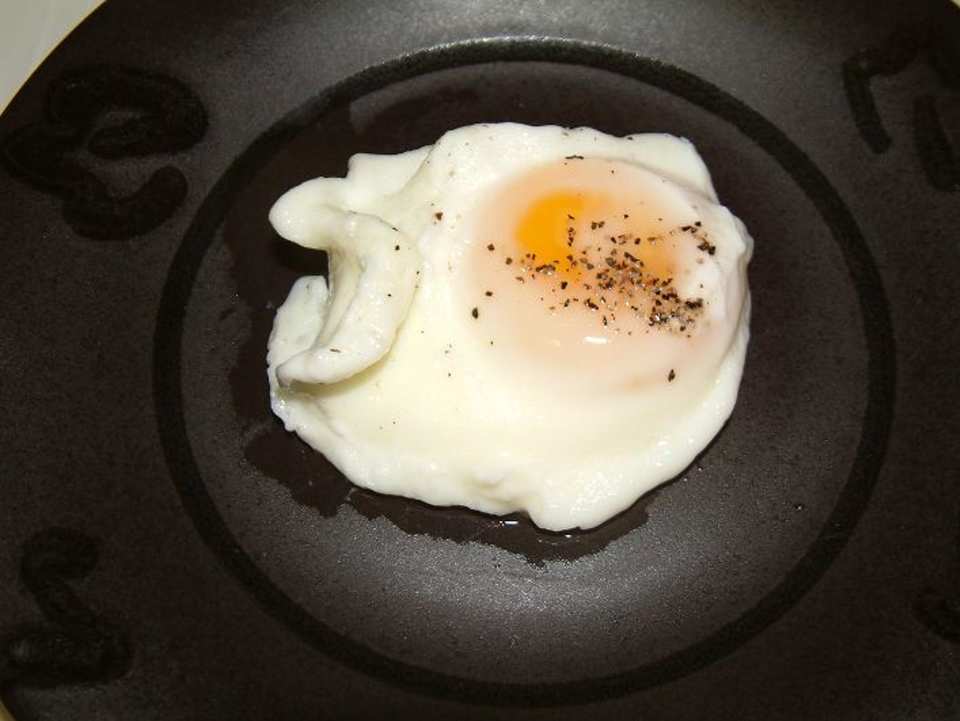
Poached Eggs
Place an egg into a microwave-safe cup filled with about half a cup of water. Add a pinch of salt to help the egg white set quickly. Pierce the egg yolk gently with a toothpick to prevent it from bursting.
Cover the cup with a microwave-safe plate or saucer. Cook on high for about 50-60 seconds, checking halfway through. The result is a tender poached egg without the fuss of boiling water.
Omelette Style
Beat two or three eggs in a microwave-safe dish and add your favorite fillings like diced vegetables, cheese, or cooked meats. Season the mixture well and stir to combine all ingredients.
Microwave on high for 45 seconds, then check and stir gently. Continue microwaving in 15-second bursts until the eggs are fully cooked. This method lets you enjoy a quick, customizable omelette with minimal cleanup.
Timing And Power Settings
Getting the timing and power settings right is key to cooking eggs perfectly in the microwave. Too much power or time can turn them rubbery, while too little leaves them undercooked. Understanding how to adjust these settings allows you to customize the process based on your microwave’s strength and the type of egg dish you want.
Adjusting Cook Time
Microwaves vary, so start with shorter cook times and increase gradually. For a single scrambled egg, try 30 to 45 seconds on high power, then check the texture. If it’s not done, add 10-second increments until it reaches your preferred consistency.
For harder preparations like boiled eggs, cook times will be longer—usually around 6 to 8 minutes with intervals to prevent overheating. Have you ever ended up with a mess from an egg that exploded? Stopping to check and stir or turn your egg can prevent that.
Power Level Tips
Reducing the power level prevents eggs from cooking too fast and becoming rubbery. Use medium or 50-70% power for more even cooking, especially for delicate styles like poached or soft-boiled eggs.
Lower power settings give the heat time to distribute inside the egg, resulting in a creamier texture. Experiment with your microwave’s settings—some models cook unevenly on high power, so dialing down can improve results.
- Try 50% power for scrambled eggs to avoid overcooking.
- Use 70% power for poached eggs to keep the whites tender.
- High power is okay for quick tasks but watch closely.
Have you noticed how your microwave heats differently on various power levels? Adjusting the power can be the difference between a perfect egg and a disappointing one. Don’t hesitate to experiment; your ideal timing and power combo is unique to your kitchen setup.
Avoiding Common Mistakes
Cooking eggs in the microwave is quick and easy. Still, some mistakes can spoil your meal or cause accidents. Avoiding these common errors saves time and keeps your kitchen safe. Learn simple tips to get perfect eggs every time.
Preventing Explosions
Eggs can explode in the microwave if not prepared correctly. The shell traps steam, causing pressure to build. Always crack the egg and beat it in a microwave-safe bowl. Pierce the yolk with a fork before cooking. Cover the bowl with a microwave-safe lid or plate. This helps steam escape safely. Cook in short intervals and stir between times. Never cook eggs in their shells.
Ensuring Even Cooking
Microwaves cook unevenly, leaving some parts raw. Stirring eggs during cooking spreads heat evenly. Use a microwave-safe container with enough space. Do not overcrowd the bowl. Covering the container helps heat distribute better. Cook at medium power to avoid tough edges. Check eggs often to stop cooking at the right time. Let eggs rest for a minute; heat continues to cook them.
Serving Suggestions
Serving your microwave-cooked eggs can be simple and tasty. The right toppings and pairings can make your meal more enjoyable. Explore ways to add flavor and texture without much effort. These ideas suit quick breakfasts or light snacks. Try different combinations to find your favorite.
Toppings And Seasonings
- Sprinkle shredded cheese like cheddar or mozzarella
- Add fresh herbs such as chives, parsley, or basil
- Use a pinch of salt and black pepper for basic flavor
- Drizzle hot sauce or sriracha for a spicy kick
- Top with diced tomatoes or avocado slices for freshness
- Mix in a spoonful of salsa or pesto for extra taste
Pairing Ideas
- Serve with toasted whole-grain bread or English muffins
- Enjoy alongside crispy bacon or sausage links
- Pair with a side of fresh fruit like berries or melon
- Add a small salad with leafy greens and vinaigrette
- Include a cup of yogurt or cottage cheese for protein
- Complement with a warm cup of coffee or tea
Cleaning Up
Cleaning up after cooking eggs in the microwave is important to keep your kitchen fresh. Egg spills can happen quickly and create sticky messes. Taking care of these spills right away saves time and effort later. A clean microwave also helps food taste better and avoids odors.
Handling Messes
Use a damp cloth or paper towel to wipe fresh spills immediately. For dried egg stains, soak a cloth in warm soapy water. Gently scrub the affected area until clean. Avoid harsh scrubbing to prevent damage to the microwave’s interior. A mixture of water and vinegar works well for stubborn spots.
Maintaining Microwave
Clean your microwave regularly to prevent buildup. Wipe the interior after every use. Remove the turntable and wash it with warm soapy water. Keep the door seals clean to ensure proper closing. Use a microwave-safe cover to reduce splatters during cooking. This practice cuts down on cleaning time.

Credit: www.youtube.com
Frequently Asked Questions
How Long To Cook Eggs In Microwave Oven?
Microwave eggs typically take 30 seconds to 2 minutes. Cooking time depends on egg type and microwave wattage. Always use a microwave-safe container and cover it to avoid splattering. Stirring halfway ensures even cooking and prevents overcooking.
Can I Microwave Eggs Without Shells?
Yes, you can microwave eggs without shells by whisking them in a bowl. Cover the bowl to trap steam and cook evenly. Cook in short bursts, stirring occasionally to prevent rubbery texture. This method is quick and convenient for scrambled eggs.
Is It Safe To Cook Eggs In Microwave?
Cooking eggs in a microwave is safe if done properly. Use microwave-safe containers and avoid overheating to prevent explosions. Pierce yolks or whisk eggs to release steam. Always monitor cooking closely to ensure eggs are cooked thoroughly and safely.
How To Avoid Eggs Exploding In Microwave?
Prevent egg explosions by piercing yolks before microwaving. Cover eggs with a microwave-safe lid or wrap. Cook in short intervals and stir to release steam. This helps avoid pressure buildup inside the egg, ensuring safe and mess-free cooking.
Conclusion
Cooking eggs in a microwave oven is quick and simple. You can make scrambled, boiled, or poached eggs with ease. Just follow the steps and watch the cooking time carefully. This method saves time and uses less energy. It’s perfect for busy mornings or a quick snack.
Try different seasonings to find your favorite taste. Enjoy fresh eggs anytime without much effort. Give it a shot and see how easy cooking eggs can be!