Are you tired of food sticking to your pans or struggling with uneven cooking? Ceramic pans might be the game-changer your kitchen needs.
They offer a smooth cooking surface that makes your meals taste better and cleanup easier. But to get the best results, you need to know how to use them right. You’ll discover simple tips and tricks to cook perfectly on ceramic pans every time.
Ready to unlock the full potential of your cookware? Keep reading and transform your cooking experience today.
Credit: xtrema.com
Choosing The Right Ceramic Pan
Ceramic pans are great for healthy cooking. They do not use harmful chemicals. Choosing the right pan helps you cook better meals.
Think about the coating, size, and quality before buying. Each factor affects how the pan works and lasts.
Types Of Ceramic Coatings
Ceramic pans come with different coatings. Some have pure ceramic, while others mix ceramic with other materials.
- Pure ceramic coating: Non-stick and free of metals.
- Silicon ceramic: Adds flexibility and heat resistance.
- Titanium-infused ceramic: Stronger and more durable.
Pan Sizes And Shapes
Choose the right size for your cooking needs. Small pans suit eggs and sauces. Large pans work for frying or making stir-fries.
- Round pans: Best for everyday cooking and frying.
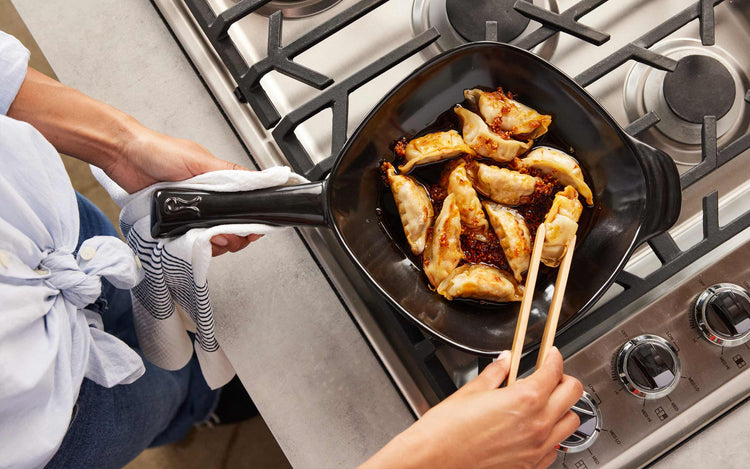
- Square pans: Offer more cooking space and fit better on stovetops.
- Grill pans: Have ridges for grilling meats and vegetables.
Quality Indicators
| Feature | Why It Matters | What to Look For |
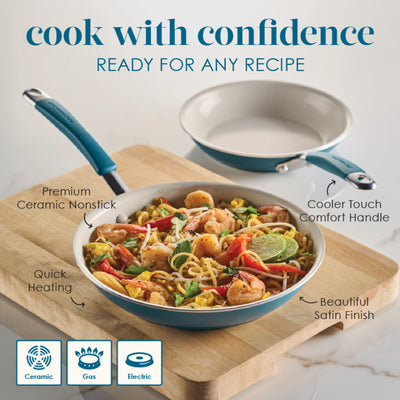
| Thickness | Even heat distribution | Medium to thick base |
| Handle | Comfort and safety | Heat-resistant and sturdy |
| Coating durability | Long-lasting non-stick | Scratch-resistant surface |
| Oven safe | More cooking options | Check temperature limits |
Credit: rachaelray.com
Preparing Your Pan For Cooking
Cooking on ceramic pans can be easy and healthy. Preparing your pan before cooking helps keep food from sticking.
Proper care ensures your ceramic pan lasts longer and cooks better every time you use it.
Seasoning Ceramic Pans
Some ceramic pans need seasoning to improve their non-stick surface. Seasoning adds a light protective layer on the pan.
To season, heat the pan on low heat for a few minutes. Then add a small amount of cooking oil and spread it evenly.
- Heat pan on low for 2-3 minutes
- Pour a teaspoon of oil inside
- Use a paper towel to spread oil
- Let the pan cool before wiping excess oil
Proper Cleaning Before Use
Cleaning your ceramic pan before first use removes dust and factory residues. Wash it gently with warm water and mild soap.
Avoid harsh scrubbers that can damage the ceramic coating. Dry the pan completely before cooking.
- Use soft sponge and warm water
- Apply mild dish soap only
- Rinse thoroughly to remove soap
- Dry with a soft towel or air dry
Optimal Cooking Techniques
Ceramic pans offer a smooth, non-stick surface that makes cooking easier. Using the right techniques helps keep food tasty and the pan in good shape.
Follow simple tips on heat settings, oil use, and food handling to cook well on ceramic pans.
Heat Settings To Use
Use medium or low heat for cooking on ceramic pans. High heat can damage the coating and reduce the pan’s life.
Preheat the pan slowly to allow even heat distribution. Avoid sudden temperature changes to protect the surface.
- Start with medium heat for most cooking
- Use low heat for delicate foods like eggs
- Avoid high heat to protect the ceramic coating
- Let the pan warm gradually before adding food
Using Oil And Fats
Add a small amount of oil or fat to the pan before cooking. This helps create a barrier and improves non-stick performance.
Choose oils with a high smoke point, such as canola or avocado oil, to prevent burning and keep flavors clean.
- Use just enough oil to coat the surface
- Use oils like canola, avocado, or light olive oil
- Avoid butter or low smoke point oils at high heat
- Reapply oil if cooking for a long time
Avoiding Food Sticking
Make sure the pan is properly heated before adding food. This helps food release easily without sticking.
Do not move food too soon. Let it cook and form a crust, then flip or stir gently to avoid tearing.
- Preheat pan on medium heat
- Add oil and let it warm
- Place food carefully and wait before flipping
- Use silicone or wooden utensils to protect the surface
Recipes Suited For Ceramic Pans
Ceramic pans cook food evenly and need less oil. They are perfect for many recipes. Using the right recipes keeps the pan in good shape.
This guide shows recipes that work well with ceramic pans. Each section explains how to cook different foods properly.
Sautéing Vegetables
Sautéing vegetables in ceramic pans is easy and healthy. The pan heats evenly and keeps vegetables crisp.
- Use medium heat to avoid burning
- Add a small amount of oil or butter
- Stir often for even cooking
- Cook firm vegetables like carrots longer
- Add delicate vegetables like spinach last
Cooking Eggs Perfectly
Ceramic pans are gentle on eggs and help cook them evenly. Use low heat for smooth, tender eggs.
| Type of Egg Dish | Heat Level | Cooking Time |
| Scrambled Eggs | Low | 3-5 minutes |
| Fried Eggs | Low to Medium | 2-4 minutes |
| Omelets | Medium | 5-7 minutes |
Pan-seared Meats
Ceramic pans work well for searing meats. They give a nice crust without sticking.
Tips for pan-searing meat in ceramic pans:
- Preheat the pan before adding meat
- Pat meat dry to reduce splatter
- Use medium-high heat for a golden crust
- Do not move meat too soon to keep the sear
- Rest meat after cooking to keep it juicy
Maintaining Your Ceramic Pan
Taking care of your ceramic pan keeps it working well for a long time. Proper maintenance helps keep the surface smooth and non-stick.
Follow simple habits to clean, store, and protect your ceramic pan. These steps will extend its lifespan and improve cooking results.
Cleaning Tips
Clean your ceramic pan gently to avoid scratches. Use mild soap and soft sponges after cooking.
- Let the pan cool before washing it.
- Wash by hand; avoid dishwashers.
- Use warm water and mild detergent.
- Scrub with a soft sponge or cloth only.
- Remove stuck food with baking soda paste.
- Dry the pan completely with a towel.
Storage Advice
Store your ceramic pan carefully to prevent damage. Avoid stacking heavy items on it.
| Storage Tip | Reason |
|---|---|
| Place a soft cloth between pans | Prevents scratches and chips |
| Keep in a dry place | Stops moisture damage |
| Avoid stacking heavy pots on top | Maintains surface integrity |
Extending Pan Lifespan
Use your ceramic pan with care to help it last longer. Avoid overheating and metal utensils.
- Heat the pan on medium or low settings only.
- Use wooden, silicone, or plastic utensils.
- Do not use cooking sprays that can build residue.
- Season the pan occasionally with a small amount of oil.
- Inspect the pan regularly for chips or cracks.
Credit: www.carawayhome.com
Common Mistakes To Avoid
Cooking with ceramic pans is easy if you use them right. Many people make simple mistakes that can damage the pan or affect cooking.
Knowing what to avoid helps you keep your pans safe and cook better meals every time.
Overheating The Pan
Ceramic pans do not handle very high heat well. Overheating can cause the ceramic coating to crack or break down.
Use medium or low heat for cooking. Let the pan heat slowly before adding food.
- Do not heat an empty ceramic pan for too long
- Avoid using high heat settings on the stove
- Turn off heat soon after cooking
Using Metal Utensils
Metal utensils can scratch and damage the ceramic surface. This reduces the pan’s non-stick ability.
Use wooden, silicone, or plastic tools instead. These are gentle and keep your pan smooth.
- Never scrape the pan with metal knives or forks
- Choose spoons and spatulas made of soft materials
- Replace worn-out utensils to protect your pan
Skipping Regular Cleaning
Not cleaning your ceramic pan properly can cause food to stick and stains to build up. This hurts cooking quality.
Clean your pan after every use. Use warm water, mild soap, and a soft sponge to keep it in good shape.
- Do not use abrasive cleaners or steel wool
- Remove stuck food gently with a soft brush
- Dry the pan well to prevent water spots
Frequently Asked Questions
How Do I Season A Ceramic Pan?
To season a ceramic pan, apply a thin layer of cooking oil. Heat the pan on medium for 2-3 minutes. Let it cool and wipe off excess oil. This helps maintain the non-stick surface and prolongs the pan’s life.
Can Ceramic Pans Go In The Oven?
Yes, many ceramic pans are oven-safe up to 500°F. Always check the manufacturer’s guidelines to confirm the temperature limit. Avoid sudden temperature changes to prevent damage. Using oven mitts is essential as handles can get extremely hot.
How To Clean Burnt Food From A Ceramic Pan?
To clean burnt food, soak the pan in warm, soapy water. Use a soft sponge to gently scrub the residue. Avoid metal utensils or scouring pads to prevent scratches. For stubborn stains, baking soda paste can be effective.
Are Ceramic Pans Dishwasher Safe?
Most ceramic pans are dishwasher safe, but hand washing is recommended. Dishwashers can reduce the non-stick coating’s lifespan. If using a dishwasher, ensure it’s on a gentle cycle. Always refer to the manufacturer’s instructions for best care practices.
Conclusion
Cooking with ceramic pans is simple and fun. These pans heat evenly and clean easily. Use low to medium heat for best results. Avoid metal tools to keep the surface safe. With care, ceramic pans last a long time. Enjoy healthy meals with less oil.
Try different recipes to see what works. Cooking becomes easier and food tastes better. Keep these tips in mind and start cooking today!