Is your tent turning into a hot, stuffy box when you’re trying to relax or sleep? You’re not alone.
Keeping your tent cool can make all the difference between a miserable camping trip and an enjoyable outdoor escape. Imagine stepping inside your tent and feeling a refreshing breeze instead of a wave of heat. You’ll discover simple, effective ways to cool your tent down fast—so you can stay comfortable no matter how high the temperature climbs.
Ready to transform your camping experience? Let’s dive in.
Credit: www.ecoflow.com
Choosing The Right Tent
Picking the right tent helps keep you cool in hot weather. A good tent lets air flow and blocks the sun.
Look at the tent’s material, ventilation, and color to stay comfortable inside.
Consider Tent Material
Tent fabric affects heat inside the tent. Some materials let heat out better than others.
Choose lightweight and breathable fabrics to reduce heat buildup. Polyester and nylon are common and dry fast.
- Cotton canvas is thick but heavy and keeps heat out well.
- Polyester dries quickly and resists UV rays.
- Nylon is light but can trap heat without ventilation.
Ventilation Features
Good airflow lowers temperature inside the tent. Look for tents with mesh windows and vents.
Some tents have adjustable vents on the roof or sides. These help air move and reduce stuffiness.
- Mesh panels let air in but keep bugs out.
- Roof vents allow hot air to escape.
- Doors with mesh add more airflow options.
Color Selection
Color changes how much heat the tent absorbs. Dark colors absorb more heat and get hotter inside.
Light colors reflect sunlight and help keep the tent cooler during the day.
- White tents reflect most sunlight and stay cool.
- Beige and light gray also reflect heat well.
- Avoid black or dark green tents in hot weather.
Optimal Tent Placement
Choosing the right spot to pitch your tent helps keep it cool during hot days. Proper placement reduces heat and makes your camping more comfortable.
Look around your camping area to find the best place that uses nature to your advantage. Small changes in where you set your tent make a big difference.
Find Shade
Shade lowers the temperature inside your tent by blocking direct sunlight. Trees and large bushes make great natural shade spots.
- Set up your tent under tall trees or near dense shrubs.
- Avoid open fields with no cover from the sun.
- Use a tarp or canopy if natural shade is not available.
Utilize Natural Wind
Wind helps cool your tent by moving warm air away and bringing in cooler air. Position your tent to catch the breeze but avoid strong gusts.
| Wind Direction | Tent Position |
| From the North | Face tent opening south |
| From the East | Place tent side to east wind |
| From the West | Set tent entrance west side |
Avoid Direct Sunlight
Direct sunlight heats your tent quickly. Find spots that block sun rays in the hottest hours of the day.
Tips to avoid direct sunlight:
- Pitch your tent facing away from the rising sun.
- Use natural land dips or rocks to shield your tent.
- Move your tent if the sun angle changes during the day.
Enhancing Airflow
Keeping a tent cool is important for comfort during camping. Good airflow helps reduce heat inside the tent. This guide shares ways to improve airflow in your tent.
Using simple tools and smart tent setup can keep air moving. This stops the tent from feeling stuffy and hot.
Use Battery-powered Fans
Battery-powered fans are great for moving air inside a tent. They do not need a power outlet and are easy to carry. Place a fan near your sleeping area to keep air flowing.
- Choose fans with adjustable speeds.
- Use clip-on fans for easy attachment.
- Position fans near tent vents or openings.
- Keep extra batteries handy for long trips.
Create Cross Ventilation
Cross ventilation helps air move through the tent quickly. Open vents or windows on opposite sides of the tent. This allows fresh air to enter and warm air to leave.
| Tip | Description |
| Open Opposite Sides | Open tent doors and windows on opposite walls for airflow. |
| Use Mesh Panels | Keep mesh panels open to block bugs but allow air. |
| Adjust Tent Position | Face tent openings toward wind direction to catch breeze. |
Keep Doors And Windows Open
Leaving doors and windows open lets warm air escape. It also brings cooler air inside. Use screens to keep insects out while doors and windows are open.
- Open doors during the day to let heat out.
- Keep windows open at night for fresh air flow.
- Use rainflys that allow ventilation but block rain.
- Secure openings to prevent bugs from entering.

Credit: www.reddit.com
Cooling Gear And Accessories
Keeping your tent cool makes camping more comfortable. Using the right gear helps reduce heat inside your tent. Cooling accessories can make your outdoor stay much better.
This guide explains three useful items to cool a tent: reflective tarps, cooling towels and blankets, and portable air conditioners.
Reflective Tarps
Reflective tarps block sunlight from hitting your tent. They reflect heat away, keeping the tent cooler inside. These tarps are usually silver or light-colored.
Place the tarp above or around your tent. This creates shade and lowers the temperature inside. Make sure to secure it tightly to avoid wind damage.
- Reflect sunlight and heat
- Easy to set up and remove
- Lightweight and reusable
- Works best on sunny days
Cooling Towels And Blankets
Cooling towels and blankets help lower your body temperature. Wet the towel or blanket and wring out the excess water. Then place it on your skin or around your neck.
These items use special fabric that stays cool for a long time. They are lightweight and easy to carry in your backpack. Use them inside the tent to feel cooler.
- Wet and wring before use
- Reusable and quick drying
- Lightweight and portable
- Good for personal cooling
Portable Air Conditioners
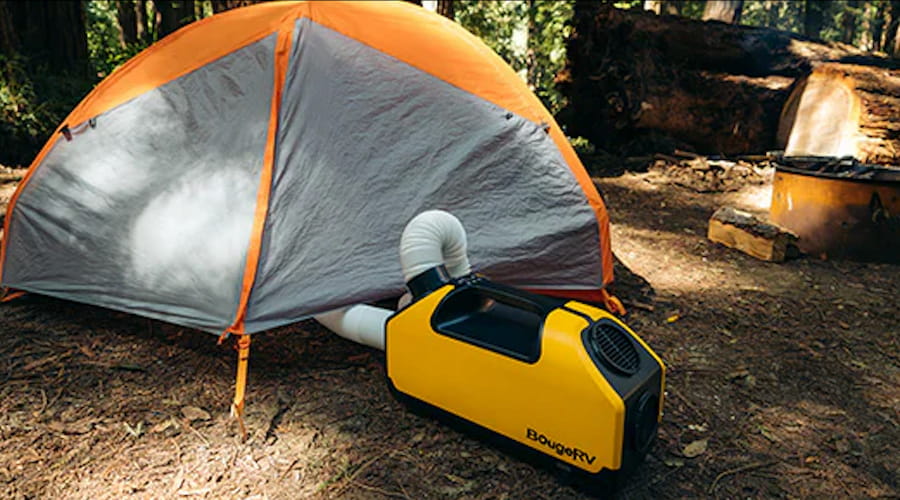
Portable air conditioners cool the air inside your tent. They use electricity or batteries to work. These devices can lower the temperature quickly.
Choose a model that fits your tent size and power source. Some come with water tanks to add extra cooling. Make sure to ventilate the tent properly for best results.
- Electric or battery-powered
- Effective for small to medium tents
- Needs proper ventilation
- May require water for cooling
Nighttime Cooling Strategies
Camping in warm weather can make sleeping inside a tent hard. Using simple methods helps keep the tent cool at night. These ideas make the night more comfortable.
Try these tips to cool your tent and rest well during hot nights outdoors.
Use Lightweight Sleeping Bags
Heavy sleeping bags trap heat and make you feel warmer. Choose lightweight or summer sleeping bags. These bags let air flow and keep you cooler while sleeping.
- Pick sleeping bags made with breathable materials
- Avoid thick insulation that holds heat
- Use thin liners for extra comfort without warmth
- Store heavy sleeping bags outside the tent during hot nights
Sleep Above Ground
Sleeping directly on the ground can absorb heat. Use a raised cot or hammock to stay cooler. Air flows better above the ground, lowering body temperature.
| Method | Cooling Benefit |
| Ground Sleeping | Less air circulation, warmer |
| Sleeping Cot | Air circulates underneath, cooler |
| Hammock | Suspended air flow, coolest option |
Moisten Tent Walls
Wet fabric cools as water evaporates. Lightly spray the outside tent walls with water before bedtime. This lowers the temperature inside the tent.
Follow these tips when moistening your tent walls:
- Use a spray bottle for even water spread
- Do not soak the fabric to avoid leaks
- Apply water in the early evening for best effect
- Reapply if the tent feels warm during the night
Diy Cooling Hacks
Camping in a tent can get hot and uncomfortable. You can use simple tricks to cool down your tent. These hacks use everyday items and work well on warm days.
Try these easy methods to keep your tent cool and enjoy a better camping experience.
Ice Pack Techniques
Ice packs help lower the temperature inside your tent quickly. Place frozen ice packs near your sleeping area. You can also put them in front of a small fan to spread cool air.
- Freeze water bottles or gel packs before your trip.
- Put ice packs in a shallow tray to catch melting water.
- Use a fan to blow air over the ice packs for better cooling.
- Replace ice packs as they melt to keep the air cool.
Water Spray Bottle
A spray bottle filled with cold water can cool your skin and the air around you. Spray water lightly inside the tent to create a cooler feel. Keep the bottle in a cooler or ice to make the water cold.
- Use a fine mist setting for better coverage.
- Spray your face and neck for quick relief.
- Lightly mist the tent walls to reduce heat.
- Refill and chill the water regularly.
Create A Makeshift Air Conditioner
Make a simple air conditioner using a fan and frozen items. This setup cools the air by blowing over cold surfaces.
| Item | Purpose |
|---|---|
| Small fan | Blows air |
| Frozen water bottles or ice packs | Cool air source |
| Shallow pan or tray | Holds ice and catches water |
| Elevated stand or box | Positions ice in front of fan |
Set the fan on the stand and place frozen items in front. Turn on the fan to blow cool air into your tent.
Additional Tips For Staying Cool
Keeping your tent cool helps you enjoy your outdoor time more. Simple habits can make a big difference. Try these extra tips to stay comfortable.
These ideas work well with good tent setup. They help reduce heat inside and keep your body cool too.
Hydration Importance
Drinking water keeps your body temperature steady. It stops you from feeling tired or dizzy in the heat.
Always have fresh water nearby. Drink small amounts often, even if you don’t feel thirsty.
- Carry a water bottle inside the tent
- Use a cooler to keep water cold
- Avoid sugary or caffeinated drinks
- Eat fruits with high water content
Wear Breathable Clothing
Choose light clothes that let air flow easily. Cotton and linen are good options to stay cool.
Loose clothes help sweat evaporate. This process cools your skin naturally.
- Wear long sleeves to block sun rays
- Pick light colors that reflect heat
- Bring a wide-brimmed hat for shade
- Use moisture-wicking fabrics for comfort
Schedule Activities Wisely
Plan your most active times when it is cooler. Early mornings and late evenings have lower temperatures.
Rest inside the tent during the hottest hours. Use this time to drink water and relax.
- Set up camp early to avoid midday heat
- Do hiking or chores in cooler parts of the day
- Use shade breaks to cool off
- Keep naps short to stay alert
Credit: www.t3.com
Frequently Asked Questions
How Can I Keep My Tent Cool During Hot Weather?
Use shade, open windows, and vents for airflow. Choose a light-colored tent to reflect heat. Set up near water or trees for natural cooling. Avoid direct sunlight by using a tarp or canopy.
What Are The Best Materials For A Cool Tent?
Choose tents with breathable fabrics like mesh or nylon. Look for UV-resistant and reflective materials. These fabrics reduce heat absorption and improve ventilation. Avoid heavy or dark-colored tents that trap heat inside.
Does Tent Placement Affect Temperature Inside?
Yes, placing your tent in shaded, breezy spots lowers temperature. Avoid open, sun-exposed areas. Set up near trees or water for natural cooling. Proper placement enhances airflow and reduces heat buildup in the tent.
Can I Use Fans To Cool A Tent Effectively?
Yes, battery-operated or solar fans improve air circulation. Fans help move hot air out and bring cool air in. Use them with open windows or vents for best results. They are energy-efficient and easy to carry.
Conclusion
Cooling a tent does not have to be hard. Use shade and good airflow to stay comfortable. Keep the tent door open when possible. Wet cloths or portable fans help a lot. Avoid heat by camping near water or trees.
Small changes make your camping trip cooler and more fun. Try these tips and enjoy your time outdoors. Stay cool, stay happy.