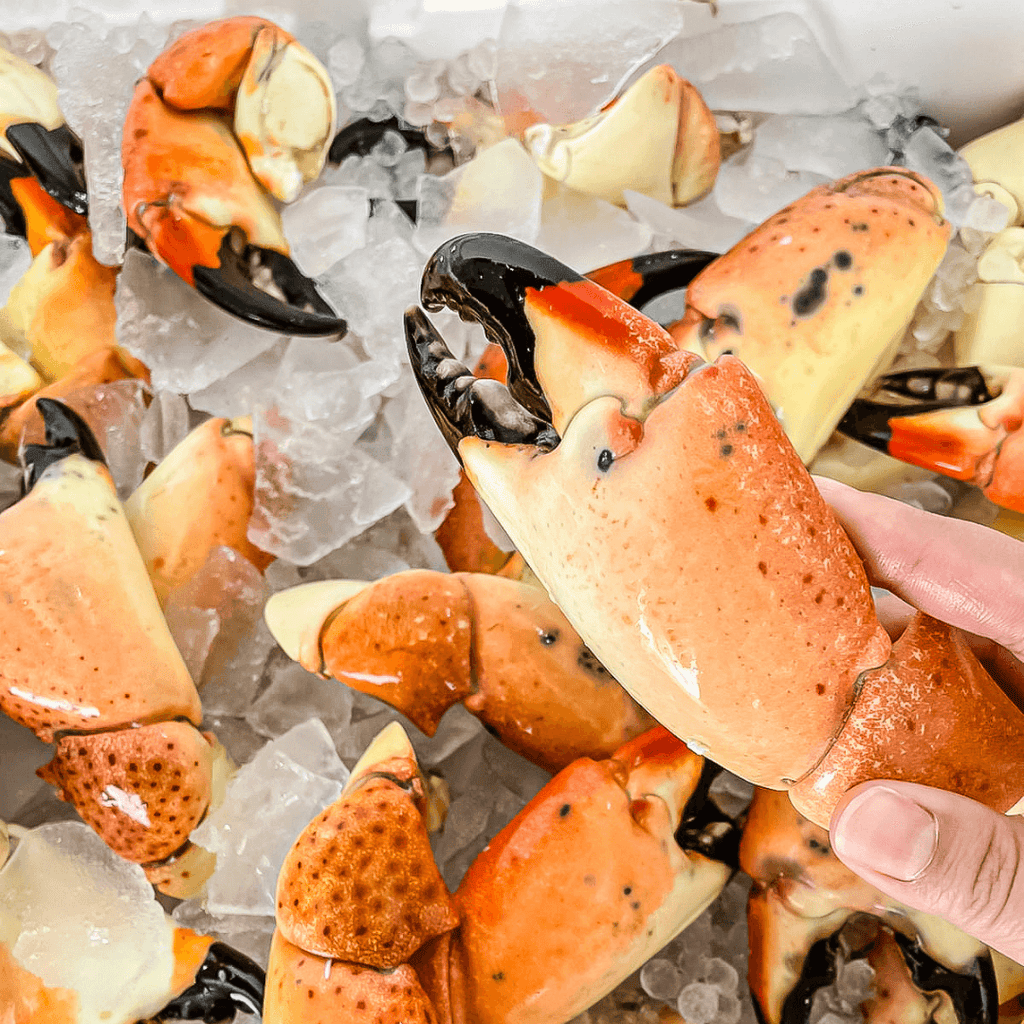
Imagine the joy of savoring fresh crabs, their sweet and succulent flavors bursting with every bite. But what if you could preserve that exquisite taste for months on end?
Enter the art of crab freezing. Whether you’re a seasoned seafood enthusiast or just dipping your toes into the culinary world, learning how to crab freeze can be a game-changer for your kitchen adventures. In this guide, we’ll reveal the secrets of preserving your crabs so that each dish you prepare is as delightful as the day you caught them.
You’ll discover the best techniques to lock in freshness and flavor, ensuring your crabs are always ready to become the star of your meals. Ready to transform your seafood experience and impress your taste buds? Keep reading to unlock the secrets of perfect crab freezing.
Choosing Fresh Crab
Choosing fresh crab is the key to enjoying delicious crab even after freezing. The quality of your crab before freezing directly affects its taste and texture later. You want to pick crabs that will stay flavorful and firm once thawed.
Signs Of Freshness
Look for crabs that smell clean and salty, like the ocean, not fishy or sour. Fresh crabs should feel heavy for their size, indicating they are full of meat and moisture.
Check the shell—it should be moist and not dry or cracked. The crab’s eyes must be clear and shiny, not cloudy or sunken.
If you’re buying live crabs, they should be active and responsive. A sluggish or limp crab usually means it’s not fresh enough for freezing.
Best Crab Varieties For Freezing
Not all crabs freeze equally well. Blue crabs, Dungeness crabs, and Snow crabs are excellent choices because they have firm meat that holds up after freezing.
King crabs are also popular, but their large legs can be tricky to freeze evenly. If you pick King crab, consider cutting the legs into smaller sections.
Soft-shell crabs don’t freeze well due to their delicate texture. Save those for fresh cooking instead.

Credit: www.njwoodsandwater.com
Preparing Crab For Freezing
Preparing crab for freezing helps keep its flavor and texture fresh. Proper preparation stops the crab from spoiling during storage. It also makes thawing and cooking easier later. Clean, cook, and remove shells carefully before freezing. Follow simple steps to protect the crab’s quality.
Cleaning And Cooking Tips
Start by rinsing the crab under cold water. Remove any dirt or debris from the shell. Cook the crab thoroughly before freezing to kill bacteria. Boiling is the best way to cook crab fast. Boil for about 10-15 minutes until the shell turns bright red. Cool the crab quickly in ice water after cooking. This stops the cooking process and keeps meat tender.
Removing Shells And Meat
Remove the crab’s shell carefully to avoid breaking the meat. Use crab crackers or a small knife to open claws and legs. Pull out the meat gently to keep it in large pieces. Discard the gills and internal organs. Place the cleaned meat on a tray to dry for a few minutes. Dry meat freezes better and prevents ice crystals. Store meat in airtight containers or freezer bags. Remove as much air as possible to avoid freezer burn.
Freezing Methods
Freezing crab properly preserves its flavor and texture for longer periods. Choosing the right freezing method helps keep crab fresh and tasty. There are several ways to freeze crab, each with its benefits. Understanding these methods will help you store crab safely and enjoy it later.
Flash Freezing Technique
Flash freezing stops ice crystals from forming inside the crab meat. It keeps the texture firm and prevents mushiness. To flash freeze:
- Place crab pieces on a baking sheet in a single layer.
- Freeze for 1-2 hours until solid.
- Transfer the crab to airtight containers or freezer bags.
This method works best for preserving crab’s natural taste and quality.
Using Vacuum Sealers
Vacuum sealing removes air from packaging, reducing freezer burn. It extends crab’s shelf life and keeps it fresh. Steps to vacuum seal crab:
- Pat dry the crab and cut into portions.
- Place crab in vacuum seal bags.
- Use a vacuum sealer to remove air and seal the bag.
- Label and freeze the sealed bags.
This method is ideal for long-term storage and maintaining flavor.
Alternative Storage Options
Some prefer freezing crab in water or brine to keep moisture. This method helps preserve crab’s juiciness. Follow these tips:
- Prepare a saltwater brine with 1 tablespoon salt per cup of water.
- Submerge crab pieces fully in the brine.
- Place the container in the freezer with a tight lid.
Store crab in ice packs or sealed containers if vacuum sealing is unavailable. Use airtight containers to avoid freezer odors and damage.

Credit: urbanblisslife.com
Packaging For Longevity
Proper packaging is key to keeping crab fresh in the freezer. It protects the crab from damage and preserves its flavor. Good packaging also helps avoid freezer burn. Using the right materials and methods extends the crab’s shelf life and quality.
Choosing The Right Containers
Use airtight containers or heavy-duty freezer bags. Containers should fit crab pieces snugly to reduce air inside. Plastic containers with tight lids work well. Vacuum-sealed bags are even better for long storage. Avoid thin plastic wraps that can tear easily.
- Glass or plastic containers with secure lids
- Heavy-duty freezer bags with zip locks
- Vacuum seal bags to remove air
- Avoid loosely wrapped or thin plastics
Preventing Freezer Burn
Freezer burn happens when crab is exposed to air and dries out. Wrap crab tightly in plastic wrap before placing in containers. Remove as much air as possible from bags. Label packages with the date to track storage time. Freeze crab in small portions for quick use. Store at a consistent freezing temperature below 0°F (-18°C).
- Wrap crab tightly in plastic wrap
- Remove air from freezer bags
- Freeze in small portions
- Keep the freezer at 0°F (-18°C) or below
- Label with freezing date for freshness
Freezer Storage Tips
Freezing crab properly is only half the battle. How you store it in your freezer plays a huge role in preserving its fresh taste and texture. Paying attention to your freezer setup ensures your crab stays delicious and safe to eat for longer.
Optimal Temperature Settings
Keep your freezer at 0°F (-18°C) or lower. This temperature slows down bacteria growth and prevents freezer burn, which can ruin the crab’s delicate flavor. Avoid frequent temperature fluctuations by keeping the freezer door closed as much as possible.
If your freezer has a temperature control dial, double-check it regularly. Sometimes, the dial might be set higher than you think, reducing the quality of your frozen crab. Investing in a freezer thermometer is a simple way to monitor and maintain the right temperature.
Organizing Your Freezer
Don’t just toss your crab packages inside; arrange them thoughtfully. Store crab in airtight containers or vacuum-sealed bags to minimize exposure to air and prevent odors from other foods mixing in.
- Place newer crab packages at the back and older ones at the front to use them in time.
- Group seafood items together so you can easily locate them.
- Label every package with the date you froze it to keep track.
Have you ever forgotten a frozen item only to find it months later? Organizing your freezer saves you from that waste and ensures your crab tastes fresh when you finally cook it.
Thawing Crab Safely
Thawing crab safely is just as important as freezing it properly. If you rush or ignore safe practices, you risk losing the crab’s delicate flavor and texture. More importantly, improper thawing can lead to foodborne illness.
Best Thawing Practices
Start by planning ahead. Place your frozen crab in the refrigerator for 12 to 24 hours. This slow thaw keeps the crab at a safe temperature and preserves its freshness.
If you need a quicker option, seal the crab in a plastic bag and submerge it in cold water. Change the water every 30 minutes until thawed. Avoid using warm or hot water, which can encourage bacteria growth.
Never thaw crab on the kitchen counter. Leaving it at room temperature allows bacteria to multiply rapidly, putting your health at risk. Always prioritize safety over speed.
Avoiding Quality Loss
Crab meat is delicate and prone to drying out or becoming mushy if thawed incorrectly. Keeping it wrapped tightly in plastic or vacuum-sealed packaging helps retain moisture during thawing.
Once thawed, cook the crab immediately. Refreezing thawed crab can damage its texture and flavor. Ask yourself—would you want to eat seafood that’s been frozen and thawed multiple times?
Remember, gentle handling preserves the crab’s natural sweetness and tenderness. Treat your crab with care to enjoy the best taste possible.
Cooking Frozen Crab
Cooking frozen crab doesn’t have to be complicated. You can preserve its natural sweetness and texture if you handle it right. The key is to avoid overcooking and use gentle reheating techniques that bring out the crab’s fresh flavor without drying it out.
Reheating Techniques
Thaw your crab gently in the refrigerator overnight for the best results. If you’re short on time, place the crab in a sealed plastic bag and immerse it in cold water for about 30 minutes. Avoid using hot water to prevent uneven cooking.
Steaming is one of the easiest ways to reheat frozen crab. Place the crab in a steamer basket over boiling water and cover it. Heat for 5-7 minutes, checking often to avoid overcooking.
Another good method is reheating in the oven. Wrap the crab in foil with a little bit of water or butter to keep it moist. Set the oven to 350°F (175°C) and heat for about 15 minutes.
Microwaving is quick but tricky. Use a low power setting and cover the crab with a damp paper towel to retain moisture. Heat in short intervals of 30 seconds and check in between.
Recipes For Frozen Crab
Once your crab is properly reheated, you can enjoy it in many dishes. Try a simple crab salad by mixing crab meat with mayo, lemon juice, and chopped celery. Serve on a bed of greens or in a sandwich.
Crab pasta is another crowd-pleaser. Toss crab meat into cooked spaghetti with garlic, olive oil, chili flakes, and fresh parsley. It’s a fast, flavorful meal that highlights the crab’s sweetness.
If you want something heartier, crab cakes are a great choice. Mix crab meat with breadcrumbs, egg, and seasoning, then pan-fry until golden brown. Serve with tartar sauce or a squeeze of lemon.
What’s your favorite way to enjoy crab after freezing? Trying out these ideas might just change your mind about frozen seafood.

Credit: www.njwoodsandwater.com
Frequently Asked Questions
How Do You Prepare Crab For Freezing?
Clean the crab thoroughly by removing the shell and innards. Rinse under cold water. Pat dry before freezing. This prevents ice crystals and preserves flavor.
What Is The Best Way To Freeze Crab?
Freeze crab meat in airtight containers or vacuum-sealed bags. Remove as much air as possible. Label with date to maintain freshness.
How Long Can Crab Be Frozen Safely?
Crab can be frozen up to 3 months. After this, texture and flavor may decline. Always check for freezer burn before use.
Should Crab Be Cooked Before Freezing?
Yes, cook crab before freezing. Cooking preserves taste and texture. Raw crab freezes poorly and may spoil faster.
Conclusion
Freezing crab properly keeps its taste fresh and texture firm. Clean the crab well before freezing to avoid bad smells. Wrap it tightly in plastic or use freezer bags to stop freezer burn. Label the package with the date so you know how long it’s stored.
Thaw crab slowly in the fridge for the best flavor. Enjoy your crab in soups, salads, or meals anytime. This simple method saves money and reduces waste. Keep these steps in mind for tasty crab all year round.