Cutting cement board can be messy and frustrating, especially when dust spreads everywhere. If you want to keep your workspace clean and protect your lungs, learning how to cut cement board without dust is a game-changer.
In this guide, you’ll discover simple, effective methods to make precise cuts while minimizing dust. Keep reading, and you’ll save time, stay healthier, and get the job done with less hassle. Your next project just got a whole lot easier.
Credit: bestexteriorsinc.com
Tools For Dust-free Cutting
Cutting cement board creates a lot of dust. Dust can harm your lungs and make a mess. Using the right tools helps keep dust low and work safe.
This guide covers tools that reduce dust when cutting cement board. You will learn about saws, wet cutting, and hand tools for clean cuts.
Choosing The Right Saw
Selecting the right saw is key to cutting cement board with less dust. Some saws have features to limit dust spread. Look for saws with dust collection attachments or vacuum ports.
- Circular saws with diamond blades cut cleanly and produce less dust.
- Use saws that connect to a shop vacuum to catch dust at the source.
- Avoid older saws that lack dust control features.
- Check the blade type; carbide-tipped or diamond blades work best.
Using Wet Cutting Methods
Wet cutting uses water to reduce dust. Water sprays on the cutting area and keeps dust particles from flying. It also cools the blade.
| Wet Cutting Tools | Benefits |
| Wet saw | Great dust reduction and smooth cuts |
| Water spray attachment | Can be added to dry saws for dust control |
| Garden hose with spray nozzle | Simple way to wet the board before cutting |
Hand Tools For Precision Cuts
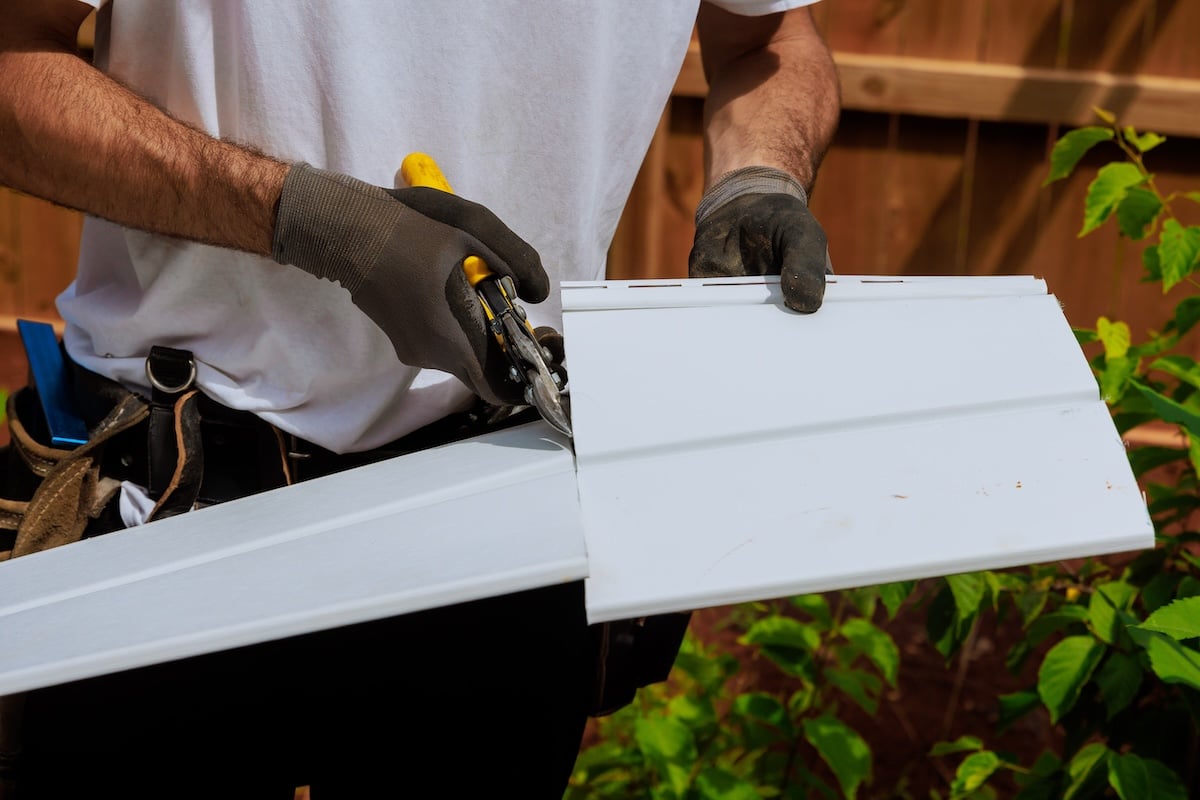
Hand tools help make clean, dust-free cuts in small areas or for detail work. They create less dust than power saws but need more effort.
- Score the board with a carbide-tipped scoring knife.
- Snap the board along the scored line to break it cleanly.
- Use a rasp or sanding block to smooth edges after breaking.
Credit: bestexteriorsinc.com
Preparation Steps
Cutting cement board creates a lot of dust. This dust can harm your lungs and make a mess.
Proper preparation helps reduce dust and keeps you safe. Follow these steps before you start cutting.
Marking Your Cut Lines Clearly
Use a pencil or chalk to draw clear lines on the cement board. Make sure the lines are straight and easy to see.
Measure twice to avoid mistakes. Clear marks help you cut accurately and reduce extra dust from corrections.
Setting Up A Dust-controlled Workspace
Choose a well-ventilated area to cut your cement board. Open windows or use fans to move dust outside.
Cover the floor with plastic sheets or a drop cloth. This makes cleaning easier and keeps dust from spreading.
- Work outdoors if possible
- Use a vacuum with a dust shroud on your cutting tool
- Seal doorways with plastic to stop dust from escaping
Wearing Protective Gear
Wear a dust mask or respirator to protect your lungs from fine dust particles. Regular masks may not filter well.
Use safety glasses or goggles to protect your eyes. Wear gloves to keep your hands safe from rough edges.
- Use a respirator rated for dust
- Wear goggles that fit snugly
- Put on thick work gloves
- Consider ear protection if using loud power tools
Cutting Techniques
Cutting cement board without making dust is important for safety and cleanliness. Using the right tools and methods can reduce dust while cutting.
This guide explains three effective cutting techniques to help you work cleanly and safely.
Scoring And Snap Method
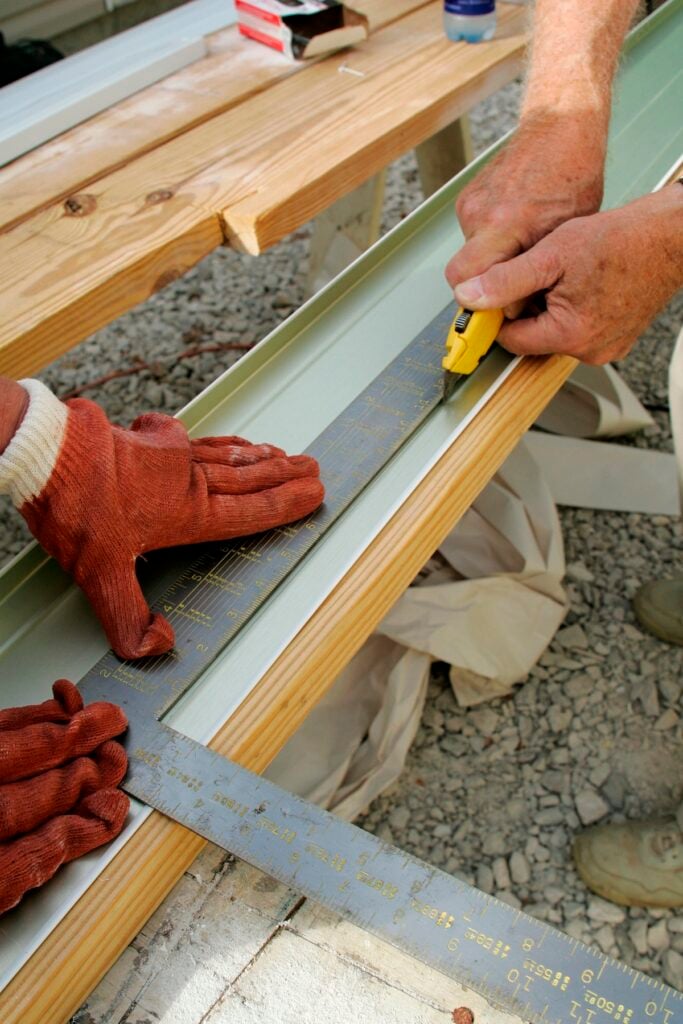
This method uses a utility knife to cut cement board with little dust. Score the surface deeply, then snap the board along the scored line.
It works best for straight cuts and smaller pieces. This method creates very little dust and needs no special tools.
- Use a straight edge to guide the knife
- Score the board several times for a deep cut
- Snap the board by applying pressure along the line
- Sand edges lightly if needed
Using A Wet Saw Properly
A wet saw uses water to reduce dust when cutting cement board. The water cools the blade and traps dust particles.
Make sure to keep the water flowing while cutting. Use slow, steady movements for clean cuts and less dust.
- Set up a wet saw with water supply
- Wear safety glasses and gloves
- Feed the board slowly into the blade
- Keep the blade wet during the entire cut
- Clean the area after cutting to remove residue
Employing A Circular Saw With Dust Shroud
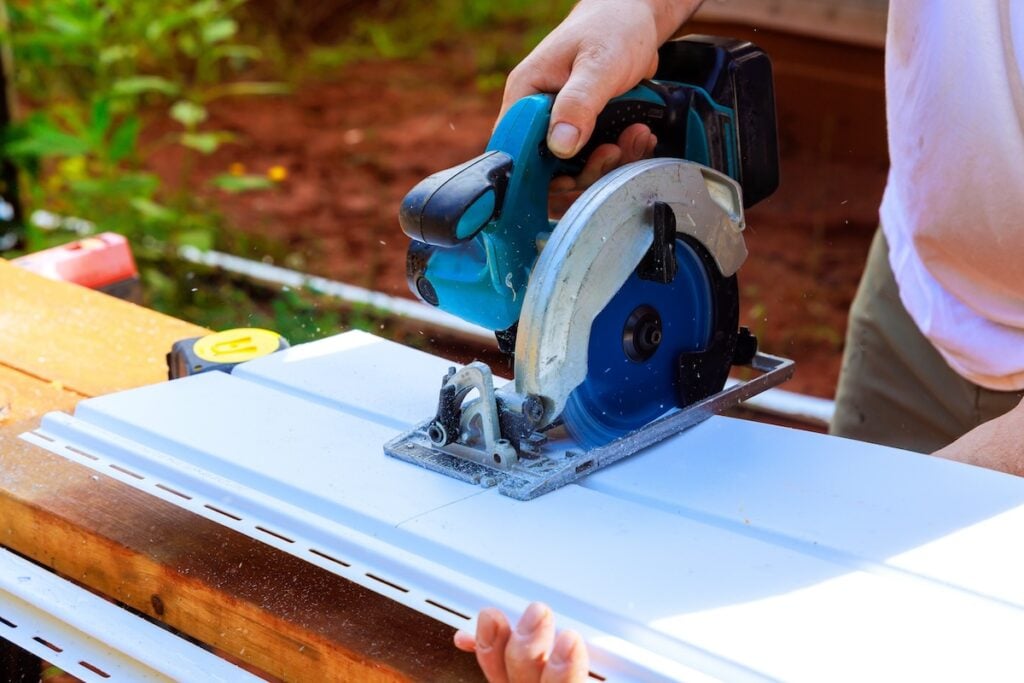
A circular saw with a dust shroud helps capture dust while cutting cement board. Connect the shroud to a vacuum to reduce airborne dust.
Use a sharp diamond blade designed for cement board. Cut slowly and steady to let the vacuum collect dust effectively.
- Attach dust shroud securely to the saw
- Connect shroud to a strong vacuum
- Wear a dust mask for extra protection
- Make straight, slow cuts
- Empty vacuum regularly to maintain suction
Minimizing Dust Spread
Cutting cement board creates a lot of dust that can spread quickly. This dust can cause health problems and make a mess. Taking steps to control the dust helps keep the work area clean and safe.
Use simple tools and materials to reduce dust spread. Small changes can make a big difference in your work environment.
Using Plastic Sheeting And Barriers
Plastic sheeting helps keep dust in one place. Hang sheets around your cutting area to block dust from moving to other rooms. Barriers like folding screens or cardboard walls also work well.
- Cover floors and furniture with plastic sheets
- Seal doorways with plastic to stop dust from escaping
- Use clamps or tape to keep sheeting tight and secure
- Replace plastic sheets if they become torn or full of dust
Vacuum Attachments And Dust Collectors
Vacuum attachments reduce dust at its source. Attach a vacuum to your cutting tool to suck up dust while you work. Dust collectors capture fine particles before they spread.
| Tool | Benefit | Tip |
| Vacuum Attachment | Captures dust during cutting | Use a high-power vacuum for best results |
| Dust Collector | Collects fine dust particles | Empty filters regularly to keep it working well |
| HEPA Filter Vacuum | Traps very small dust particles | Wear a mask even with HEPA filters |
Regular Cleanup During Cutting
Cleaning often stops dust from piling up. Use a wet cloth or mop to wipe surfaces. Empty vacuum bags or containers before they get full. Frequent cleaning keeps dust low and air cleaner.
- Stop cutting every 15-20 minutes for a quick cleanup
- Use a damp cloth instead of dry dusting to trap dust
- Dispose of dust safely in sealed bags
- Keep windows open or use fans to improve airflow
Safety Tips
Cutting cement board can create a lot of dust that is harmful to breathe. Taking safety measures helps protect your health while working.
Use the right tools and follow safe practices to reduce risks. Proper disposal of waste keeps the work area clean and safe.
Protecting Your Lungs And Eyes
Wear safety gear to guard your lungs and eyes from dust and debris. Use a respirator mask designed for fine particles.
- Put on a dust mask or respirator rated N95 or higher
- Wear safety goggles to shield your eyes
- Use a face shield if available for extra protection
- Work in a well-ventilated area or use a dust extraction system
Handling Tools Safely
Choose tools that reduce dust and use them carefully. Keep your hands steady and work slowly to avoid accidents.
- Use a score-and-snap knife instead of a power saw when possible
- If using a power saw, attach a vacuum to catch dust
- Wear gloves to protect your hands from sharp edges
- Keep tools clean and check for damage before use
- Keep cords and cables clear to prevent tripping
Disposing Of Cement Board Waste
Handle waste carefully to avoid spreading dust and harming the environment. Seal waste in bags to keep dust contained.
| Waste Disposal Step | Description |
|---|---|
| Collect debris | Sweep up dust and pieces carefully with a damp cloth or broom |
| Bag waste | Place debris inside heavy-duty plastic bags and seal tightly |
| Label bags | Mark bags to indicate they contain cement board waste |
| Follow local rules | Dispose of bags according to local waste regulations |
Credit: directionshome.uk
Frequently Asked Questions
How To Cut Cement Board Without Creating Dust?
To minimize dust, use a scoring knife or shears. Wet the board before cutting to suppress dust. Employ a dust-free circular saw with a vacuum attachment. Always work in a well-ventilated area. Wearing a dust mask and protective gear is crucial for safety and health.
What Tools Are Best For Dust-free Cutting?
Use a scoring knife, shears, or a dust-free circular saw. Shears and scoring knives produce minimal dust. A circular saw with a vacuum attachment collects dust efficiently. Always prioritize tools that reduce airborne particles to maintain a clean and safe workspace.
Can Water Help Reduce Dust When Cutting?
Yes, water significantly reduces dust when cutting cement board. Wetting the board before cutting helps suppress dust particles. This method keeps the workspace cleaner and healthier. It’s a simple and effective way to minimize dust exposure and improve safety.
Is Using A Dust Mask Necessary?
Yes, wearing a dust mask is essential when cutting cement board. It protects your lungs from harmful dust particles. Even with dust-reducing tools, a mask ensures maximum safety. Prioritize your health by always wearing appropriate protective gear while working.
Conclusion
Cutting cement board without dust protects your health and keeps your workspace clean. Use the right tools and methods to reduce dust effectively. Wet cutting and score-and-snap techniques work well. Always wear safety gear to stay safe. Taking simple steps makes the job easier and safer.
Stay careful, and your project will go smoothly. Dust-free cutting saves time on cleanup too. Keep these tips in mind for your next project. Clean work, safe work—that’s the goal.