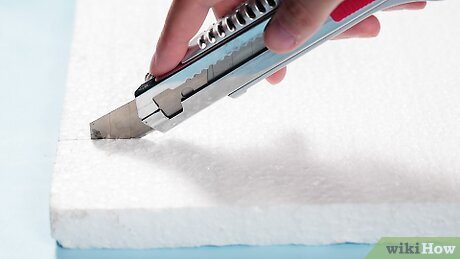
Cutting foam board cleanly can be tricky, but it doesn’t have to be frustrating. If you’ve ever struggled with jagged edges or uneven cuts, you know how annoying it can be.
Imagine finishing your project with sharp, smooth lines every single time. You’ll discover simple tricks and easy steps to get perfect cuts on your foam board. Whether you’re working on a school project, craft, or presentation, these tips will save you time and make your work look professional.
Ready to master the clean cut? Let’s get started.
Choosing The Right Tools
Cutting foam board cleanly needs the right tools. Using proper equipment helps you get smooth edges and avoid damage.
This guide covers the best knives, cutting mats, and straightedges for clean foam board cuts.
Best Knives For Foam Board
Choosing a sharp, precise knife makes cutting foam boards easier. A dull blade tears the foam and leaves rough edges.
- X-Acto knives with replaceable blades are popular for their sharpness and control.
- Utility knives with snap-off blades offer longer use and good cutting power.
- Craft knives with ergonomic handles provide comfort for long projects.
- Make sure blades are sharp and replace them often for the best results.
Essential Cutting Mats
A cutting mat protects your work surface and keeps blades sharp. It also helps guide straight cuts.
| Type | Description | Best For |
| Self-healing mat | Heals small cuts to stay smooth | Frequent cutting |
| Rubber mat | Non-slip surface for stability | Precision work |
| Plastic mat | Affordable but less durable | Light use |
Using Straightedges And Rulers
Straightedges guide your knife for clean, straight cuts. Choose a sturdy ruler or metal straightedge.
- Metal rulers resist cuts and stay straight.
- Wooden rulers may get damaged by blades.
- Non-slip backing helps keep the ruler steady.
- Use clamps or weights to hold the straightedge if needed.

Credit: www.wikihow.com
Preparing The Foam Board
Cutting foam board cleanly starts with good preparation. Taking time to measure and secure the board can save mistakes.
Proper setup ensures straight cuts and prevents damage to the board or your tools.
Measuring And Marking Accurately
Accurate measuring and marking help you cut the foam board precisely where you want.
- Use a metal ruler or straight edge for exact measurements
- Mark cutting lines lightly with a pencil to avoid deep scratches
- Double-check measurements before marking
- Mark both sides of the board if possible for cleaner cuts
Securing The Board Before Cutting
Hold the foam board steady to keep it from moving during cutting. This helps you make clean, straight cuts.
| Method | Description |
| Clamps | Use small clamps to hold the board to your work surface |
| Non-slip Mat | Place a rubber mat under the board to prevent sliding |
| Weighted Objects | Set heavy items on edges to keep the board flat |
| Helper | Ask someone to hold the board steady during cutting |
Cutting Techniques For Smooth Edges
Cutting foam board cleanly is important for a neat finish. Using the right techniques helps you get smooth edges every time.
This guide covers how to cut foam board with smooth edges using simple tips and tricks.
Single Pass Vs Multiple Passes
Cutting foam board in a single pass works if the blade is very sharp. It can give a clean edge quickly.
Multiple passes mean cutting the foam board lightly several times. This reduces mistakes and keeps edges smooth.
- Single pass is faster but needs a sharp blade.
- Multiple passes take longer but reduce rough edges.
- Multiple passes help avoid tearing the foam.
Maintaining A Steady Hand
Keep your hand steady to avoid jagged cuts. A steady hand helps the blade follow the cutting line smoothly.
Use a ruler or straight edge to guide your blade. This support helps you keep a straight, steady cut.
- Hold the foam board firmly on a flat surface.
- Move the blade slowly and evenly along the line.
- Take breaks if your hand feels shaky.
Angle And Pressure Tips
Hold the blade at a slight angle to get a cleaner cut on foam board. Too steep or flat can cause rough edges.
Apply steady, even pressure while cutting. Pressing too hard can damage the foam, and too light may not cut through.
- Keep the blade at about 45 degrees to the foam board.
- Use firm but gentle pressure for smooth cuts.
- Let the blade do the work; don’t force it.
Dealing With Common Cutting Challenges
Cutting foam board cleanly can be tricky. Many people face issues like crushed edges and jagged cuts. These problems make the final project look less neat.
This guide will help you handle these common challenges. You will learn ways to avoid crushed edges, prevent jagged cuts, and fix minor mistakes.
Avoiding Crushed Edges
Crushed edges happen when the foam board bends or squashes during cutting. This makes the edges look uneven and messy. Use a sharp blade and a firm cutting surface to avoid this.
- Use a fresh utility knife or blade for clean cuts
- Cut on a flat, stable surface to support the board
- Apply gentle, even pressure while cutting
- Score the board lightly first, then cut deeper in steps
- Hold the board steady with your hand away from the blade path
Preventing Jagged Cuts
Jagged cuts make the foam board edges rough and uneven. This happens when the blade is dull or the cutting angle is wrong. To prevent jagged edges, keep your blade sharp and cut slowly.
| Cause | Solution |
| Dull blade | Replace blade often |
| Cutting too fast | Slow down and take your time |
| Wrong cutting angle | Hold blade at 45 degrees |
| Uneven pressure | Apply steady, even pressure |
Fixing Minor Mistakes
Small cutting errors can be fixed easily. Light sanding and trimming help smooth rough edges. You can also fill gaps or dents with foam filler or glue.
Try these tips to fix minor mistakes:
- Use fine sandpaper to smooth uneven edges.
- Trim excess foam carefully with a sharp knife.
- Fill small holes with foam-safe glue or filler.
- Let filler dry before sanding again for a smooth finish.
Finishing Touches For Perfect Edges
Cutting foam board cleanly is important for a neat project. The edges need extra care after cutting. This guide helps you finish edges smoothly and cleanly.
Two key steps improve your foam board edges: sanding and cleaning. These steps remove rough spots and dust for a polished look.
Sanding And Smoothing Edges
Sanding removes small bumps and rough parts on the foam board edges. Use fine-grit sandpaper to avoid damage. Move the sandpaper gently along the edge in one direction.
- Choose 220-grit or finer sandpaper
- Sand lightly to keep the shape
- Check edges often to avoid over-sanding
- Use a sanding block for even pressure
- Finish by wiping edges with a soft cloth
Cleaning Up Dust And Debris
After sanding, dust and foam bits may stick to the edges. Clean these off to keep your work neat. Use a dry brush or a soft cloth for best results.
| Cleaning Tool | Use | Tip |
| Soft brush | Remove dust from edges | Brush gently to avoid damage |
| Dry cloth | Wipe away small debris | Use microfiber for best results |
| Compressed air | Blow dust from hard spots | Hold can upright to avoid moisture |

Credit: www.wikihow.com
Safety Tips While Cutting Foam Board
Cutting foam board can be simple, but safety is very important. Sharp tools can cause injuries if you are not careful.
Using the right safety measures helps you cut cleanly and avoid accidents. Follow these tips to protect yourself.
Using Protective Gear
Wear protective gear to keep your hands and eyes safe while cutting foam board. This gear stops cuts and dust from hurting you.
Gloves protect your fingers from the blade. Safety glasses keep dust and small pieces from getting in your eyes.
- Use cut-resistant gloves for better hand protection
- Wear safety goggles or glasses to protect eyes
- Use a dust mask if foam dust is present
Safe Handling Of Blades
Always handle blades with care. Sharp blades can cut deep if you slip or use too much force.
Keep blades sharp and clean for easier cutting. Dull blades require more pressure and can slip more easily.
- Hold the blade firmly and cut away from your body
- Use a cutting mat to protect surfaces and keep the blade steady
- Store blades safely when not in use, away from children
- Change blades regularly to avoid using dull tools

Credit: www.youtube.com
Frequently Asked Questions
What Tools Cut Foam Board Effectively?
Using a sharp utility knife or a hot wire cutter can cut foam board cleanly. A straightedge or ruler ensures precise cuts. Changing blades frequently prevents jagged edges. Always use a stable cutting surface to avoid accidents. These tools help achieve smooth and accurate results.
How Do I Prevent Foam Board Tearing?
To prevent tearing, use a sharp blade and slow, steady cuts. Ensure the cutting surface is stable and clean. Apply even pressure without forcing the cut. Scoring the foam board lightly before cutting can also help. This technique minimizes the risk of tearing.
Can I Use A Regular Knife For Foam Board?
A regular knife can work but may not provide clean cuts. A utility knife with a sharp blade is recommended for better results. It offers more precision and control. A dull knife increases the risk of tearing and uneven edges.
Consider investing in the right tools for best outcomes.
Is A Hot Wire Cutter Necessary For Foam Board?
A hot wire cutter isn’t necessary but offers smoother cuts. It’s especially useful for intricate designs and curves. However, a sharp utility knife can handle most straight cuts efficiently. Choose based on your project needs and budget. Both tools have their advantages for cutting foam board.
Conclusion
Cutting foam board cleanly takes practice and the right tools. Use a sharp knife and steady hands for best results. Score the board several times instead of cutting all at once. Keep your workspace clean and flat to avoid mistakes.
Take your time and follow these tips carefully. Soon, you will create smooth, neat edges every time. Clean cuts make your projects look professional and neat. Try these steps on your next foam board project. You will see the difference in quality and ease.