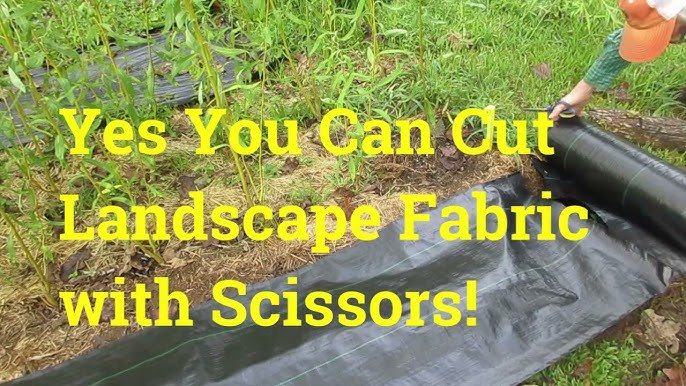
Are you ready to make your gardening projects easier and keep weeds at bay? Knowing how to cut landscape fabric the right way can save you time, money, and frustration.
Whether you’re covering flower beds or creating a neat pathway, precise cuts mean better results and a cleaner look. In this guide, you’ll discover simple steps and insider tips to handle landscape fabric like a pro. Keep reading to transform your outdoor space with confidence and ease.
Choosing The Right Fabric
Landscape fabric helps control weeds and keeps soil healthy. Picking the right fabric makes your garden last longer.
This guide explains how to choose the best fabric for your outdoor space.
Types Of Landscape Fabric
There are many fabrics to choose from. Some are made of woven fibers, and others are non-woven. Woven fabrics let water pass through but stop weeds well. Non-woven fabrics are thicker and block light better.
- Woven fabric: lightweight, allows water flow
- Non-woven fabric: thicker, blocks sunlight
- Perforated plastic: blocks weeds but may hold water
Fabric Thickness And Durability
Thicker fabric lasts longer and stops more weeds. Thin fabric may tear or wear out fast. Durability depends on the material and weave.
| Fabric Type | Thickness | Durability |
| Lightweight woven | 0.3 mm | Low |
| Heavyweight woven | 0.6 mm | High |
| Non-woven | 0.5 mm | Medium |
| Perforated plastic | 0.4 mm | Low |
Uv Resistance And Water Permeability
Good fabric resists sun damage and lets water pass through. UV resistance stops the fabric from breaking down. Water permeability helps plants get moisture.
- High UV resistance means longer fabric life
- Water-permeable fabric prevents water pooling
- Check labels for UV and water ratings

Credit: www.amazon.ca
Tools For Cutting
Cutting landscape fabric requires the right tools for a clean cut. This ensures the fabric fits perfectly and stays in place.
Using the right tools makes your landscaping project easier and more efficient. Let’s explore different options.
Scissors Vs Utility Knives
Scissors and utility knives are common tools for cutting landscape fabric. Each has its own advantages and drawbacks.
- Scissors:Easy to use, good for small areas, but may struggle with thicker fabric.
- Utility Knives:Provide precise cuts, ideal for thick or multiple layers, but require caution to avoid injury.
Measuring Tools
Accurate measurements are key before cutting. This helps avoid mistakes and wastage of fabric.
- Tape Measure:Flexible and easy to use for long distances.
- Ruler:Best for short, straight edges and ensures precision.
Marking The Fabric
Marking the fabric helps guide your cuts and ensures accuracy. Use tools that leave clear lines without damaging the material.
Chalk:Leaves visible marks but washes away easily.
Pencil:Ideal for light fabrics, may not show well on dark materials.
Marker:Permanent and clear, but ensure to use sparingly to avoid visible marks.
Preparing The Area
Preparing the area properly helps your landscape fabric work well. It stops weeds and keeps soil neat. Follow these steps before placing the fabric.
Start by clearing the space. Then, make the ground level. Finally, measure the garden edges for accurate cutting.
Clearing Debris And Weeds
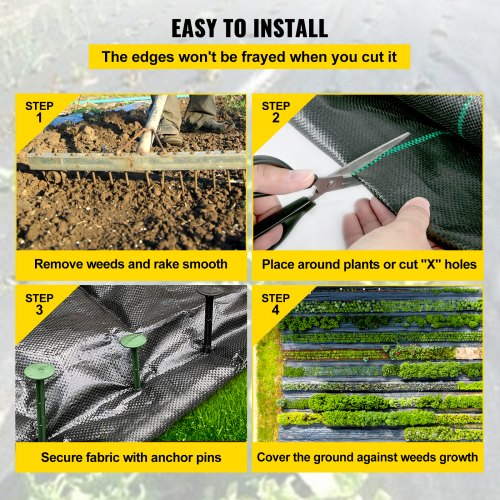
Remove all debris and weeds from the garden area. This makes sure the fabric lies flat and lasts longer. Use tools like rakes and gloves to clear the space.
- Pick up sticks, leaves, and trash
- Pull out weeds by the roots
- Dispose of plant waste properly
- Check for stones or roots that may cause bumps
Leveling The Ground
After clearing, make the ground smooth and even. This helps the fabric stay in place and prevents water pooling. Use a rake or shovel to fill holes and remove bumps.
| Task | Tools Needed |
| Fill holes | Shovel, soil |
| Remove bumps | Rake |
| Compact soil | Hand tamper or flat board |
Measuring The Garden Edges
Measure the edges of your garden bed before cutting the fabric. This ensures the fabric covers the area fully with little waste. Use a tape measure for accuracy.
- Measure length and width of the garden bed
- Note any curves or irregular shapes
- Add extra inches for overlap and securing edges
- Write down all measurements before cutting

Credit: www.amazon.ca
Cutting Techniques
Cutting landscape fabric correctly helps protect your garden. It stops weeds while letting water pass through. Using the right cutting techniques makes installation easier.
This guide explains how to cut the fabric for straight lines, curves, and slits for plants.
Straight Cuts
Straight cuts give a clean look and fit the fabric to your garden beds. Use sharp scissors or a utility knife for smooth edges. Lay the fabric flat on a hard surface before cutting.
Measure twice to ensure the right size. Cut slowly to avoid jagged edges or tearing the fabric.
Cutting Curves And Corners
Curves and corners need careful cutting to fit around plants and paths. Mark the curve with chalk or a marker. Cut just outside the line for a better fit.
Use sharp scissors and make small, controlled cuts. For tight corners, cut small notches to help the fabric bend without bunching.
- Draw the curve clearly
- Cut slowly and follow the line
- Make small notches near corners
- Adjust fabric as needed for a snug fit
Creating Slits For Plants
Slits let you plant through the fabric without damaging it. Mark the spot for each plant. Cut a small X or plus sign to open the fabric slightly.
Fold back the fabric flaps to plant easily. Make the slits just big enough to fit the plant stem. This keeps weeds out while allowing growth.
- Mark plant locations
- Cut small X or + shapes
- Fold fabric back to plant
- Keep slits tight to block weeds
Securing The Fabric
Securing landscape fabric keeps it in place and protects your plants. Proper fastening stops wind and water from moving the fabric.
Use different ways to hold the fabric down. This helps the fabric last longer and work better.
Using Landscape Staples
Landscape staples hold the fabric tightly to the soil. They are easy to use and keep the fabric flat.
Place staples every few feet along the edges and across the fabric. Push them deep enough to avoid lifting.
- Use U-shaped metal staples
- Place staples 12 to 18 inches apart
- Secure corners with extra staples
Overlapping Seams
Overlap fabric pieces to stop weeds from growing through seams. Overlap at least 6 inches for best protection.
Secure the overlapped sections with staples or pins. This stops the fabric from shifting and opening gaps.
- Overlap pieces by 6 to 12 inches
- Staple overlapped areas firmly
- Check seams after heavy wind or rain
Anchoring Edges
Secure edges of the fabric by burying them under soil or mulch. This stops wind from lifting the fabric.
Use rocks or bricks along the edges for extra hold. Keep edges tight to the ground for better results.
- Bury edges 2 to 3 inches deep
- Cover edges with mulch or soil
- Use heavy objects on edges if needed
Maintaining Garden Edges
Cutting landscape fabric helps keep garden edges neat and tidy. Proper care prevents weeds and protects plants.
Regular checks and adjustments keep the fabric in place and extend its life around garden beds.
Regular Fabric Inspection
Look over the fabric often for tears or holes near garden edges. Small damage lets weeds grow through.
- Check fabric edges monthly
- Look for holes or cuts
- Remove debris on top of fabric
- Make sure soil covers fabric edges
Replacing Damaged Sections
Cut out torn parts carefully. Replace with new fabric pieces that fit snugly around plants and borders.
| Damage Type | Replacement Action |
| Small holes | Patch with fabric scraps |
| Large tears | Remove and replace section |
| Edges lifting | Secure with landscape staples |
Preventing Fabric Shifting
Keep fabric from moving by anchoring it well. This stops soil and mulch from piling unevenly.
- Use landscape staples every few feet along edges
- Cover fabric edges with mulch or soil
- Trim plants so they don’t push fabric up
- Check fabric after heavy rain or wind
Credit: www.vevor.ca
Frequently Asked Questions
How Do You Measure Landscape Fabric Before Cutting?
Measure the area accurately using a tape measure. Mark the fabric with chalk or a marker. Always add extra inches for overlap and securing edges. This ensures full coverage and prevents weed growth effectively.
What Tools Are Best For Cutting Landscape Fabric?
Sharp scissors or a utility knife work best. Use a straight edge to guide cuts. Avoid dull tools as they can fray the fabric. Clean, precise cuts make installation easier and neater.
Can Landscape Fabric Be Cut To Fit Around Plants?
Yes, cut slits or holes to fit plants. Make cuts slightly larger than plant bases. This prevents damage and allows for growth. Secure fabric edges around plants to keep fabric stable.
How Do You Prevent Landscape Fabric From Fraying After Cutting?
Use sharp cutting tools for clean edges. Overlap fabric edges during installation. Some fabrics have heat-sealed edges; if not, consider using landscape staples or tape. Proper handling minimizes fraying and extends fabric life.
Conclusion
Cutting landscape fabric is simple with the right tools and steps. Measure carefully to avoid waste and ensure a perfect fit. Use sharp scissors or a utility knife for clean cuts. Keep the fabric flat while cutting to stay accurate.
This helps keep your garden neat and weed-free. Follow these tips, and your landscape project will go smoothly. Enjoy a tidy, well-maintained outdoor space with ease.