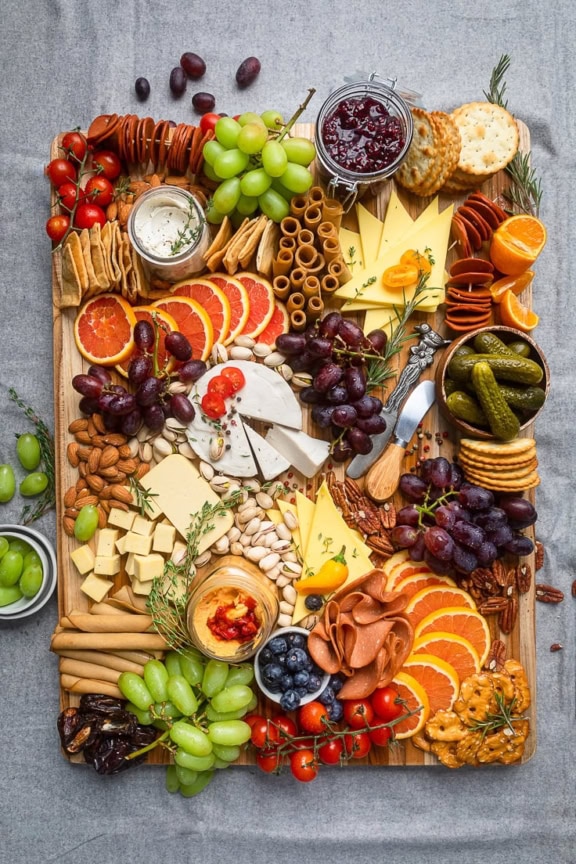
Are you looking to add a fresh, vibrant touch to your charcuterie board? Learning how to cut oranges the right way can make all the difference.
The way you slice and arrange your oranges can turn a simple snack into a stunning centerpiece that catches everyone’s eye. In this guide, you’ll discover easy, foolproof techniques to cut oranges that not only look beautiful but also enhance the flavors on your board.
Keep reading, and you’ll be ready to impress your guests with a charcuterie board that’s as delicious as it is visually appealing.
Choosing The Right Oranges
Oranges add a fresh and colorful touch to a charcuterie board. Picking the right oranges makes your board look and taste better. Use fresh, ripe oranges that are easy to cut and eat.
Some oranges work better than others for slicing and presentation. Knowing which ones to choose helps your charcuterie board stand out.
Best Varieties For Charcuterie
Navel oranges are popular for charcuterie boards. They are sweet, seedless, and easy to slice. Blood oranges add a bold red color and unique flavor. Cara Cara oranges have a pinkish flesh and mild taste.
- Navel oranges: sweet and seedless
- Blood oranges: bright red and tangy
- Cara Cara oranges: pink flesh and sweet
- Valencia oranges: juicy and classic flavor
Ripeness And Freshness Tips
Choose oranges that feel heavy for their size. Heavy fruit usually means juicy flesh. The skin should be bright and smooth without soft spots or blemishes.
Smell the orange near the stem. A fresh orange has a sweet citrus scent. Avoid oranges with a dull color or dry, wrinkled skin.
- Pick firm oranges with smooth skin
- Choose heavy oranges for juiciness
- Smell for fresh citrus fragrance
- Avoid soft spots and blemishes
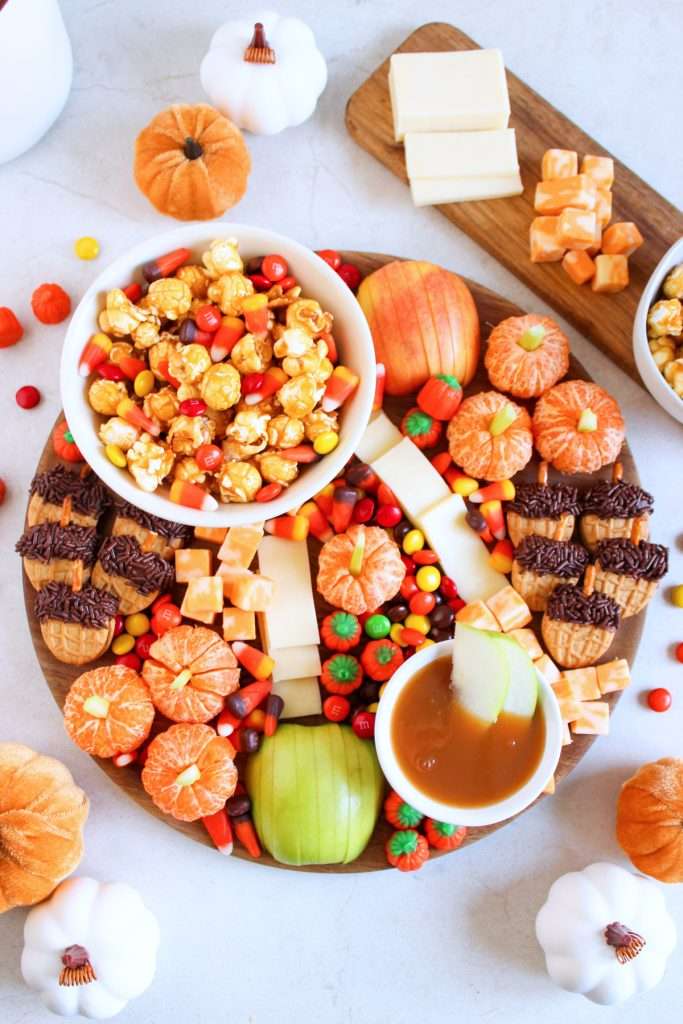
Credit: findingtimetofly.com
Essential Tools Needed
Cutting oranges for a charcuterie board needs the right tools. These tools help you cut clean slices and shapes safely.
Using proper tools makes your board look neat and inviting. It also saves time and effort in preparation.
Sharp Knives
A sharp knife is key to cutting oranges easily. It gives smooth slices without squashing the fruit. A serrated or paring knife works well.
- Use a knife with a sharp, thin blade.
- Keep your knives clean and dry for safety.
- Choose the right knife size for orange slices.
Cutting Boards
A sturdy cutting board protects your surfaces and helps with clean cuts. Choose a board that is easy to clean and stable on the counter.
| Material | Benefits | Care Tips |
| Wood | Gentle on knives, natural look | Hand wash, oil regularly |
| Plastic | Lightweight, dishwasher safe | Replace if deeply scored |
| Bamboo | Eco-friendly, durable | Hand wash, avoid soaking |
Optional Accessories
Some extra tools make cutting and arranging oranges easier. These are nice to have but not required.
- Fruit peeler for removing orange skin neatly
- Decorative cutters for shaping orange slices
- Tongs or small forks to place slices on the board
Preparing Oranges For Cutting
Oranges add bright color and fresh flavor to a charcuterie board. Proper preparation helps the slices look neat and taste great.
Taking time to clean and peel oranges makes cutting easier and safer. It also improves the presentation of your board.
Washing And Drying
Always wash oranges before cutting. This removes dirt and any chemicals on the skin.
Use cool running water and gently rub the orange with your hands. Avoid using soap or detergents.
- Rinse the orange under cool water
- Rub the skin to clean off dirt
- Dry with a clean towel or paper towel
- Make sure the orange is fully dry before cutting
Peeling Techniques
Peeling oranges well helps you get clean slices for your board. There are a few ways to peel easily.
You can use a knife or your hands. Using a sharp knife allows you to remove the skin and white pith cleanly.
- Cut off both ends of the orange
- Stand the orange on one end for stability
- Slice downward with a sharp knife to remove skin and pith
- Remove any remaining white parts for better taste
- After peeling, you can slice the orange as needed
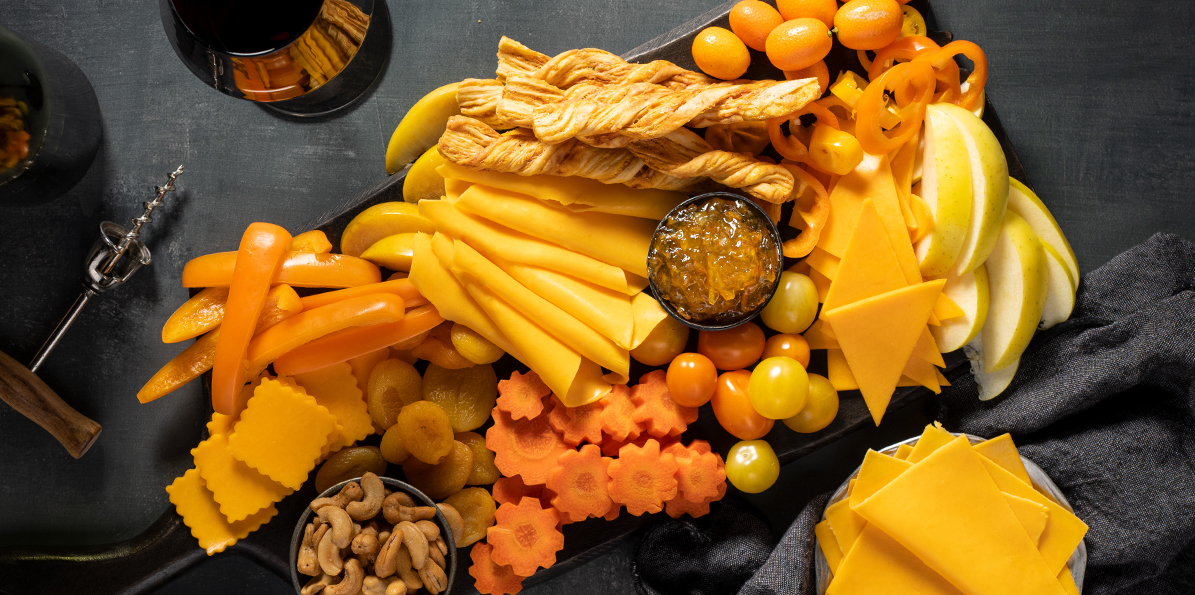
Credit: www.sargento.com
Popular Cutting Styles
Oranges add color and flavor to any charcuterie board. Cutting them in different styles changes their look and ease of eating.
Try various cuts to create a beautiful and tasty presentation. Each style suits different occasions and tastes.
Slices
Slices are thin, round pieces cut across the orange. They show the fruit’s juicy center and bright color.
Use slices to cover large areas or line the edges of the board. They are easy to pick up and eat.
Wedges
Wedges are triangular pieces cut from the orange. They keep the peel on, making them easy to hold.
- Cut the orange in half from top to bottom.
- Cut each half into smaller triangular pieces.
- Arrange wedges in a fan shape on your board.
Segments
Segments are the natural sections inside the orange. Remove the peel and membrane to show the juicy flesh.
| Cutting Tip | Description |
| Peel Carefully | Use a sharp knife to remove the peel without breaking segments. |
| Remove Membrane | Cut along the white lines to free each segment cleanly. |
| Serve Neatly | Place segments close together for a clean look. |
Twists And Garnishes
Twists and garnishes add flair to your board. Use orange peel strips twisted into shapes or small curls.
How to make an orange twist:
- Use a vegetable peeler to cut a thin strip of peel.
- Avoid the white pith for less bitterness.
- Twist the peel around a skewer or your finger.
- Place the twist on the board next to meats or cheeses.
Arranging Oranges On The Board
Oranges add bright color and fresh flavor to any charcuterie board. Cutting them right helps the board look neat and inviting.
Placing the orange slices carefully creates balance and draws attention. This makes guests want to try them first.
Balancing Colors And Textures
Oranges bring a bright orange color that contrasts well with darker meats and cheeses. They also add a juicy texture to the board.
Place orange slices next to firm or crunchy foods for a nice mix. This contrast makes eating more enjoyable.
- Pair orange slices with hard cheeses like cheddar
- Place near cured meats with a dry texture
- Arrange close to nuts for added crunch
Combining With Other Ingredients
Oranges taste great with sweet, salty, and savory flavors. Mixing them with different ingredients adds variety.
Try placing orange segments near honey, dark chocolate, or olives. These combinations excite the taste buds.
- Orange and honey create a sweet touch
- Dark chocolate balances orange’s citrus flavor
- Olives add a salty contrast to oranges
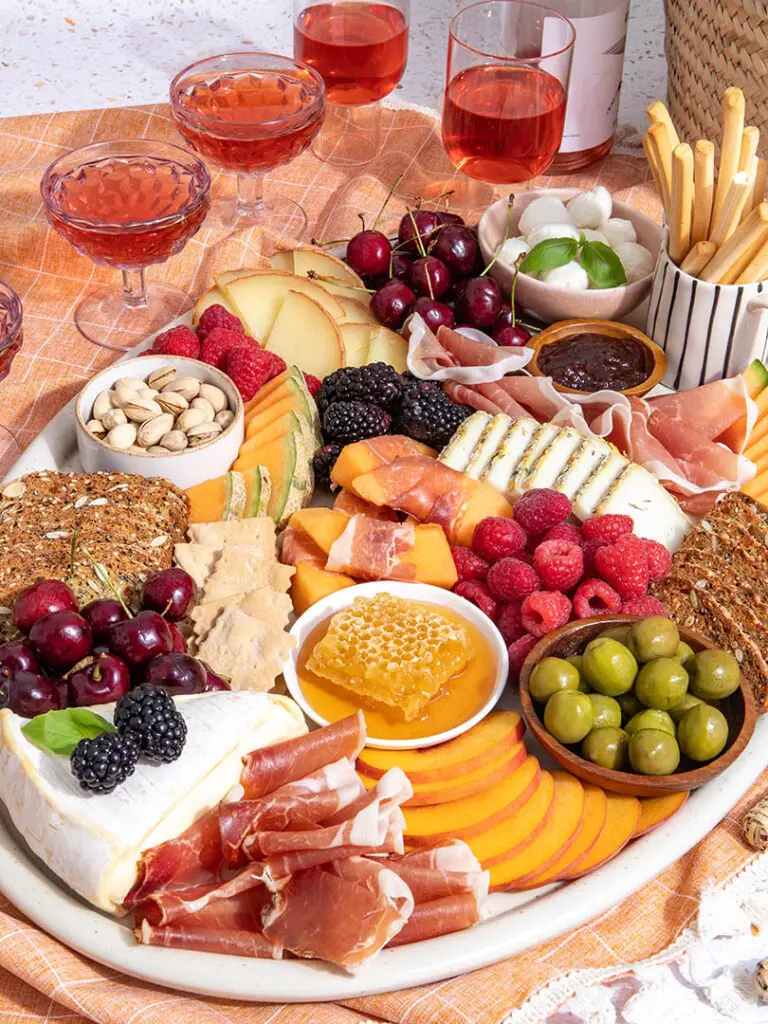
Credit: ainttooproudtomeg.com
Keeping Oranges Fresh Longer
Oranges add bright color and fresh flavor to your charcuterie board. Keeping them fresh helps maintain their taste and look. Proper care can keep orange slices juicy and vibrant for days.
This guide shares simple tips for storing oranges and avoiding browning. Use these ideas to keep your orange slices fresh longer on your board.
Storage Tips
Store oranges whole or sliced properly to prevent spoilage. Cold temperatures and airtight containers help keep freshness. Avoid leaving slices exposed to air.
- Keep whole oranges in the fridge drawer for up to two weeks.
- Store sliced oranges in airtight containers or wrap tightly with plastic wrap.
- Use a shallow container to avoid stacking slices, which can cause bruising.
- Place a paper towel in the container to absorb excess moisture.
- Consume sliced oranges within 2-3 days for best taste and texture.
Avoiding Browning
Oranges brown when exposed to air and enzymes react with oxygen. Taking simple steps stops this process and keeps slices looking fresh and bright.
| Method | How It Helps |
|---|---|
| Use lemon juice | The acid slows enzyme activity and prevents browning. |
| Cover tightly | Reduces air contact, slowing oxidation. |
| Keep cold | Low temperature slows the browning enzymes. |
| Use plastic wrap | Wrap slices individually to block air exposure. |
Creative Presentation Ideas
Cutting oranges for a charcuterie board adds color and flavor. Creative presentation makes your board more attractive and inviting.
Small details like zest and leaves bring freshness and style. These tips will help you decorate your board beautifully.
Using Orange Zest
Orange zest adds a bright scent and a pop of color. Use a fine grater to remove thin strips of peel without the white pith.
- Sprinkle zest over cheese or nuts for extra aroma.
- Twist long strips of zest as a garnish on fruit slices.
- Mix zest into dips or spreads to enhance flavor.
- Create small zest curls and place them around the board edges.
Incorporating Citrus Leaves
Citrus leaves bring a natural green contrast to orange slices. They also add a fresh, herbal scent to the board.
| Leaf Type | Use | Effect |
|---|---|---|
| Orange leaves | Place under orange slices | Bright green base, fresh smell |
| Lemon leaves | Arrange in small clusters | Adds texture and color contrast |
| Lime leaves | Use as garnish near meats | Enhances visual appeal and aroma |
Frequently Asked Questions
How Do You Cut Oranges For A Charcuterie Board?
To cut oranges for a charcuterie board, first wash and dry them. Slice off the ends, then cut into thin rounds or wedges. Remove seeds for a cleaner presentation. Arrange the slices attractively, ensuring vibrant color and freshness to enhance the board’s visual appeal.
Should I Peel Oranges For A Charcuterie Board?
Peeling oranges is optional for a charcuterie board. Keeping the peel adds color and texture. If you choose to peel, consider segmenting the orange for easy eating. Both methods can enhance the board’s look and offer variety.
How To Make Orange Slices Look Appealing?
To make orange slices appealing, cut them evenly and remove seeds. Arrange the slices symmetrically, and mix with other fruits for contrast. Their vibrant color naturally enhances any charcuterie board, making it visually striking.
What Oranges Are Best For Charcuterie Boards?
Navel oranges and blood oranges are ideal for charcuterie boards. Navel oranges have a sweet taste and are seedless. Blood oranges offer a unique color and a tart flavor. Both types provide visual and taste variety.
Conclusion
Cutting oranges for a charcuterie board is simple and fun. Choose fresh, ripe oranges for the best taste. Use a sharp knife to make clean slices or wedges. Arrange the pieces neatly on your board for a colorful look. The bright orange adds a fresh, sweet touch to your snacks.
This small step makes your board more inviting. Try different cuts to find what you like best. Enjoy the process and the tasty results. A well-cut orange always brightens up the table.