
Imagine this: you’re about to prepare your favorite meal, only to realize that the main ingredient is still frozen solid. You might feel a bit frustrated, but don’t worry—your microwave oven can be your best ally in this situation.
Understanding how to defrost in a microwave oven is a simple yet crucial skill that can save you time and effort in the kitchen. In this guide, you’ll discover the secrets to defrosting your food quickly and safely, ensuring your meals are both delicious and free from unwanted bacteria.
Stick with us, and you’ll soon be a pro at turning frozen blocks into perfectly thawed ingredients, ready for cooking.
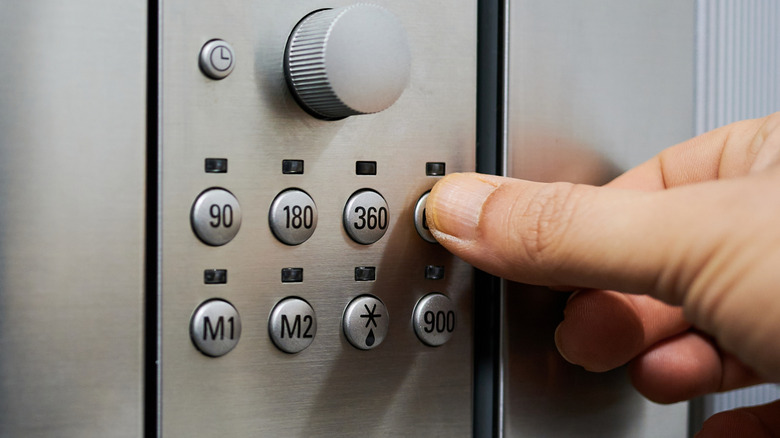
Credit: www.tastingtable.com
Microwave Defrost Basics
Defrosting food in the microwave is a skill that can save you time and hassle in the kitchen. Understanding the basics helps you avoid uneven thawing or partially cooked edges. With the right approach, you can defrost your meals quickly and safely, making mealtime stress-free.
How Microwave Defrost Works
Microwaves use low power and intermittent bursts to defrost food gently. Instead of cooking, the microwave’s energy targets frozen water molecules, warming them slowly. This process helps to thaw food without starting to cook it on the outside.
Microwaves often pause during defrost cycles to allow heat to spread evenly through the food. This prevents hot spots and reduces the chance of partially cooking your meal. Have you noticed your microwave beep or stop during defrost? That’s exactly why.
Types Of Foods To Defrost
Not all foods respond the same to microwave defrosting. Meat, poultry, and seafood thaw well because they contain enough moisture to absorb microwave energy evenly.
- Meat:Steaks, ground beef, and chops defrost effectively in the microwave, but remember to cook immediately after thawing.
- Poultry:Chicken breasts or thighs thaw quickly but can start cooking if left too long.
- Seafood:Fish fillets and shrimp defrost well but are delicate, so check often.
Vegetables and bread usually don’t defrost well in the microwave. They can become soggy or partially cooked instead of just thawed. Have you tried defrosting frozen peas or bread in the microwave? It’s often better to use other methods for these.
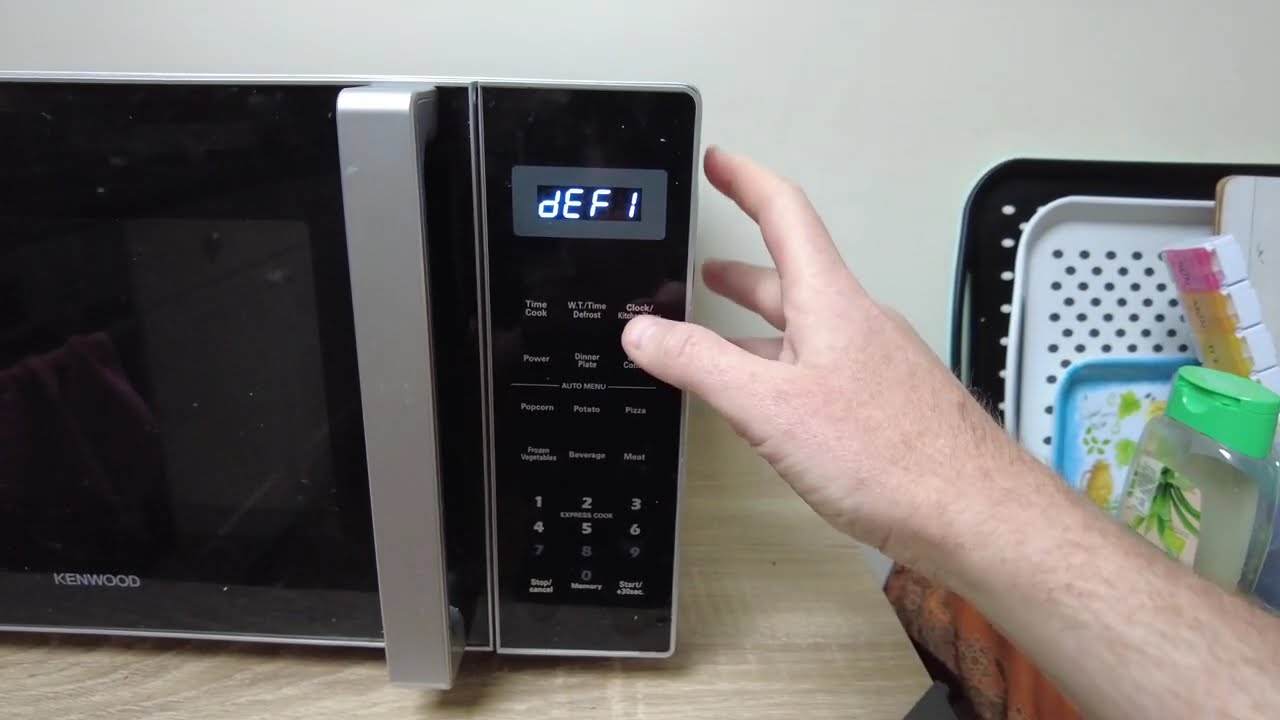
Credit: www.youtube.com
Preparing Food For Defrosting
Preparing food correctly before defrosting in a microwave saves time and keeps food safe. Proper preparation helps even thawing and avoids cooking parts of the food. It also prevents bacteria growth by defrosting food quickly and evenly. Follow simple steps to get your food ready.
Packaging And Containers
Remove any metal or foil packaging. Metal can cause sparks and damage the microwave. Use microwave-safe containers like glass or plastic. Avoid sealed containers that trap steam. Cover food with a microwave-safe lid or plastic wrap. Leave a small vent for steam to escape. This keeps moisture in and prevents splatters.
Portion Size Tips
Divide large pieces into smaller portions. Smaller pieces thaw faster and more evenly. Spread food out in a single layer on the plate. Avoid stacking or piling food. This helps the microwave heat reach all areas. Use similar-sized pieces for best results. It prevents some parts from overcooking while others stay frozen.
Microwave Settings For Defrosting
Setting your microwave correctly is key to defrosting food safely and evenly. Using the right settings prevents partial cooking and maintains food quality. Most microwaves offer special power levels dedicated to defrosting. Understanding these settings helps you choose the best option for your food.
Power Levels To Use
Microwaves usually have several power levels from low to high. Defrosting requires low power to thaw food without cooking it. Use 30% power or “Defrost” mode if available. This setting lets heat spread slowly through food. Avoid full power, which cooks the edges while the inside stays frozen.
Some microwaves label power levels from 1 to 10. Use levels 2 or 3 for defrosting. These levels reduce the microwave energy output. This way, food thaws gently and evenly. Check your microwave manual to find the exact defrost power level.
Time Guidelines By Food Type
| Food Type | Suggested Defrost Time per Pound | Notes |
|---|---|---|
| Ground Meat | 5-7 minutes | Break apart halfway through |
| Whole Chicken | 8-10 minutes | Flip occasionally for even thawing |
| Fish Fillets | 4-6 minutes | Use lower power if very thin |
| Vegetables | 3-5 minutes | Check and stir halfway |
Adjust times based on the microwave wattage and food thickness. Pause and check food often to avoid cooking. Turn or stir food during defrost to improve heat distribution.
Safe Defrosting Practices
Defrosting food in a microwave oven saves time but requires care for safety. Following safe defrosting practices keeps food healthy and tasty. These practices prevent food from cooking unevenly or growing harmful bacteria. Understanding the right steps helps maintain food quality and safety.
Avoiding Partial Cooking
Microwave ovens can heat food unevenly. Some parts may start cooking while others remain frozen. Partial cooking changes food texture and taste. Use the defrost setting or lower power levels to reduce heat intensity. Stop the microwave often to check and turn the food. This ensures even thawing without cooking edges or surfaces.
Preventing Bacterial Growth
Bacteria grow quickly on food left too long at room temperature. Defrosting in a microwave must be quick to keep food safe. Cook the food immediately after defrosting to stop bacteria from multiplying. Avoid refreezing food that was defrosted in the microwave. Keep your microwave clean to avoid cross-contamination.
Speeding Up Defrosting
Speeding up defrosting in a microwave saves time and keeps food safe. Using simple techniques, you can thaw food faster and more evenly. These tips help avoid partially frozen or overheated spots.
Using Water Baths
Place food in a sealed plastic bag before submerging it in cold water. The water transfers heat quickly and speeds up thawing. Change the water every 10 minutes to keep it cold. This method works well for small cuts of meat or seafood.
Combine water baths with microwave defrost to reduce overall thawing time. Start with water to loosen ice, then finish in the microwave for even defrosting.
Rotating And Stirring Food
Rotate the food halfway through microwaving to avoid cold spots. Stirring helps heat spread evenly in soft foods like soups or stews. Use microwave-safe utensils to move the food gently.
Stop the microwave several times to check and turn food. This prevents partial cooking and ensures better thawing results.
Common Defrosting Mistakes
Defrosting food in a microwave oven seems straightforward, but many people slip up in ways that affect taste and safety. Recognizing common defrosting mistakes can save you from uneven thawing, soggy textures, or even foodborne illnesses. Let’s look at some frequent errors that can turn your defrosting efforts into a frustrating experience.
Overheating Food
One of the biggest mistakes is overheating while trying to defrost. Microwaves can quickly start cooking the edges of your food, leaving the inside frozen.
Have you ever taken out partially cooked chicken from the microwave? The outer parts get rubbery, while the center stays icy cold. This happens because the microwave’s heat isn’t evenly distributed during defrosting.
To avoid this, use the defrost setting and pause frequently to check the food. Stir or flip pieces when possible to promote even thawing without cooking.
Ignoring Food Thickness
Defrosting without considering the thickness of your food can cause uneven thawing. Thin slices defrost quickly, while thick chunks need more time and care.
Imagine throwing a thick frozen steak in the microwave for a minute and expecting it fully thawed. The outside might be warm, but the inside could remain frozen solid.
Adjust defrosting time based on thickness and weight. Smaller or thinner items require less time, while larger cuts may need to be defrosted in intervals with checks in between.
After Defrosting Steps
After defrosting food in the microwave, some important actions keep your meal safe and tasty. The microwave may leave parts of the food warm while others remain cold. This uneven thawing can allow bacteria to grow if not handled correctly. Follow these steps after defrosting to maintain food quality and safety.
Cooking Immediately
Cook defrosted food right away. Bacteria multiply quickly in partially thawed food. Microwaving can start cooking some parts during defrosting. Cooking immediately stops bacteria from growing.
Do not leave defrosted food at room temperature. Use a thermometer to check food temperature. Ensure the food reaches safe cooking temperatures to kill any germs.
Storing Leftovers Safely
If you have extra cooked food, cool it fast. Store leftovers in shallow containers. This helps food cool evenly and safely.
Keep leftovers in the fridge below 40°F (4°C). Use leftovers within 3 to 4 days. Reheat leftovers to at least 165°F (74°C) before eating.

Credit: www.tastingtable.com
Frequently Asked Questions
How Long To Defrost Food In Microwave Oven?
Defrost time depends on food type and weight. Use the microwave’s defrost setting. Check and turn food every few minutes for even thawing. Avoid cooking edges while defrosting.
Can I Defrost Meat Directly In Microwave?
Yes, microwave defrosting is safe for meat. Use low power to prevent cooking the edges. Always cook meat immediately after defrosting to avoid bacteria growth.
What Microwave Settings Are Best For Defrosting?
Use the microwave’s “defrost” or low power setting. This prevents cooking while thawing food evenly. Adjust time based on food weight and type for best results.
Is It Safe To Defrost Frozen Vegetables In Microwave?
Yes, microwaving frozen vegetables on defrost is safe. It quickly thaws without cooking them. Use short intervals to avoid overheating and preserve texture.
Conclusion
Defrosting food in a microwave saves time and effort. Always use the microwave’s defrost setting for best results. Check the food often to avoid cooking edges. Turn or stir the food to heat evenly. Let the food rest after defrosting to finish thawing.
Follow these simple steps for safe and quick defrosting. Enjoy your meal without waiting too long. Simple, fast, and easy—defrosting made practical.