Using a breast pump can help many mothers feed their babies with ease. One important part of a breast pump is the flange. The flange is the part that fits on the breast. It helps make a good seal and allows milk to flow. But, how do you find the right flange size? Choosing the correct flange size is important for comfort and milk flow.

Credit: pupsik.sg
What Is a Breast Pump Flange?
A flange is also called a breast shield. It is the funnel-shaped piece that fits over the nipple and part of the breast. The flange connects to the pump and creates suction. This suction helps pull milk from the breast.
Flanges come in different sizes. Sizes usually range from about 15 mm to 36 mm in diameter. The number shows the size of the opening where the nipple fits.
Why Does Flange Size Matter?
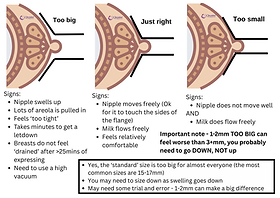
Using the right flange size helps you pump better. If the flange is too small, it can hurt your nipple. If it is too big, your nipple may rub on the sides. Both cases can cause pain and reduce milk flow.
A good fit also stops air leaks. Air leaks lower the pump’s suction power. This means less milk and more time pumping. It can make pumping tiring and uncomfortable.
How to Measure Your Nipple Size for Flange
The best way to find the right flange size is to measure your nipple. You do not measure the whole areola, only the nipple. The nipple is the small round part in the center of your breast.
Follow these simple steps:
- Take a ruler or a measuring tape.
- Measure the diameter of your nipple at its base.
- Make sure the nipple is standing straight.
- Measure in millimeters (mm) for accuracy.
The diameter means the width across the nipple. Measure from one side to the other straight across.
Choosing the Right Flange Size
The flange size should be about 2 to 3 millimeters larger than your nipple diameter. For example, if your nipple is 18 mm wide, a 20 or 21 mm flange works well.
| Nipple Diameter (mm) | Recommended Flange Size (mm) |
|---|---|
| 15 mm | 17 – 18 mm |
| 16 mm | 18 – 19 mm |
| 17 mm | 19 – 20 mm |
| 18 mm | 20 – 21 mm |
| 19 mm | 21 – 22 mm |
| 20 mm | 22 – 23 mm |
If your nipple size falls between two sizes, choose the larger flange. This helps prevent pinching or pain.
Signs Your Flange Size Is Wrong
You might be using the wrong flange if you feel:
- Sharp or burning pain during pumping.
- Nipple is very red after pumping.
- Nipple skin is damaged or cracked.
- You see little or no milk flow.
- Nipple rubs on the edges of the flange.
If you notice these signs, try a different flange size. Comfort is key. Pumping should not hurt.

Credit: www.moovkart.com
How to Test the Flange Size
After choosing a flange, test it while pumping. Watch your nipple during pumping. The nipple should move freely in the flange tunnel. It should not rub on the sides.
The suction should feel gentle and not painful. If you feel pain or discomfort, stop and try a different size.
Other Tips for Comfortable Pumping
- Use warm compresses on your breasts before pumping.
- Massage your breasts gently to help milk flow.
- Start pumping with low suction and increase slowly.
- Take breaks if your breasts feel sore.
- Stay relaxed and calm during pumping.
Why Flange Size Changes Over Time
Your nipple size may change during breastfeeding. Hormones, milk supply, and time can affect size. If pumping becomes painful or less effective, remeasure your nipple.
Always check flange size if you switch pumps or brands. Different pumps may fit differently.
Where to Buy Different Flange Sizes
Most breast pump brands sell different flange sizes. You can find them online or in baby stores. Some stores offer sets with multiple sizes to try.
If you are unsure, ask a lactation consultant or nurse. They can help you find the right size.
Summary: How to Choose the Right Flange Size
- Measure your nipple diameter in millimeters.
- Choose a flange 2-3 mm larger than your nipple.
- Test the flange while pumping for comfort.
- Look for pain or nipple damage as signs to change size.
- Re-measure if pumping becomes uncomfortable or less effective.
Finding the right flange size takes time but is worth it. It makes pumping easier, faster, and more comfortable.
Remember, every mother is different. Your best flange size is the one that fits you well.
Frequently Asked Questions
How Do I Measure My Nipple For Correct Flange Size?
Use a ruler to measure your nipple diameter in millimeters without the areola.
Why Is Flange Size Important For Breast Pumping?
A correct flange size prevents pain and improves milk flow during pumping.
What Happens If Flange Size Is Too Small?
A too-small flange can cause nipple pain and reduce milk output.
Can Flange Size Change Over Time?
Yes, nipple size may change due to pregnancy, breastfeeding, or weight changes.